Uncovering the Truth About Printed Glock Lowers: A Comprehensive Legal Guide
The world of 3D printing continues to revolutionize manufacturing, allowing innovators to create complex parts directly from digital designs. One of the most discussed applications is the printing of firearm parts, specifically Glock pistol lower receivers (frames/receivers). However, this technology intersects with strict federal and state regulations. This guide delves into the legal complexities of printed Glock handguns, distinguishing fact from fiction, and emphasizing responsible practices.
What exactly is Glock dismounting?
The lower receiver (often called the frame on a pistol such as a Glock) is the foundation of the gun. It contains key components such as the trigger assembly, magazine well and serial number. Crucially, Under federal law (specifically ATF), subordinate recipients yes The gun itself as defined by law. Other parts (barrel, slide, trigger) are just accessories. Printing a lower body is different from printing a cup holder; printing a lower body is different from printing a cup holder. Legally speaking, it amounts to a regulated core component in the manufacture of a firearm.
Navigating the Legal Minefield: The Federal Framework
The legality of printing a Glock lower body depends on several overlapping laws:
-
Gun Control Act of 1968 (GCA): This cornerstone legislation prohibits anyone from Apart from licensed manufacturer "engaged in business" Manufacture of firearms for sale or distribution. As private:
- you are usually allowed Manufacture firearms for your personal use (including through 3D printing)no manufacturer’s license is required, provided the firearm does not violate other laws (such as NFA restrictions).
- Who are you not allowed Make firearms intend to sell or distribute them There is no Federal Firearms License (FFL).
- You cannot make a gun that you are prohibited from possessing in the first place (for example, if you are a prohibited person).
-
National Firearms Act (NFA): This applies to Chapter 2 weapons (machine guns, short barrel rifles/shotguns, silencers, destructive devices, AOWs). It is strictly illegal to print a Glock lower designed to be easily converted to any NFA regulated configuration (e.g., to accept a machine gun sear or for use with an integral suppressor) without the appropriate NFA tax stamps and approvals.
- Undetectable Firearms Act of 1988 (UFA): This law is arguably the most critical for 3D printed guns. The UFA makes it illegal to manufacture, import, sell, transport, deliver, possess, transfer or receive any firearm:
- This is not detectable by walk-through metal detectors or
- Its major components (frame, receiver, barrel, slide, cylinder) cannot produce an accurate image on a standard airport X-ray scanner, while its metal equivalents do.
- Crucially, Functional firearms printed entirely from plastic (such as typical consumer filament) would not meet these testing standards. To comply with the UFA, any printed firearm (including Glock lower receiver) must Contains a certain amount of detectable metal (generally ≥ 3.7 ounces of Type 17-4 PH stainless steel), either embedded into the printed part during manufacturing or as a removable external component that cannot be disabled by disassembly (such as a slide insert or mounting plate that is integrated before the print is complete). Unserialized lower versions without this metal may be a violation.
The Changing Landscape: State Laws and Recent Regulatory Changes
Federal law establishes baselines, but State and local laws often impose stricter regulations One point that cannot be ignored:
- "ghost gun" law: Many states (e.g., California, New York, New Jersey, Washington, D.C., Maryland) have enacted laws specifically targeting unserialized, homemade firearms ("ghost gun"). These laws usually:
- Require do-it-yourself manufacturers to apply for serial numbers from the state before manufacturing.
- Mandates serialization marking requirements equivalent to those of authorized manufacturers.
- Require a background check on individuals purchasing unfinished frames/receivers ("80% reduction").
- Possession or transfer of unserialized firearms after certain dates is prohibited.
- A complete ban on the production of unserialized firearms ("ghost gun") without going through the serialization process. It is illegal to print an earlier version of the Glock without compliance in one of these jurisdictions.
- Assault weapons ban: Some states ban specific firearm configurations achieved with a printed Glock lower barrel (e.g., attaching the stock to create a pistol-caliber carbine – PCC) if classified as an assault weapon.
- Machine gun ban: State definitions of machine gun parts or conversion devices may be broader or more restrictive than the federal NFA.
Rapid Prototyping and Printed Lowers: For the Professionals
Professional rapid prototyping services such as huge light Plays a vital role in technological advancement but operates within strict legal and regulatory boundaries. About firearm parts:
- Licensing is crucial: An entity that legally manufactures firearms for sale or distribution Must possess appropriate Federal Firearms License (FFL Type 07 Manufacturer). This involves rigorous background checks, record keeping, serialization marking according to ATF specifications, large-scale regulatory compliance, and ITAR registration for export controls.
- Material matters: Professional manufacturers understand and strictly adhere to UFA requirements. Printing functional firearm components requires integrating detectable metal to ensure compliance.
- Non-Firearm Applications: Many OEMs rely on advanced prototyping services, such as those provided by GreatLight, to obtain legal, Unregulated Firearms related parts:
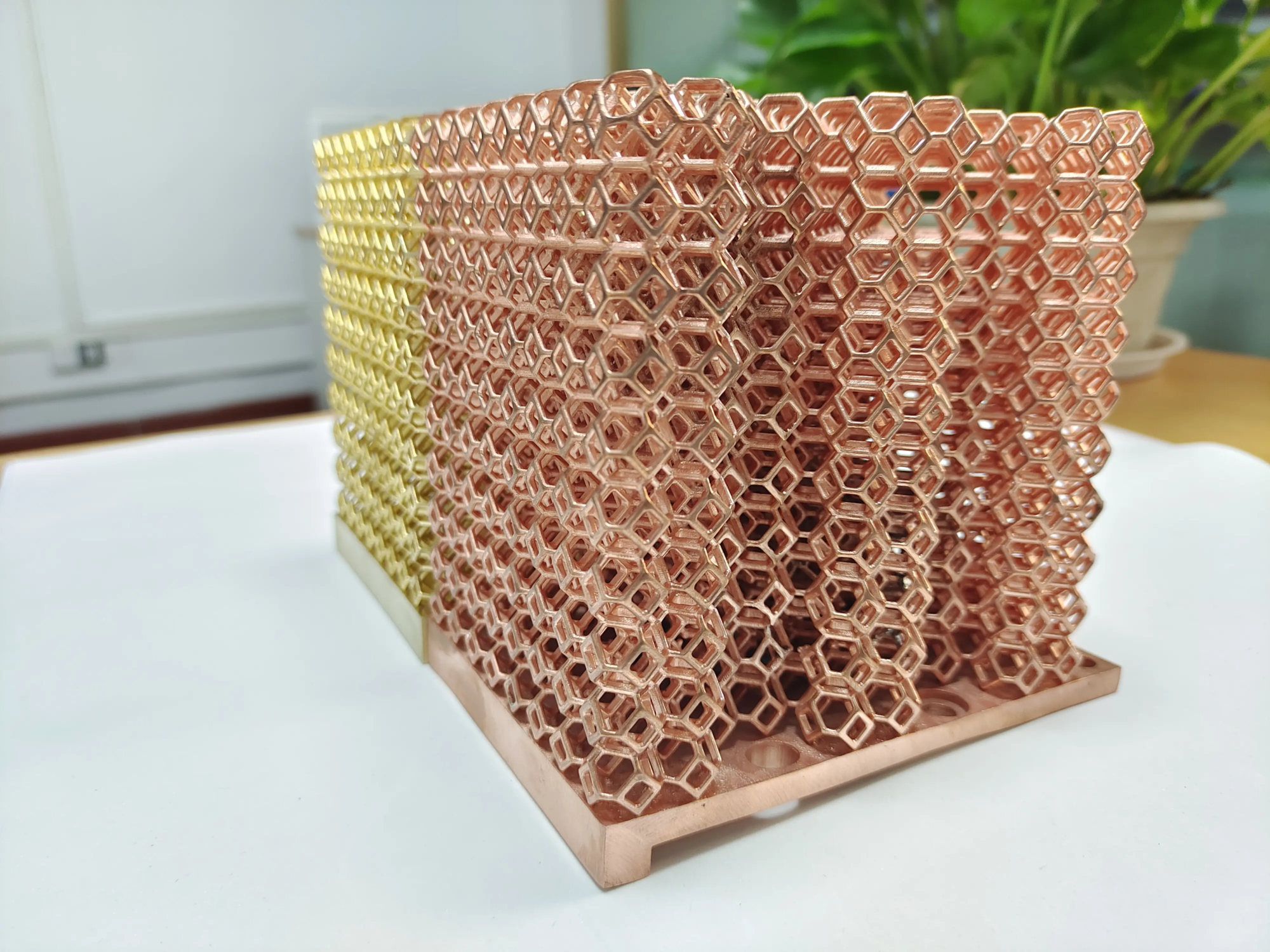
- Prototyping: Service providers like GreatLight utilize advanced SLM (selective laser melting) 3D printers and CNC machining to create prototypes of grips, accessory mounts (lights/lasers), recoil spring guides, magazine floors, triggers (internal structures may be sensitive depending on specific function), sight housings, slide-mount optics, holster bodies, or jigs/fixtures for firearm assembly/testing. These parts do not constitute a regulated firearm.
- Testing and development: Create components to test new materials, ergonomics, or assembly processes without producing regulated items.
- custom made: Non-functional or unregulated functional accessories.
- Strict control: Reputable prototype companies like GreatLight implement strict internal controls Preventing the illegal manufacture of firearms or firearms/firearms. This includes a thorough review of project intent, a clear contract outlining permitted uses, and the rejection of projects that violate firearms frame/undercarriage related regulations without proper licensing and UFA compliance. They are used only for legitimate industrial, sporting (non-regulated parts) and OEM purposes.
Can you legally print a Glock yourself? Key considerations
Technically, federal law allows private manufacture of firearms (including Glocks) only if:
- it is For personal use only (Sale, gift, etc. are prohibited).
- Who are you Not a banned person.
- Finished firearms Comply with UFA standards (Detection of essential metal content).
- Finished firearms comply with National Futures Association.
- you comply with All applicable state and local laws (Possibly a complete ban on owning/manufacturing unserialized firearms or requiring serialization).
- Production is not intended to escape serialization (a focus of recent work by the ATF).
Crucially, Downloading the STL file for the Glock lower and sending it to a commercial 3D printing service such as GreatLight and having them print it for you would constitute illegal manufacturing by that service unless they hold an FFL. Personal manufacturing generally refers to printing on your own device.
Conclusion: Responsibility is not optional
The ability to 3D print gun components such as the Glock represents a major technological leap that comes with equally important legal and ethical responsibilities. The situation is complex, defined by federal laws (GCA, NFA, UFA) and increasingly stringent state governments "ghost gun" Regulations and profound responsibilities. Ignorance is not a defense.
Key points:
- Printing reduces regulated firearms under federal law.
- strictly adhere to Unable to detect gun laws (Metal content is non-negotiable).
- Personal Manufacturing Limited: No sale/distribution permitted; personal use only.
- National law has supremacy: They could be stricter and ban unserialized versions outright. Study carefully.
- Licensed manufacturers only: Professional services such as GreatLight require FFL for frame conditioning/lowering. They expertly serve OEMs’ legal prototyping and manufacturing needs Unregulated Components are manufactured through advanced metal SLM printing and precision machining.
- Get expert guidance: Before beginning any project involving printed firearm components, consult with a knowledgeable firearms attorney who is familiar with federal law and your state/local regulations.
The potential of additive manufacturing is huge and positive. Leveraging professional services like GreatLight ensures you can innovate legally and safely when prototyping firearm accessories. Always prioritize compliance and responsible innovation.
Frequently Asked Questions (FAQ)
Q1: Is it legal to print Glock lower receivers at home?
one: Under federal law, it is possible only If it is for your personal use, you are not a prohibited person, you have enough metal embedded to comply with the Undetectable Firearms Act (UFA), and ultimately the firearm complies with the NFA and is fully compliant all Applicable state and local laws. Many states now prohibit possession/manufacturing of unserialized "ghost gun," Make federal subsidies irrelevant in these jurisdictions.
Q2: Will the printed Glock degrade? have Want to serialize?
one: Under federal law, personally manufactured firearms do not need to be serialized if Made purely for personal use and not for sale/distribution. However, Many states now mandate serialization all Firearms, including homemade firearms. Start by checking the laws in your state. Licensed manufacturers must serialize all firearms.
Question 3: How much metal do I need to add to the print base to make it legal under UFA?
one: Although the law specifies detection thresholds rather than precise weights, ATF has traditionally used ≥ 3.7 oz Type 17-4 PH Stainless Steel Incorporated into the design as a baseline. This piece of metal must A permanent or structural component (not easily removable) that is integral to the function of the firearm and allows inspection by metal detectors and X-rays in the disassembled state. Please consult an ATF ruling or an attorney for specific design verification, but caution and integration during printing is critical.
Q4: Can I legally purchase or download the CAD files (STL) for the Glock lower?
one: Under federal law, it is generally not illegal to simply purchase or download a file. However, What are you Do Documentation is important. It is illegal to use these documents to illegally manufacture a firearm (e.g., in violation of the UFA, state law, or with intent to sell). Additionally, international distribution of files may violate ITAR export controls. Some states may have specific laws regarding firearm CAD files.
Q5: Can GreatLight print a Glock lower for me?
A: No, GreatLight cannot legally print functional Glock lower barrels (frames/receivers) for individuals or entities unless they hold the specific Federal Firearms License (FFL Type 07 – Manufacturer) required for firearm production and ensure strict UFA compliance. Gretel Professional