Embracing the Slow Lane: Mastering 3D Sloth Design for Perfect Printing
There’s something universally endearing about sloths—their calm expressions, languid movements, and signature curled paws make them irresistible subjects for 3D printing. Whether you’re making a whimsical desk companion, a detailed sculpture, or a functional prototype, designing a sloth for 3D printing requires thoughtful planning. Below, we share advanced strategies to ensure your sloth prints capture every nuance perfectly.
1. Anatomical Accuracy: Basic Modeling
Sloths defy typical mammal proportions. Capturing its essence depends on:
- Limb proportions: Emphasize the slender arms (twice the length of the torso) and curved claws. Model the claws as smooth, solid volumes to avoid brittle tips.
- Facial structure: Focus on the subtle upturn of the mouth and the almond-shaped eyes. Use a reference grid to maintain symmetry.
- Nuances of Muscle Tissue: Gentle grooves are integrated along the limbs and shoulders to evoke muscular contours but without geometric roughness.
Pro tip: Start with a low poly form in Blender or Fusion 360, then subdivide to get organic details. Avoid edges that are too sharp—the silhouette of the sloth is soft and rounded.
2. Geometry optimization: ensuring printability
Balancing aesthetics and structural integrity is critical:
- Hollowing strategy: Sloth bodies are ideal for partial hollowing. Use Autodesk Meshmixer’s Cavity tool to hollow out the torso (≥3mm wall thickness), keeping the limbs solid to enhance claw strength.
- Drape Management: Place limbs strategically. Arms hanging downward minimize support; limbs extending horizontally require tree support for clean separation.
- Interface layer: Gapyeong "contact pad" in curled paws or feet. This provides a stable base-to-build plate connection, reducing the risk of warping.
3. Surface details: texture and fur
Simulate fur without compromising printability:
- Low relief texture: The fur pattern was carved into shallow grooves (<0.3mm depth) using a bump map that was converted to sculpted detail. Avoid rope-like protrusions—they can break.
- Directional flow: Sculpt texture lines along the contours of the body (head to back, shoulders to hands). This reflects true hair growth and minimizes jagged layer lines.
- Range sensitivity: For miniatures (under 10 cm), simplify textures. Save high-detail furs for large-format prints so the layers don’t obscure nuances.
4. Dynamic poses
Static sloth? no way. Leverage to improve printing success rate:
- Classic suspension: Claws grasping branches (whole model). Branch acts as a support anchor – best suited for resin/directional SLS printing.
- Curly nap position: The chamber limbs are close to the body. This reduces overhang and stabilizes the center of gravity.
- Stability check: Run the centroid simulation in Netfabb. If unstable, flatten feet or embed discreet base plates.
5. Material Intelligence
The purpose of the sloth dictates the choice of materials:
- Polylactic acid/polyester: Best for Beginners – Forgiving Drape. Cover layer lines with matte PLA; bring a vibrant paint finish.
- Resin (SLA/MSLA): Capture microscopic details like paw wrinkles. Flexible resin was chosen to create the bendable limbs.
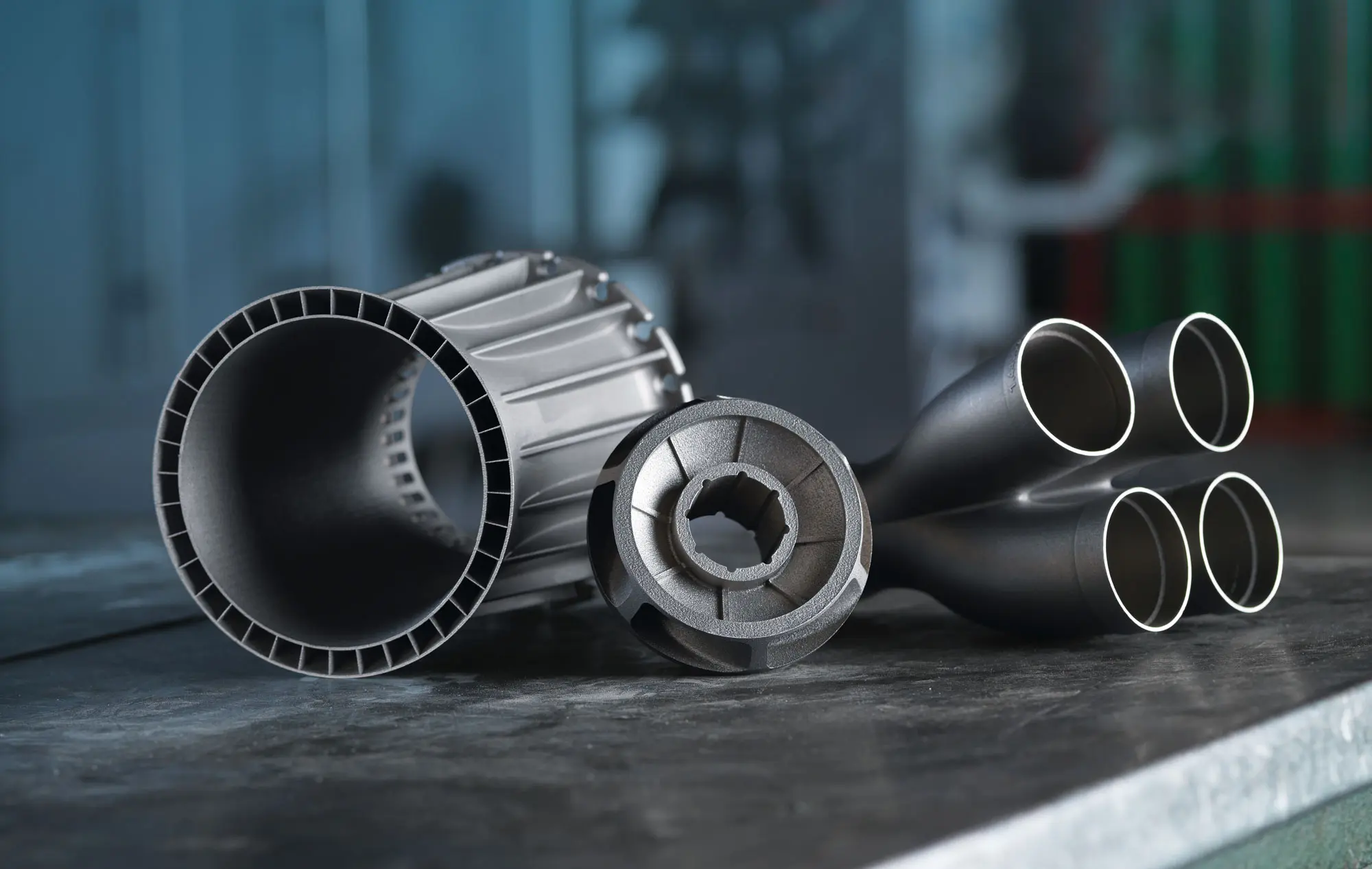
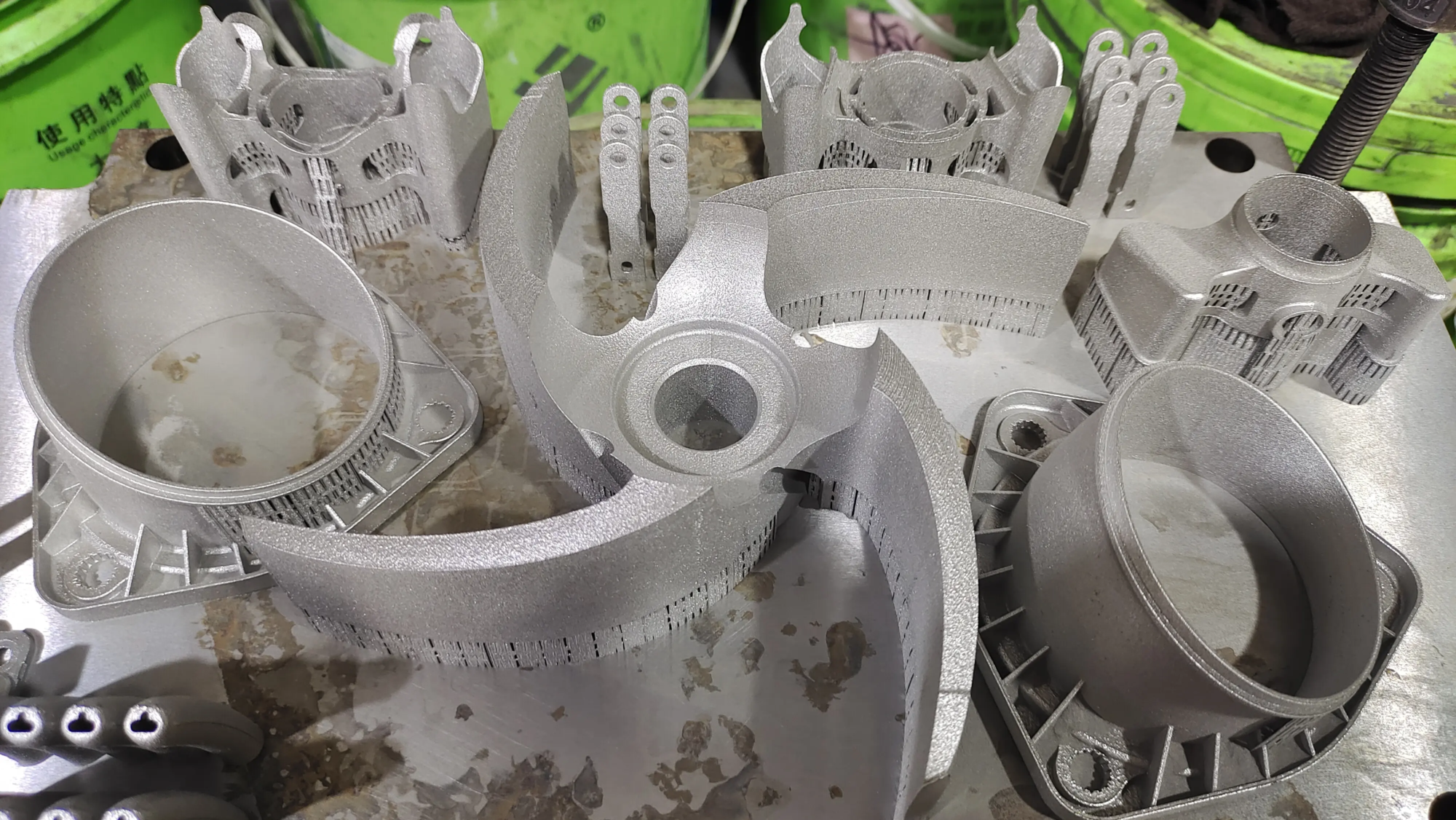
- Metal (SLM): Ideal for industrial prototypes requiring durability. Stainless steel or aluminum alloys enable complex hollow geometries without compromising strength, making them ideal for scalable designs.
Great Light Insight: Our SLM printer achieved <0.05 mm tolerance on metal sloth prototypes. Integrated stress simulation ensures that limb joints withstand functional testing – critical for automotive or robotic use cases.
6. Post-processing integration
design for finishing:
- Support for markup mitigation: Place supports in low-visibility areas—under limbs or behind ears.
- Sand sensitive surfaces: Avoid deep gaps near joints; gentle curves make it easier to wet sand evenly.
- Metals-specific strategies: For SLM-printed sloths, design thickened attachment points to withstand sandblasting. Electropolishing provides organic