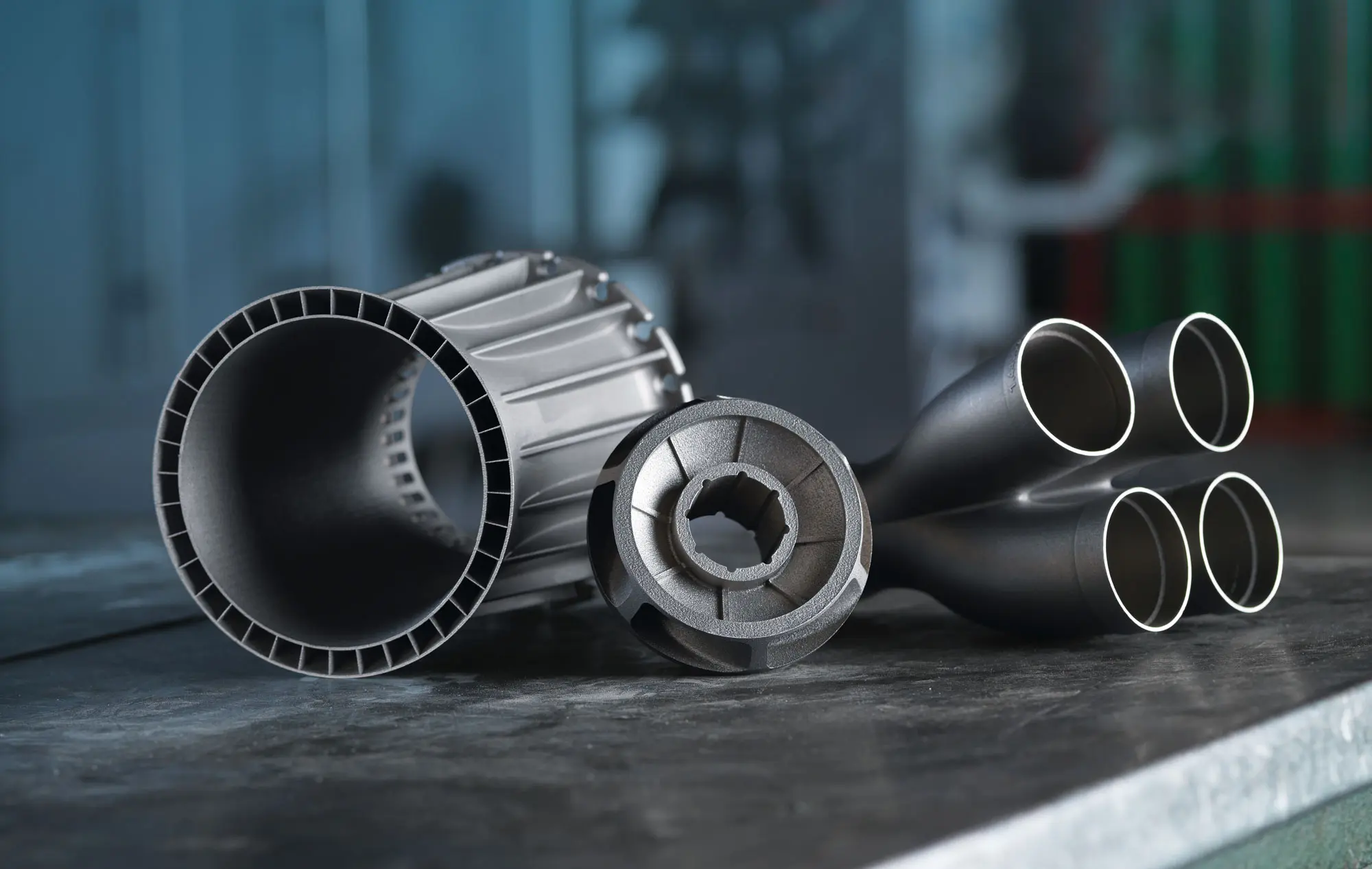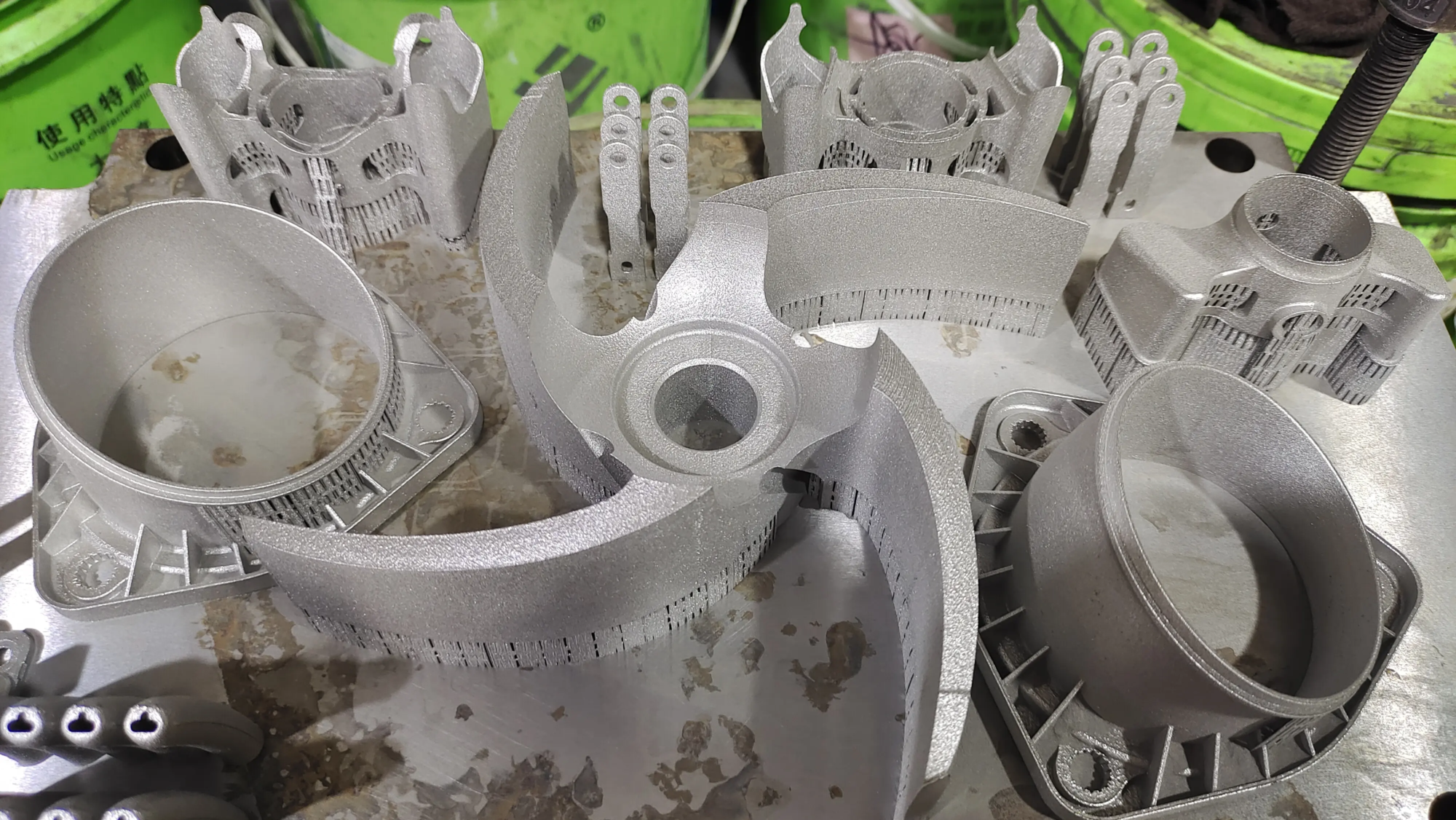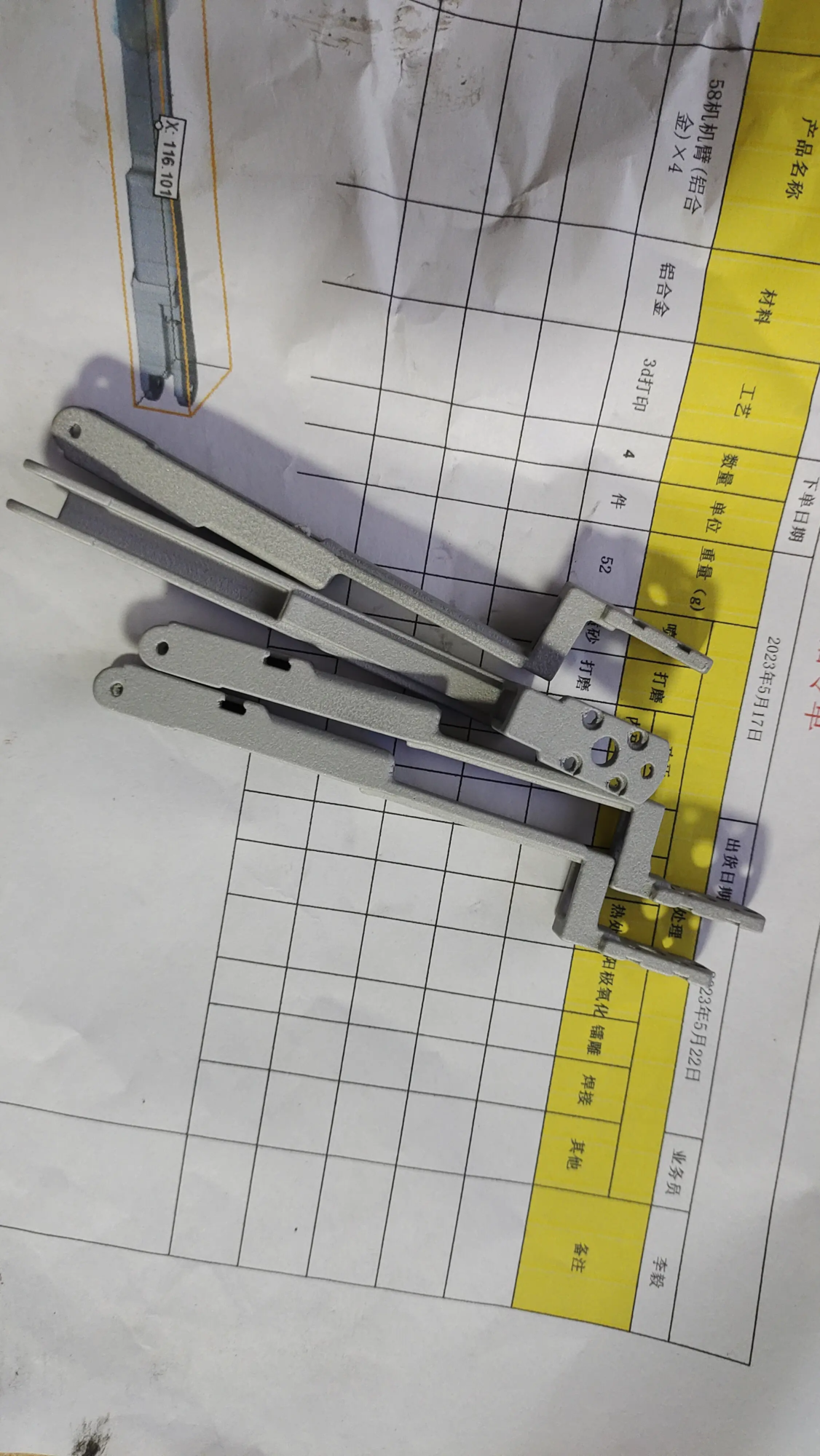
introduce
Imagine a mythical dragon with movable limbs, wings and tail, all 3D printed from gleaming metal. Articulated models like this blend artistry and engineering, appealing to enthusiasts, designers, and engineers alike. While printable dragons usually come in plastic form, this one pushes the boundaries Metal 3D printing Transform them into durable, precision workpieces. This guide unveils the journey from digital design to physical marvel, harnessing the power of advanced prototyping to bring your dragon to life.
Why print a moving dragon?
Beyond its sheer novelty, Articosaurus demonstrates the pinnacle of additive manufacturing. Every part—neck, claws, wings—had to snap together seamlessly while maintaining flexibility. This tests design accuracy, material resiliency and printer functionality. For engineers, it’s validating functional prototypes of robots or components; for artists, it’s kinetic sculptures. Metal variant adds durability: imagine a stainless steel dragon that survives shaky plastic drops, high temperatures, or industrial environments.
technical barriers
Success depends on meeting three challenges:
-
design complexity:
- Articulated models rely on optimized joint tolerances—too loose and parts will fall off; too loose and parts will fall off; too loose and parts will fall off. Too tight and they will grab.
- Software such as Fusion 360 or Blender require precise gap settings (for example, 0.2–0.5 mm between moving parts).
- Overhangs exceeding 45° usually require support and risk damage when removed.
-
Materials Science:
- Metals such as titanium, stainless steel or aluminum alloys have strength but require specialized handling.
- Without proper annealing, thermal stress during printing can deform thin joints.
- Printing accuracy:
- The layer height is ≤50 microns to ensure smooth jointing.
- Low-angle support minimizes scarring on curved surfaces.
Step-by-Step Guide to Metal Printing
1. File optimization
Start with a proven design (for example, from Thingiverse). For metal printing:
- Scale adjustment: If the hinge is too fragile, enlarge the part.
- Wall thickness thickening: Add 0.1–0.3mm on thin slices such as claws to prevent crisping.
- Support strategy: Use mesh supports only on critical overhang sections to facilitate removal.
2. Printer configuration
SLM (Selective Laser Melting) technology excels in:
- High-power lasers melt metal powder layer by layer, combining molecules to achieve a dense, stable output.
- Parameters vary from alloy to alloy: titanium requires an inert atmosphere; steel requires slower cooling.
Pro Tips: Gretel SL