

Digging into the future: How 3D printing is revolutionizing paleontology with fossil replicas
Imagine holding a Tyrannosaurus Rex Hold the tooth in your hand, examine the intricate cracks and jagged teeth, and feel the magnitude of its power. Now imagine doing this without entering a vault-like museum collection or risking damage to priceless originals worth millions of years. This is the reality born at the intersection of cutting-edge technology and ancient history: Printed Dinosaurs – a world of 3D printed fossil replicas.
Beyond the Cast: The Digital Resurrection of Dinosaurs
For decades, museums relied on plaster or resin casts to create replicas of fossils. While these methods are valuable, they are often laborious, have limitations in capturing fine detail, and may degrade over time. Enter additive manufacturing, aka 3D printing. This technology fundamentally changes the landscape, delivering unparalleled accuracy, scalability and versatility.
The journey from rock to replica: digital paleontology workflow
-
Digital past: The first is to create a perfect digital twin of the original fossil.
- Laser scanning: High-resolution lasers capture millions of data points that represent the geometry of an object’s surface.
- Structured light scanning: Light patterns are projected onto the fossil; the distortions captured by the camera create precise 3D data.
- Photogrammetry: Specialized software uses dozens or hundreds of photos from different angles to reconstruct detailed 3D models. This is often surprisingly easy to implement.
- Computed tomography (CT scan): For the internal structure! X-ray CT scans, often used on fossils still encased in a rocky matrix, can reveal invisible details such as internal cavities, bone density and pathology. This data powers printable models that reveal structures not visible from the outside.
-
Shape digital models: Raw scanned data is not always printable. Skilled technicians use 3D modeling software to:
- Fix scanning flaws or vulnerabilities.
- Digitization "Prepare" By digitally separating the skeleton (virtual preparation), the fossil remains embedded in the rock.
- Manipulate, scale, or mirror elements (for example, create a complete bone from one complete side).
- Segment CT data to isolate specific bones or structures.
-
Choose the right tool: Choosing the best 3D printing technology depends on the purpose of the replica:
- Stereolithography (SLA) and Digital Light Processing (DLP): Resin printers produce extremely smooth surfaces and high detail, making them ideal for museum displays that require visual fidelity and refined features.
- Material jetting (PolyJet): Multi-material printing enables the combination of color and material properties in a single print, making it ideal for anatomical teaching models that highlight different bone densities or pathologies.
- Fused Deposition Modeling (FDM): It’s more affordable to use plastic wire. Best suited for large, sturdy reproductions where ultra-fine details are secondary (e.g. playground sculptures, large exhibition elements).
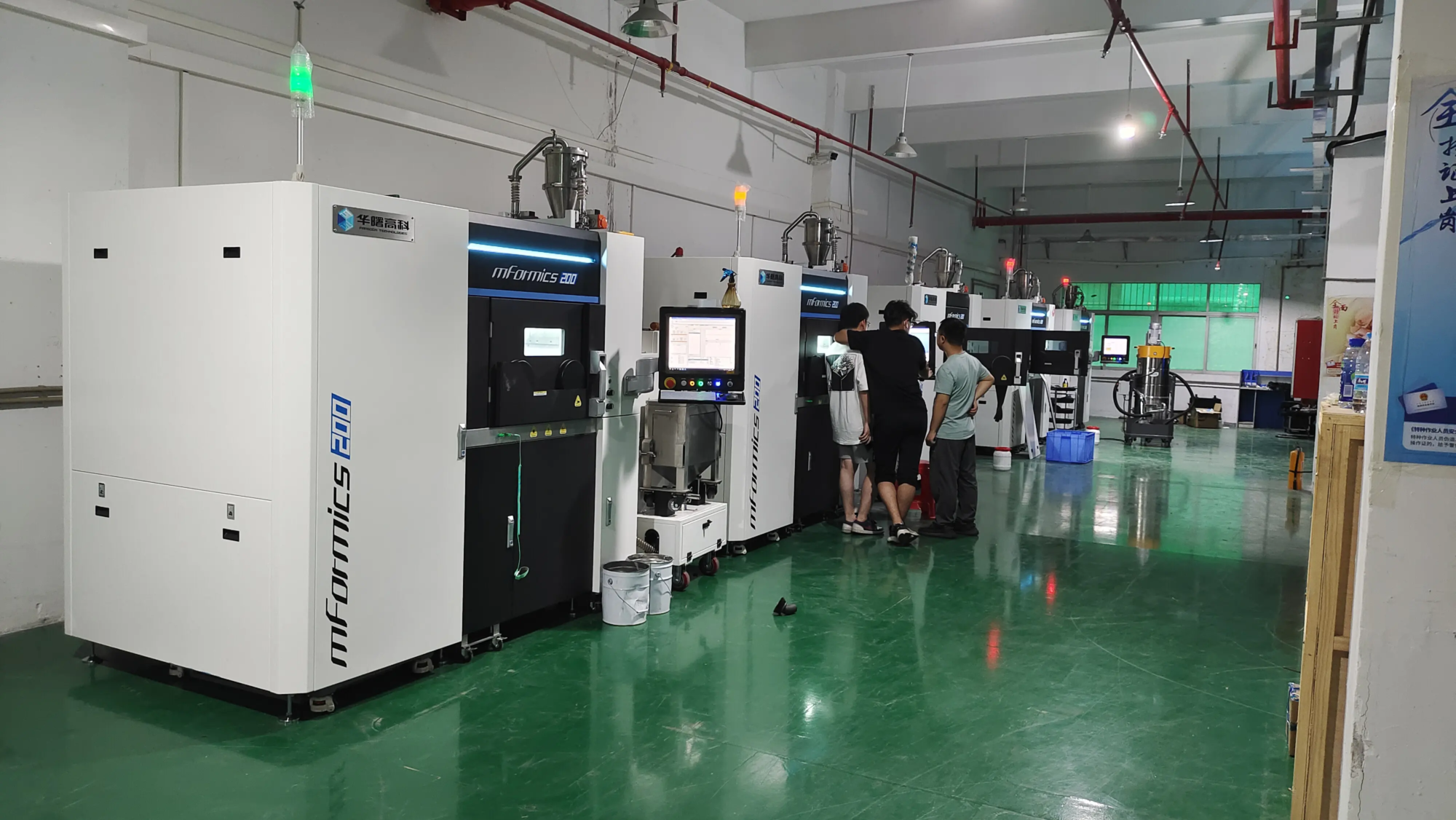
- Selective Laser Sintering (SLS) and Multi-Jet Melting (MJF): Use nylon powder to create durable functional parts. Ideal for reproductions requiring high impact resistance or detailed interlocking components.
- Industrial metal printing (SLM/DMLS): Ideal for unique scenarios requiring metal strength and performance (see GreatLight below).
-
Material matters: The physical properties of the printed replica are very important:
- Resin: From brittle high-detail resins to tougher engineered resins that mimic the feel of bone.
- Nylon (SLS/MJF): Offers excellent durability and slight flexibility.
- Filament (FDM): PLA (plain), ABS (tougher), PETG (durable and chemical resistant).
- Metal: Stainless steel, titanium, aluminum and more, providing unique strength and durability.
- Is the choice driven by use cases: display, operation, tactile learning, functional testing, outdoor installation?
- Post-processing and finishing: Printed objects typically require:
- Support deletion.
- Sand, prime and paint for realistic colors and textures that replicate rock matrix or bone patina.
- Assembly of complex skeletons in printed parts.
- Apply protective coatings to increase durability or UV resistance.
Why "print dinosaur"? transformative impact
The applications for 3D printed fossil replicas are wide-ranging and transformative:
- Revolutionize museum exhibits: create drama "skeleton" Installation does not put stress on fragile originals. Building tactile displays for visually impaired visitors. Display fossils from far away continents. Digitally and physically reconstruct fragmented specimens.
- Advancing research: Enables scientists around the world to access exact replicas via downloadable files. Generate actionable models for biomechanical studies such as bite force analysis. Test hypotheses about replicating bones risk-free. Share rare specimens now.
- Enhance STEM education: Distribute affordable bone and track replicas to classrooms. Allows students to assemble skeletons and manipulate true-to-scale models. Print fossils that specifically illustrate anatomy concepts. Accelerate distance learning participation.
- Promote fossil conservation: Digitally archive fragile specimens before they degrade. Providing reproductions and protecting originals for processing-intensive publicity. Create backups to protect against potential damage or loss.
- Business and Creative Applications: Retail Collectibles, Film/TV Props, Unique Educational Kits, Personalized Tabletop Sculptures


