

A life-saving revolution: How 3D printed prosthetics are changing the future
For centuries, prosthetics have been a symbol of compromise—often bulky, uncomfortable, expensive, and difficult to obtain. They provide basic functionality but rarely restore true independence or dignity. Today, a technological revolution powered by 3D printing is removing these barriers, transforming prosthetics from necessary devices into lifelines of possibility, empowerment and, yes, even life-saving in profound ways.
Beyond mobility: Dimensions that save lives
While restoring movement is crucial, the life-saving benefits of 3D printed prosthetics go even deeper:
- Fighting infections in conflict zones: In war-torn areas, access to traditional prosthetics is limited. Traditional socket prostheses are ill-fitting and unhygienic in harsh conditions and can lead to debilitating skin infections that can be life-threatening. Custom 3D printed sockets fit perfectly, minimizing friction and pressure points, greatly reducing the risk of infection and providing vital mobility for survival and escape.
- Prevent amputation complications: For children in developing countries with congenital limb differences or amputees, prolonged immobility due to a lack of suitable prostheses can lead to severe muscle atrophy, joint contractures, chronic pain, and secondary health complications. Rapidly produced, personalized 3D prostheses can allow early return to movement and prevent these cascading health problems.
- Mental Health and Survival: The psychological impact of limb loss is huge and is linked to depression, anxiety and, unfortunately, an increased risk of suicide. Obtaining a functional, aesthetically pleasing prosthetic limb (often customizable in color and shape) can foster self-esteem, enable social interaction, and facilitate return to work or education. This restoration of purpose and identity fundamentally saves lives and rebuilds the will to thrive.
- Emergency response: Natural disasters often leave survivors traumatized. Rapid deployment of lightweight 3D printers to field hospitals can instantly customize and produce necessary prosthetics, bypassing disrupted supply chains and providing critical mobility faster than ever before, improving survival odds and recovery outcomes.
Why 3D printing is a game changer
Traditional prosthetic limb manufacturing is slow, costly and restricted by geography. 3D printing (additive manufacturing) turns this on its head:
- Customization and fit like never before: Using 3D scans of the residual limb, a prosthetic limb is tailored to the individual’s unique anatomy. This eliminates painful pressure points, maximizing comfort and functionality – essential for long-term wear and preventing skin breakdown.
- Drastically reduce costs: Printed prosthetics can significantly reduce production costs compared to machined or molded alternatives. Materials are used efficiently, manual labor is reduced, and the added expense of complex geometries is minimized. This makes life-changing devices affordable across the globe.
- Fast delivery: From scan to completed device can take days, not weeks or months. This quick turnaround is critical, especially for children who will soon outgrow their prosthetics or for individuals who need emergency solutions after trauma.
- Design freedom: 3D printing enables complex, lightweight structures not possible with traditional methods. This allows functional designs to be optimized for strength-to-weight ratio, breathability, and even complex mechanisms such as multi-jointed hands at an affordable price.
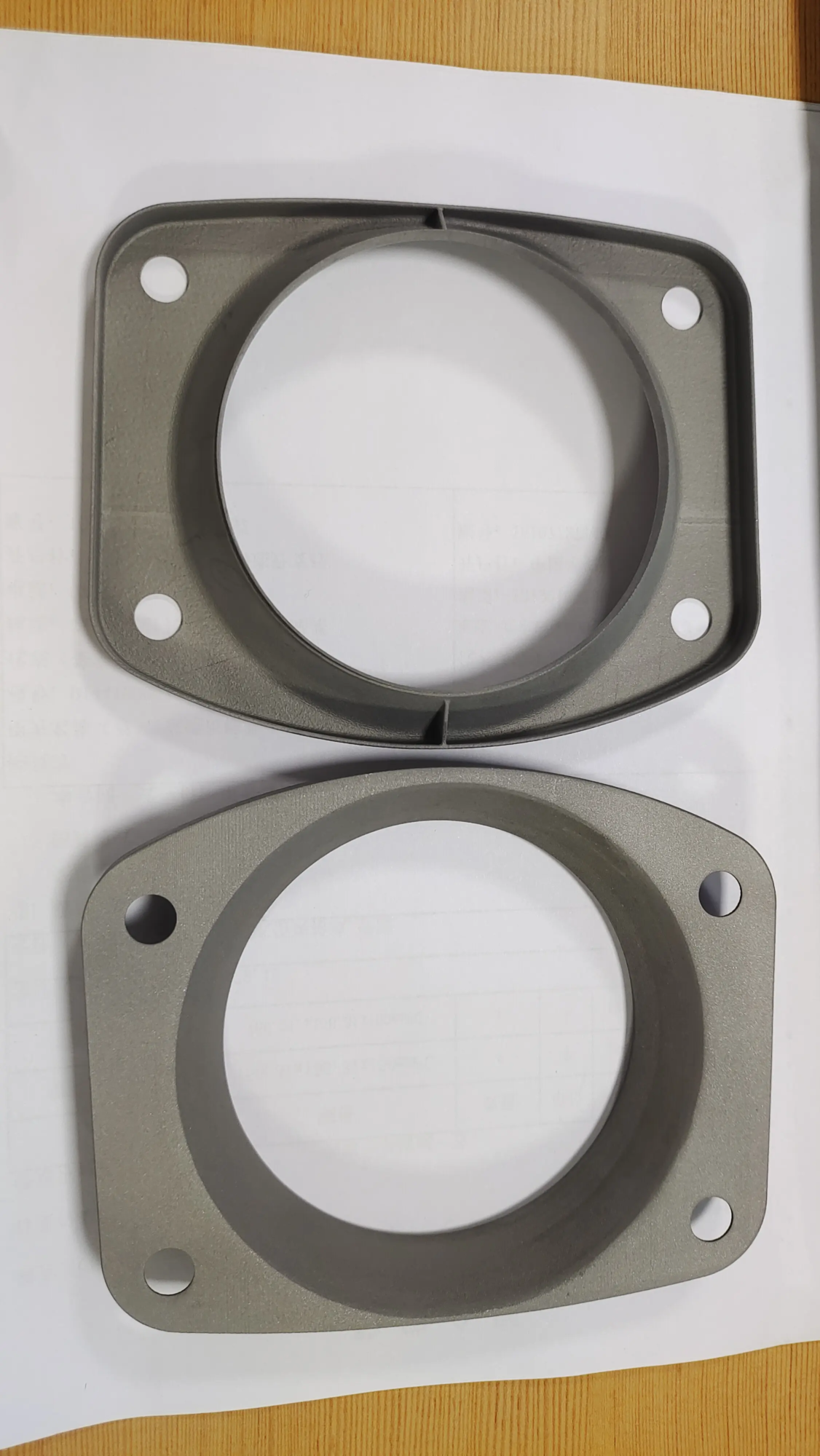
- Material Versatility: Prosthetics use advanced thermoplastics (PLA, nylon, carbon fiber composites) to create lightweight, durable sockets and limbs. Crucially, metal parts – Hinges, joints, connectors and structural reinforcements requiring exceptional strength and precision – produced using the following technologies Selective Laser Melting (SLM). These metal components are critical to the durability and load-bearing capacity of high-performance prosthetics.
The role of advanced manufacturing partners
Realizing the full life-saving potential of 3D printed prosthetics relies heavily on advanced manufacturing capabilities, especially strong metal components. This is where a professional rapid prototyping and manufacturing partner is indispensable. company likes huge lightutilizing advanced SLM 3D printing technology and comprehensive post-processing/finishing services to solve key challenges:
- Complex metal parts: They produce complex titanium or stainless steel components that are critical to strong, long-lasting prosthetic joints, braces and internal structures that can withstand daily wear and tear.
- Accuracy and reliability: High-end printers ensure the dimensional accuracy and material consistency required for functional prosthetics, integrating seamlessly with biocompatible sockets and assistive technology.
- Materials expertise: Use medical-grade or implantable alloys as critical metal elements for safer, longer-lasting solutions.
- Speed up production: Their core capabilities in rapid prototyping translate into faster iterations during the prosthetic design verification process and faster production of final metal hardware, which is critical to project timelines.
- End-to-end solution: Providing finishing services (smoothing, polishing, sterilization-compatible coatings) ensures that the part is not only printed, but also functional, safe, and ready to be integrated into the final prosthetic device. This feature is available for Customized precision machining and rapid metal prototyping It is the basis for advancing prosthetic technology.
Challenges and the way forward
This field is constantly evolving:
- Materials Science: Expand options for biocompatible and durable materials, especially for long-term implant interfaces or high-flexion joints


