The Dawn of Digital Fabrication Light: Exploring the Revolutionary World of Printed Stained Glass
For centuries, stained glass has fascinated humans with its dazzling interplay of light and color, turning buildings into stunning canvases for storytelling and spirituality. Traditionally, this complex art form requires considerable skill, time and rigorous craftsmanship, including cutting, painting, firing and assembling countless pieces of stained glass. Today, an extraordinary fusion of art and engineering is reinventing this ancient craft: printed stained glass.
This emerging technology utilizes advanced materials science and sophisticated printing techniques to create stunning translucent panels that mimic and sometimes surpass the luminous beauty of traditional stained glass. Let’s delve deeper into this fascinating innovation.
Technology Revealed: How Printed Colored Glass Works
Printing stained glass is more than just ink on the glass. It represents a sophisticated method of embedding color and texture within or on a transparent substrate:
- Advanced substrate: Instead of hand-cut sheets of colored glass, the base is made from high-performance, crystal-clear materials such as acrylic (PMMA), polycarbonate or specialized optically clear polymers.
- Precision printing technology: Using state-of-the-art printers:
- UV curable inkjet printing: High-resolution inkjet printers deposit ultra-fine layers of translucent, UV-resistant ink directly onto the substrate surface. Multiple layers enhance color depth and intensity. The ink is instantly cured (hardened) using UV light.
- Sublimation printing: Dye is transferred Enter A special polymer substrate using heat and pressure to embed extremely durable, fade-resistant color into the material itself.
- Printing on the back: The design is printed on back Clear panels before lamination or coating. This protects the printed image while allowing light to pass through the panel and illuminate the design.
- Lamination and integration: The printed layer is often laminated with a protective film or sheet for added durability and UV resistance. The edges are finished and the panels are integrated into the same frame or mounting system as traditional glass.
Why print stained glass? Compelling Advantages
This technology offers transformative advantages that drive its development:
- Unparalleled design freedom and detail: Forget about the limitations of cutting glass sheets. Digital files (photos, vector art, complex patterns) can be reproduced with microscopic precision. Realistic scenes, complex gradients, subtle color changes and ultra-detailed images can all be achieved with ease. Modern artists can explore forms not possible with traditional methods.
- Speed and efficiency: Labor-intensive processes such as cutting, foiling and welding are eliminated. Once designed digitally, panels can be produced significantly faster, reducing lead times from months to days or weeks. This is revolutionary for time-sensitive construction projects and custom installations.
- Cost effectiveness: While high-end handmade glass remains irreplaceable for purists, printed alternatives offer a more accessible price point for achieving dramatic decorative effects, especially for intricate designs or large-scale projects.
- Enhanced durability and security:
- Materials like polycarbonate are inherently shatterproof and safer than traditional glass, making them ideal for homes with children, schools, high-traffic areas or safety-conscious environments.
- Advanced UV-resistant inks and coatings significantly reduce fading compared to traditional paints and enamels.
- Materials are generally lightweight and easy to install and structurally demanding.
- Easy customization and scalability: Modifying digital design files is easy. Personalizing panels with names, logos, specific images or branding becomes easy and cost-effective, even for single pieces. Replication of multi-panel installations is highly consistent.
- Simplified structure: Printed panels are typically one-piece or involve fewer bonding points than leaded or copper foil glazing, potentially simplifying fabrication and installation structures.
- Unconventional applications: Open up possibilities beyond the windows: decorative wall panels, room dividers, light box displays, signage, tabletops, modern art installations, intricate lampshades, translucent exterior cladding elements.
Integrate printed stained glass with rapid prototyping services
exist huge lightprinted stained glass offers possibilities that resonate strongly with our core expertise Advanced manufacturing and rapid prototyping. We understand the importance of precision, material integrity, and rapid iteration—principles that apply directly to pushing the boundaries of this digital art form.
- Novel design prototyping: Rapid prototyping enables artists and designers to quickly create physical models of printed stained glass panels using cost-effective materials. This enables testing of complex patterns, accurate evaluation of color combinations under different lighting conditions, and refinement of structural designs before going into full production.
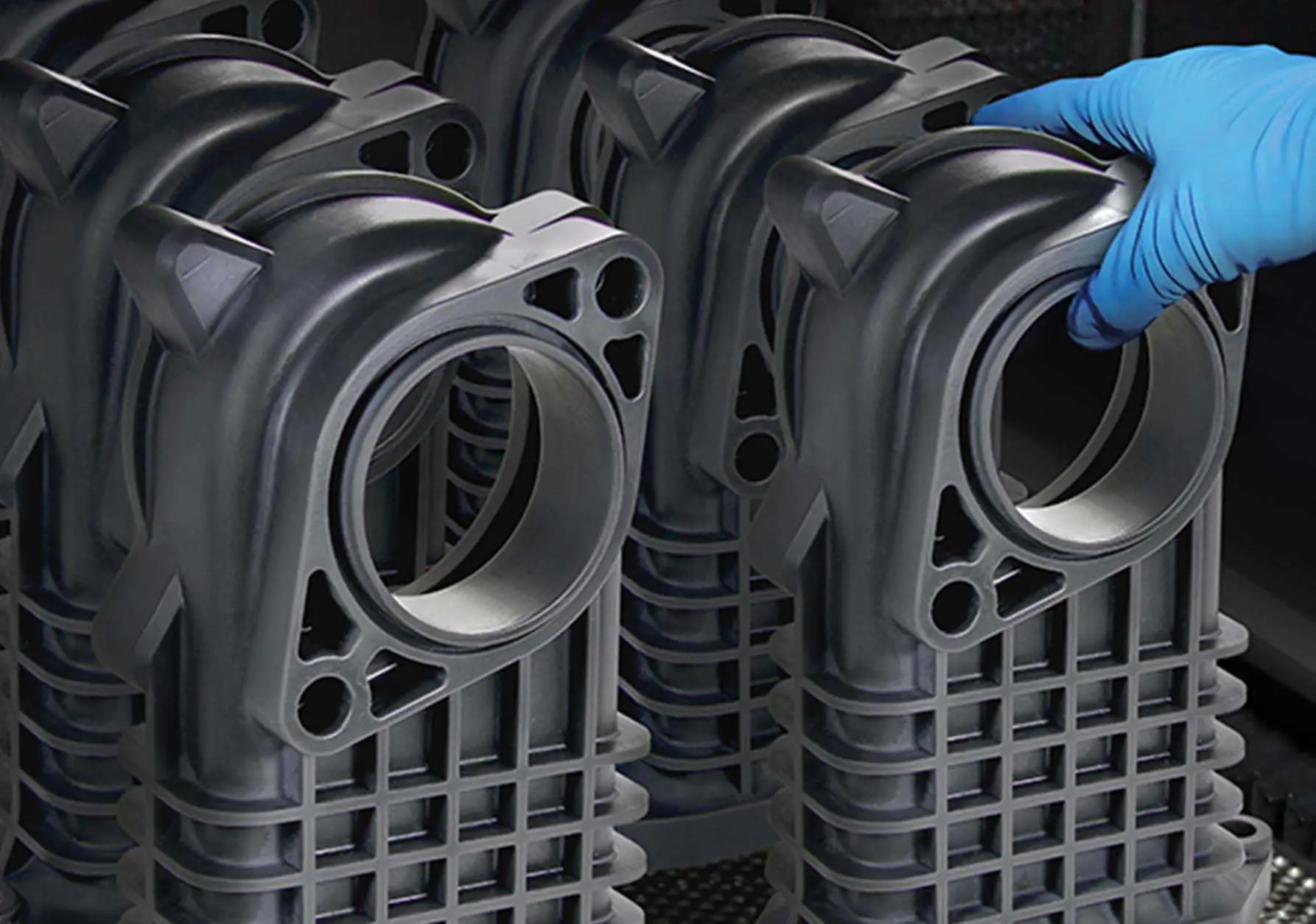
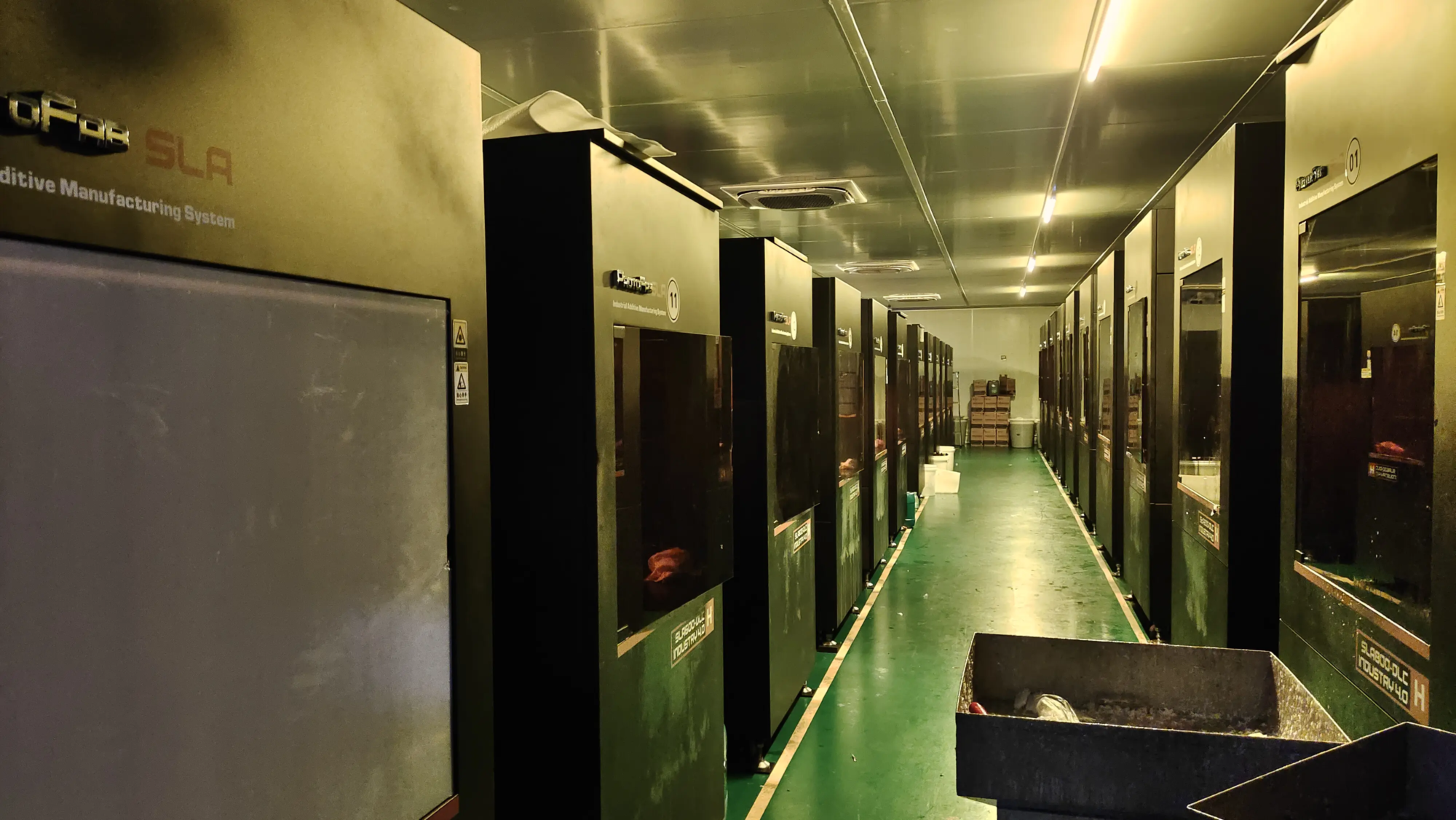
- Custom fixtures and hardware: Creating custom frames for printed panels, complex mounting brackets or integrated lighting solutions often requires custom metal or plastic components. glorious Advanced SLM 3D printing capabilities excel at producing these complex custom fixtures quickly and accurately.
- Material exploration: Rapid prototyping technology helps try out new substrates or hybrid material combinations to achieve printed translucency.
- Element integration: Printed stained glass panels can be seamlessly integrated with prototype architectural models or custom lighting fixtures developed using rapid prototyping to form complete presentation models.
Gretel: Your precision manufacturing partner
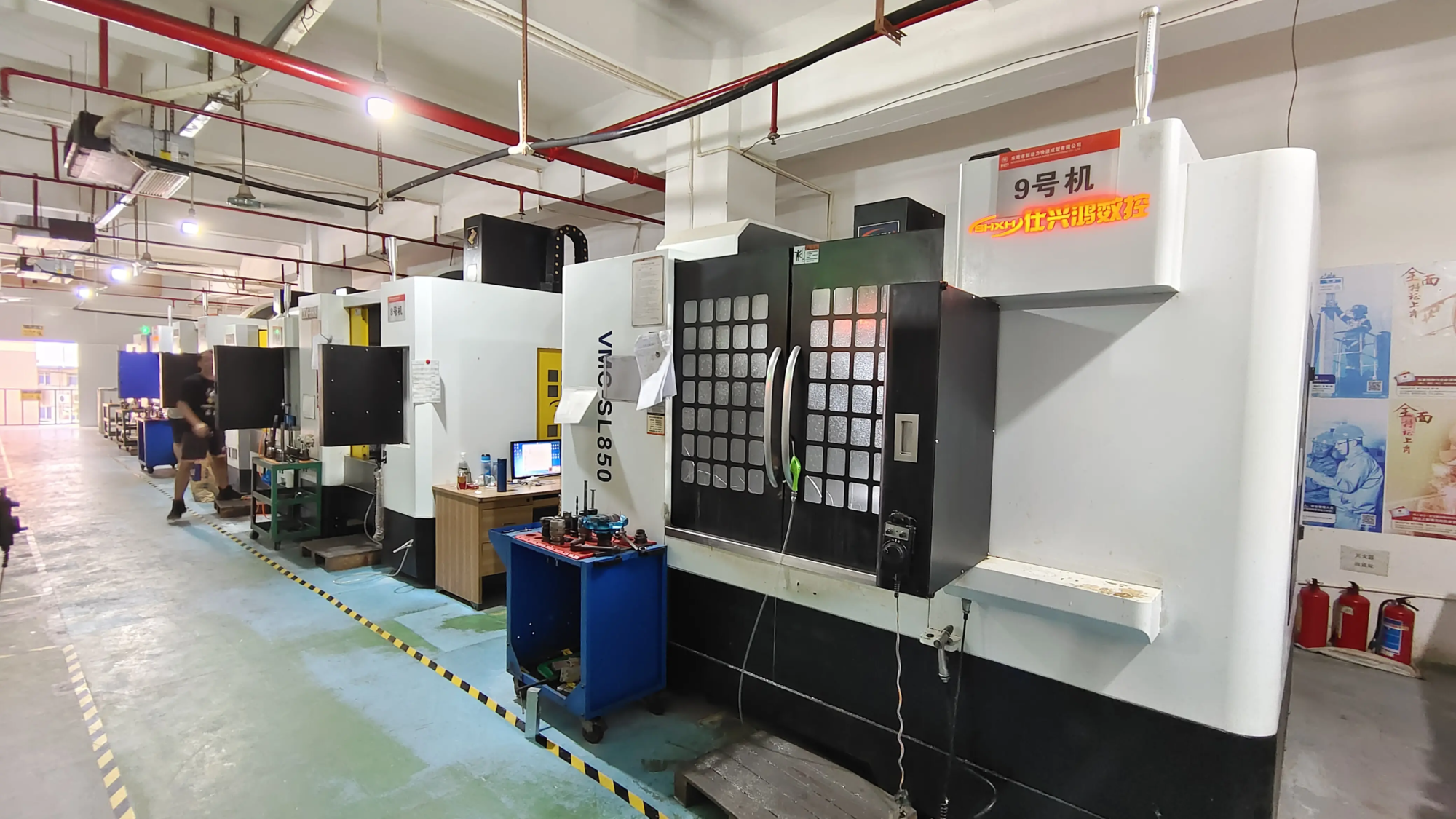
As a professional rapid prototyping manufacturer, Gretel utilizes cutting-edge technology SLM 3D printing Equipment and production technology. We specialize in solving complex metal part rapid prototyping challenges and provide comprehensive one-stop post-processing and finishing services. Whether you need complex frameworks and hardware to support your printed stained glass project, or custom rapid prototyping support to accelerate your design cycle, GreatLight can deliver tailor-made solutions at exceptional speed and competitive pricing. Most materials can be customized and machined efficiently, making us one of China’s leading rapid prototyping partners for precision custom machining needs. Customize your next demanding project with us!
Conclusion: A bright future for digital luminescence
Printed stained glass is not meant to replace the irreplaceable artistry of traditional stained glass masters. Rather, it is a powerful, complementary technology that democratizes the art of luminescence and enables possibilities that were once impractical or impossible. It combines centuries of inspiration with cutting-edge materials science and digital fabrication to create a dynamic new chapter in the story of how we shape light.
For designers, artists, architects and homeowners, it offers unprecedented creative freedom, efficiency, security and affordability. Whether recreating historical patterns, designing futuristic installations, or adding personalized beauty to everyday spaces, printed stained glass lights the way to innovative and accessible luminous art.
Experience the evolution of light. Explore the potential of printed stained glass.
Frequently Asked Questions (FAQ) about Printing Stained Glass
-
is printed stained glass "real" Stained glass?
Although it truly replicates the visual effects Influence Printing stained glass is a unique technology when it comes to stained glass. Traditional stained glass is actually made up of pieces of glass and metal of different colors joined together. Printed versions digitally embed color onto or into a single-panel transparent substrate. It achieves a similar aesthetic through modern manufacturing.
-
How durable is printed stained glass?
Modern printed stained glass panels are designed for long life. Advanced polymers (such as acrylic/polycarbonate) and UV-cured or sublimation inks are extremely resistant to fading, scratching (especially coatings) and impact. The polycarbonate version offers excellent shatter resistance. Properly manufactured and installed panels can last for decades, especially indoors.
-
Is printed stained glass suitable for outdoor use?
Yes, but the choice of material is critical. Polycarbonate is popular outdoors because of its excellent impact strength and UV resistance. It is critical to use inks specifically formulated for extreme UV exposure and integrate a protective topcoat. Make sure panels are framed correctly to handle weathering. Discuss specific environmental conditions with your manufacturer.
-
Will the color fade over time?
High-quality printed panels using UV-stabilized inks and coated substrates provide excellent fade resistance that rivals or exceeds many traditional stained glass coatings. Advances in ink chemistry continue to improve ink life. Sublimation printing infuses dye into the material and generally has the highest fade resistance.
-
Can printed glass achieve the richness and depth of traditional glass?
While printed glass creates a different aesthetic, it excels in areas where traditional glass struggles: photorealistic details, gradients, and infinite color palettes. It achieves vibrant colors and excellent translucency. Although not identical to the inherent texture and refraction of a physical piece of glass, the depth can be staggering. The quality of the results depends heavily on printer resolution, material selection, ink quality and lighting.
-
Can printed stained glass be customized?
This is one of its biggest advantages! Customization is effortless. You can print almost any digital image, pattern or design on the panel. Personalizing a name, logo, photo or creating completely unique artwork is easy and cost-effective, even for a single panel.
-
Can printed panels be used for church windows?
Absolutely. Printed stained glass is increasingly used in restoration projects where digitally replicating complex damaged sections is feasible, new construction looking for complex designs that are affordable within the budget, and applications where safety (shatterproofness) is critical. Some traditionalists prefer original techniques, but printed options offer practical and beautiful solutions.
-
How does maintenance compare to traditional stained glass?
Printed panels are easier to maintain. No individual lead will deteriorate or lose its patina, and surface cleaning usually requires only mild soap and water. Avoid abrasives. Their integral surface avoids potential dust accumulation within the joint.
-
Where can I see examples of installations?
Printed stained glass is widely used in modern homes, commercial buildings (hotel lobbies, restaurants, offices), museums (as displays or reproductions), schools, medical institutions, modern churches, public transportation stations, and incorporated into contemporary art installations around the world.
- Can GreatLight help with prototyping?
Yes! huge light Focused on quickly turning innovative concepts such as printed colored glass components into reality. We leverage our precision SLM 3D printing and finishing capabilities to provide prototyping services and test models for custom fixtures, hardware, mounting solutions. Contact us to discuss effectively transforming your unique lighting vision into a tangible prototype.