The Ultimate Guide to 3D Printing Your Own Gunpla: From File to Finished Masterpiece
The Gundam series has captivated fans for decades with its intricate mecha designs and rich lore. While traditional model kits offer a rewarding building experience, 3D printing allows for unlimited customization and even functional innovation. Whether you’re a hobbyist or a designer, making your own Gundam via 3D printing combines creativity with cutting-edge technology. This guide delves into the process—covering document sources, materials science, and technical expertise—to help you achieve stunning results.
Step 1: Obtain and optimize your 3D files
Find model:
Authentic Gundam designs are protected by copyright, but platforms such as Thingiverse, Cults3D, and MyMiniFactory host fan-created STL/OBJ files inspired by the series. To stay original, consider modifying existing files or designing your own in CAD software like Fusion 360.
Prepress preparation:
- Repair tools: Use Netfabb or Meshmixer to fix non-manifold edges, holes or invert normals.
- optimization: Hollow out parts to save material (critical for metal printing). Thicken vulnerable areas (joints, weapons) to prevent breakage.
- Modular design: Break apart large components (e.g. limbs, weapons) for easier printing and increased durability.
Pro tip: Sizing is important! 1:144 scale may require supports that exceed nozzle tolerances – for home FDM printers, increase to 1:100.
Step Two: Material and Technology Selection
For enthusiasts (plastic/resin):
- FDM (PLA/PETG): Affordable and convenient. Use PLA for static displays; PETG for articulated parts that require flexibility.
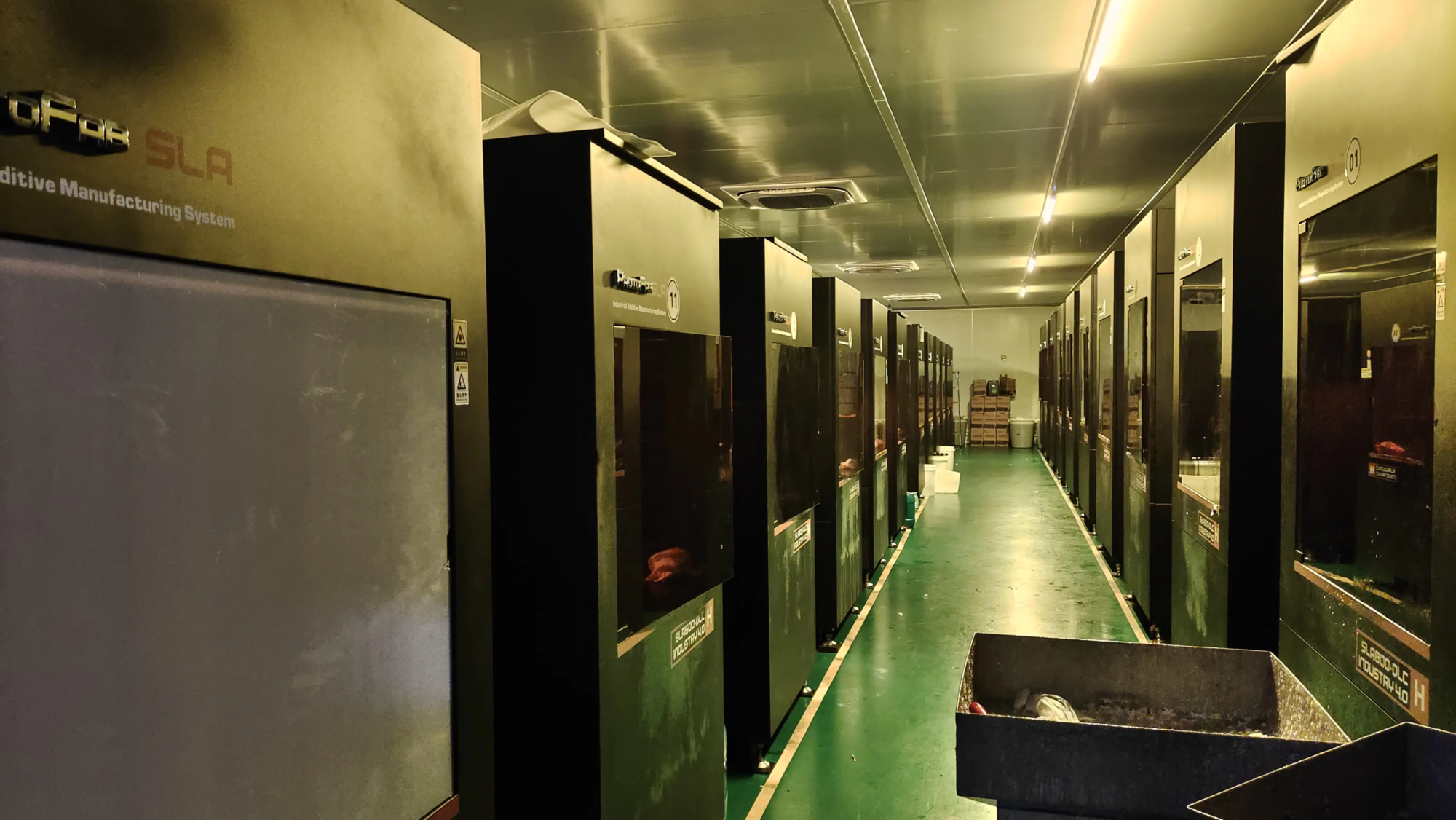
- Resin (SLA/DLP): Provides ultra-fine detail for cockpit panels or decals. Requires UV curing and ventilation.
Industrial Grade Metal (GreatLight Specialization):
For motorized joints, load-bearing limbs, or display pieces that require museum-quality weight, metal 3D printing can enhance your build:
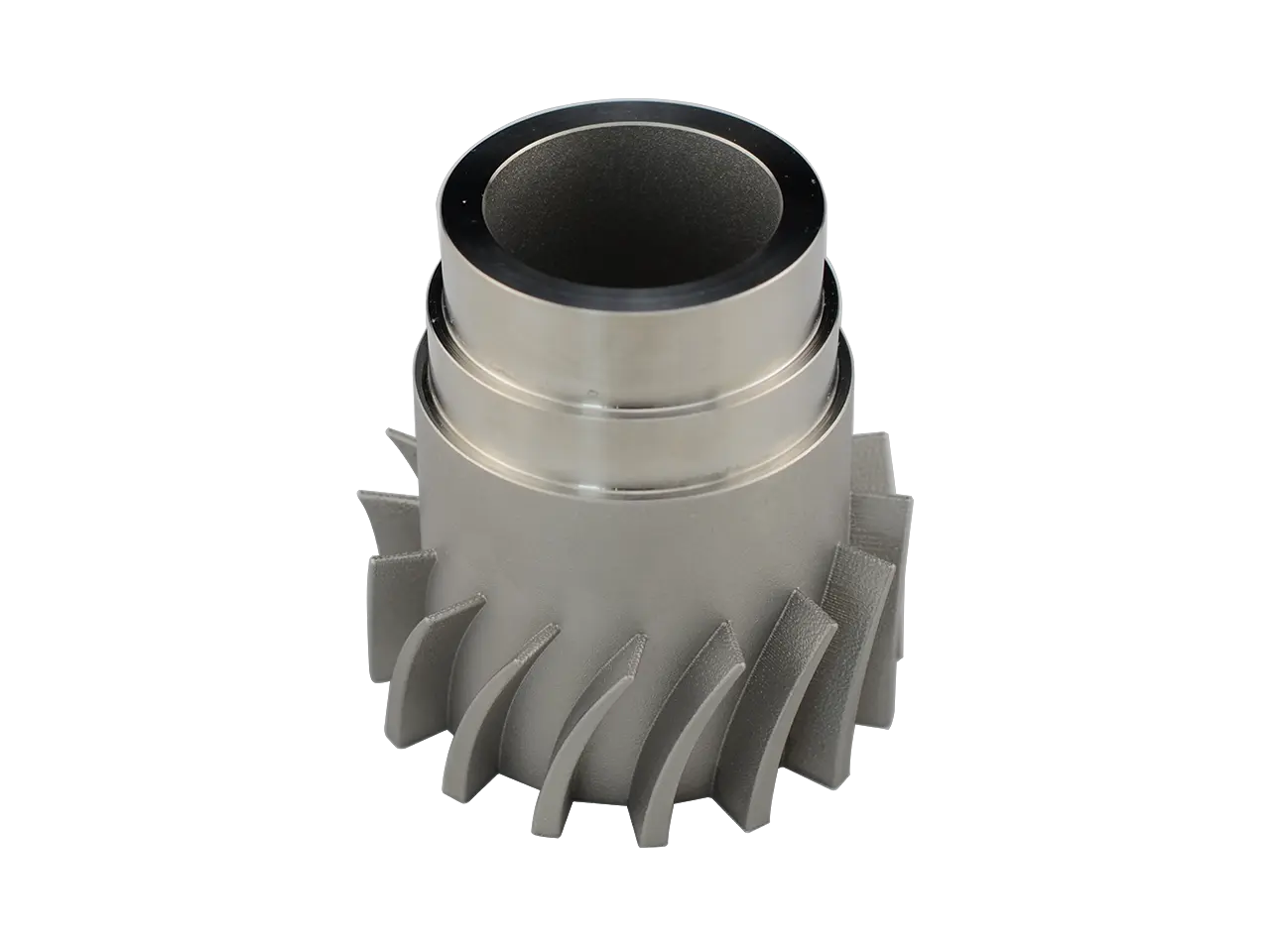
- SLM (Selective Laser Melting): Metal powders (stainless steel, titanium, aluminum) are fused layer by layer for unparalleled strength.
- Material advantages: Titanium has an aerospace-grade strength-to-weight ratio; aluminum alloy mimics the realism of a mech warrior.
- Cost efficiency: Reserve metal for stress-critical components (joints, frame connectors) to manage budget.
Step 3: Master the printing process
Home printing setup:
- support: Resin-printed tree supports minimize scarring; linear supports in FDM provide stability.
- Floor height: 0.1–0.15 mm, preserving detail resolution.
Professional SLM workflow:
At GreatLight, SLM printing takes place in an argon-controlled chamber to prevent oxidation. Our proprietary parameter optimization ensures:
- Near zero porosity (<0.3%) and structural integrity.
- The 50μm layer accuracy matches Bandai’s injection molding quality.
Step 4: Post-processing and improvement
Plastic/resin surface treatment:
- Sanding: Progressive grit (220 → 1000) eliminates layer lines.
- Primer: Filler primer hides imperfections before painting.
Metal post-processing expertise:
GreatLight’s one-stop service transforms original prints into exhibition-ready works of art:
- Support Removal: Precision wire EDM separates supports without damaging the part.
- Surface enhancement: CNC polished, electroplated, sandblasted or custom chrome/anodized finish.
- Functional upgrade: Add threaded brass inserts or heat-treated fittings for articulation.
Step 5: Assembly and Customization
- Connecting parts: For plastics, use two-part epoxy or plastic cement; metal parts benefit from M2 screws or silver soldering for durability.
- painting: Acrylics for plastics; enamel/oil-based paints adhere better to metals. Sealed with matte varnish to avoid fingerprint smudges.
Why work with Gretel?
While DIY printing is fine for basic models, professional prototyping unlocks:
- Material Versatility: Access rare metals and high-performance polymers via SLM and SLS.
- Zero tolerance accuracy: The snap assembly accuracy is ±0.05mm.
- Speed to market: 24 hour quote turnaround; production takes 3-5 days even for complex geometries.
- Scalability: Prototype a single piece of equipment or mass-produce an entire squad at a competitive price.
in conclusion
3D printed Gundam combines fandom with engineering ingenuity. Home printers excel at plastic details, but industrial SLM technology, like GreatLight’s metal prototyping kits, can create beyond the limits of hobbyists. By optimizing files, selecting context-driven materials, and leveraging professional post-processing, your custom Gundam will become a testament to artistry and advanced manufacturing. Are you ready to build your mecha masterpiece? Work with experts who are fluent in both languages "Japanese cartoons" and "aerospace."
FAQ
1. Is it legal to 3D print Gunpla?
Yes, if using original designs or fan-made files for personal use. Selling prints may infringe Bandai’s copyright – see legal guidance.
2. What material best replicates Bandai’s plastic kits?
The resin mimics the details of injection molding, but PETG provides superior toughness to moving parts. For metallic realism (such as weapons), GreatLight’s aluminum alloys are ideal.
3. Can I print the complete Gundam at home?
Technically it’s possible, but FDM/resin printers have trouble with the tiny joint mechanisms. Hybrid: Print the basic armor at home while outsourcing the load-bearing connecting rods to SLM.
4. How much does it cost to print metal Gundam parts?
Prices vary based on size/complexity. At GreatLight, a 10cm titanium connector starts at about $50, but scalability significantly reduces the unit cost. Submit your documents for an instant quote!
5. What file formats are suitable for metal printing?
STL, OBJ or STEP – GreatLight engineers handle topology optimization and support layout in-house.
6. Can GreatLight create articulated metal joints?
Absolutely. Our SLM printers can achieve interlocking part gap tolerances of 0.2 mm. Post-processed with a lubricating coating for friction-free movement.
7. How does the durability of metal printed Gundam compare to plastic Gundam?
SLM produces stainless steel parts that are 10 times more impact-resistant than ABS plastic. They do not turn yellow under UV exposure and can withstand vigorous handling.
Unleash your inner engineer – upload your Gundam design files to GreatLight.cn now. Precision metal parts can be shipped worldwide within days.