Invisible but essential: the key role of PTFE tubes in 3D printers
Do you think 3D printer performance only depends on the extruder or hot end? There’s a humble component working quietly behind the scenes that’s often overlooked, but crucial to smooth operation: PTFE tube. This small tube, also known by brand names such as Bowden tube or Teflon™ tube (although Teflon is a DuPont trademark), is the invisible highway that guides the filament from the extruder motor directly to the melted area on the hot end. Get it wrong, and jams, clogs, and inconsistent extrusion can become your new normal. Let’s demystify PTFE tubing and discover how it can shape your printing success.
What exactly is PTFE pipe?
PTFE (polytetrafluoroethylene) is a synthetic fluoropolymer known for its extremely low coefficient of friction and excellent chemical resistance. In 3D printing, especially in fused deposition modeling (FDM) machines using the Bowden setup, PTFE tubing acts as a flexible guide path connecting the bulky extruder assembly (usually mounted on the printer frame) to the hot end (which moves with the print head).
Its magic lies in its properties:
- Ultra-low friction: The filament slides easily inside the tube without the need for excessive force from the extruder motor.
- Heat resistance (to a certain extent): PTFE remains stable at temperatures typical of PLA or PETG feed (usually below 250°C, varies based on purity).
- Non-reactive: It does not chemically interact with ordinary printing filaments.
- Flexible yet structurally stable: It flexes to accommodate a moving printhead without kinking or collapsing under the force of the extruder.
How PTFE Tubing Makes Your Printer Function (Specially the Bowden System)
in a bowdoin settingPTFE pipe is more than just a passive hose; it is the basis for design functionality:
- Filament Guide: The tube provides a precise, consistent path for the filament. Without it, pushing the filament over a longer distance (like a Bowden setup) will suffer from buckling and flow inconsistencies.
- Reduce drive load: By minimizing friction, the tube significantly reduces the force required by the extruder stepper motor to push the filament, allowing the use of smaller, lighter motors on the moving printhead.
- Insulating barrier: Although this is not its primary purpose, the tube provides slight thermal damage, preventing heat from spreading too far into the filament path.
Even direct drive printers often use a small length of PTFE tubing within The hot end assembly itself, smoothly guides the filament from the top of the heat sink to the center of the melting zone.
When Smoothness Declines: Common PTFE Pipe Issues and Limitations
Although PTFE tubing has its advantages, it also has some limitations that can cause serious headaches:
- Thermal degradation: This is the most important thing. Standard PTFE softens around 250°C and begins to decompose around 260°C. If the temperature is cold end As the hot end rises thermal creepthe PTFE tube lining adjacent to the heater block may become softened or charred. Degraded PTFE:
- Significantly increases friction.
- Releases toxic fumes.
- Produces blackened, burnt deposits in A tube that blocks the flow of filament.
- Wear: Over time, filaments (especially abrasives like glow-in-the-dark or carbon fiber-filled) gradually wear away at the inner surface of the tube, increasing friction and ID clearance. This can cause compression and deformation issues.
- Blockage: Over time, wear debris, degraded PTFE particles, dust that migrates from the filament, and even semi-molten filament that is forced upward during shrinkage can accumulate inside the tube, impeding filament movement. This usually manifests as a sudden lack of squeezing or a grinding sound.
- Tolerance changes: Low-quality tubes may have inconsistent inner diameters (ID). A loose inner diameter will allow the filament to bend within the tube during retraction or rapid movement over short distances. An inner diameter that is too tight will increase friction unnecessarily. Pipes that are not round are problematic.
- Installation issues: Improperly securing the pipe within the fitting, failing to cut it into a perfect square (creating a gap as the molten plastic dives in), or not securing the fitting tightly enough can result in gaps, leaks, clogs, or the pipe slipping under pressure.
Your PTFE tube may be causing symptoms of the problem
- Frequent filament grinding/clogging occurs at the extruder.
- Intermittent or sudden insufficient compression.
- Increased extruder motor noise/strain.
- Visible distortion or discoloration (browning/yellowing) of the hot end of the tube.
- Printing is inconsistent, especially on complex moves or printing with a lot of retraction.
Upgrade: Solutions beyond basic PTFE tubing
Good news? There are some solutions to overcome the limitations of PTFE and achieve more reliable printing:
- High quality PTFE tube: Brands such as Capricorn XL Specifically designed for 3D printing. They boasted:
- Tighter inside diameter tolerances improve filament control.
- Enhanced temperature resistance (typically rated for safe temperatures up to 300°C+ short term exposed at the tip).
- Lower coefficient of friction.
- Improved wear resistance against abrasive filaments. They are well worth the small additional investment.
- All metal hot end: Completely eliminates PTFE tube exposure to heat. These hot ends use precision machined metal insulation. Advantages include:
- Fully compatible with high temperature filaments (nylon, PEEK, PEKK).
- Eliminates concerns of PTFE degradation and risk of toxic fumes.
- Improved retraction consistency. shortcoming:
- Requires careful adjustment and lubrication.
- If the alignment/materials are not perfectly aligned, a filament blockage may occur.
- Bimetal insulation: Mixing solutions. Combines metal tubing within the hot end radiator and heater block areas with therapeutic small PTFE tube liners in the cold end assembly only. Providing better thermal isolation, PTFE does not experience temperature spikes.
Keeping Pipelines Running Smoothly: Necessary Maintenance
Don’t wait until disaster strikes! Proactive PTFE tube care can avoid marks and headaches:
- Regular inspection: Remove the tube regularly. Check for discoloration (yellow/brown/black), especially near the hot end; feel for internal roughness; check for deformation or gaps in the ends. Replace at the first sign of deterioration.
- Perfect installation: When replacing:
- Make perfect square cuts with a dedicated PTFE pipe cutting machine. Rough ends can cause leaks and clogs.
- Make sure it’s firmly in place be opposed to Nozzle inside the heater block (this is required to heat the hot end). Tighten the nozzle to the pipe, not vice versa.
- Hold the joint tightly – the tube should not move in or out during retraction.
- clean: If the wear is minor but friction increases, rinsing with a filament cleaner or gently pushing on a specialized cleaning filament can help remove debris. For degraded/marked tubes, replacement is always Necessary.
- Migrating filament: When changing materials/types, cold draw (atomic draw) first if possible to minimize residual material in the tube to avoid cross contamination or decomposition.
The way forward: Beyond FDM pipe and toward advanced manufacturing
While mastering PTFE tubing is key to FDM reliability, pushing the boundaries of material performance, precision and durability often requires looking beyond extruded plastics. CFD,Chinese
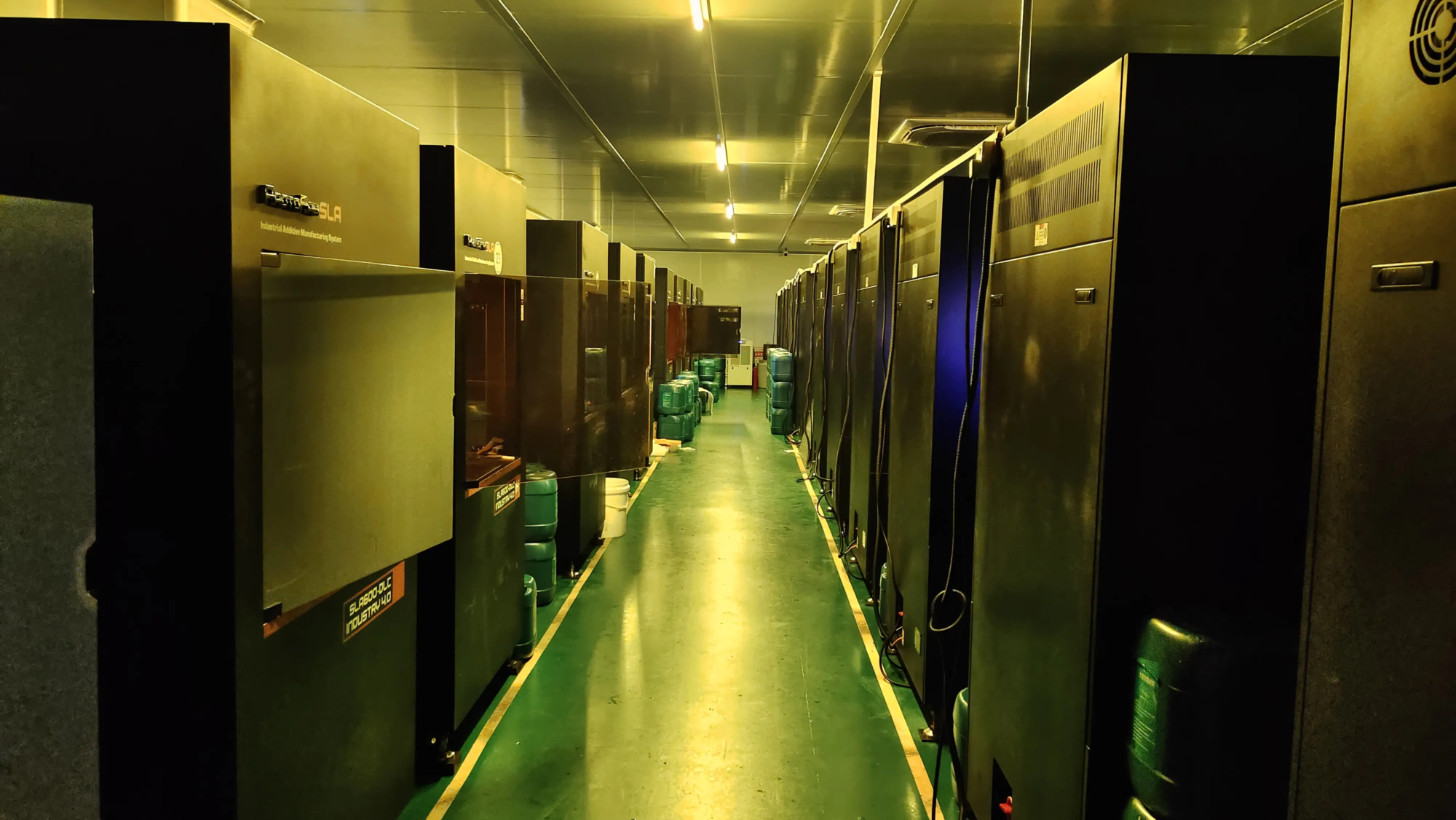
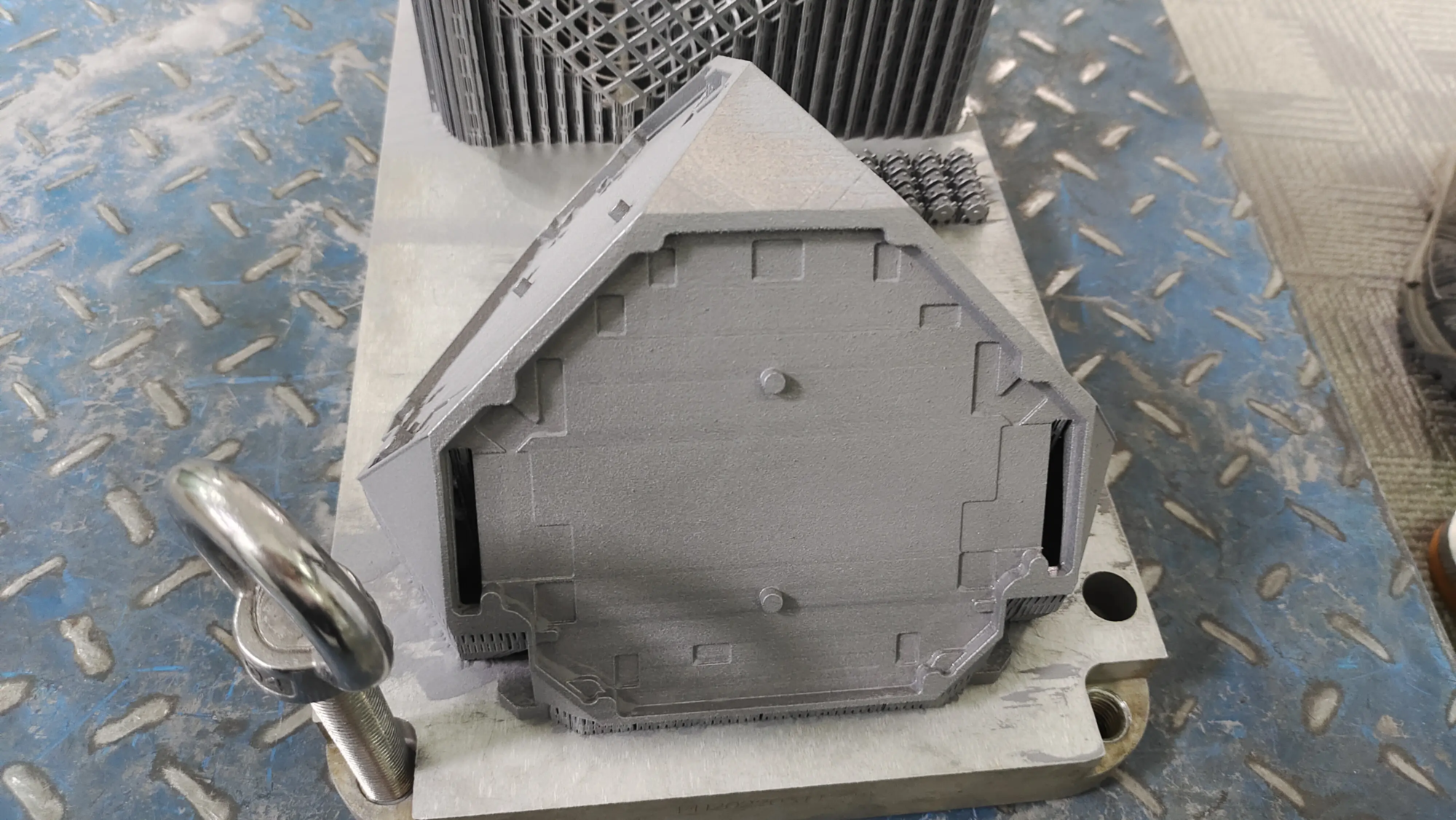
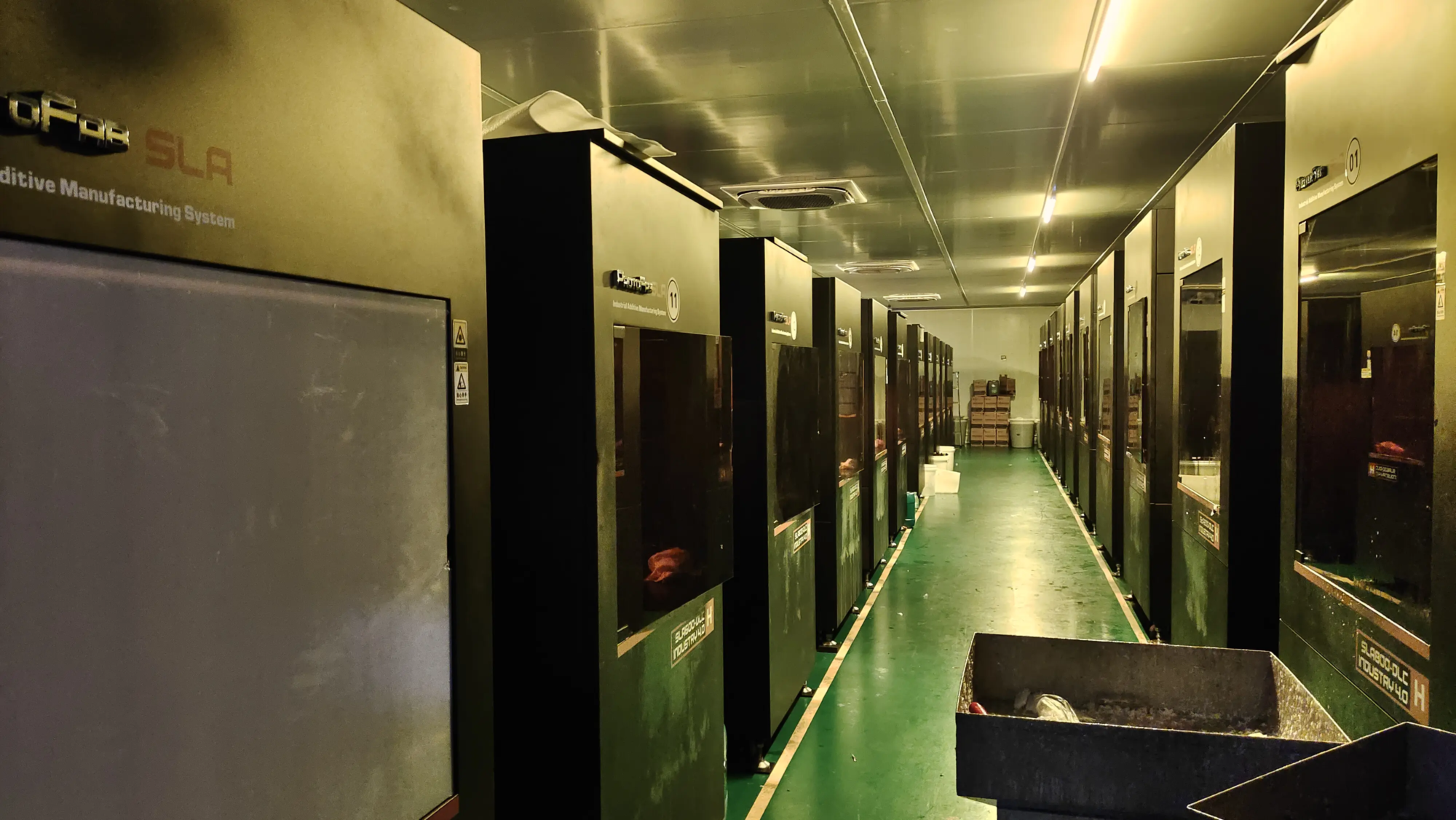
GreatLight has been mastering metal additive manufacturing for over a decade. Our advanced Selective Laser Melting (SLM) 3D Printer Create complex, strong metal parts directly from fine metal powders, bypassing the limitations of filament-based methods. Whether it’s aluminum, titanium, stainless steel, Inconel or specialty alloys, we can achieve densities and complex geometries that FDM can’t match. Need ultra-high thermal stability well beyond the limits of PTFE? We produce functional metal parts for demanding aerospace, medical or automotive applications using advanced metals that can handle extreme environments.
Unlike typical filament guides, we offer a comprehensive Post-processing. From high-temperature heat treatments (e.g., mobile HIP) and precision CNC machining to achieve perfect tolerances, to surface finishing processes such as sandblasting, polishing, or electroplating – your prototypes transition seamlessly to end-use production parts, all under one roof. We ensure speed and cost-effectiveness without compromising the quality of complex, low-volume custom parts.
in conclusion
The seemingly simple PTFE tube is the workhorse that orchestrates filament flow in most FDM/FFF printers. Understanding their role, limitations (especially thermal degradation), and the importance of regular maintenance and upgrades are the foundation for reliable, high-quality plastic parts. Investing in quality tubing like Capricorn or exploring an all-metal hot end can solve ongoing extrusion issues.
When your project requires capabilities that go far beyond plastic—extreme strength, high temperatures, biocompatibility, complex metal designs, or production-grade finishes—GreatLight provides a proven path. “>Leveraging our expertise in SLM metal 3D printing and comprehensive post-processing services, we provide rapid prototyping and low-volume production solutions that effectively bridge the gap between digital design and functional reality.
Frequently Asked Questions About PTFE Tubing in 3D Printing
Q1: How often should I replace PTFE tubing?
Blood has no single mileage. If you notice brown/black discoloration near the hot end after cleaning your nozzle, feel rough inside, or experience a clog/pipe related blockage, replace it immediately. For high-temperature materials, consider proactive printing and replacement every 3-6 months.
Q2: Is the Capricorn Mantra really worth the extra money?
Definitely dollars. Its tighter tolerances, lower friction and higher temperature resistance (compared to general-purpose PTFE) significantly improve print reliability, reduce clogging and enhance overall extrusion consistency, especially with abrasive or flexible filaments. This is a worthwhile upgrade.
Question 3: What are the signs that thermal creep is degrading my PTFE tubing?
Symptoms include softening or deformation of the tip near the heating block, visible burn/glass blackening within the tube, a sudden increase in extrusion issues (grinding/stuck) (especially late in the print or on longer prints), or a burnt plastic smell. Consistent hot end cooling is key to prevention.
Q4: Can I use the hot end of a standard PTFE tube to print on high temperature filament (such as nylon or PC)?
it is Strongly discouraged. Temperatures exceeding 245-250°C risk rapid degradation of PTFE, leading to clogging, increased friction and release toxic fumes. Use an all-metal heating end or capricorn that has excellent thermal management for these materials.
Q5: My extruder keeps jumping/grinding. Could it be PTFE tube?
Potentially absolutely. Increased internal friction due to degrading, worn, or contaminated tubing is a primary culprit. Before blaming the extruder gears or motor, inspect and replace the PTFE tube. Check for proper seating/sealing at both ends. Gaps caused by poor installation can also cause this problem
(Optional Overview) Flowchart: Is there something wrong with my PTFE tube?
Experiencing Underextrusion/Jamming?

│

▼

Check Nozzle for Clog (Perform Atomic Pull)

│

▼

If not cleared, inspect PTFE Tube:

   ├── Discolored/Burned at hotend end? → Replace Tube

   ├── Ends not perfectly square/worn? → Re-cut square or Replace

   ├── Internal roughness/debris visible? → Clean or Replace

   └── Tube loose in couplings? → Reseat/Tighten Couplings

│

▼

Still problems? Investigate Extruder Tension, Hotend Heat Creep, Filament Diameter.
Ready to take your prototyping beyond filament limitations?
Discover how GreatLight’s professional metal 3D printing and rapid prototyping services can bring your most ambitious designs to life in robust, high-performance materials like stainless steel, titanium & cobalt alloys.GET An instant quote today! We deliver precision machined parts faster than you think. Visit our website for more product details