Explore PVC 3D filaments: The Activities Room for Industrial Prototypes
Although PLA and ABS dominate most desktop 3D printing conversations, PVC filaments are still unsung heroes with unique traits that are perfect for demanding applications. This substance is commonly used in industrial environments rather than hobbyist workshops, requiring respect and expertise, but provides unparalleled performance users for specific use cases. Let’s break down what makes PVC filaments stand out and how to safely harness their potential.
Why consider PVC filaments?
PVC (polyvinyl chloride) is known for its flexibility, chemical resistance and durability. Unlike brittle plastics, it mimics rubber-like elasticity while maintaining structural integrity. This makes it perfect for:
- Functional prototype Needs to resist impact (e.g., seals, gaskets)
- Chemical safety parts Exposure to oil, acid or solvent
- Wear resistant components Like gears or bushings
- Electrical insulation Application (with appropriate additives)
Material properties and challenges
- Strength and flexibility: Provides tensile strength up to 50 MPa, can compete with ABS, with higher elongation (up to 100%) when breaking up.
- Chemical elasticity: Resist the degradation of hydrocarbons, alcohols and dilute acids in certain environments.
- Hot profile: The glass transition temperature is between 65-80°C, and the bed (~80°C) and the heating table (210-230°C).
- Key Challenges: PVC if overheated (>200°C is improperly managed), it releases hydrochloric acid smoke and exhibits significant warping without the optimal setting.
Printing best practices
1. Hardware settings:
- use All metal heater To withstand continuous high temperatures.
- Close the printer and HEPA filtering and direct outdoor ventilation It is not commodities for smoke safety.
- Printed surface: Textured PEI or Garolite sheets perform better than glass adhesion.
2. Dial-in settings:
- temperature: 215°C±5°C, strictly monitored.
- Bed adhesion: 80°C bed + PVA glue or ABS slurry to suppress distortion.
- cool down: Minimum fan usage (≤20%) to avoid layer spacing but control ooze.
- withdraw: 5mm of 40 mm/s to fight string.
Safety: Critical Priorities
The reputation of PVC toxicity comes from chlorine content. Distribute hydrogen chloride (HCL) – corrosion agent to the printer and is harmful when inhaled. Mitigate risk:
- Print Ventilation only (Never in a house or in a space that does not lead to).
- Combined Activated carbon filter With exhaust system to capture HCL near the source.
- Wear Gloves and respirators During post-treatment, avoid plasticizer contact.
Industrial Applications: PVC is good at
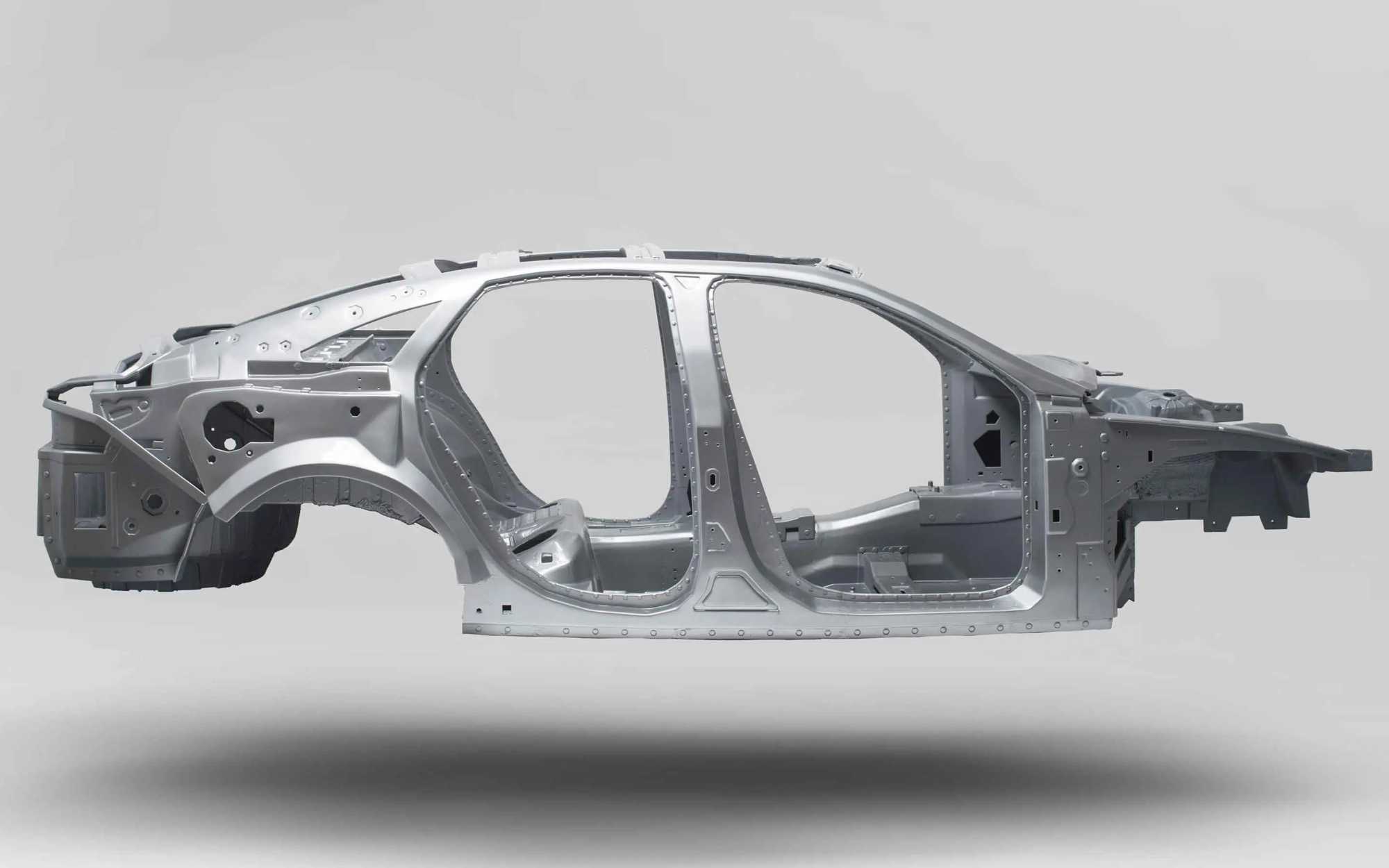
- car: Custom hose, anti-vibration installation
- Fluid treatment: Valves, pipe accessories, chemical containers
- Medical: Non-fungal housing and shell
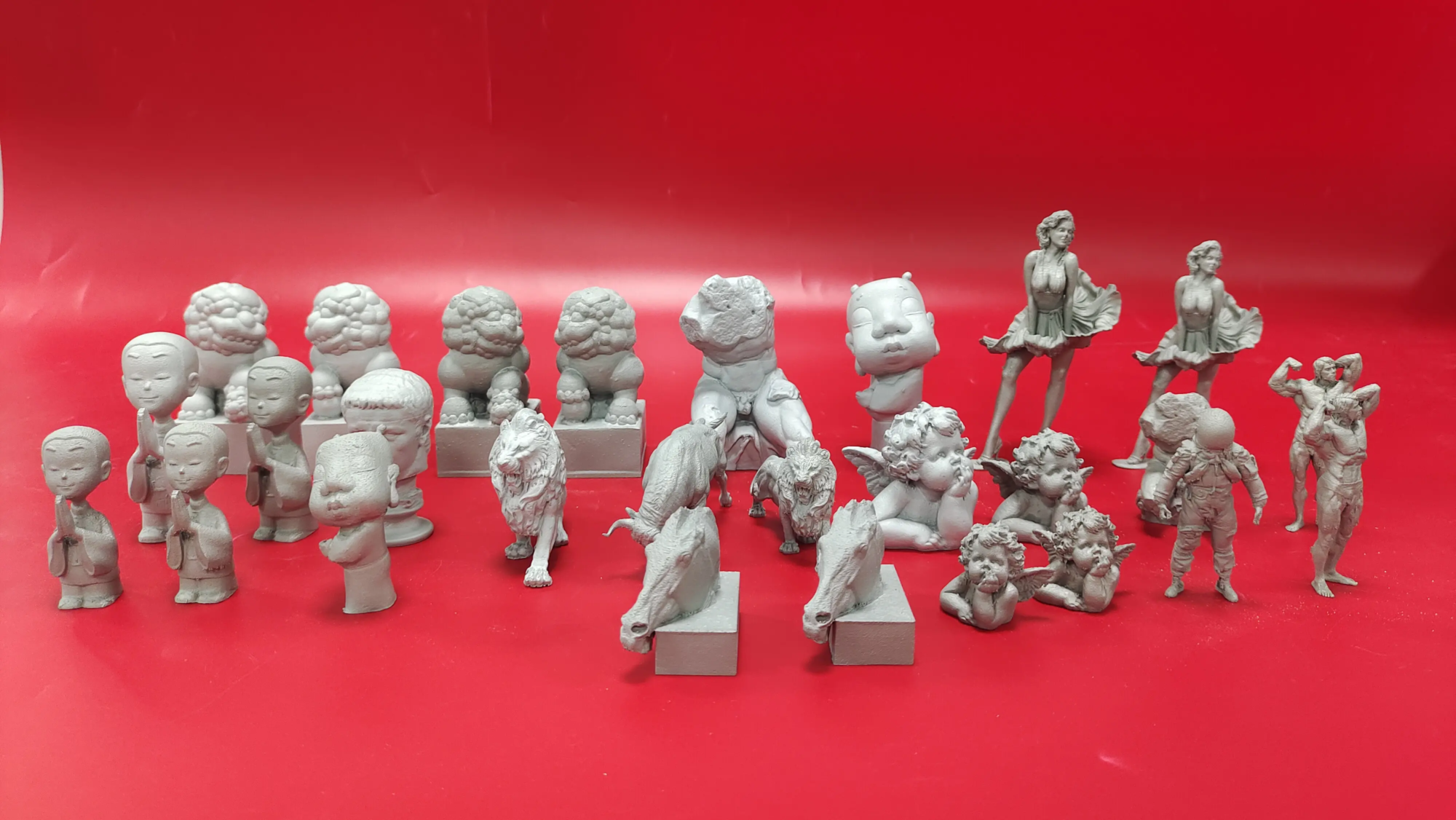
- Art and Architecture: Flexible, resistant sculpture
Conclusion: Is PVC suitable for your project?
PVC filaments bridge the critical gap between rigid plastics and rubber-like elastomers. Its chemical possesses unique functional properties, but requires advanced processing and safety protocols. It is a cost-effective alternative to professional silk for industries that require chemical stability, flexibility and durability. However, hobbyists should practise caution – instead choose safer materials, while professionals can take advantage of PVC by investing in the right infrastructure. In all cases, collaboration with manufacturing experts ensures success.
FAQ
Q: Can I print PVC on a standard PLA setup?
A: Absolutely not. PVC requires housing, HEPA filtration, all-metal heat table and robust bed heating. Standard settings are risky of toxic smoke and failed prints.
Q: How is the flexibility of PVC compared to TPU?
A: TPU is softer, more elastic (usually 60a-95a), less toxic, but PVC provides excellent strength and chemical resistance to semi-rigid parts.
Q: Are PVC printed parts heat resistant?
A: It can withstand temperatures up to 80°C (depending on the formula), performs better than PLA, but reduces ABS or nylon.
Q: How to minimize warpage when using PVC?
A: Use PEI boards with adhesive to optimize bed adhesion, ensure uniform heating (±5°C variance), reduce cooling fans, and fully enclose the build volume.
Q: Are there any environmentally friendly options?
A: Biologically based PVC variants exist, but they still need to be carefully printed. Due to additives, it is difficult to recycle printed PVC; use of original filaments reliability.
Improve your production with expert partnerships
Although PVC opens the door for specialized applications, please unlock it Full spectrum Modern manufacturing requires professional supervision. exist GreatWe married the cutting edge SLM 3D Printing With multiple material expertise – extending the rapid prototype beyond plastics. Whether you need titanium aerospace components, corrosion-resistant industrial tools, or PVC parts with medical grade polish, our turnkey process is integrated:
- Advanced metal printing: Stainless steel, aluminum, titanium alloys melted by selective laser
- Post-processing mastery: Sandblasting, CNC machining, anodizing and EDX coating
- Hybrid solutions: Combining the chemical resistance of PVC with metal inserts for structural hybrids.
As a leader in rapid prototypes from China, we work with global innovators to customize solutions at competitive speeds, burning the boundaries between prototypes and production. Do you need precision that desktop printing cannot achieve? Let’s design your vision. Why do you need to try and do it when industrial-grade innovation is clicked?