Enhance prototyping capabilities: How to quickly calculate 3D printer electricity bills
Whether you’re a hobbyist exploring additive manufacturing or a design engineer running multiple prints every day, understand the true cost of 3D printing goes beyond the price of filament or resin. Electricity consumption is a significant operating expense, especially for resource-intensive technologies such as metal printing. Knowing how to quickly calculate these costs can allow you to accurately budget, optimize workflows, and even justify outsourced production for complex projects. Let’s demystify the process.
Why bother calculating your electricity bill?
Ignoring power costs can create blind spots in prototyping or production budgets. For low-volume desktop FDM printing, the cost can be minimal. However, when scaling up to industrial SLA, SLS or high-power metal systems such as Selective Laser Melting (SLM) (running hot beds, lasers, pumps and precision heating elements for long periods of time), consumption skyrockets. Accurately estimating these costs can help you:
- Compare printing strategies: Is it possible that outsourcing to a professional service would be cheaper than running the machine for a few days?
- Optimize printing settings: Could minor adjustments reduce print time or heater usage without compromising quality?
- Forecast project costs: Accurately quote client work by including overhead costs.
- Promote sustainable development: Emphasizing energy use can encourage ecologically conscious decisions.
Simple formulas for quick calculations
Calculating your electricity bill comes down to a simple 3-step process:
- Identify runtime: Track how long (in hours) your printer will be actively running for this specific print.
-
Determine power consumption:
- Learn about your printer’s power: This is the key piece! Find your printer Active power consumption (measured in watts).Do not use power supply ratings!
- Source: Check the manufacturer’s specifications (manual/datasheet), look for the energy label on the printer, or use a reliable plug-in Electric energy meter (Highly recommended!). For example:
- Desktop FDM: Average power during printing is typically 50-150W.
- Industrial FDM/SLA: can be 500-2000W+.
- Metal SLM: Easily achieves power from 2kW to 10kW or more during operation.
- Using actual data: Energy meters provide real-world "average active power" Within the print cycle – the most accurate method.
-
Apply the electricity cost formula:
Cost = (Power (kW) x Runtime (hours) x Electricity Rate ($/kWh))- Convert watts to kilowatts (kW): Divide the wattage by 1000. (For example, 1500W = 1.5kW).
- Running time: Usage time (for example, 8 hours).
- Electricity bill: Find your local cost per kilowatt hour (kWh) on your utility bill or online. Rates vary widely ($0.10-$0.30+ per kWh is common in the US/Europe).
Calculation example:
- Printer: Industrial FDM
- Active power consumption: 800W= 0.8kW
- Print run time: 12 hours
- Local electricity price: $0.18 per kWh
Cost = (0.8 kW) x (12 hours) x ($0.18/kWh) = $1.73
Factors affecting power consumption:
- Printer type: Due to the laser and high temperature chamber, the power consumption of metal SLM printers is orders of magnitude higher than that of desktop FDM.
- heating: Bed heaters (especially high-temperature ones made of ABS or metal) and heating ends are the main consumers. Large heating chambers (for high temperature materials) were significantly increased.
- Motor: Moving a heavy bed or gantry requires more strength.
- Electronics and cooling fans: Baseline, but keep drawing.
- Print settings:
- temperature: Hotter bed/hot end temperature = more power.
- Floor height: Thinner layers increase print time = longer power consumption.
- Filling density: Higher fill levels increase print time = longer power consumption.
- Print speed: Extremely high speeds may require slightly more motor power, but typically faster speeds will reduce total energy Used by shortening printing time.
- **(Crucial) Peak vs. Average: Printer cycles heater on/off. Energy meter display average Active drawing is crucial for accuracy! Don’t confuse peak power with average power.
Tips to Reduce 3D Printing Electricity Bills
- To use an energy meter: Know the actual consumption of each printed model/pre-slice.
- Optimize printing settings: Reduce unnecessary infill, use variable layer heights, choose efficient orientations to minimize supports, and if feasible, print at slightly lower temperatures.
- Reduce warm-up/warm-up time: Heating only starts when you are ready to print. Some slicers allow you to set a preheat start time.
- Effective batch printing: Run smaller prints continuously at night or during off-peak hours (if applicable) to reduce idle warm-up periods.
- Consider an energy-saving model: Newer printers generally have better power regulation/insulation. DLP resin printers are faster/more efficient than their SLA counterparts.
- Outsourcing high-energy jobs: For complex, lengthy prints (especially metal SLMs that require extensive thermal/energy infrastructure), work with a specialist manufacturer, e.g. huge light Can be more cost effective and reliable.
Beyond Computing: Collaborating for Energy-Efficient Precision
Calculating the cost of electricity reveals the hidden costs behind bringing digital designs into the real world. While optimizing your desktop printer setup is a smart move, complex projects require not only power but also expertise and infrastructure. This is related to Professional rapid prototyping provider Has strategic and economic advantages.
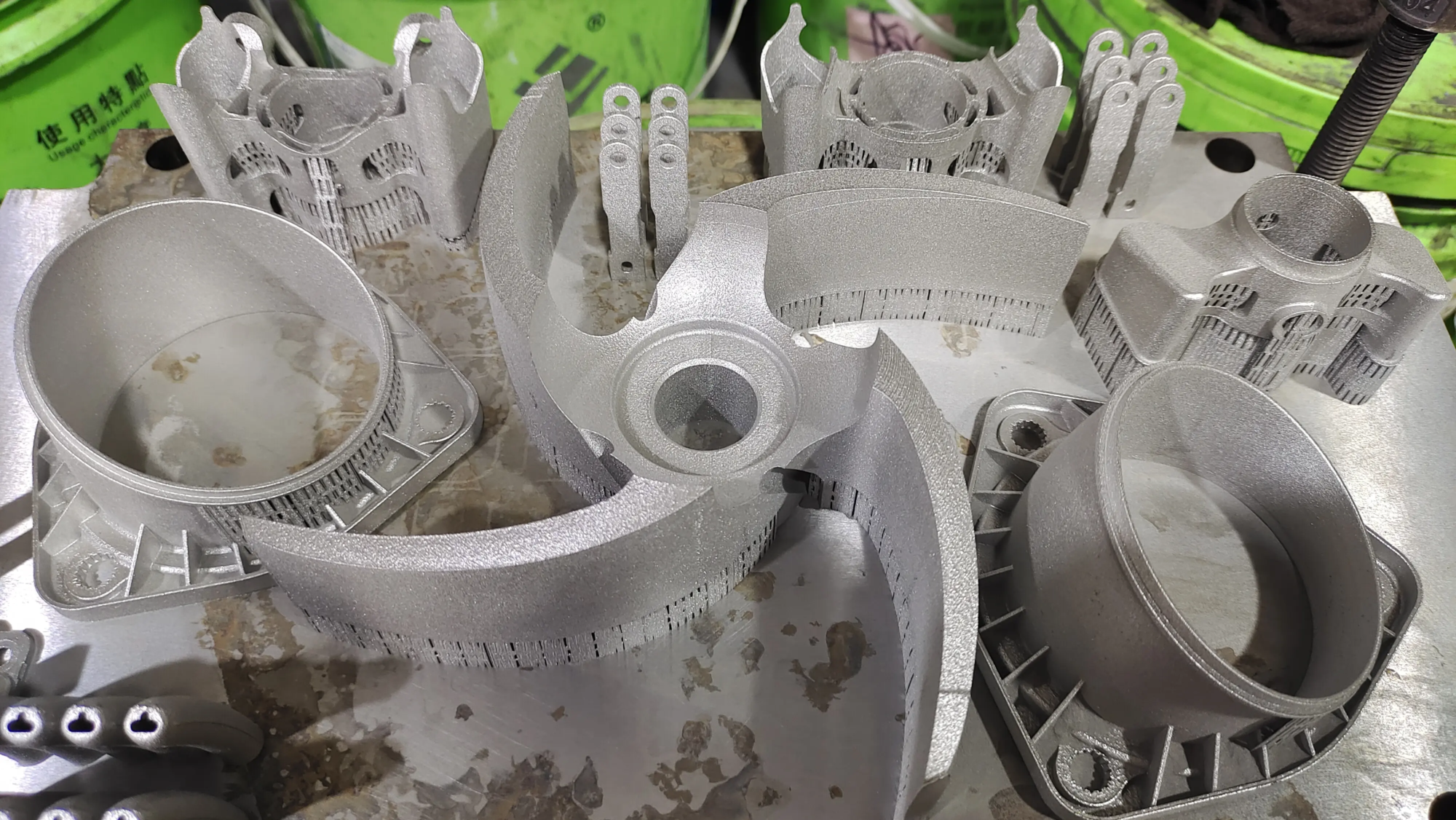
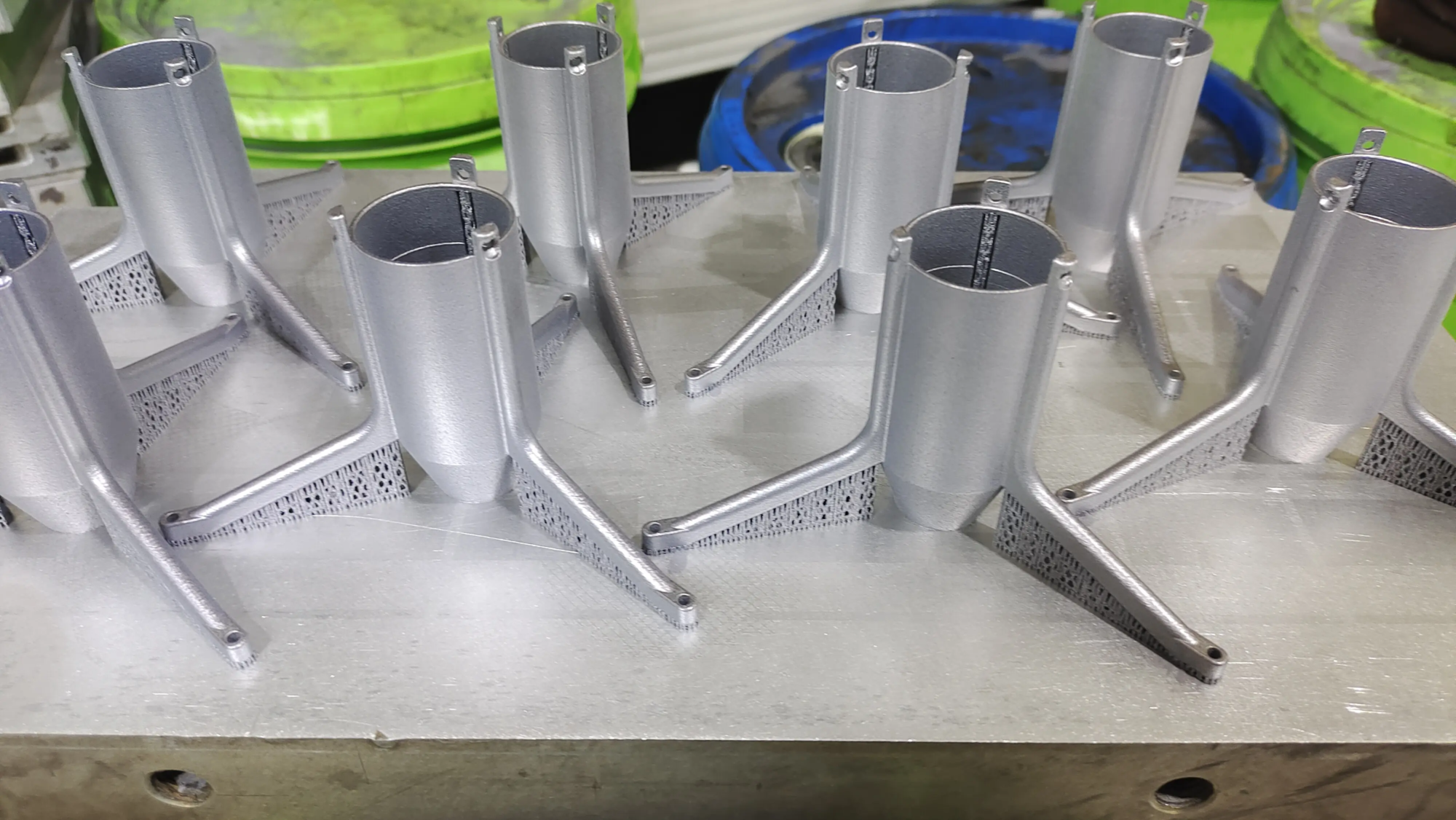
huge light dedicated to overcoming these challenges. As the leader of rapid prototyping companies in China, we utilize the most advanced technology Selective Laser Melting (SLM) 3D Printer Designed for efficiency in industrial environments and designed to effectively manage high power demands. Our core competence lies in solving high requirements Rapid prototyping requirementsparticularly complex metal partswhile providing a comprehensive One-stop post-processing and finishing services.
Why choose Gretel?
- Advanced SLM expertise: Cost-effectively print complex geometries in a variety of metals.
- Turnkey solution: Eliminate your power expenses, maintenance costs and post-processing hassles – we handle everything from printing to final flawless finish.
- Cost effectiveness: Obtaining predictable pricing, including optimized production energy costs, may be cheaper than running high-power machines yourself at an inefficient scale.
- Speed and customization: Quick turnaround for prototypes and custom precision parts in a variety of materials.
- quality assurance: Strict controls ensure impeccable dimensional accuracy and material properties.
For projects that require time, quality and requirements total cost Importantly, moving production to GreatLight frees up your resources and delivers superior results. Focus on your design vision; let us handle the complex interplay between energy, materials science and precision manufacturing to deliver flawless metal prototypes quickly and affordably.
in conclusion
Carefully calculating the power costs of your 3D printer is a fundamental step toward smarter prototyping and production management. By using tools like energy meters to understand your printer’s actual power consumption, applying simple formulas, and optimizing settings, you can control your tangible operating expenses. Remember, for complex metal parts that require high-power SLM printing or when planning large print volumes, outsource to an expert service provider, such as huge light Offers compelling savings. It combines energy efficiency with optimized facilities, expert craftsmanship and removes the burden of machine maintenance, ensuring your project is delivered quickly, completed to perfection, and at the best possible overall investment. Enhance your innovation capabilities wisely.
FAQ: 3D Printer Electricity Cost
-
Q: What is the average power consumption of an FDM printer?
one: Desktop FDM printers typically consume 50-150 watts on average During printing, it’s approximately $0.05 to $0.25 per hour, or $0.15/kWh. Larger industrial FDM machines can consume 500-2000W or more. -
Q: Do resin printers (SLA/DLP) consume more power than FDM?
one: Usually yes, mainly due to its powerful UV light source and sometimes heated barrel/resin. The average power of a desktop resin printer may be 60-120W. Larger SLA/SLS systems increase significantly. -
Q: Are metal 3D printers expensive to run?
one: Yes, significantly. Industrial SLM printer consumption Several kilowatts (Typically 2kW to 10kW+) Thanks to powerful lasers, high temperature heated build chambers and inert gas systems. Running for tens to hundreds of hours can result in significant electricity bills ($10 to over $100 per print). -
Q: How accurate is it to use printer power ratings?
Answer: Not accurate. The power supply rating (e.g. 350W) is maximum It can deliver rather than what the printer delivers actually Pull during operation. always Usage specifications "Active power consumption" Or energy meter readings for accurate calculations. -
Q: Does the printer consume power when it is idle (not printing but powered on)?
one: Yes, the standby power consumption of electronics is usually very small (a few watts) unless the heater is actively maintaining temperature. However, Idle consumption increases over time. It’s a good idea to completely turn off non-essential printers when not in use. -
Q: Which one consumes more power, heating bed or heating head?
one: Generally speaking, heated bed. In particular, heating large beds to high temperatures (such as ABS or PEI temperatures) requires more sustained power than maintaining nozzle temperature. Bed heaters typically cycle less frequently when their power peaks are higher. - Q: Can I significantly reduce my electricity usage?
one: Yes! Strategy:- Get accurate consumption data.
- Optimize print settings (padding, layer height, temperature).
- Avoid unnecessary bed heating/preheating.
- Print thicker models simultaneously to maximize build plate utilization.
- If available, print overnight during off-peak electricity rates.
- Consider using DLP for resin (usually faster/more efficient per part).
- Outsourcing high-intensity, long-term work (e.g.