When ancient craft meets modern magic: the transformative fusion of ritual casting and 3D printing
For thousands of years, the creation of ceremonial objects—whether ceremonial vessels, intricate sculptures, sacred symbols, or components of traditional rituals—has been rooted in casting. Techniques such as lost wax casting (investment casting), sand casting, and centrifugal casting are passed down from generation to generation, giving objects cultural significance and meticulous craftsmanship. However, even the most revered traditions are constantly evolving. Today, powerful synergies are emerging: The fusion of time-honored ceremonial casting techniques with the precision and innovation of additive manufacturing, specifically metal 3D printing. This isn’t just an upgrade; This is a paradigm shift that brings unprecedented possibilities for designing, prototyping and producing ceremonial pieces.
A legacy of ritual casting: beauty born of fire and craftsmanship
Ritual casting is much more than simple fabrication. It’s an alchemy of art, material mastery, and cultural storytelling.
- Complexity and details: Lost wax casting, in particular, excels at capturing incredible detail from the original wax model, enabling complex textures, fine features and undercuts that are impossible to achieve with many other methods.
- Material Versatility: From bronze and brass to silver, gold and specialty alloys, casting works on a variety of metals that have traditionally been favored for their symbolism, durability and aesthetic qualities.
- Cultural Authenticity: For restoration, cultural preservation, or creating works that are true to a specific tradition, using original casting methods is crucial to maintaining authenticity and spiritual resonance.
- Scalability: Once the master mold and mold are established, casting can produce multiple identical parts, which is essential for certain ritual uses.
However, traditional casting faces challenges:
- Prototyping bottlenecks: Creating complex master patterns by hand, especially complex ones, is time-consuming and requires extraordinary skill. Iterative design is expensive and slow.
- Complexity limits: Although extremely intricate in detail, extreme internal complexity or features that require precise internal passages (often found in symbolic geometry) can be very difficult or impossible to mold using traditional wax or sand techniques.
- Material waste: Processes such as milling away excess metal (especially near delicate features) and the possibility of failed pours can lead to material inefficiencies.
- Reproducibility variability: Despite this approach, ensuring absolute consistency across multiple casts, especially fine details, remains challenging.
Enter Metal 3D Printing: Digital Precision Meets Tangible Metal
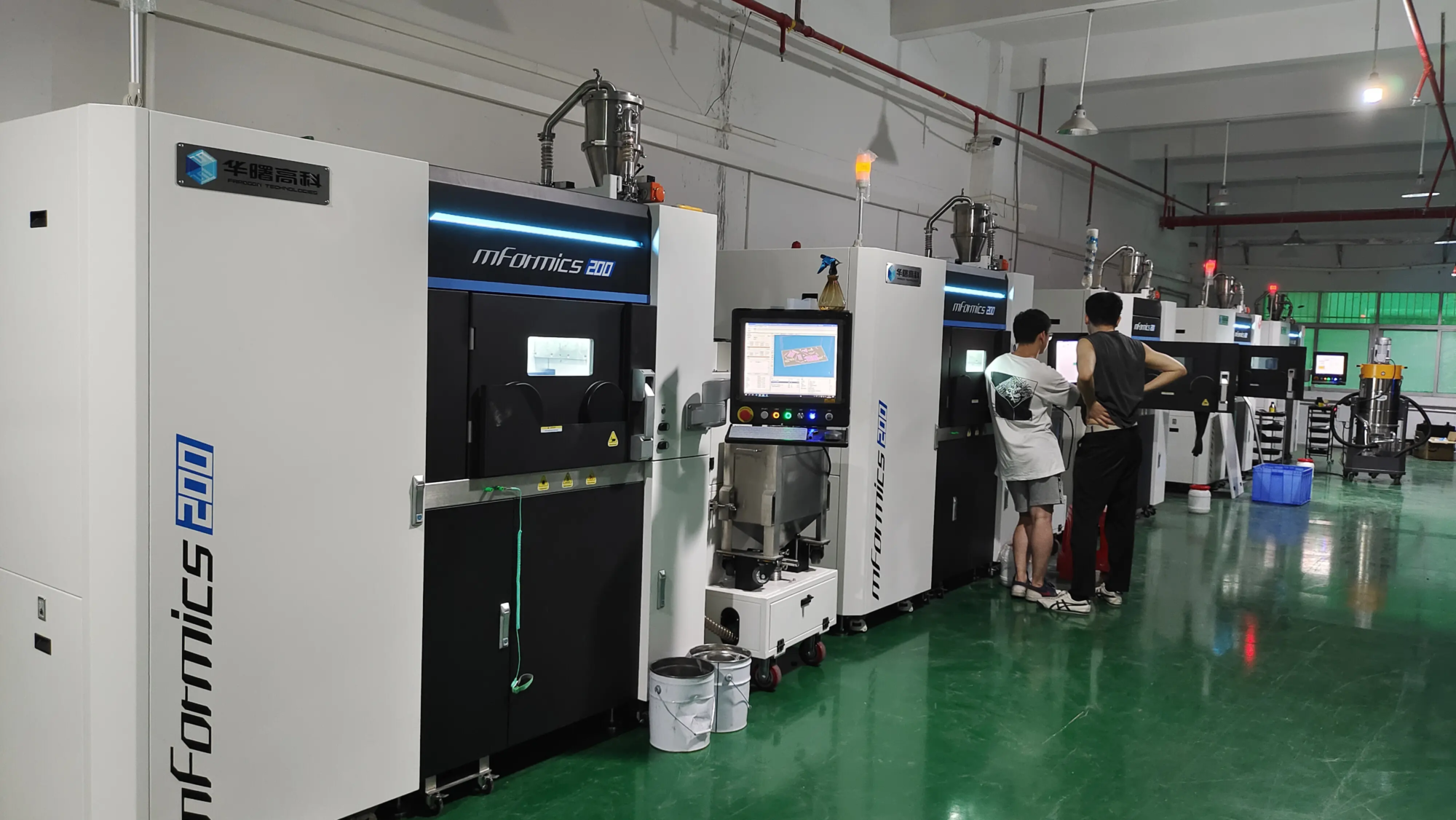
Metal Additive Manufacturing (AM), specifically Selective Laser Melting (SLM) – Professionalism in a company like this huge light – Introducing a revolutionary approach:
- Unparalleled design freedom: SLM uses high-power lasers to melt metal powder and build objects layer by layer directly from 3D CAD data. This eliminates the geometric limitations of traditional molding. Imagine complex lattices representing the structure of the universe, sealed internal cavities housing symbolic elements, organic forms impossible to carve in wax, or scanned perfect replicas of ancient artifacts. Complexity is free.
- Rapid prototyping redefined: Game changer. Designers can iterate digitally in CAD and quickly print functional metal prototypes—in days instead of weeks or months. Each iteration can contain complex changes that would be impossible with manual patternmaking. This greatly accelerates the creative exploration phase.
- Excellent accuracy and reproducibility: SLM produces parts with high dimensional accuracy (typically ±0.05 mm to ±0.1 mm) directly from the printing platform. Once a print is dialed in, making an exact replica of it is inherent to the digitization process—crucial for producing sets of ceremonial objects or replacements that accurately match the originals.
- Material properties: In addition to traditional bronze and brass, SLM also offers high-performance materials such as Titanium alloys (such as Ti6Al4V/GR5) valued for its strength-to-weight ratio similar to traditional restraints of bone), Stainless steel (316L, 17-4PH) In order to resist corrosion, Aluminum alloy (AlSi10Mg/Scalmalloy®) for lightweight and durable parts, even Nickel Alloy (Inconel) to obtain unique properties. This extends the scope of symbolic or functional requirements.
- Material efficiency: While powder reuse requires careful management, for complex parts SLM is often more material efficient than subtractive methods and can minimize losses compared to casting processes prone to incomplete filling or oxidation losses.
- Direct digital workflow: Simplify the path from concept to physical reality, from digital scan/model to final printed part.
Synergy: Ritual Casting and 3D Printing Collide (Beautiful)
The real power lies not in replacing casting, but in enhancing casting. Here’s how this synergy works for ritual items:
-
3D printed models for investment casting: This is the most common synergy. Use a resin- or filament-based 3D printer to print complex designs on specialized casting resin or wax filament. This printed pattern replaces the painstakingly handcrafted wax original.
- Influence: Dramatically reduces model making time/cost, allows for extremely complex designs not possible by hand, allows for easy design modifications and rapid prototyping for casting verification.
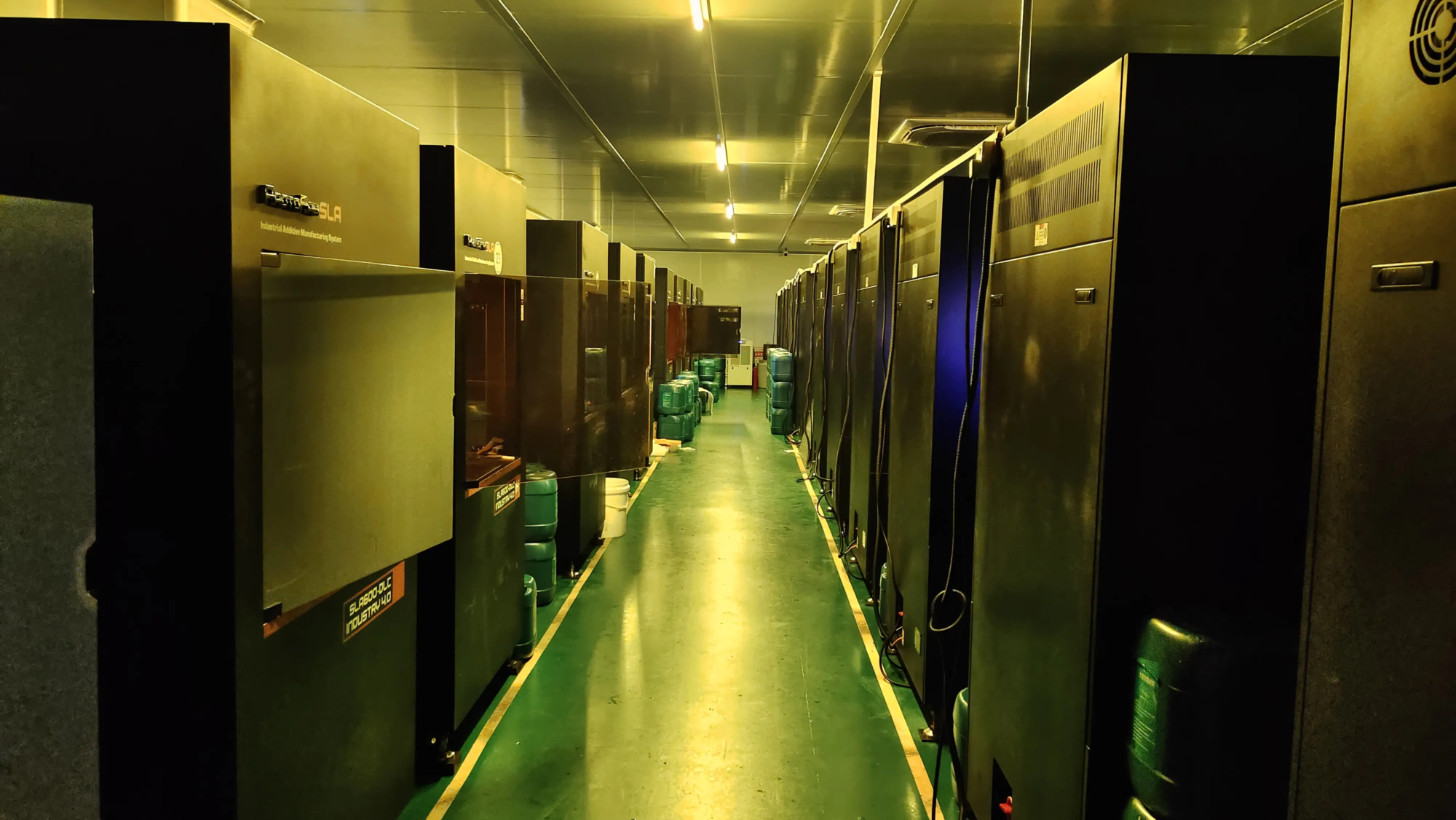
- The function of giant light: As an expert in the field The entire rapid prototyping chaincompanies like GreatLight often offer SLS (nylon) pattern prints optimized for castings, ensuring dimensional stability and burnout characteristics critical to high-quality castings.
- 3D Printing Casting Molds: Directly printing elastomeric molds (e.g., using sand binder jetting or specialized photopolymers) enables complex mold geometries and core structures not possible with traditional sand molds. This is ideal for sculptural elements that require complex negative space.
- 3D printing core structure: For hollow parts with internal voids or complex channels, SLM can produce strong ceramic or soluble cores with perfect shape and high fidelity.
- Hybrid Creation: Direct Metal Print + Cast Finish: Near net shape parts produced by SLM become Ritual objects. The inherently layered surfaces of SLM parts often require refinement. This is where the casting aesthetic comes back. Master craftsmen use traditional finishing techniques—engraving, engraving, special patinas (such as bronze “patina” or black bronze), polishing, gilding—to transform precise metal prints into pieces that possess the warmth, luster, and soul of cast craftsmanship. Honglaite emphasizes comprehensive post-processing capabilities Exactly for this purpose: CNC machining (finishing of critical surfaces), a wide range of polishing options (sandblasted, satin, mirror), custom plating, heat treatments to relieve stress or enhance surface properties (such as annealing) and specialized finishing to achieve the desired ceremonial aesthetic.
Typical case: ceremonial bell project
Imagine designing a ceremonial bell with complex fractal patterns etched inside the crown structure that cannot be cored using traditional methods.
- Rhythm: Digitally model complex internal fractal patterns.
- Quick verification: GreatLight prints hollow prototypes containing fractal structures via SLM such as Ti6Al4V in days. Designers digitally verify resonance and aesthetics and Physically faster than before.
- Main mode creation: Once verified, the fractal core geometry is printed as a precise sacrificial pattern in castable resin using high-resolution DLP/SLA/LCD printing. Alternatively, the female mold core can be printed directly.
- Traditional casting: The foundry follows established investment casting techniques using printed patterns/cores to create ceramic shell molds.
- pouring: Traditional bronze alloys are cast.
- finishing: The rough-cast bell is CNC machined at GreatLight to achieve a precise mounting surface near the top, then expertly hand-finished – chasing fractal details revealed in the bronze to achieve a deep ceremonial patina, polishing the exterior to a resonant shine and perhaps applying gold leaf accents.
The result? Embodying an intricate internal complexity only possible through additive manufacturing, the clock is cast in traditional resonant bronze using established techniques and finished with a museum-quality aesthetic – a true fusion heritage object.
Conclusion: A new era of ritual vessels
The combination of ritual casting and metal 3D printing, especially SLM technology mastered by advanced suppliers, e.g. huge lightrepresents more than just technological advancement; it is a cultural enabler. This powerful synergy:
- Democratic Complexity: Making complex symbolic geometries, once reserved for master craftsmen, available regardless of pattern making time/cost.
- Accelerate innovation: Radically shortening the design-test-improvement cycle for ritual or historically inspired pieces.
- Enhanced authenticity and accuracy: Capable of perfectly replicating heritage artifacts for preservation and high-precision production runs.
- Expand your materials and design horizons: Combining the spiritual resonance of traditional materials with the properties of modern alloys and unprecedented design forms.
- Retention process: Enhance, rather than replace, the irreplaceable skills of metal finishers, chasers, and patina artists by providing them with a sound foundation from which to work.
This fusion is a powerful toolset for cultural institutions, traditional artisans working with technical experts, and creators seeking to create meaningful ceremonial objects that are rooted in tradition but not limited by it. By leveraging rapid prototyping expertise, advanced SLM 3D printing services and comprehensive finishing capabilities, partners include huge light Empowering the next generation to create sacred art—works crafted with digital precision and imbued with the soul of tradition.
FAQ: Ritual Casting and 3D Printing Synergy
Q1: Will metal 3D printing (such as SLM) replace traditional ritual casting?
A1: It’s not a replacement, but a transformation and improvement. While SLM offers incredible benefits for complex geometries and rapid prototyping, traditional casting brings irreplaceable material properties (like the unique resonance of cast bronze), proven cultural technology, unique surface aesthetics prior to finishing, and scalability. The real power lies in using SLM to create patterns, cores, tools or hybrid components for Cast and then apply traditional finishing to the final cast or printed/cast part.
Q2: What are the main advantages of using 3D printed patterns for ritual casting?
A2: Significantly faster and cheaper pattern creation (days vs. weeks/months); able to create patterns any Conceivable complexity (internal latticework, incredibly fine details, undercuts); seamless design iteration; perfect reproducibility across patterns; pattern creation from digital files (scans/CAD).
Q3: Can 3D printing directly produce items suitable for ritual use?
A3: Yes, absolutely. SLM parts printed directly from materials such as titanium, stainless steel, aluminum and copper alloys can be finished using traditional metalworking techniques (CNC, polishing, patina, electroplating, engraving) to achieve the desired ceremonial aesthetic. This is ideal for highly complex geometries that cannot be cast or when specific material properties are required.
Q4: No matter what kind of casting it is, what kind of finishing process is crucial after using SLM to make ritual vessels?
A4: SLM parts have a layered surface texture and are not suitable for ritual presentation without treatment. Basic organization includes:
- CNC machining/turning: Suitable for precision critical surfaces (mounting points, mating surfaces).
- polishing: Sandblasting, streamlining, grinding, traditional hand polishing to achieve sanded, satin, mirror or brushed finishes.
- Heat treatment: Stress relieving and/or solution annealing to improve mechanical properties and corrosion resistance pre-finishing.
- Traditional male: Apply a chemical patina (e.g., black oxide, bluing, gunmetal gray on bronze/steel) for depth and an aged look.
- plating: Gold, silver, rhodium plated for ceremonial significance or protection.
- Engraving/engraving: Intricate details are finished by hand after casting or printing.
Q5: Can this synergy be used for cultural heritage restoration?
A5: Yes, this is a revolutionary tool. Fragile or damaged artifacts can be 3D scanned, digitally repaired in CAD, and then printed on the appropriate metal via SLM, or the scanned data can be used to create traditional metal pour casting patterns that match the original composition, replicating them with high fidelity.
Q6: What materials are most suitable for making ritual vessels that combine additive manufacturing and casting?
Answer 6:
- pattern: Castable resin/wax (DLP/SLA/FDM printers) or nylon (SLS) for investment casting; sand resin/binder for sand molds.
- Traditional cast metal: Bronze Alloy, Brass/Sterling Silver, Gold Alloy.
- Direct SLM printing: Titanium Gr5 (lightweight, strong, biocompatible), stainless steel 316L/17-4PH (corrosion resistant), aluminum AlSi10Mg (lightweight and durable), copper alloy (electrical/thermal conductivity, antique aesthetics), bronze powder alloy (replicates the cast appearance).
Q7: What are the benefits of working with a service provider like GreatLight for the creation of ritual items?
A7: A full-service rapid prototyping partner brings:
- Access advanced SLM and polymer additive manufacturing technologies.
- Expert advice on material selection, design for additive manufacturing/casting (DFM/DFA), and process selection.
- High-precision CNC finishing capabilities.
- Extensive surface treatment options (polishing, electroplating, patina applications).
- Efficient prototyping cycles enable design verification and improvement.
- Potentially simplifying logistics management of hybrid workflows from digital files to finished parts. Expertise ensures that the final work meets technical and aesthetic ritual requirements.