Unlocking Rapid Innovation: How RLP 3D Printing Delivers Fast and Affordable Results
In the dynamic world of additive manufacturing, speed and cost are often traded off against detail and precision. Enter RLP (Resin Light Processing) 3D printing – a technology that breaks this compromise. Providing superior surface finishes, intricate details, and most importantly, Impressive speeds at a significantly lower price RLP is democratizing access to high-quality rapid prototyping and functional parts compared to many industrial alternatives. Let’s dig into why RLP deserves your attention.
RLP belongs to the family of reductive photopolymerization, similar to its well-known cousin stereolithography (SLA). However, RLP printers utilize a unique light engine (usually an LED or a specific projector) and an optimized resin formula. Here are the core principles:
- Digital Blueprint: The 3D CAD model is carefully sliced into ultra-thin layers using specialized software.
- Liquid Canvas: A vat is filled with liquid photopolymer resin—a mixture of monomers and oligomers that cures under specific wavelengths of light.
- Precision lighting: RLP printers use a light source (usually UV or visible light) to project a complete image of the current layer, rather than a laser tracing path (like SLA) simultaneously Projected onto the resin surface via a high-resolution display such as LCD or DLP.
- Instant layer cure: Wherever the light pattern hits, the resin immediately polymerizes (cures), forming the entire layer in a single flash.
- Build layer by layer: The build platform is slightly raised, allowing fresh resin to flow in and project the next layer of images. This cycle is carefully repeated until the entire object is formed inside the barrel.
- Post-processing: The finished print is washed in a solvent (usually isopropyl alcohol) to remove uncured resin and then cured under intense UV light for maximum strength and stability.
Why RLP stands out: fast and affordable
The magic of RLP lies in its inherently efficient design:
- Lightning speed: Curing the entire layer at once is essentially faster than tracing a path point by point with a laser. This means print times are significantly reduced, especially for models with large, flat surfaces or when printing multiple parts simultaneously on a build plate. Project time is significantly compressed.
- Lower cost of entry: RLP printers utilize more affordable, mass-produced components such as LCD screens and LED arrays instead of expensive galvanometers and lasers. This means significantly lower procurement costs for machines comparable in build volume to high-end technology.
- Material Economics: While resin costs vary greatly by type (standard, engineered, dental, castable, biocompatible), according to Photopolymer resins widely used in RLP are generally priced competitively with FDM filaments. Additionally, printing efficiency may result in less material waste compared to support-intensive processes.
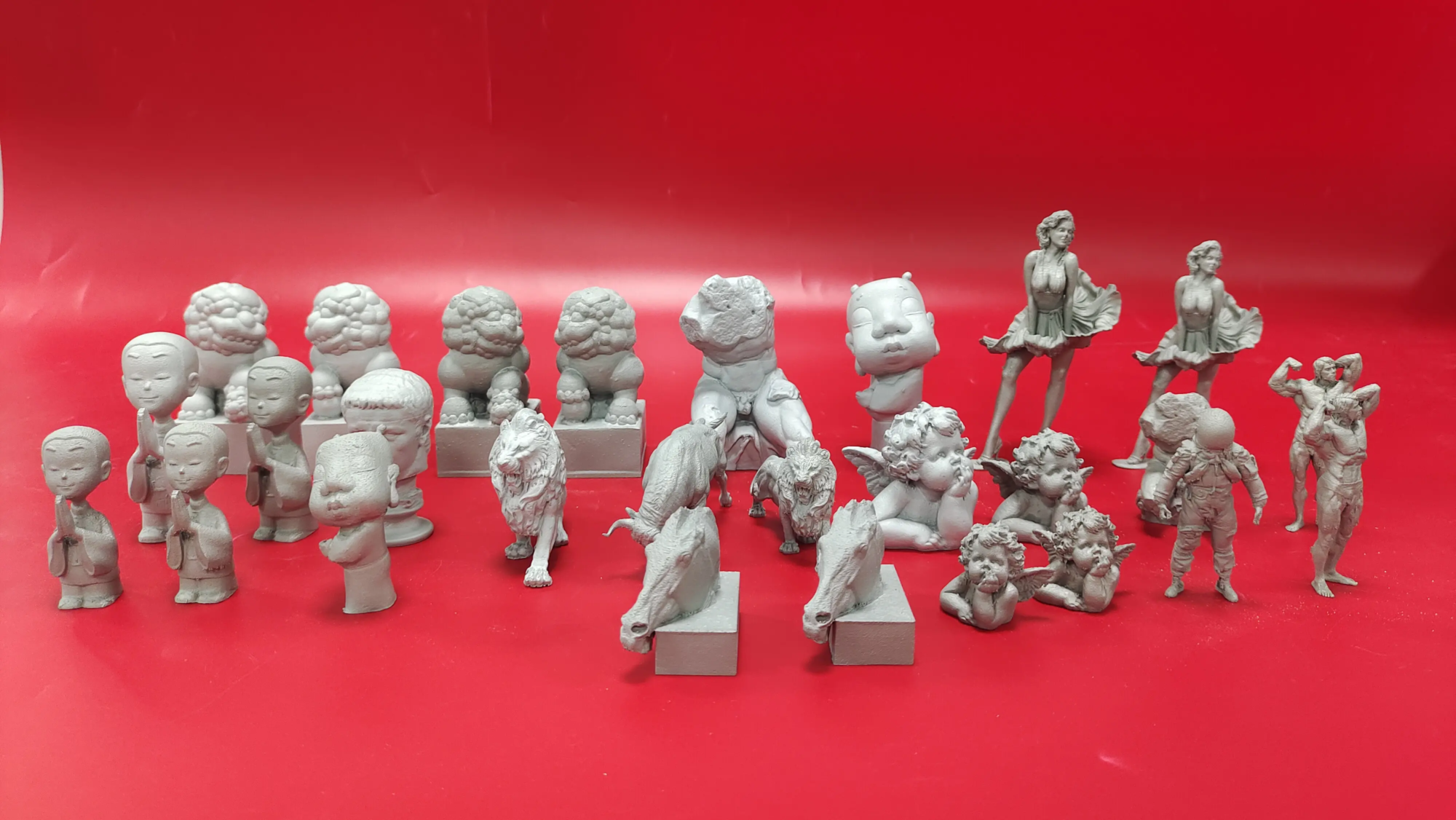
- EXCELLENT DETAILS AND SURFACE FINISH: The layer-by-layer photopolymerization process produces parts with smooth surfaces, crisp details and fine features, often requiring minimal post-processing compared to layer deposition techniques such as FDM.
- Materials’ versatility expands: The popularity of RLP has driven intense innovation in the resin space. Today, you can find RLP-compatible resins that mimic tough ABS-like plastics, flexible rubbers, high-temperature materials, washable options, dental models, and even specialized engineering polymers – all of which expand the range of applications.
Where RLP really shines (applications)
RLP’s combination of speed, affordability, detail and material selection make it indispensable in every industry:
- Rapid prototyping: Iterate on designs quickly with high-fidelity prototypes that accurately represent geometry, surface textures, and complex features. Design flaws can be discovered earlier, thus speeding up development.
- Functional prototype: Test components, mechanisms and ergonomics using tough or flexible engineering resins that mimic production materials.
- Master Model and Casting: Create extremely detailed silicone molded (vacuum cast) masters, direct investment casting models, or jewelry master models.
- Dental and medical models: Use biocompatible resins to produce precise surgical guides, anatomical models, crowns and bridges, and orthodontic models.
- consumer goods: Prototype detailed cases, handles, buttons, and intricate artwork.
- Education and Enthusiasts: Provides a convenient entry point for high-resolution printing for students, makers, and artists exploring complex geometric shapes.
Bridging the gap: RLP and metal additive manufacturing
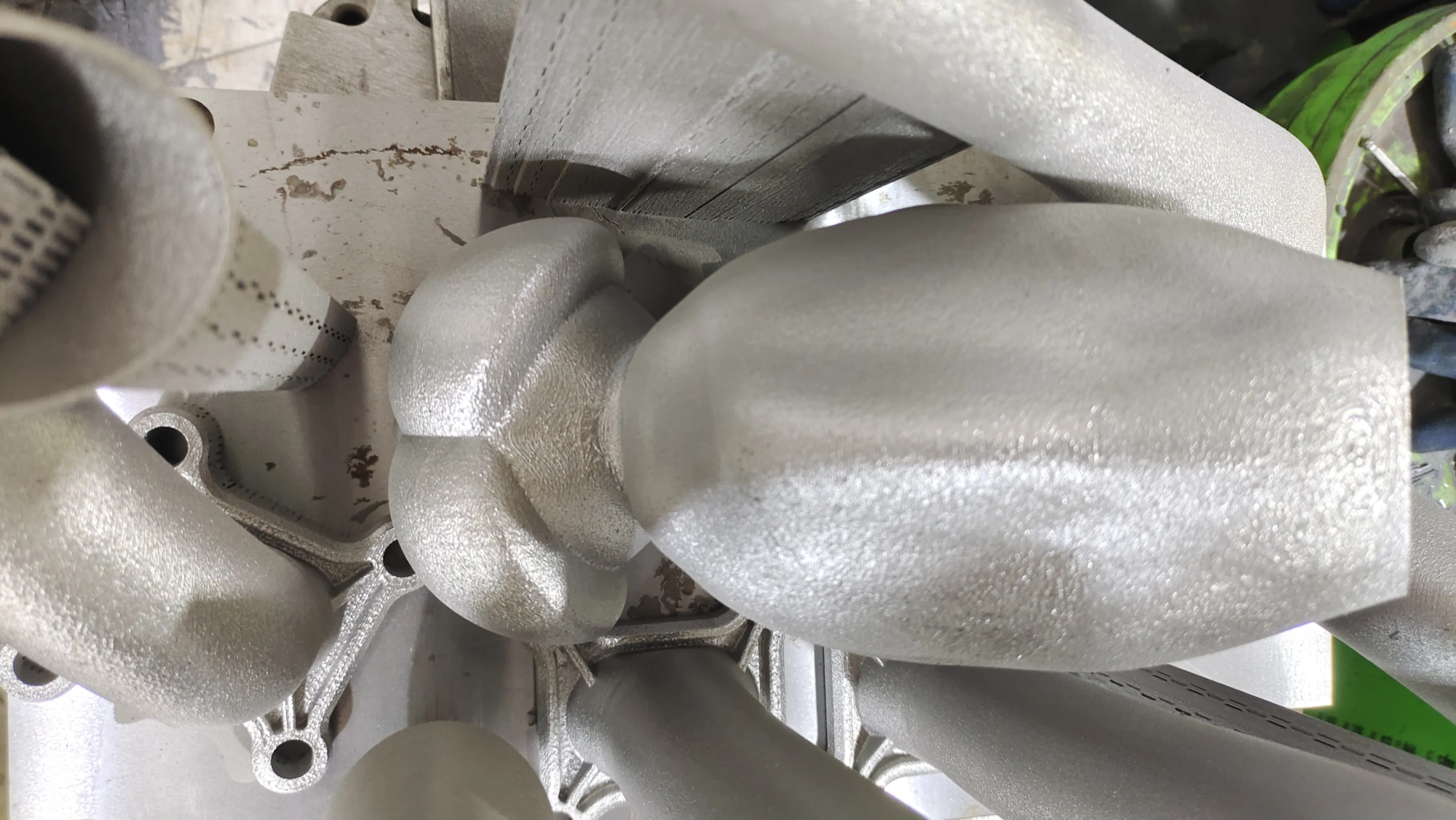
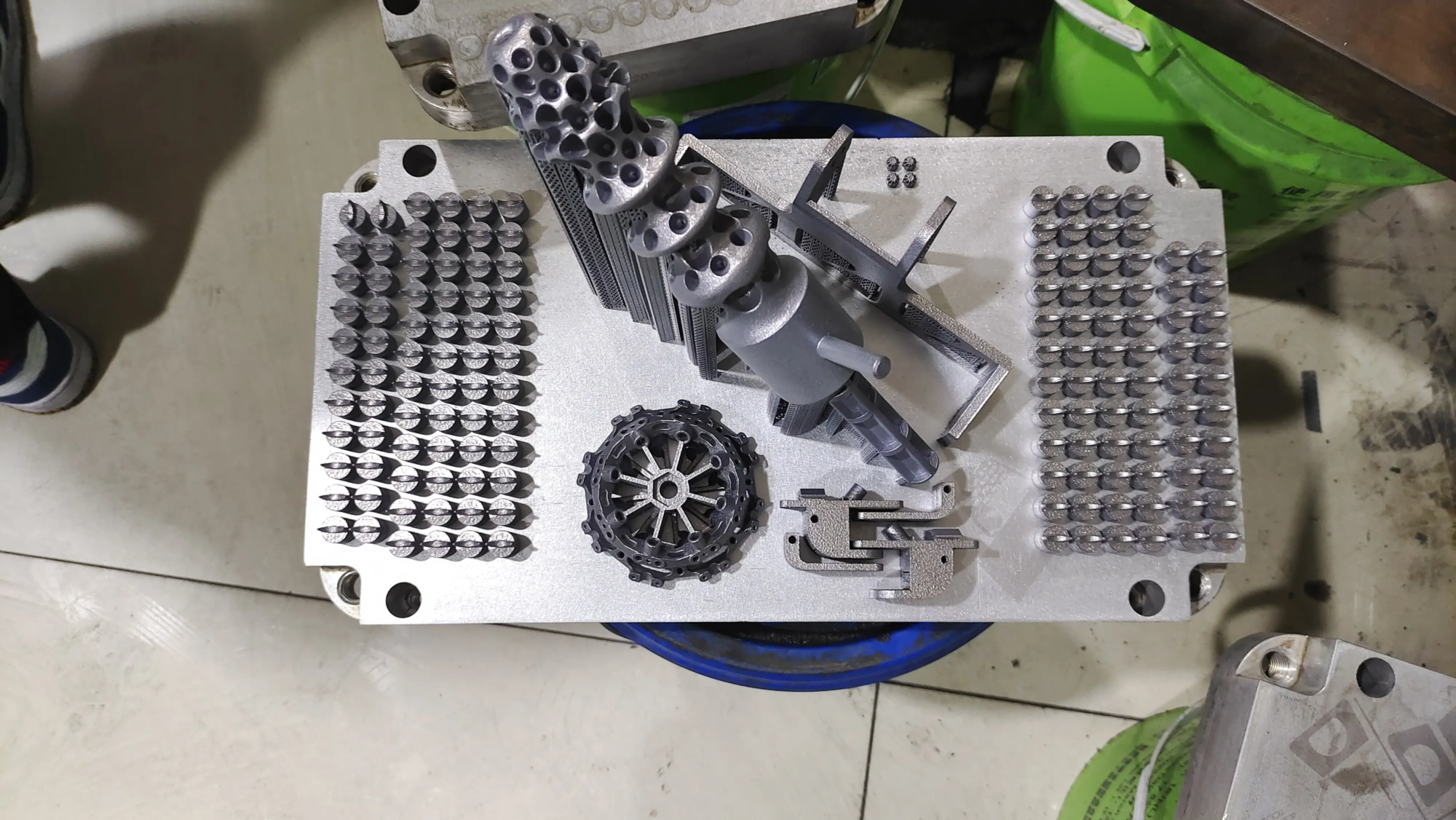
While RLP excels with photopolymers, the pursuit of functional metallic parts requires different solutions, e.g. SLM (Selective Laser Melting). This is where working with a professional supplier becomes crucial. company likes huge lightleveraging advanced SLM equipment and deep production expertise, excels at solving complex metal rapid prototyping challenges. They offer a full range of services – from precision machining of complex metal parts in various alloys to comprehensive post-processing (heat treatment, surface treatments such as polishing, electroplating, anodizing).
Whatever your project needs The speed and affordability of RLP resin parts for prototyping and certain functional applications or Customized SLM metal parts for strength and durabilityunderstanding the complementarity of these technologies ensures the best solution. GreatLight exemplifies this by providing specialized metal prototyping, while the RLP ecosystem enables wider access to photopolymer-based rapid manufacturing. Many RLP users working on complex projects often transition seamlessly to partners like GreatLight to solve metal-related problems that require SLM accuracy.
RLP considerations
Although powerful, please understand the boundaries of RLP:
- Material properties: Resins, even engineering grade resins, have different thermal and mechanical properties than injection molded thermoplastics or metals.
- UV sensitivity: Most RLP parts need to be protected from prolonged UV exposure to prevent degradation/yellowing.
- Post-processing: Cleaning and curing are essential but add steps to the workflow.
- Support structure: The overhang will still require support, which will affect the surface finish after removal.
- Tank cleaning: Resin spills or malfunctions require tank cleaning, adding potential downtime and material costs.
Conclusion: RLP – a game changer that enables precision
RLP 3D printing stands out as a transformative force in the field of additive manufacturing. its unique combination Superior speed, significantly reduced costs and impressive accuracy Enable high-detail prototyping and production to a wider audience—from professional engineers who rapidly iterate on designs to educators who foster creativity and makers who turn complex ideas into reality. The expanding resin portfolio continues to enhance its capabilities, driving functional applications previously reserved for more expensive technologies.
As with any technology, choosing the right tools is crucial. For projects requiring the unique properties of metals (excellent strength, high temperature resistance, electrical conductivity), SLM remains the gold standard, and specialist partners such as huge light Provide necessary expertise and equipment. However, for the myriad of applications where the fidelity, speed, and affordability of photopolymers are sufficient, RLP becomes a compelling and often superior choice. It democratizes precision manufacturing, accelerates innovation cycles and empowers creators. Whether you’re a seasoned professional or just starting out, exploring the potential of RLP technology is a worthwhile endeavor in the pursuit of faster, smarter product development.
RLP 3D Printing: Frequently Asked Questions (FAQ)
1. What exactly is it? yes RLP 3D printing?
RLP stands for Resin Light Processing. This is a form of photopolymerization 3D printing in which a light source projects a full-layer image onto liquid resin, curing the entire layer simultaneously (unlike a laser that traces a path). It is known for its speed and affordability.
2. What is the difference between RLP and SLA?
The core difference is the method of curing. SLA (stereolithography) uses a laser beam to draw each layer line by line. RLP projects an entire layer of images at once (using an LCD mask/mirror/DLP chip), significantly reducing print time and often machine costs.
3. Is RLP really faster than other 3D printers?
Yes, it’s usually much faster. Because RLP cures the entire layer at once, it performs significantly better than technologies such as FDM (fused deposition modeling) and SLA for prints with large flat areas or many parts on the build platform. Depending on the model, it can be 2-10 times faster.
4. Is RLP printing affordable?
Compared to industrial grade SLA or SLS? Absolutely. RLP printers utilize cost-effective components such as LCD screens and LEDs to enable high-resolution printing for entry-level and mid-range budgets. Resin costs vary, but base resins are competitive, and faster prints can reduce operating time costs.
5. Is RLP printing strong?
It all depends on the resin. Standard resin is similar to ABS plastic, but is more brittle. However, specifically Engineering resin High toughness, flexibility, heat resistance or durability that approaches or exceeds the performance of traditional plastics. Always choose a resin based on your functional requirements. Where ultimate strength, toughness or thermal properties are required, metal printing e.g. SLM (often outsourced to experts like GreatLight) is required.
6. What are the disadvantages of RLP?
- Resin treatment: Liquid resin can be messy; gloves and good ventilation/isolation are required.
- Post-processing: part must Clean thoroughly (IPA, ethanol or water) and post-cure under UV light.
- Material restrictions: While improvements have been made, resins are not suitable for all end uses that require the extreme strength-temperature characteristics of metals/thermoplastics.
- Vulnerability: Support structures and thinner features can be fragile.
- UV degradation: Prolonged exposure to sunlight can degrade some resins without UV inhibitors or protective coatings.
- Cylinder/Tank Maintenance: Clean and possibly replace the FEP membrane occasionally.
7. What types of resin can I use?
Wide range: standard, tough/durable, flexible/rubber-like, castable (for jewelry), dental (model/surgical guide biocompatibility), high temperature, engineering (PP-like, ABS-like), washable, etc. Be sure to verify the compatibility of the resin with your specific printer.
8. Are RLP fumes/odors dangerous?
Photopolymer resins emit fumes/VOCs; some have a noticeable odor, others less so. always: Use the printer in a well-ventilated area; wear nitrile gloves; consider using a printer housing with activated carbon filtration; see the resin SDS (Safety Data Sheet). Avoid skin contact and ingestion.
9. How do I get support?
Like SLA, RLP requires support for significant overhangs and unsupported structures. These are automatically generated in the slicing software but need to be removed carefully after printing and may leave marks that require finishing.
10. Why is SLM metal printing mentioned? I need metal for my project!
RLP excels in plastics/resins. When your project requires real metal parts (for load-bearing components, extreme environments, or final production), technologies like these SLM (Selective Laser Melting) is required. Professional manufacturers such as GreatLight utilizes advanced SLM printers and has deep expertise In machining various metals and performing complex Post-processing technology Deliver functional metal prototypes and parts critical to applications beyond RLP materials capabilities. They provide important complementary services within the additive manufacturing ecosystem.