Unleash creativity with a rock octopus: Your ultimate 3D printing DIY adventure
The rise of 3D printing has revolutionized the way we bring our imagination to life, allowing for complex designs that are once deemed impossible to implement on our desktops. A fascinating project that gets attention among manufacturers Rock Octopus – A fascinating blend of organic tentacles and a solid stone texture. This is more than just a model; it proves the power of additive manufacturing. Whether you’re an amateur or experienced creator, this guide will guide you to create your own amazing octopus while delving into best practices for perfect results.
Why Rock Octopus?
Inspired by deep-sea mysticism and geological arts, rock octopus blends the mobility of marine life with the soil solids of volcanic rocks. Its twisted tentacles, textured skin and dynamic pose make it a challenging but meaningful print. The project pushes the boundaries:
- Complex geometric shapes: Overhang, undercut and organic curve test printer calibration.
- Aesthetic details: Surface texture requires precision to avoid loss of nuance.
- Structural integrity: Balanced stability and elegance requires strategic design.
DIY Guide: Making Rock Octopus
1. Design collection
- Option 1: Download the prefabricated model (for example, from Thingiverse or Cults 3D). Looking for "Rock" or "Stone Octopus" With high ratings and manifold grid.
- Option 2: Design your own using tools such as Blender or Zbrush. Focus on:
- Organic flow (tenusias "Hold tightly" a fictional rock).
- Surface details, raised drawings or carved ridges.
- Hollow the model (save material and reduce weight).
2. Material selection
- PLA (recommended): Easy to print, low warping, perfect for complex details. Use Matte PLA for a stone-like finish.
- Petg: Durable and flexible, better suited to larger versions that are prone to stress.
- change: Silk PLA used for metal accessories or composite silk (e.g., stone-filled PLA) is used for real texture.
3. Printer setup successfully
- Layer height: 0.1-0.15mm for details.
- filling: 15–20% (enable or cube pattern strength without volume).
- support: Tree support (generated in slicers such as Cura/Bambu Studio) minimizes contact scars. Use the off-interface for easy deletion.
- speed: Accuracy of 40–60 mm/s. Lower the exterior wall to 30 mm/sec.
- cool down: 100% fan after the first layer to prevent sagging.
- Adhesion: Brim (5-8 mm) for stability, especially slender tentacles.
4. Advanced troubleshooting tips
- Warp? Ensure bed temperature: PLA (60°C), PETG (75°C). Printer for packaging drafts.
- Strings? Lower nozzle temperature is reduced by 5–10°C; recovery (4-6 mm at 45 mm/s).
- Failed support? For overhangs above 65°, increase the support density to 25–30%.
5. Perfect post-processing
- Delete support: Soak in warm water to simplify detachment. Use a rinse cutter as residue.
- Grinding: Start rough (120 grain size) for support scars, ending with over 400 gravel for smoothness. Focus on touch points to retain only texture.
- painting:
- Prime numbers with filler primer to enhance rock-like holes.
- Gray/brown primer. Dry brush light shades.
- Sealed with matte varnish.
- Enhanced: Embed the LED into the hollow tentacle or connect the magnet to the tentacle tip.
Beyond DIY: When to choose a professional manufacturing industry
While printing rock octopus at home, some projects require industrial-grade precision – especially metal alloys or complex functional prototypes. This is where to work with experts like Great Change the possibility.
Why Greatlight performs well in rapid prototypes
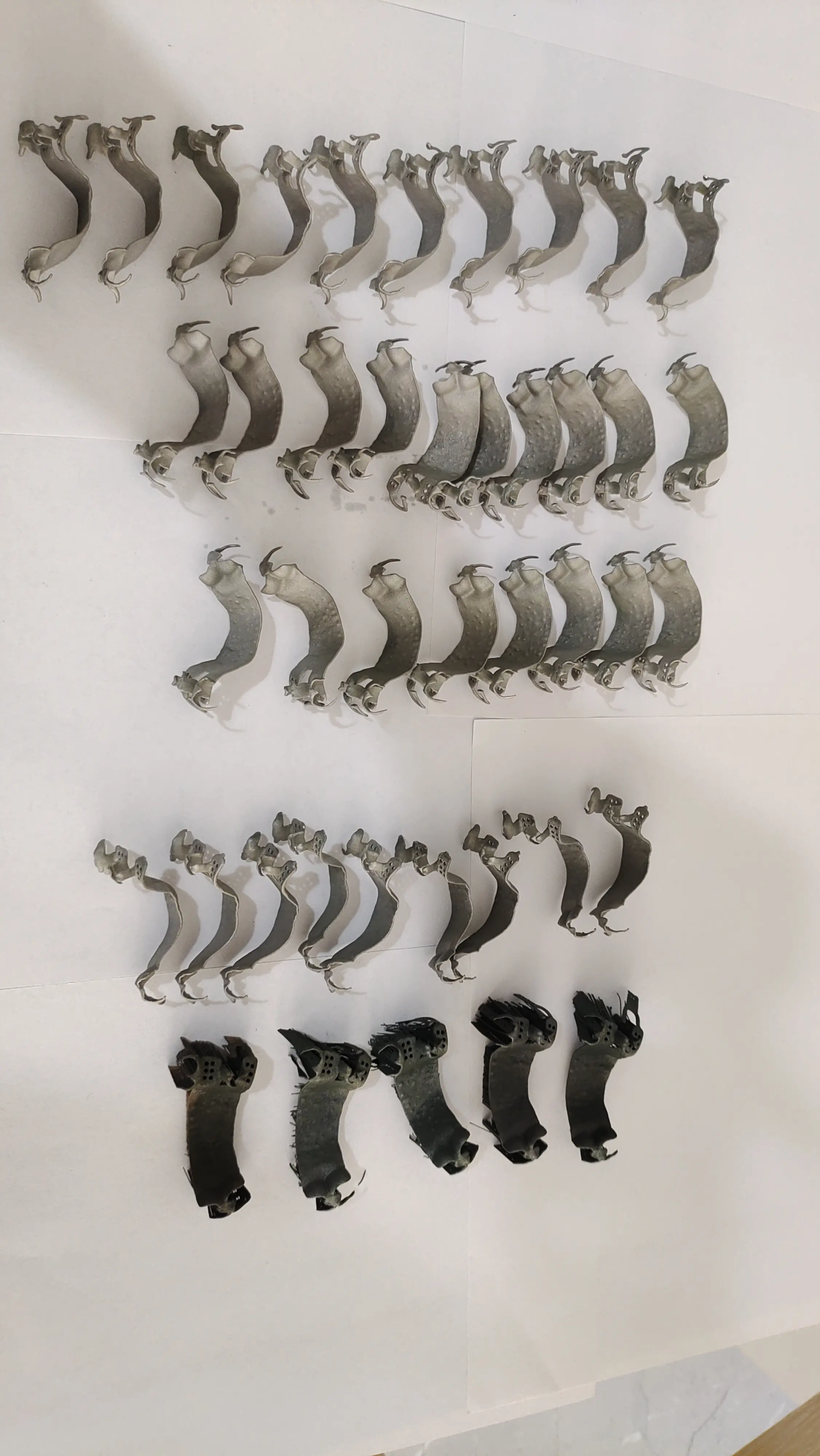
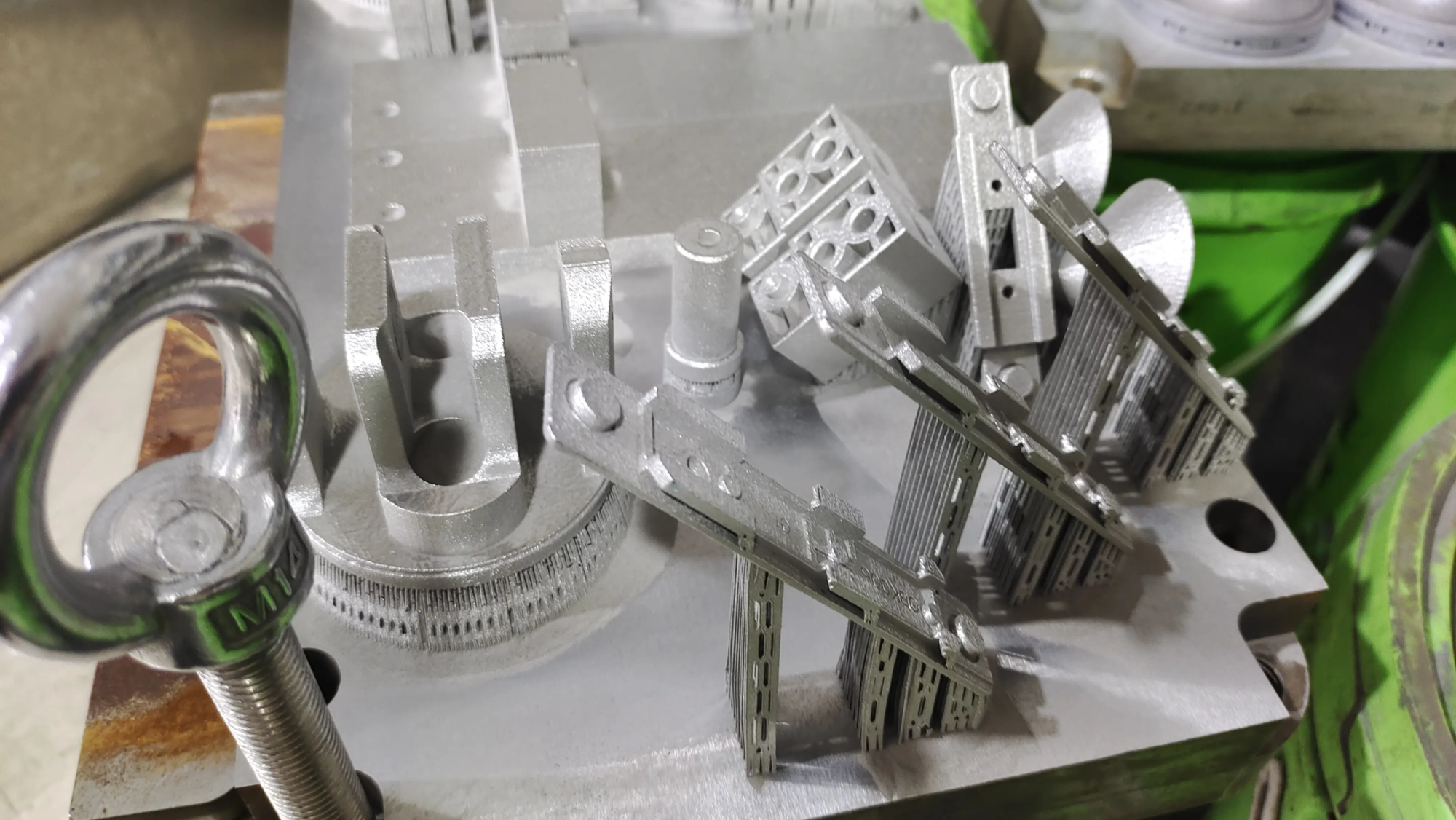
- Tip SLM (Selective Laser Melting): Print high-strength metal parts (stainless steel, titanium, aluminum) through traditional methods with complex internal geometry.
- End-to-end workflow: From design optimization and material selection to post-treatment (heat treatment, CNC finish, powder coating).
- Speed and scalability: Rush Services provides prototypes in a few days, thus bridging the gap between prototypes and small volume production.
- Material versatility: Custom alloys, high temperature resins and engineering grade polymers that meet the needs of your project.
Whether you are a startup testing gear mechanism or an artist commissioning bronze sculptures, Greatlight’s expertise ensures excellence. Customize precision parts on competitive pricing and backed by a team dedicated to solving the toughest prototype challenges.
in conclusion
Rock octopus is more than just an ornament. This is a celebration of how 3D printing democratizes art and engineering. By mastering slice strategies, material selection and post-processing, you can conquer this complex print and unlock new creative horizons. For adventures that require unparalleled precision or metal craftsmanship, take advantage of professional services Great Improve vision beyond desktop restrictions. Now, start the printer – the avatar that lives in the rock is waiting!
FAQ
Q1: Can I print rock octopus without support?
Answer: It is unlikely. The overhang of the antennae exceeds the safe angle (>45°). Trees support minimize damage and are easier to delete.
Q2: What thin filaments imitate "rock" The best texture?
A: Stone PLA (including chalk/plaster) adds tough realism. Alternatively, use standard PLA with sanding and textured paint.
Q3: How big can I print?
Answer: The bed size limits the height, but the subdivided design allows assembly. Extend with caution: over 150%, increase wall thickness and fill to prevent collapse.
Question 4: Why choose metal 3D printing as an art project?
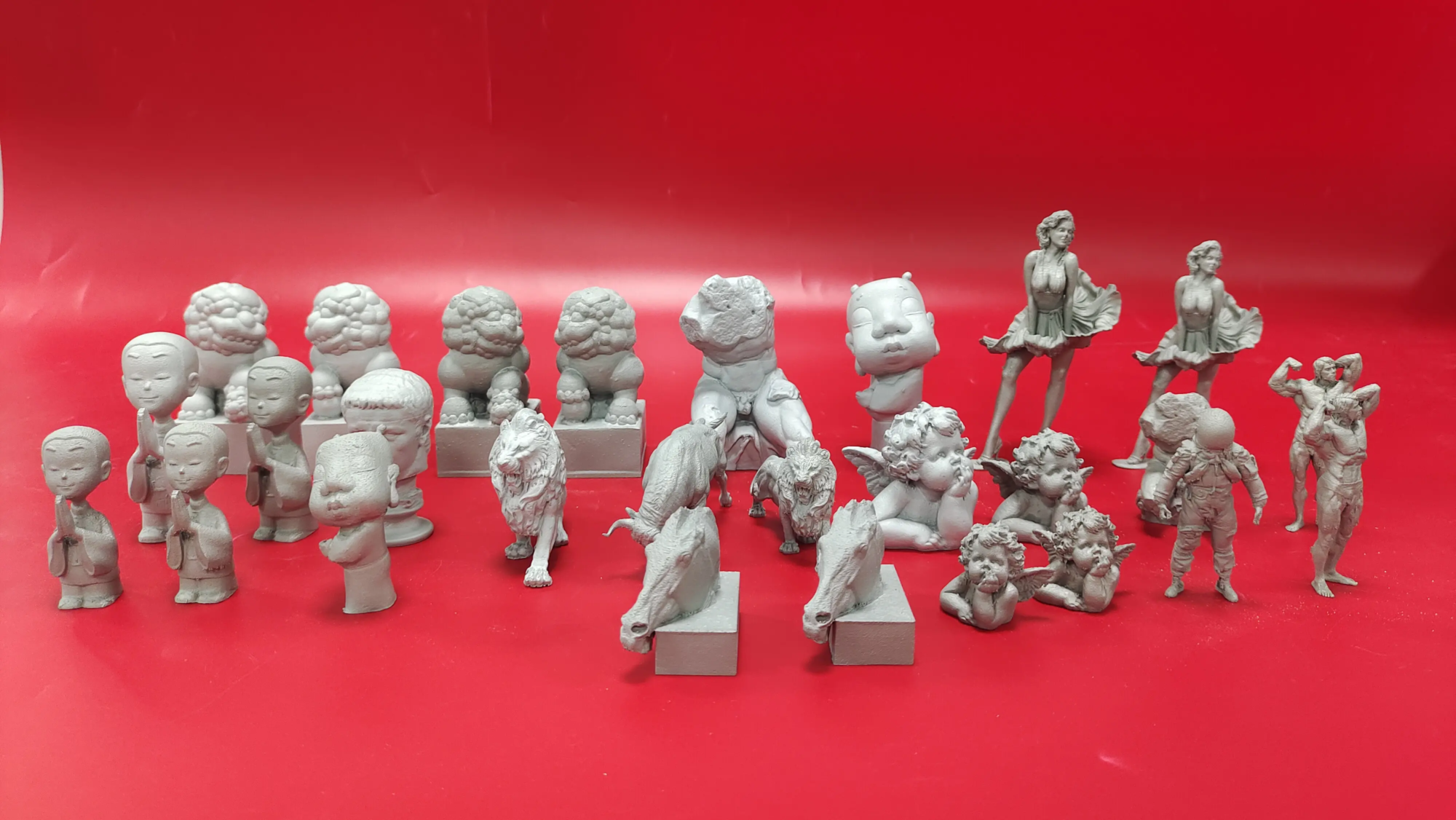
A: Metals such as bronze or stainless steel provide durability, weight and reputation. Greatlight’s SLM technology captures details while achieving structural integrity.
Q5: What post-processing does Greatlight provide?
A: Services include pressure – relief annealing, precision machining, media blasting, polishing, anodizing and custom coatings.
Q6: How to prevent tentacles from capturing during printing?
Answer: The stress is distributed diagonally from the Eastern tentacles. Enable "Z-HOP" To avoid nozzle collisions, flexible materials (TPU, PETG) are used for large spans.
Question 7: Can Greatlight handle organic shapes such as rock octopus in metals?
Answer: Absolute. Their SLM printers perform well in complex, topologically optimized designs, making them ideal for artistic geometry.