Safety Unlocking Innovation: Basic Guide to Non-toxic Resin in 3D Printing
3D printing has revolutionized prototyping and manufacturing, allowing creators to dream digital into tangible reality. However, with the democratization of technology, a key problem arises: How safe are the materials we use? For resins (liquid polymers cured with UV light), it’s not just a buzzword; it’s the cornerstone of responsible innovation. Traditional resins usually contain potential carcinogens such as volatile organic compounds (VOCs), allergens and benzene derivatives. Prolonged exposure can lead to skin irritation, respiratory problems or long-term health risks. This makes the transition to non-toxic resins not only desirable, but must be done for amateurs, engineers and businesses.
Safety Science: What Makes Resin "Non-toxic"?
Not all resins are equal. Prioritize non-toxic formulas over human and environmental safety by:
- Biologically based ingredients: Plant-derived resins (such as soy or castor oil derivatives) replace petroleum-based monomers, reducing VOCs and providing biodegradability.
- Low radiation chemistry: Labeled resin "Skin safety" Avoid acrylates such as Hema or Tegdma, which are notorious for causing dermatitis. Instead, they use modified acrylates with lower mobility.
- Certification: Looking for compliance:
- rohs/touch: Limit dangerous substances.
- Biocompatibility (ISO 10993): Crucial for medical/dental applications.
- Blue Angel or Green Guard: Verify low indoor emissions.
Top non-toxic resin types
- Washable resin: Eliminates toxic solvents such as isopropanol (IPA) in post-processing. Ideal for school and home use, but ensure proper water disposal to avoid micro-contamination.
- Plant-based resin: Brands such as Algix 3D use Algae Biomass, which provide near-zero VOC emissions. Durability is comparable to traditional resins, but the price may increase by 20-30%.
- Medical grade resin: Certified non-cytotoxic resins (e.g., formlabs Dental SG) can be safely used in oral splints or surgical guidelines.
Safety goes beyond substance selection: Best practices
even "Non-toxic" Resin requirements are cautious:
- ventilation: Use a closed printer with integrated HEPA/activated carbon filter.
- PPE: Nitrogen gloves and ANSI Z87.1 grade goggles are not negotiable.
- Post-processing: Washable resin simplifies cleaning, but UV curing is still crucial to eliminating residual monomers.
- deal with: Do not pour liquid resin into the drain pipe. Heal waste fully before landfill disposal.
Why work with experts? Great Advantages
For businesses that prioritize security without compromising accuracy, professional 3D printing services mitigate risks. exist GreatWe combine cutting-edge technology with strict security protocols:
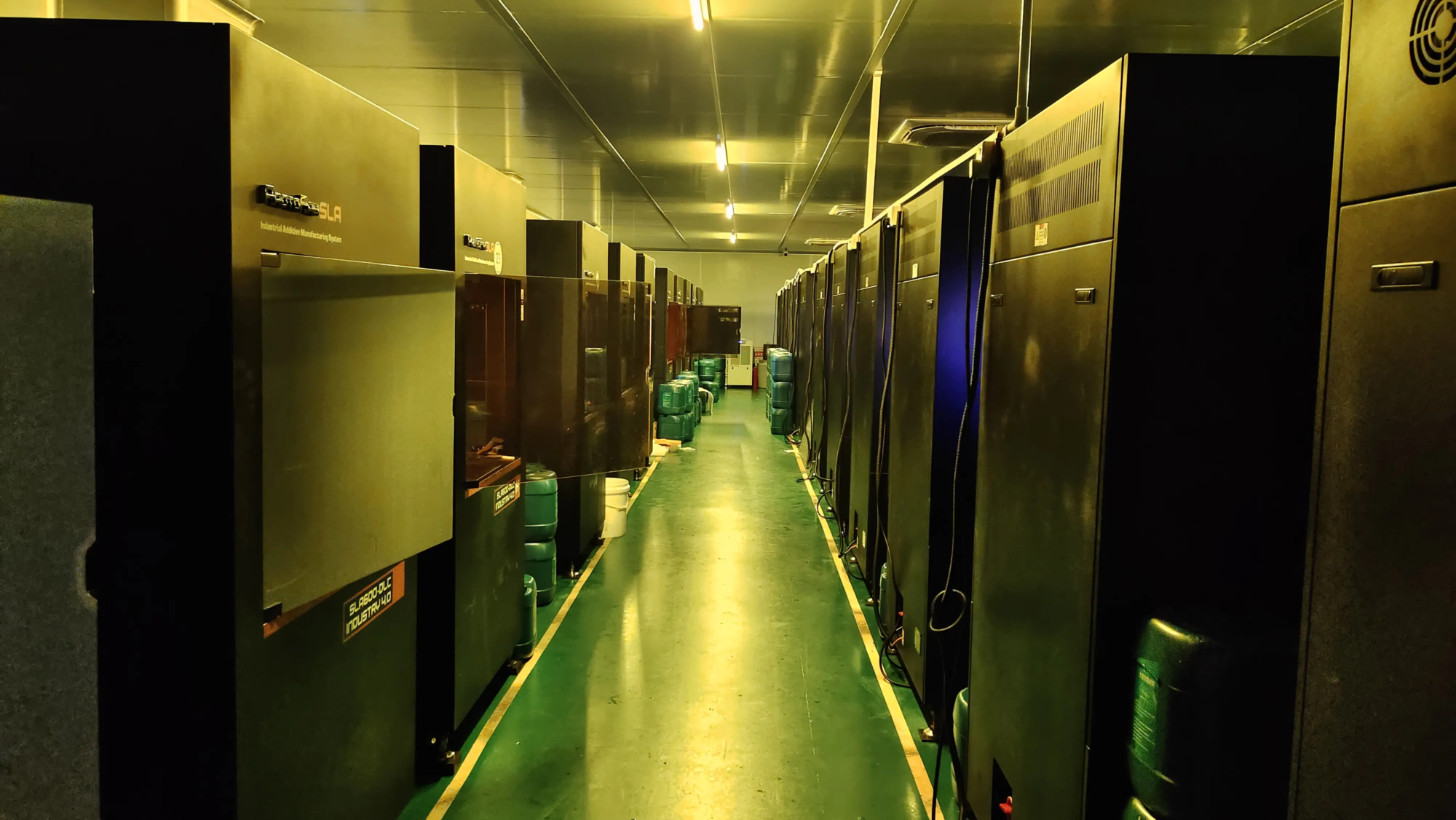
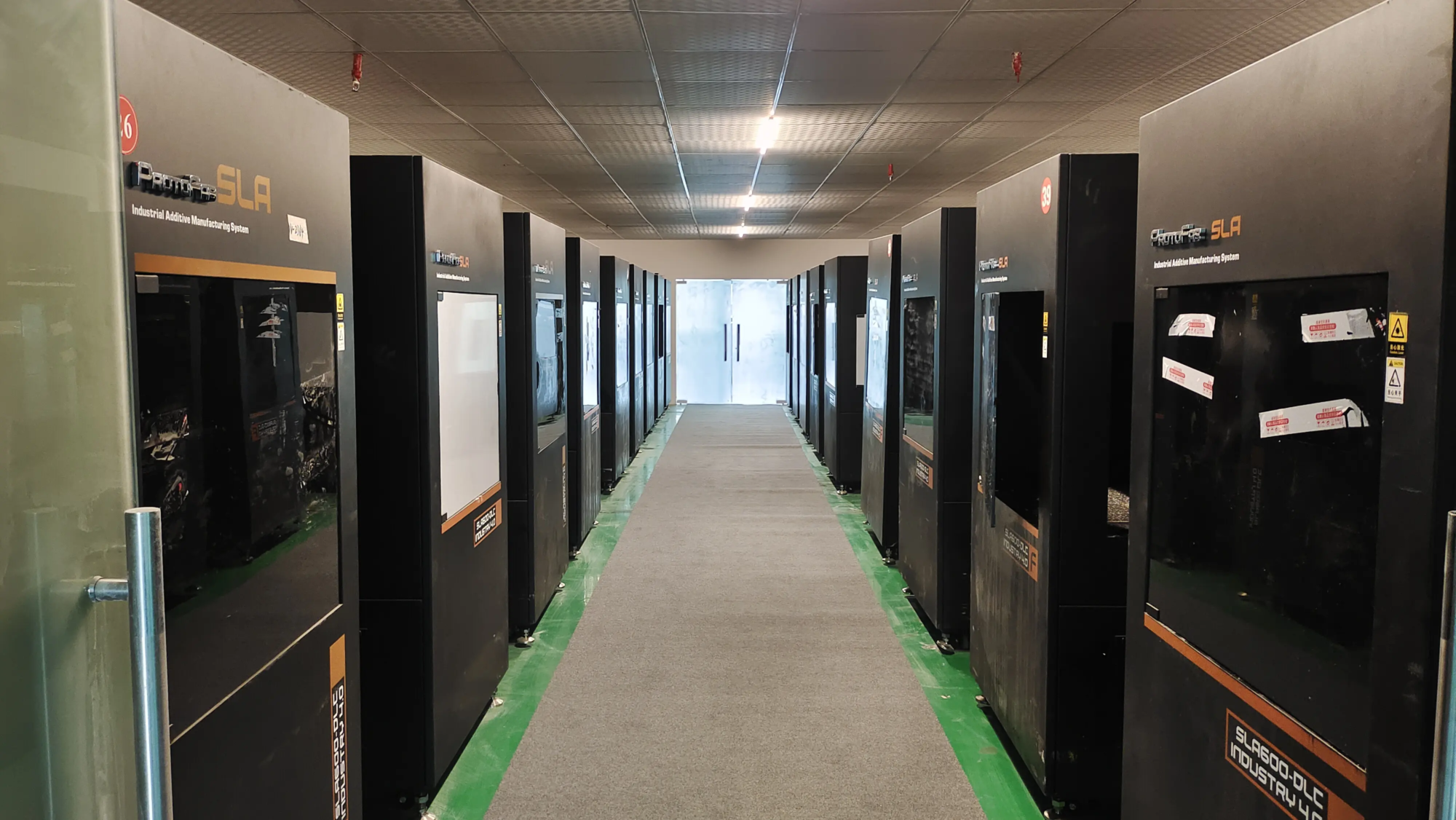
- Our SLM 3D Printer Provides excellent accuracy for metal parts, while our resin workflow prioritizes non-toxic certified materials for rapid prototyping.
- As One-stop serviceWe handle compliant post-treatment (UV curing, solvent recovery) and finish (sanding, paint) to eliminate user exposure hazards.
- Material flexibility allows us to customize solutions (whether you need a biocompatible prototype for a durable plant-based resin for consumer products, it can be done at competitive prices.
With ISO 9001 certification process and commitment to EHS (Environmental, Health and Safety) standards, Great It reflects how professional partners can bridge innovation and responsibility.
In short: smart printing, print safe
Non-toxic resins are redefining the future of 3D printing to make it accessible, ethical and sustainable. While DIY users must prioritize ventilation and PPE, working with experienced manufacturers, such as Greatlight, ensures regulatory compliance and material expertise. By choosing safety-first materials and partners, we can protect our health, environment and creativity.
FAQ: Non-toxic resins in 3D printing
Q1: Yes "Ecology" Is the resin really non-toxic?
Not universal. Some brand green terms "Natural." Verify certification (such as USDA Biopreferred) or third-party laboratory reports for VOC emissions.
Q2: Can non-toxic resins match the strength of traditional resins?
Yes! Advanced bioresin such as Polynatura (for example, by Any Cubic) provides tensile strength up to 50 MPa, which is consistent with ABS-like resins.
Q3: Is it safer to use water resin than to clean it?
For users, yes – it avoids flammable solvents. However, wastewater contains micro-tooth particles. Always heal wastewater residues before disposal.
Question 4: Does Greatlight support low-volume custom projects?
Absolutely. As a rapid prototyping expert, we offer scalable production (from single prototypes to batch processing) with fast turnover and material customization.
Q5: How should I store non-toxic resin?
Like all photopolymer resins: in an opaque container at 15-30°C, away from UV light. Plant-based resins may have short shelf life (6-12 months).
Question 6: Can I use these resins for food contact items?
Only when clear FDA approval is made. most "Non-toxic" Resin is not food safe due to the risk of leaching after curing.
Improve the next project with security and precision. Get quotes from today’s Greatlight – Innovation is in line with integrity.