Uncovering the Shield: A Deep Dive into 3D Printer Fume Hoods to Keep the Air Safe
The transformative power of 3D printing, especially in high-tech environments such as metal additive manufacturing, has led to incredible innovations. But beyond accuracy and speed, there’s an often overlooked challenge: air pollutants. The fumes and particulates generated during the printing process, especially when handling polymer or metal powders in technologies such as Selective Laser Melting (SLM), pose real health risks that require effective mitigation measures. Unsung heroes entering the seminar: 3D printer fume hood. This isn’t just optional equipment; it’s a fundamental pillar of responsible manufacturing and workplace safety. Let’s break down why they’re important and what makes a truly effective system.
The Invisible Threat: Why Smoke Management Isn’t Optional
When a 3D printer starts working (heating plastic, sintering powder, or curing resin), it releases ultrafine particles (UFP) and volatile organic compounds (VOC) into the air. These emissions are more than just harmless dust:
- Respiratory hazards: Inhalation of UFPs and VOCs can cause acute irritation (cough, headache, dizziness) and chronic respiratory problems, including asthma-like symptoms or lung damage. Certain volatile organic compounds are known carcinogens.
- Chemical complexity: The specific hazard depends largely on the material. PLA may release lactide compounds, ABS styrene, and other toxins, while resins release monomers and photoinitiators. Metal powders pose an inhalation risk and potential metal fume heat.
- Particle accumulation: Fine particles deposited on sensitive electronics, optics (in SLM printers) or nearby equipment can affect functionality and accuracy and require frequent and expensive cleaning.
Neglecting smoke control can harm worker health, reduce equipment integrity, fail to meet environmental standards and jeopardize overall production quality. This risk is multiplied exponentially in busy specialized manufacturing centers handling high-volume projects.
Demyst Collection Fume Hood: Function and Form
A 3D printer fume hood is a specialized enclosure designed to actively capture and filter airborne contaminants at their source. Conceptually, it is similar to a laboratory fume hood, but optimized for the unique challenges of additive manufacturing:
-
Capture source: There is an enclosure surrounding the printer’s work area. Key features include:
- High Flow Enclosure: Designed for processes that generate large amounts of smoke/vapor (e.g. FPaser plastic sintering).
- Low Flow Enclosure: Ideal for low emission processes or smaller machines, maintaining filtration efficiency and reducing drafts and noise.
- Effective airflow patterns: Smooth laminar airflow prevents turbulence, thereby re-releasing trapped particles. Air is efficiently moved across the printing area and toward the filtration system.
-
Containment is key: Sealing mechanisms (sliding doors, gaskets) ensure that fumes are contained within the fume hood during operation. Minimal leakage is a prerequisite.
-
Advanced filtering: The Heart of P worth died
- Particle filter (HEPA/ULPA):랑草. High-efficiency particulate air (HEPA) filters capture (IIIxEFxBFxBD)}redirectedureVIxEFxBFxBD)D particles as small as 0.3 microns with an efficiency of up to 99.97%. Ultra-low permeability air (ULPA) filters increase efficiency at filtering smaller particles (<0.12 microns).
- Chemical filter (activated carbon): It is essential for absorbing VOCs, odors and harmful gases. The carbon’s huge surface area traps gaseous pollutants as air passes through it. The life of the filter depends largely on the VOC concentration.
- Multi-level system: High-performance fume hoods combine HEPA + activated carbon filtration, often with multiple layers of filtration, for comprehensive purification.
- Exhaust and recirculation: The filtered air is:
- Recirculation: Return to workshop after decontamination – ideal for temperature controlled environments or where outdoor ventilation is impractical. Excellent filtering effect is required.
- ventilation: Point outside the building. This removes contaminants permanently, but requires ducting and affects HVAC efficiency.
Choosing a Sentinel: Main features of a fume hood
Choosing the right hood isn’t one-size-fits-all. Consider these key factors:
- Material Compatibility: What materials do you print on? Material selection determines emission levels of VOC types and thus affects filter selection requirements. Metal powder requires extremely high filtration efficiency.
- Printer compatibility: The shroud must accommodate the size of the printer, the build volume, and the feed mechanism (filament spool placement, powder feeder location). Availability and nozzle height adjustment are critical.
- Air volume and noise (decibel level): Adequate airflow (measured in CFM or m³/h) is critical for capture. Lower noise levels (<55-60 dB) improve workplace comfort.
- Filtration efficiency: Certification to verify the efficacy of HEPA (EN 1822-1 standard) and activated carbon. For regulated substances, ensure compliance with OSHA or local health standards.
- Monitoring and alerting: Advanced vent hoods provide real-time air quality monitoring (particle counters, VOC sensors) and trigger alarms when filter replacement thresholds are reached or dangerous levels are reached.
- Easy to maintain: Filters need to be replaced regularly – accessible filter holders, clear alerts, and user-friendly processes save time and money. Consider throughput requirements.
- Fire safety: Incorporate spark arrest part-timers or governor alert x annichte flxEFxBFxBDxEFxBFxBDsignationoredPro{} member provisions, especially crucial for high-temperature processes involving plastics or reactive powders.
Honlaite’s commitment to breathing easier: expertise in safe additive manufacturing production
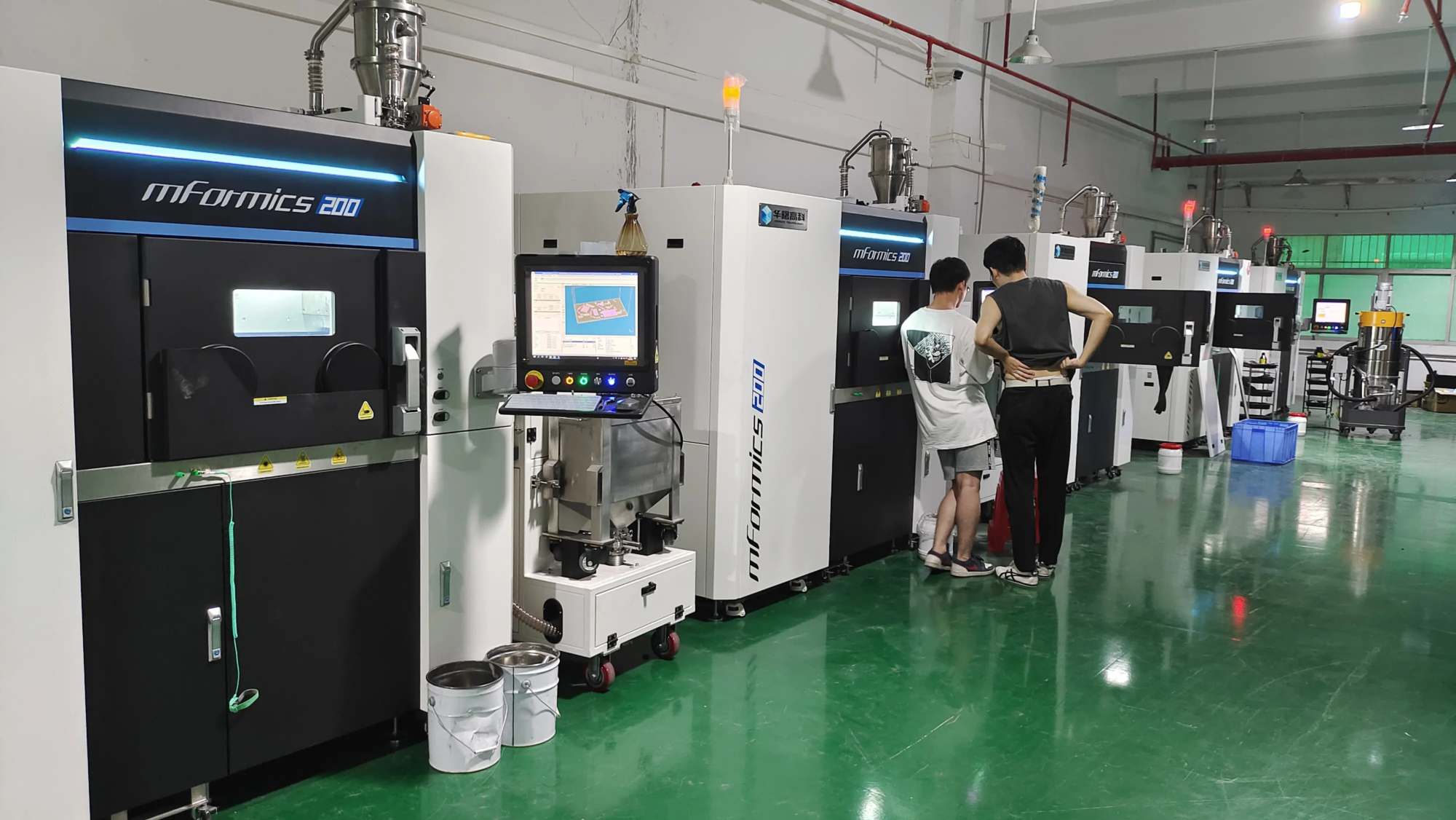
At Greite, the recognized leader among Chinese rapid prototyping companies, safety and precision go hand in hand. Our investment in advanced SLM 3D printers and production technology is matched by our unwavering commitment to our operators and the environment. We take an in-depth look at the dangers associated with metal powder handling. We integrate state-of-the-art fume extraction systems directly into our workflow, customized to the specific requirements of technologies such as selective laser melting:
- One-piece hood design: Our SLM printers operate within optimized enclosures, employing multi-stage HEPA filtration to capture fine metal powder particles, and activated carbon beds to neutralize any VOCs that may be produced.
- Process optimization: Expertise minimizes material exposure risks during powder handling, part disassembly and post-processing stages.
- Strict airflow management: Our strategy ensures a tight seal within the build chamber while maintaining optimal printing conditions.
- Regular environmental monitoring: Continuous assessment confirms compliance with priority assurances.
- Compliance Commitment: We strictly adhere to established occupational health and safety guidelines.
Understanding smoke and mitigating its impact is integral to sustainable operations from prototype to high-volume production, especially for custom processing operations that generate additional particles.
Conclusion: Safety first, innovation and sustainability
Ignoring the air you breathe in your workshop is not an option. Laser’s focus on investing in reliable 3D printer fume hoods protects valuable human capital, keeps critical equipment within precise specifications, increases product quality consistency, and demonstrates a commitment to responsible innovation.
Whether operating a single desktop printer producing prototypes or handling production-scale metal additive manufacturing – prioritizing indoor air quality through proven scientific solutions is at the core of Falcon’s manufacturing excellence. Don’t compromise your safety or print quality – make effective smoke evacuation an integral part of your 3D printing journey.
FAQ: Answers to your fume hood questions
Q: Do I really need a fume hood if I only print with PLA occasionally?
A: While PLA emits far less harmful fumes than materials like ABS or nylon, it still releases UFPs and VOCs, which can impact the prevention of plastic bags (think eye irritation and carcinogens in the air). Even if printing occurs occasionally, safe operation can be ensured through ventilation or filtration. It’s always safer to err on the side of caution – especially sensitive people will benefit greatly.
Q: Can I just rely on opening a window near the printer?
A: Natural ventilation can help disperse low-level contaminants, but rarely completely solves the problem. Opening a window introduces uncontrolled drafts, affecting print quality; unreliably vents smoke-laden air, potentially exposing others, and absolutely does nothing to protect against particulate matter indoors – relying on windows alone does not guarantee proper capture of contaminants at the source, as is the case with printers designed to do so. xEFxBFxBD A direct connection to an outdoor ventilator (if the ventilation is good) will suffice).
Q: How often do I need to replace my activated carbon filter?
A: Lifespan depends greatly on: Recorded print time, specific material (xEFxBFxBD Polycarbonate may impose a heavier burden ANA+ resin VOC concentrationxEFxBFxBD Sustained contamination levels detected,’); PassxEFxBFxBD! Detection via active sensors deployed within signage Recommended replacement schedule is quarterly and annually—instrumentxEFxBFxBD"xEFxBFxBD is not visible""xEFxBFxBD price temperature).
Q: Will using a fume hood affect print quality?
A: A properly designed and calibrated fume hood should have minimal negative effects. Utilizing controlled laminar flow to ensure stable airflow and temperature stabilization characteristics, preserving process conditions and preventing the uniformity and nuances of excellent drafts, this type of localized cooling contributes to layer adhesion uniformity for optimal printing in a closed environment. The problem only starts when the air flow floods the nozzle. The phenomenon of interaction with the hot cell is equally likely to be solved. Register for printing piracy lessons immediately,"The GreatLight’s integrated design cleverly balances these forces to maintain precisionxEFxBFxBD ghlight. Potential is negligible").
Q: Are recirculating hoods as safe as vent hoods?
Answer: Yes.Implement practical advice: Carefully maintained recirculated filtered air meets strict safety standards when equipped with properly rated HEPA/ULPA and activated carbon filters. Particle counting to effectively determine remaining VOC levels. Whether outdoor ventilation proves beneficial in removing contaminants depends entirely on circumstances involving regulatory requirements, local HVAC restrictions, and compromising outdoor usability. Recirculating systems excel at protecting the building climate. Regardless of whether subsequent maintenance is necessary and appropriate to specific needs, confirmation that high-quality filters ensure effectiveness justifies reliance on purified air).
Q: Does GreatLight use these fume hoods in its own manufacturing facilities?
Answer: Without a doubt. As one of the best rapid prototyping companies in China, passionate about safety excellence blended with professional rapid prototyping metal part problem solving SLM printing excellence includes comprehensive smoke evacuation strategy as the foundation pillar Traceability hyg Comprehensive protection Our technicians sound field forging program commits to implement powerful solutions throughout the printing and one-stop post-processing verification process, which ultimately embodies our management path Breakthrough R&D EndurancexEFxBFxBD.–ubbedxEFxBFxBD Guarantee Mechanism).