Razor sharpness through advanced manufacturing: The rise of 3D printed knife sharpeners
Nothing is more frustrating in the kitchen or workshop than a dull blade. The pursuit of a perfect knife edge—one that is consistent, durable, and easily sharpened—has driven innovation in knife sharpening tools for centuries. Now, additive manufacturing (AM), specifically metal 3D printing, is blazing a new trail in this field with specialized 3D printing sharpeners. This is more than just a novelty; it represents the fusion of ancient craftsmanship and cutting-edge technology, using precision engineering to solve fundamental problems.
Beyond the Stone: Technical Advantages of 3D Printed Knife Sharpeners
Traditional knife sharpeners rely on a preset grinding angle created by bonded ceramic or alloy. Although effective, their geometry is fixed. The core innovation of the functional 3D printed knife sharpener is Precise, customized and optimized design:
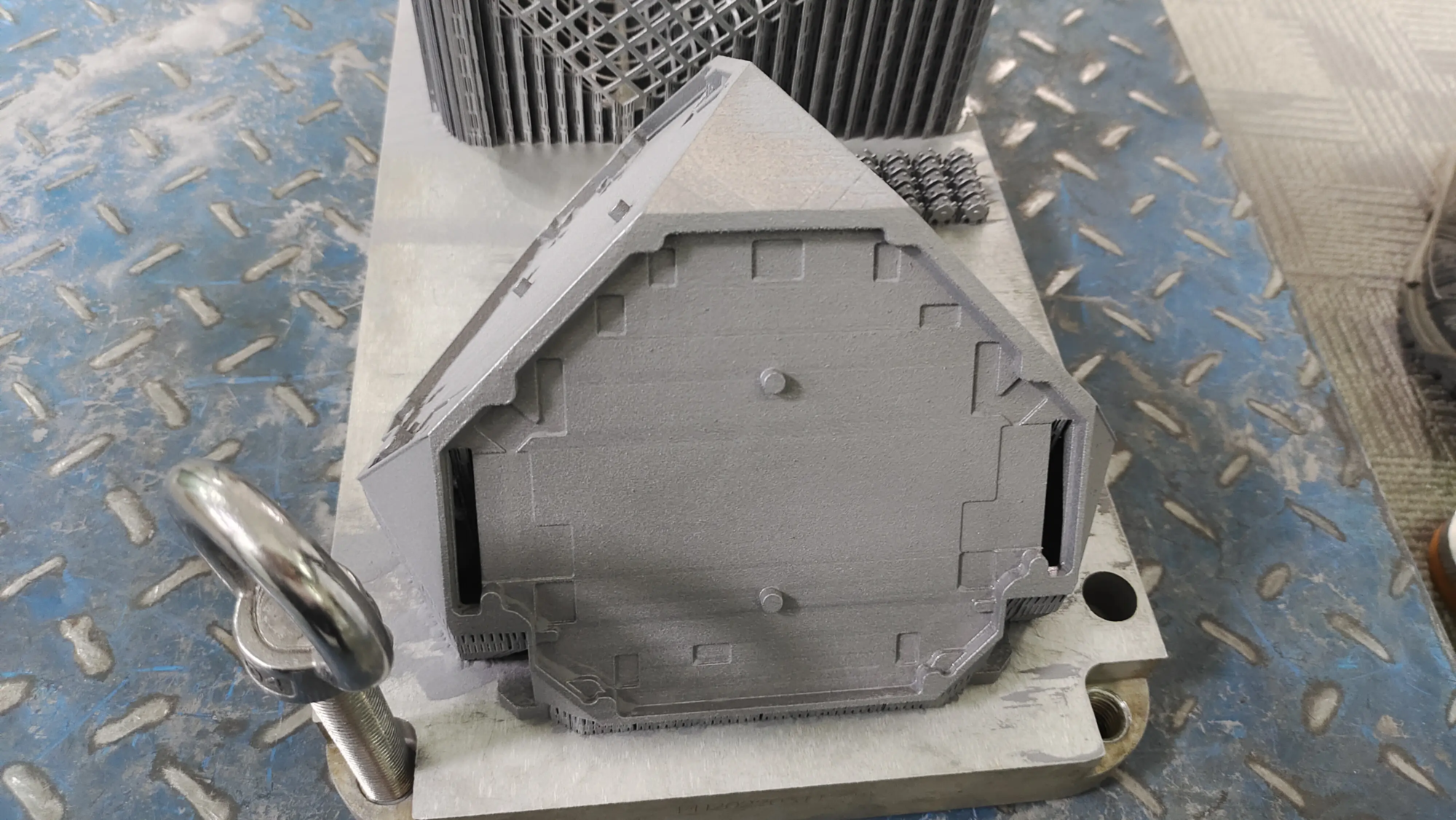
- Unparalleled geometric complexity: Selective laser melting (SLM) and similar metal powder bed fusion processes use high-power lasers to build components layer by layer. This allows for the creation of complex internal channels for potential lubricant flow, an ergonomic handle that perfectly conforms to the user’s grip and, most importantly, Precisely controlled sharpening angle down to a fraction of a degree. The multi-stage knife sharpener (coarse to fine-grained stages) is seamlessly integrated into one sturdy unit and is angled to suit different blade types (e.g. Western kitchen knives vs. Japanese single-bevel knives).
- Material advantages: Use high performance alloys such as 17-4PH stainless steel, maraging steel (MS1) or tool steelthe 3D printed knife sharpener achieves significant hardness and wear resistance after proper heat treatment (crucial for post-processing). These materials resist deformation far better than many traditional sharpeners, maintaining their precise geometry over long periods of use. Controlled density achieved through optimized laser parameters ensures structural integrity, even in thin-walled sections that are critical for sharpening edges. SLM can also strategically place different materials or densities within individual components (multi-material printing, although less common), potentially optimizing areas of stiffness versus impact absorption.
- Mass customization and design optimization: Additive manufacturing excels at economically producing customized solutions, even in small batches. Knife sharpeners can be personalized to suit an individual’s knife collection, preferred angle, hand size, and even aesthetic preferences. Additionally, topology optimization algorithms can be applied during the design phase to minimize material usage without sacrificing strength, ensuring the tool is lightweight yet durable. Parametric design enables rapid iteration and feature testing not possible with traditional machining.
- Integrated features: Design freedom enables the integration of features such as ceramic rod holders, magnetic tool holders, angle guides etched directly into the surface, and even integrated carbide blades for heavy-duty material removal—all additively manufactured as a cohesive system.
SLM Advantages: Accuracy That Matters
Sharpening relies on maintaining a precise angle between the blade’s bevel and the grinding surface. Even small deviations or inconsistencies in sharpener rail geometry can result in poor edges and damaged blades ("Over grinding"), and user frustration. where is this SLM technology shines:
- Microscope precision: With laser spot sizes as small as tens of microns, features such as critical sharpening guides or abrasive mounting points can be reproduced with extremely high fidelity.
- Internal consistency: Unlike cast or machined parts where internal stresses can cause post-machining warpage, layer-by-layer cured SLM components exhibit a very consistent grain structure throughout critical functional areas. Post-processing stress relief further reduces the risk of deformation.
- Surface finish potential: While printed surfaces require finishing, techniques such as precision machining, abrasive flow machining or electrochemical polishing applied to critical sharpening surfaces can achieve the smoothness and dimensional accuracy necessary for consistent blade contact. Precise guiding surfaces ensure the user maintains the correct angle throughout the entire stroke.
- Complexity without the cost: Integrated channels, ergonomic curves and multifunctional components add little to no manufacturing cost compared to traditional methods, allowing for smarter designs.
Materials Science: The Fundamentals of Performance
The long-term performance of a 3D printed knife sharpener depends entirely on material selection and processing:
- 17-4PH stainless steel: It is widely favored for its corrosion resistance, high strength (especially hardness >45 HRC after H900 heat treatment) and good toughness. Provides excellent balance for most sharpening use cases.
- Maraging steel (e.g. MS1): Aging heat treatment provides excellent strength (high tensile strength) and fracture toughness. Reaches a very high hardness (50+ HRC), making it extremely wear-resistant and ideal for heavy-duty knife sharpeners. Excellent dimensional stability during heat treatment. Excellent surface peeling resistance and high wear resistance.
- Tool steel (e.g. H13 modified): Suitable for the most demanding applications requiring extremely high wear resistance approaching carbide levels (hardness in excess of 60 HRC after quenching and tempering). Optimized printing parameters and careful post-processing heat treatment are critical to preventing cracks and achieving target performance.
These alloys are processed using SLM machines calibrated with strict parameter optimization (laser power, scan speed, fill spacing, layer thickness) to achieve near full density (>99.5%) and consistent microstructure throughout the part.
Post-processing: activation potential
Raw SLM prints require meticulous post-processing to unlock their sharpening potential:
- Relieve stress: Residual internal stresses created during layer-by-layer melting and solidification are eliminated to minimize future deformation.
- Heat treatment: Age hardening (for maraging steels) or precipitation hardening (for 17-4PH) significantly increases hardness and strength. Solution treatment and aging cycles are tailored to each alloy.
- Precision machining: Key functional areas such as the sharpening guide surface, abrasive mounting pad, and assembly interface are CNC machined to achieve micron tolerances and a mirror-like surface finish, which are critical for smooth blade action and angular consistency.
- Surface treatment: Techniques such as abrasive flow machining (deburring of internal channels), sand blasting, vibratory finishing (overall smoothness), electrochemical polishing (excellent surface cleanliness and corrosion resistance) or micro-blasting of specific surfaces ensure optimal performance and aesthetics.
- Assembly and integration: Carbide inserts or ceramic rods are precisely and permanently installed within the printed structure.
Applications: From cooking precision to industrial reliability
3D printed knife sharpeners aren’t just for the kitchen:
- Professional chef: Harsh environments where speed, accuracy and durability are critical. Customized angles for specific knife sets.
- Serious home cook: High-performance tools deliver restaurant-quality results and longevity.
- Outdoor Activities and Jungle Adventures: A sturdy, reliable knife sharpener that can be taken into the field with confidence, with a geometry optimized for hunting knives, axes or multi-purpose tools.
- Industrial workshop: Sharpening blades for cutting tools, planers, or specialized equipment often require non-standard angles or configurations.
- Manufacturing and prototyping: Functional test fixtures for blade manufacturers or prototype designs next generation Sharpening system.
Proven Success: Real-world feedback highlights the longevity provided by material integrity, the consistency provided by precision rails, and the ergonomic comfort provided by custom designs—advantages directly attributable to additive manufacturing.
Conclusion: The future is bright
The 3D printed knife sharpener demonstrates how advanced additive manufacturing can move beyond basic prototyping into real-world functional end-use applications that require superior performance and customization. By leveraging the unparalleled geometric freedom, material selection and precision of SLM metal printing, coupled with expert post-processing, manufacturers can create sharpening tools that outperform traditional designs in durability, consistency and user experience.
This feature directly addresses the core challenge of blade maintenance, providing a solution to the limits encountered by traditional manufacturing. It demonstrates the practical power of rapid prototyping maturing into production-ready advanced manufacturing – delivering tangible value through cutting-edge engineering embedded in everyday tools.
FAQ: 3D Printed Knife Sharpener
-
Q: Aren’t 3D printed plastic knife sharpeners common? What’s the difference between metal ones?
- one: Yes, plastic knife sharpeners (especially FDM) exist, often as simple designs or toys. Metal SLM printed knife sharpeners are fundamentally different. Engineered for professional-grade performance using high-strength, hardenable alloys and precision printing/finishing, they offer extremely superior durability, wear resistance, dimensional stability under pressure, and the ability to create complex, optimized geometries not possible with plastic printing.
-
Q: How durable are these really? Won’t printed metal wear out faster than carbide or ceramic rails?
- one: The correct selection and processing of metal alloys such as hardened maraging steel (HRC 50+) or tool steel (HRC 60+) are core functions. Optimized for SLM printing and precise heat treatment, these materials offer exceptional wear resistance and are designed to handle abrasive cutting edges. They are fundamentally different from printed plastic and perform on par with many traditional metal sharpeners.
-
Q: What are the advantages over high-end traditional sharpening systems?
- one: Key benefits include:
- custom made: Customize angles, ergonomics and functionality precisely to your needs or knife type.
- Integrated design: Seamlessly combine multiple sharpening stages/types (e.g. carbide, ceramic) or functional features into one optimized unit.
- Complex geometric shapes: Achieve lightweight and structurally optimized design that cannot be achieved by forging or traditional CNC machining.
- Performance materials: Maximum hardness is obtained in advance using specially treated alloys.
- one: Key benefits include:
-
Q: Are they difficult to clean?
- one: Post-treated metal surfaces, such as electropolished stainless steel, are usually very smooth and hygienic. Similar to any metal sharpener, metal shavings (files) may be produced and require cleaning. Compared to multi-part assemblies, they are often designed to minimize gaps where debris can become trapped.
- Q: Can I get a custom sharpener for my specific knives?
- one: Absolutely! This is a major advantage. A professional prototyping partner can design and manufacture a precisely customized knife sharpener based on the angles of your specific knives (e.g., your chef’s knife vs. a paring knife), the size of your hands, and desired features (e.g., compact stroke size, integrated knife holder, specific grit stage).
Experience cutting-edge manufacturing
exist huge lightwe focus on turning innovative concepts such as high-performance 3D printed knife sharpeners into reality. Our expertise isn’t just about making parts; It is an engineering solution.
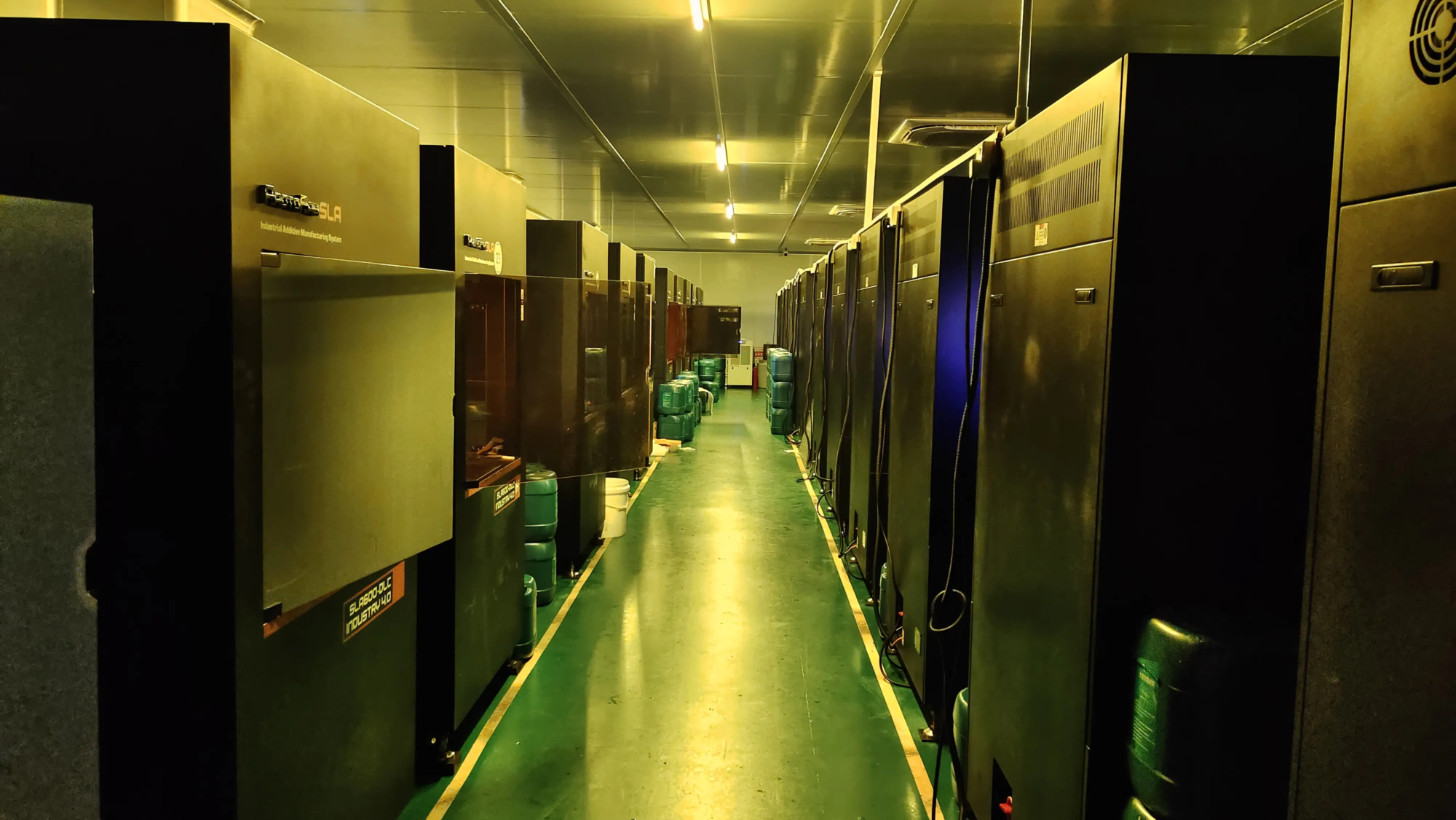
- Advanced SLM technology: We operate cutting-edge industrial-grade metal 3D printers calibrated to achieve superior density, resolution and material properties.
- Deep materials knowledge: We guide our customers in selecting the best alloys (17-4PH, MS1, tool steel, titanium, nickel alloys) and processing routes to meet demanding functional applications.
- Excellent integrated post-processing: Our in-house capabilities include forced heat treatment (solution treatment, aging), precision CNC machining (to tolerance), and a full suite of finishing processes (HFQ treatment, EDM, sandblasting, polishing) tailored to critical functional surfaces.
- Rapid prototyping and production: Whether you need a functional prototype for rigorous testing or low-volume production of an optimized knife sharpener, we provide fast, reliable service optimized for metal part prototype design.
- Design for Additive Manufacturing (DfAM): Our engineers optimize designs from the beginning for SLM manufacturability, performance and cost-effectiveness.
Don’t settle for existing limitations. Leverage precision, customization and performance with metal 3D printing. GreatLight provides the expertise and advanced manufacturing capabilities to turn your sharpest ideas into reality.
Customize your precision metal rapid prototyping solution today.