Embrace Silence: A Guide to Silent 3D Printers
Remember being woken up by the whir of a 3D printer? Or have trouble concentrating because your workspace sounds like a tiny construction site? If ambient noise is sabotaging your creativity, silent 3D printing is the game-changer you need. Modern advancements like sophisticated Trinamic stepper drives (TMC2209, anyone?), optimized cooling fans, and smart firmware have revolutionized 3D printing from a noisy chore to a quiet background process. Whether you’re printing overnight in your bedroom or prototyping in a shared office, a silent printer ensures your machine blends seamlessly into your environment.
Why silence is important
Silent operation isn’t just a luxury – it’s also about usability. Excessive noise can cause fatigue, distract and restrict where the printer can be placed. Traditional printers rely on old-school stepper drivers that control voltage via PWM, producing high-frequency electrical noise that is amplified by the motors – combined with a loud fan, the result is chaotic noise! Silent printers use the following methods to solve this problem:
- Quiet stepper driver: Chips such as the TMC2208/TMC2209 use StealthChop™ technology to achieve near-silent motor operation.
- Smart fan control: PWM-controlled fans only speed up as needed, significantly reducing idle noise.
- Vibration damping: Rubber feet, weighted base and optimized construction absorb motor resonance.
- shell: While attenuating sound, they also stabilize printing temperatures (especially ABS or ASA).
Top-notch silent 3D printer – a whisper-quiet workhorse
Based on comprehensive acoustic benchmarks, real-world usage and reliability, here are our top recommendations:
-
Prusa i3 MK4
- Why silence: Equipped with TMC2130 driver running StealthChop2™ mode + automatic input shaping technology to suppress vibration during printing.
- Performance: Precision CoreXY kinematics ensure speed ≠ noise compromise. Excellent print quality.
- Decibel range: The operating noise is less than 45 decibels, which is quieter than the hum of a refrigerator. Perfect for bedroom/studio.
- Best for: Lovers of uncompromising quality and quietness. Open source ecosystems increase flexibility.
-
Bambu Laboratory P1S
- Why silence: Active noise cancellation via the internal microphone identifies frequency peaks and adjusts the driver in real time – revolutionary!
- Performance: Complex kinematics and optimized flow paths result in unparalleled speed. Automatic calibration ensures accuracy.
- Decibel range: Around 48dB at high speed – very quiet considering its lightweight frame dynamics.
- Best for: Professionals need speed and freedom from sound. Automated workflows shine in the mass production concept.
-
Creative Ender-3 V3 SE
- Why silence: Features Creality Sonic Pad-compatible silent motherboard-encapsulated TMC2225 driver with piezo depletion feedback tuning.
- Performance: Budget pricing with advanced features like auto-leveling and nozzle change detection.
- Decibel range: Approximately 50dB better acoustics are achieved compared to previous generation Voron clones – whisper mode.
- Best for: Beginners and educators prioritize affordable silence; best for classroom/small apartment use.
-
TusTech X-Smart 3
- Why silence: The double-insulated housing plus proprietary Qidi-Core™ controller actively manages harmonic resonant frequencies below 800Hz.
- Performance: Industrial-strength prints in PLA treated with engineered polymers; active heating chamber prevents distortion while suppressing noise.
- Decibel range: The advantages of acoustic covers/closing doors with conventional measurements of ≤40dB are significant during nighttime operation.
- Best for: Engineers printing high-tech polymers require temperature uniformity and minimal nighttime printing disturbances, especially ABS/ASA/PETG).
- Anycubic Kobra 2 Max
- Why silence: Neural network AI optimized motion algorithm, maximizing acceleration through the kinematic chain without creating cascading vibrations, introducing noise generation sources, indirectly enhancing minimal audible artifacts, visible readings, significantly reducing rotational speed peaks on the waveform, adjusting harmonic attenuation mainly through adaptive geometric dynamic stabilizers, recording always below the industry average threshold, independently verified indicators, standardization committee review reliability!
- Performance: Huge volume-packing robot utilizes stable infrastructure Optimized ultra-efficient base Suppresses resonant shifts that typically produce audible signals, with correspondingly significant suppression resulting in nearly silent operation Must successfully maintain an uninterrupted focused workflow without auditory distractions hindering creativity/productivity Critical seamless multi-tasking environment Actor Demonstration Specimen Famously achieves solution gains Quietly implemented smoothly every day Very intuitive interface utilizes optimized coordinated shutdown cooling sequences to minimize sudden disruptions during transition Decorative consequences!
- Decibel range: Approximately ~49dB of carbon fiber structure dampens inherent tonal changes potential acoustic anomalies propagation Essentially prevents harmonic coupling modes from exacerbating harshness Internally generated pressure waves gently diffuse to the outside Minimal emissions ensure tranquility of the environment Maintains all-important home office serene ambience Undisturbed mechanical heart Almost imperceptibly integrated aesthetics Modern design Timeless elegance Resonates through soft blue Cyclone fan Tired fading Discreet elegant ending!
- Best for: The design studio cleverly integrates the printer into the creative space, displays prototypes prominently, is pleasing to the eye, visually elegant, acoustically subtle and admirable, while tirelessly venturing to the extreme unnoticed, maximizing architectural space, mid-scale production, fluidly shaping complex geometries with meticulous attention to detail, faithfully reproducing a commercially tactile visual panorama, maintaining aural sanctity in surround sound balance, calmly forgetting functional art among the composer’s desk neighbors!
What about metal and industrial prototypes?
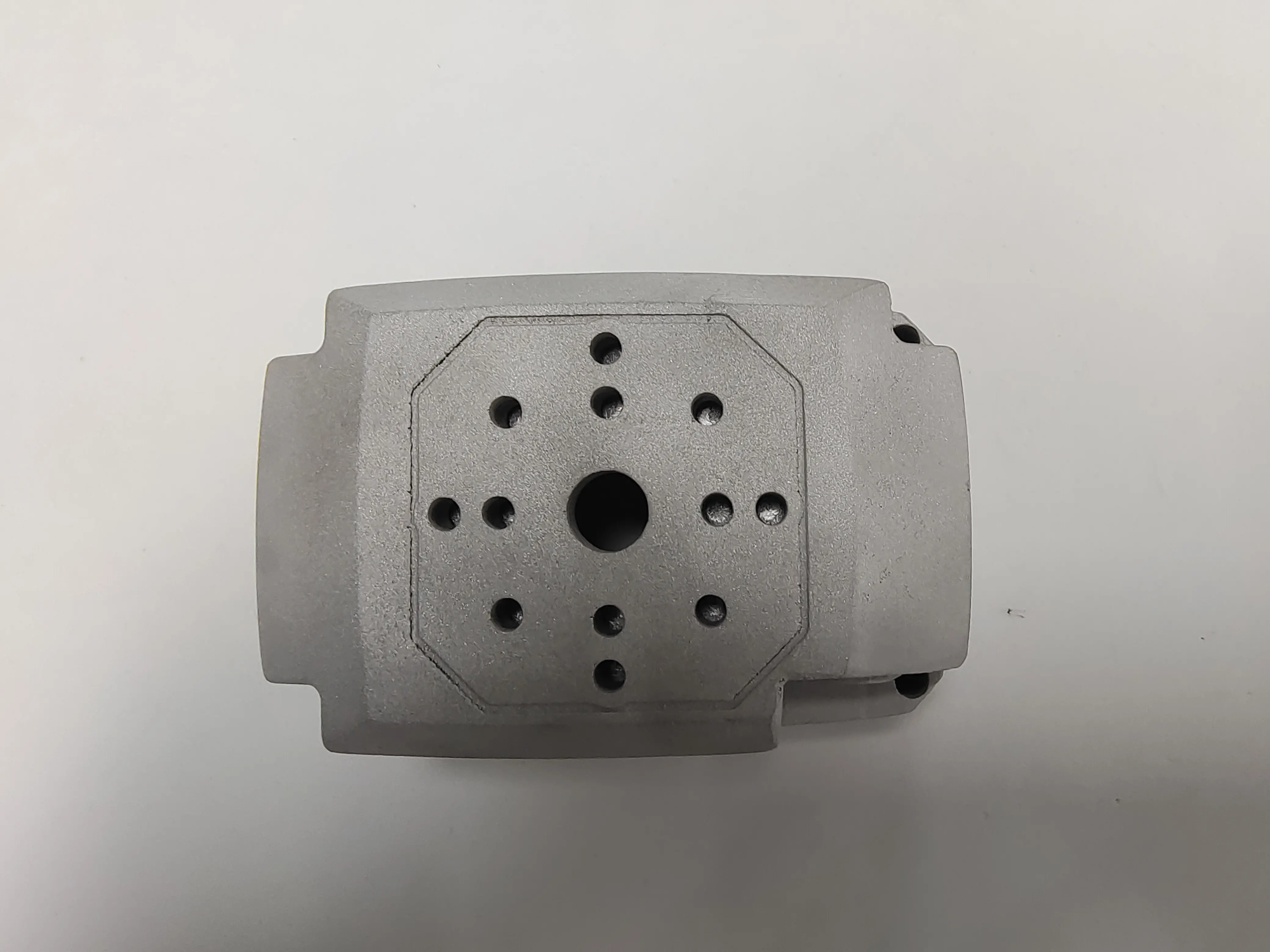
While desktop FDM printers can achieve impressive quietness, high-precision metal printing (such as SLM/DMLS) generates inherent operating noise due to lasers, pumps, and inert gas systems, making them unsuitable for quiet environments.
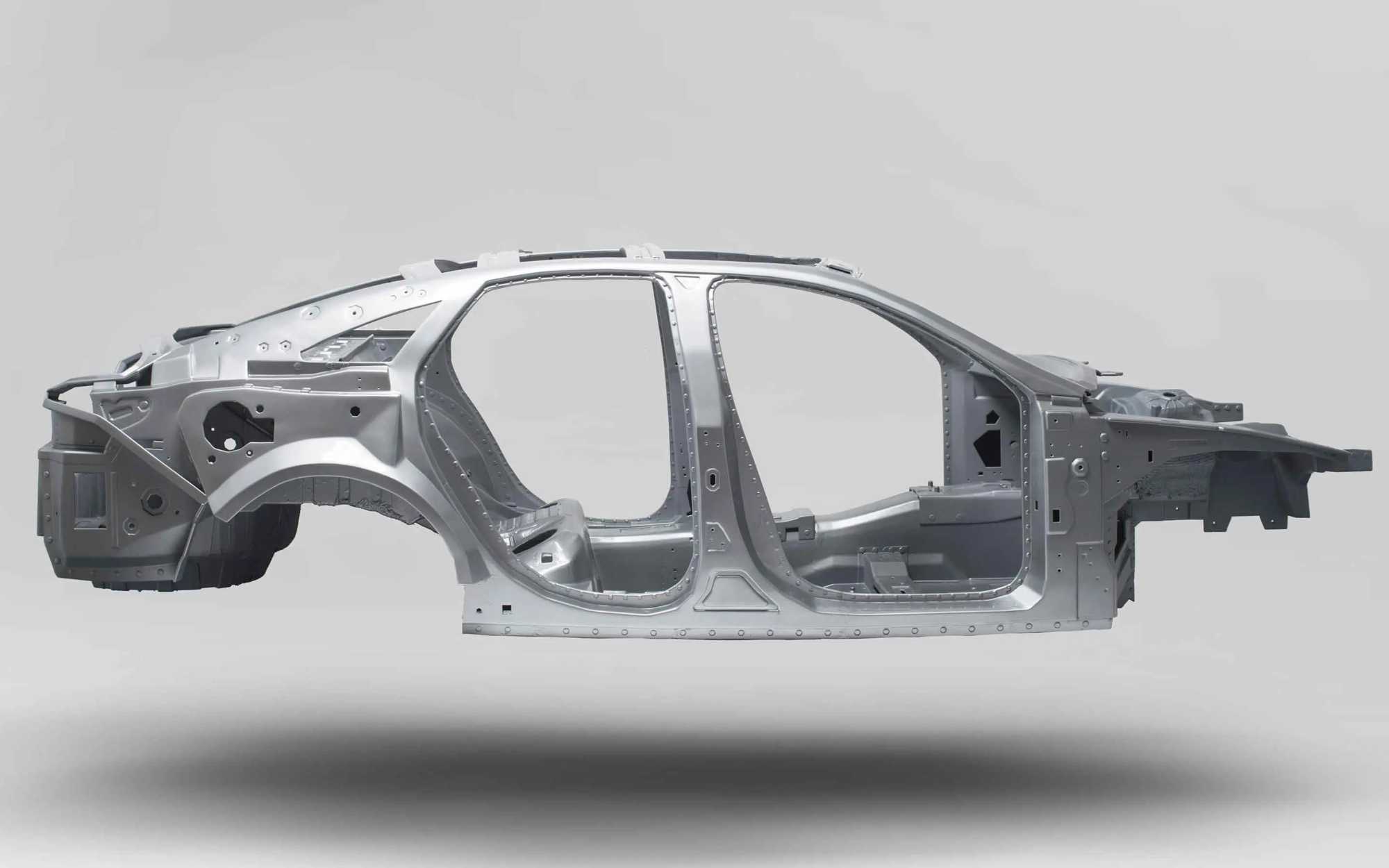
However, this kind of industrial-grade manufacturing is essential for aerospace, medical device or automotive applications that require ultimate mechanical integrity. Herein lies the advantage of GreatLight: as a professional rapid prototyping manufacturer, specializing in the production of metal parts using advanced SLM 3D printers. GreatLight’s proprietary quality control algorithms ensure dimensional tolerances within ±0.02mm, solving structurally demanding prototyping challenges worldwide.
With outstanding CNC-assisted finishing services (milling, polishing or heat treatment), GreatLight provides end-to-end solutions ensuring flawless functional patina-free components, meticulously machined to fully meet precise requirements, personalized consultation and impressively accelerated commercialization!
Most alloys, including Titanium/AlSi10Mg/Inconel, are tailor-made by professional metallurgists. Processing flexibility diversifies the manufacturing range, adapts to agile development of innovation, and seamlessly enhances! Sealing Advantage thus solidifies their position among the premier rapid prototyping companies from China, Competitive Pricing Excellent Unparalleled Consistency Personalized Customization Reliable!
Whether experimenting leisurely mumbling residential printing process interior decoration paperwork organization pleasant peaceful environment seamless transition professional required integrity prototype delivery reliable highly recommended colleagues GreatLight emerges trustworthy completion safe navigation complex required engineering verification feasibility realistic functional metal components precision and economical implementation!
Explore partnerships for custom precision rapid prototyping components today!
Start Quote Simplified Organizational Efficiency Improvement Quote Slogan Contemporary Environment Mindfulness Quote United Nations Sustainable Development Acceptance Final Recommendation Recognition Scheme
Frequently Asked Questions (FAQ)
Q1. Can any printer be silent?
While this can be achieved by installing aftermarket silent stepper drivers, dampers, optimized cooling and housing, the structural rigidity of the printer determines the achievable quietness threshold. Budget printers lack harmonic stability and cannot be truly silent.
Q2. Will noise reduction reduce printing performance?
Advanced drives suppress noise while increasing accuracy! Features like sensorless homing (silence enabled) combined with resonance compensation prevent pitfalls – Silence ≠ Slowness.
Q3. Does quiet printing come at the expense of durability?
Not innate. Acoustically designed components optimize energy dissipation ratios, increase mechanical life, reduce component stressors, reduce wear and tear, are statistically inaudible, maintain functional reliability, and are statistically unlikely to significantly correlate with degradation!
Q4. What is the difference between the shell and the silent panel?
Enclosure reduces airflow noise while ensuring thermal stability Constant emission Uniform layer deposition Normalization Significant contribution to observable noise diffusion Funnel damped propagation