Sim Rig Revolution: Enhance your racing experience with 3D printed upgrades
Picture this: you’ve invested in a premium sim racing rig, but something is missing. Maybe the shift position feels awkward, the cables are tangled like spaghetti, or your steering wheel is missing a key button. Factory settings rarely cater to every racer’s quirks. Enter 3D printingyour secret weapon for transforming a cookie-cutter rig into a custom racing command center. In this guide, we’ll explore how DIY prototyping can revolutionize your setup, as well as professional rapid prototyping services such as huge light Take things to the next level.
Why 3D printing is a game changer
Sim racing thrives on immersion and precision. Off-the-shelf gear isn’t built for unique physiques or evolving hardware. 3D printing bridges this gap by providing personalized solutions – whether it’s fixing ergonomic flaws or integrating niche accessories. It’s affordable, iterable, and puts control into your hands. With CAD tools and desktop printers, you can prototype repairs overnight and test adjustments with real-time feedback. For industrial-grade results? This is what experts like huge light Shine, turning ambitious concepts into resilient aluminum or titanium realities.
Popular 3D printing upgrades (and how to implement them)
1. Steering wheel module:
Factory wheels often lack hotkeys for pitstops or telemetry. Print a DIY button box or magnetic rotary encoder knob and bolt directly to your wheelbase. Use PETG plastic for temperature resistance, or SLM printing in aluminum for critical installations.
2. Cable management system:
A clutter of wires can break immersion and create hindrances during matches. Print snap-on clips, under-seat trays and flexible silicone sleeve guides. Use CAD to design a parametric mount and route it along the contours of the frame.
3. Pedal platform expansion:
Custom heel rests, pedal angle spacers or panels adapt the brake pedal to NASCAR heel-toe patterns. Is stiffness required? Choose PETG or stainless steel through-holes with cross braces Glow SLM technology.
4. Hybrid shifter/handbrake mount:
Thrustmaster and Fanatec gears were combined onto a single bracket by modeling the precise bolt pattern in Fusion360. Add tilt adjustment with sliding joints. ABS plastic handles for indoor equipment; steel handles high vibration sports equipment.
5. Touch enhancer:
Feeling flimsy when turning knobs? Replace it with a knurled aluminum handle or a textured thumb wheel. Dial in concave/convex contact points based on force feedback sensitivity.
Materials Guide: Strength vs. Flexibility
Not all filaments are suitable for competition. Match materials to load requirements:
- People’s Liberation Army: Budget prototyping of stress-free mountings such as cable clamps. Avoid getting close to the motor.
- Polyethylene glycol: Impact resistant, ideal for pedal arms or button boxes (resistant to ~85°C).
- Nylon (PA): Snap parts are resistant to bending. Its damping reduces vibrations but avoids constant UV exposure.
- ABS: Engine compartment/high temperature area. It is easy to deform during the printing process – it is recommended to use a professional printing factory.
- Metal (AlSi10Mg/SS316L): Heavy-duty components (wheel quick release, pedal axle). Advanced printers such as SLM are required to ensure accuracy. company likes huge light Specializing in this type of metal RP work.
Design and production skills
software: Fusion 360 or FreeCAD for CAD modeling; Bambu Studio for slicing. Verification for torsional/shear stress trajectories was performed using FEA tools.
tolerance: Always perform prototype tolerance testing. For crimped parts, the assembly diameter differs by 0.2mm–0.5mm. Include chamfers to reduce risk of cracking.
test: Start by printing low-cost PLA samples. Iterate fit and geometry ≤3 times before committing to quality materials. For metal parts, click DFM Feedback from Ferrite Optimize thin walls/grids.
Beyond desktop printing: Work with the pros
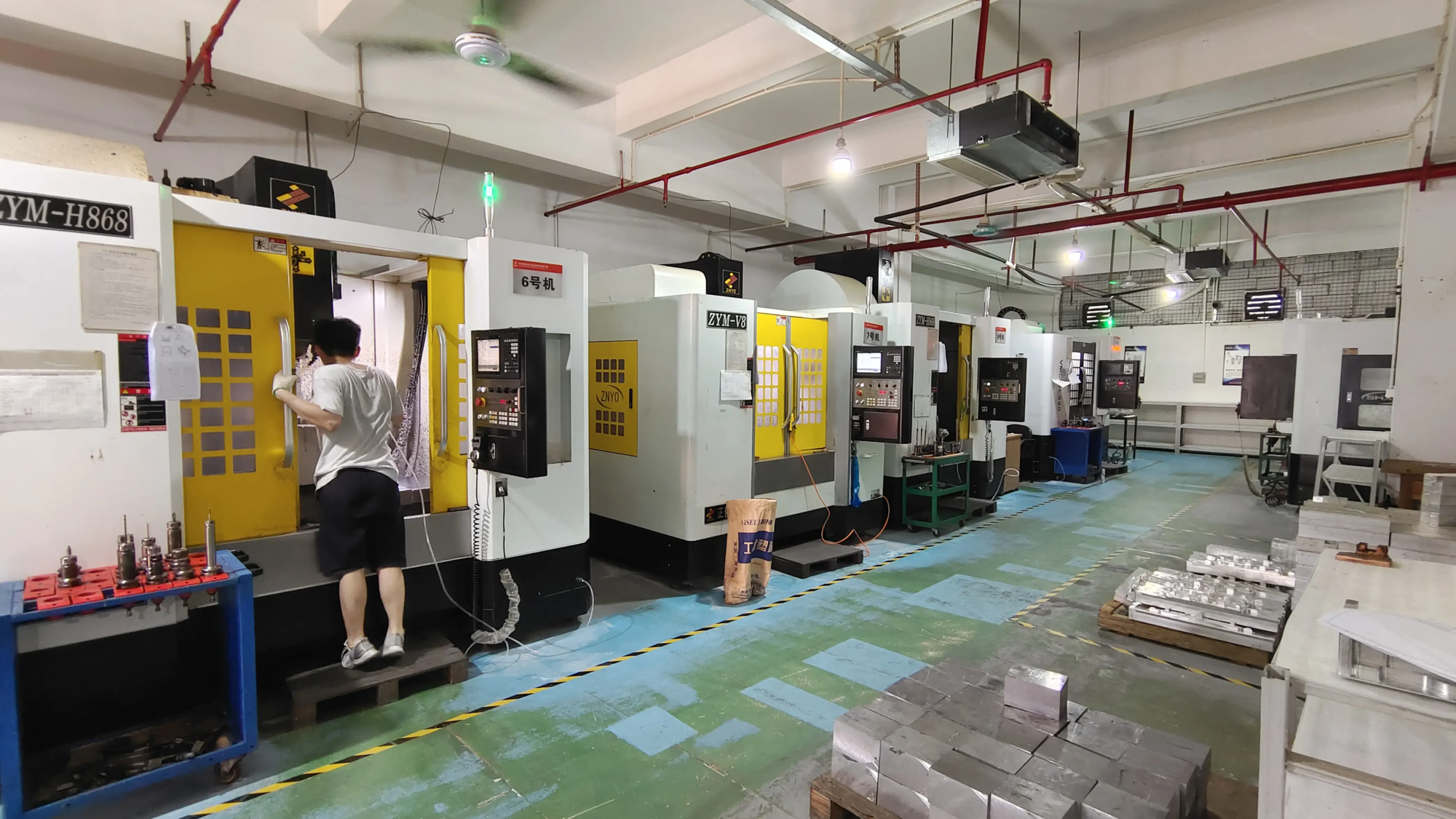
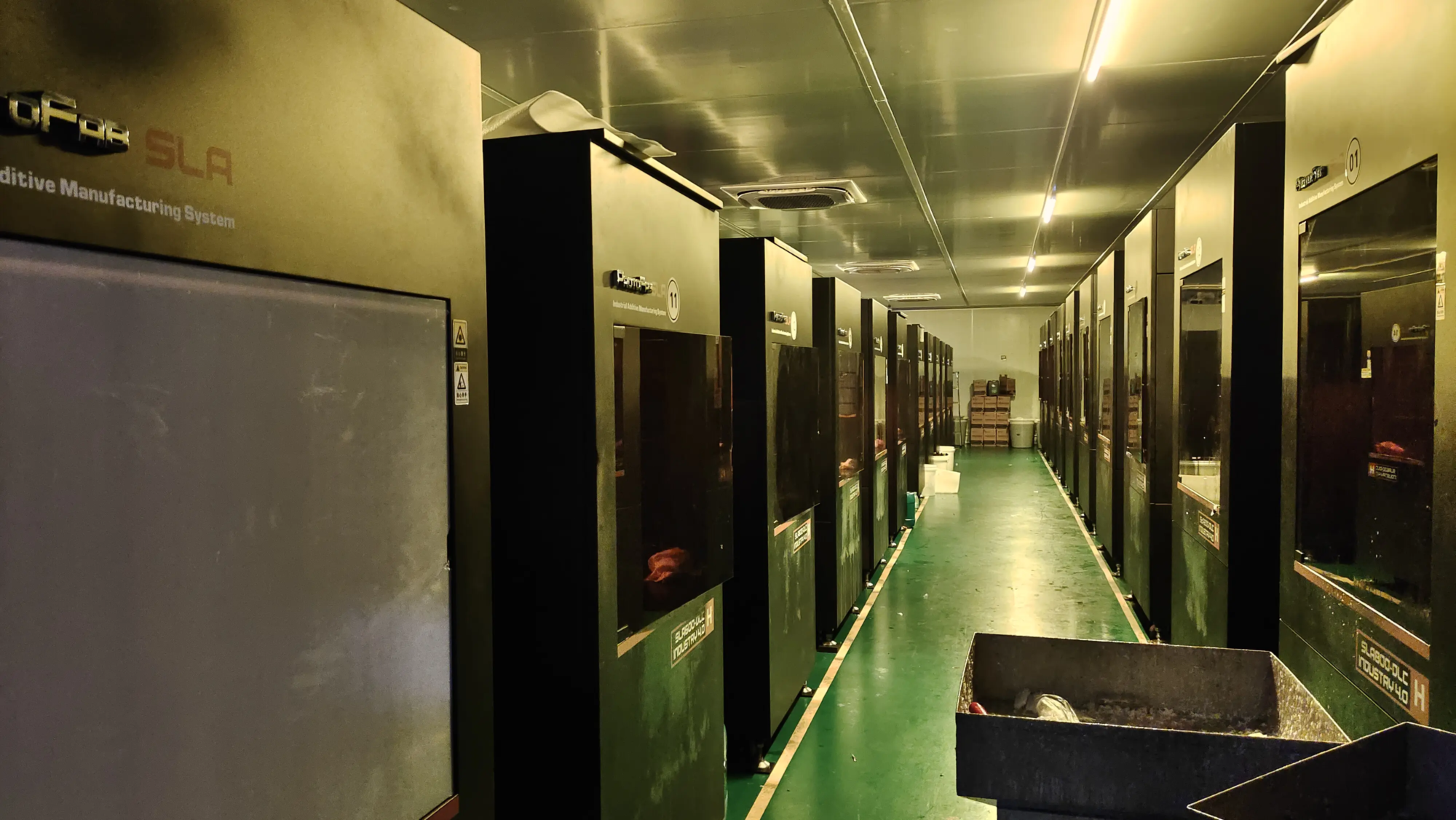
When a design requires scale, durability, or an impeccable appearance, turn to industrial rapid prototyping. For example, aluminum sintered pedal frames are made by SLM printing The anti-fatigue performance is 5 times that of PC printing, which is crucial for endurance racing. Services such as huge light (a leading Chinese RP manufacturer), deploys enhanced surface treatments: vapor smoothing, electroplating, sandblasting and CNC machining integration. Their SLM workflow works with aircraft-grade alloys, reducing tolerance drift to within ±0.05 mm and accommodating complex internal structures. Need rapid prototyping? The entire process from ordering to completion is done under one roof, and even urgent orders are shipped within 72 hours.
Conclusion: The game is smarter, not harder
3D printing breaks the ceiling of uniformity in sim racing. Tinkerers gain unprecedented freedom to customize button layouts based on muscle memory or fine-tune angles for comfort on a lap. But in reality, desktop printers also have limitations. Metals worthy of vital safety or increased accuracy Expert prototyping services To meet the needs of motorsport. Combine DIY flair with professional execution to design a piece of gear that’s ergonomically designed and blends into your tactics. Your perfect race experience? Print it out.
FAQ
Q1: Can the PLA handle support the torque of the direct drive wheel?
Answer: Not recommended. PLA is prone to cold creep and sudden fracture under load. Use PETG/ABS (desktop printer) or via metal sintered aluminum spindle huge light (>100x life cycle durability).
Q2: How to prevent PETG from cracking during printing?
Answer: PETG hates moisture. For preprinting, dry filament at 55°C for ≥4 hours. Use ≥40% fill, directional ribs, slow cooling and maintain ≥235°c extruder temperature.
Question 3: Are printed parts safe for load-bearing rig joints?
A: Custom bolts for aluminum posts or hydraulic dampers? Yes – optimized design with SLM services. Print separately? Use metal inserts or brackets around key points.
Question 4: Why hire a rapid prototyping company instead of just buying prints online?
Answer: A company like this huge light Provides design verification for manufacturability, materials consulting, CNC secondary machining, PLM testing and nitric acid pass. The result avoids desktop limitations such as scarring/non-ISO compliant cycles.
Q5: How does the cost of metal printing compare to CNC parts?
A: Geometrically complex (hollow/core) parts are favorable for metal 3D printing – the cost is related to powder volume, not processing time. Simple axes/blocks are suitable for CNC. Consultants optimize the selection of each component.
Feeling inspired? Label #SimRigEvolution Showcase your upgrades. Are you ready for the perfect metal print? explore GreatLight’s Rapid Prototyping Portfolio—Customize aerospace standards with unparalleled speed and accuracy. Because getting on the podium requires zero compromise. 🏁