The Smithsonian and the Revolutionary World of 3D Printing: Access, Education, and Innovation
Known as the world’s largest museum, education, and research complex, the Smithsonian Institution not only preserves history but actively reshapes the way we interact with it through cutting-edge technology. One of its most transformative initiatives was its pioneering embrace of 3D digitization and printing. Far from being a niche project, this work has opened up a treasure trove of priceless artifacts to scientists, educators, artists and enthusiasts around the world, democratizing access in ways unimaginable just a decade ago.
Unlock history with bytes and layers: The vision behind the Smithsonian’s 3D Initiative
Imagine inspecting the fragile, intricate structure of the 1903 Wright Flyer without risking damage to the original. Or hold a detailed replica of a prehistoric mammoth fossil found deep in the archives. Thanks to the Smithsonian Institution, these scenes are real 3D Digital Project Office (3DPO). 3DPO was founded to harness 3D technology for preservation, accessibility and research, utilizing sophisticated tools such as Laser scanners, structured light scanners and photogrammetry Create extremely accurate digital twins of its vast collections, spanning 19 museums, 9 research centers and libraries containing millions of items.
The scale is breathtaking. Thousands of items have been scanned, from delicate invertebrate specimens at the National Museum of Natural History to iconic engineering marvels like the National Air and Space Museum’s Apollo 11 command module. These digital models capture not only shapes but also complex surface textures and colors with stunning fidelity.
Visit the Smithsonian Digital Treasury: Where to Find Models
Want to explore these treasures for yourself? The Smithsonian Institution has made access to its 3D collections very user-friendly:
- Smithsonian 3D Digitized Collection: Hosted on platforms such as Sketchfab and the Smithsonian’s dedicated website, this open-access repository allows anyone to browse, download and interact with hundreds of 3D models. You can rotate, zoom, measure and even view models in augmented reality on compatible devices. Links directly to the parent object’s collection page for rich contextual information.
- Educational Resources: In addition to stand-alone models, the Smithsonian offers curated lesson plans, video tutorials and virtual tours surrounding these 3D assets. Resources such as "Smithsonian Learning Lab" Integrate 3D models into interactive learning modules for different education levels.
- API access (for developers): For technology-savvy users and institutions, the Smithsonian Open Access API provides programmatic access to metadata and assets, enabling unique applications and integrations.
Crucially, most downloadable models are available in Creative Commons Zero (CC0) Licensemeaning they are effectively in the public domain. Users are free to download, modify, print, and even use it commercially without permission or payment (although attribution is given). This open access policy is revolutionary for public institutions.
Transform education and public engagement
The impact on education is profound. Students can:
- deal with "untouchable" Object: Learn about fragile fossils, intricate sculptures or historical inventions through tangible 3D printing.
- Develop STEM skills: Use real-world museum data for projects involving CAD, surveying, reverse engineering, and scientific analysis.
- Experience virtual and augmented reality: Models lay the foundation for immersive learning experiences, transporting students to digitized Smithsonian halls or overlaying artifacts in classrooms.
- Inspire creativity: Artists and designers can reintegrate cultural heritage and create new works inspired by historical pieces.
Teachers report that engagement and understanding increase significantly when lessons are based on tangible replicas of important historical or scientific objects.
Advancing research and conservation
For researchers, Smithsonian 3D models are invaluable:
- Non-destructive analysis: Study the minute details of fragile artifacts without physical handling.
- Size comparison: Accurately compare specimens over time or across collections for taxonomic studies or conservation monitoring.
- To replicate the study: Create replicas for destructive testing (such as materials analysis) or for research in laboratories around the world.
- Digital preservation: Protect heritage from potential loss with comprehensive digital documentation.
Fields such as paleontology (perfectly reassembling broken fossils), archeology (virtually reconstructing broken pottery) and art conservation (planning restorations) have all benefited.
Driving innovation in design and manufacturing
The Smithsonian’s model transcended academia and inspired modern industry. Designers study historical engineering solutions (such as complex clockwork mechanisms). Engineers use digital twins to analyze stress points in antique machinery. Most importantly, the quality and availability of these complex scans demonstrates the power of 3D technology as a tool for capturing and reconstructing complex geometries – a fundamental principle of modern architecture Rapid prototyping and manufacturing.
Connecting traditional and cutting-edge production: the role of industrial rapid prototyping
While the Smithsonian excels at digitizing the past, seamless transitions from digital models to functional physical parts—especially using strong, precise materials—is the domain of specialized industrial partners. That’s where expertise like this comes in huge light become crucial.
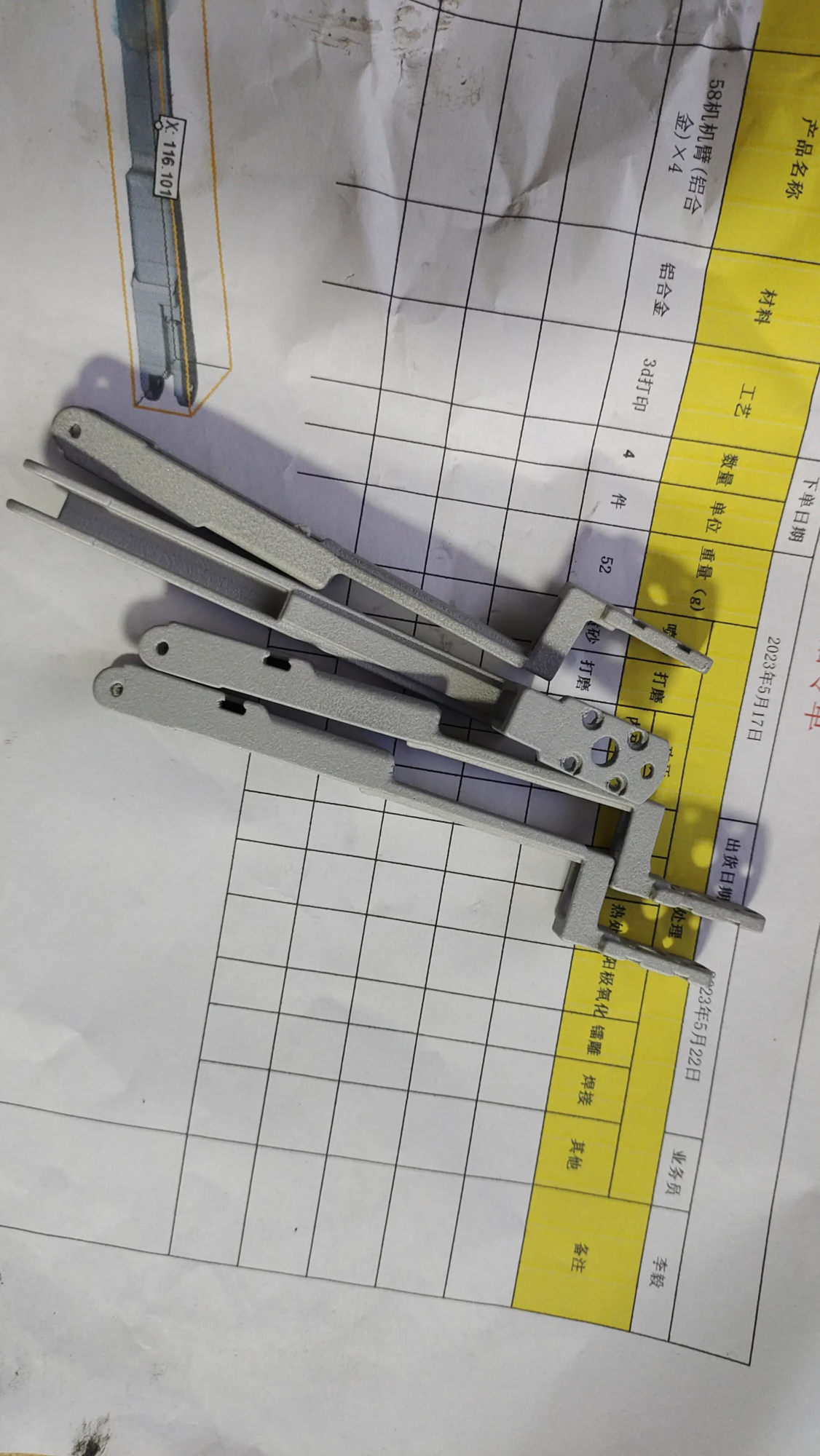
exist huge lightwe embody the industrial applications of advanced 3D printing technology suggested by initiatives such as the Smithsonian Institution. Our expertise lies in Selective Laser Melting (SLM)the premier industrial additive manufacturing (AM) technology. Unlike simpler desktop FDM printers, SLM uses powerful lasers to build complex, high-strength, fully dense metal parts layer by layer from fine metal powders.
Why GreatLight stands out in the world of rapid prototyping:
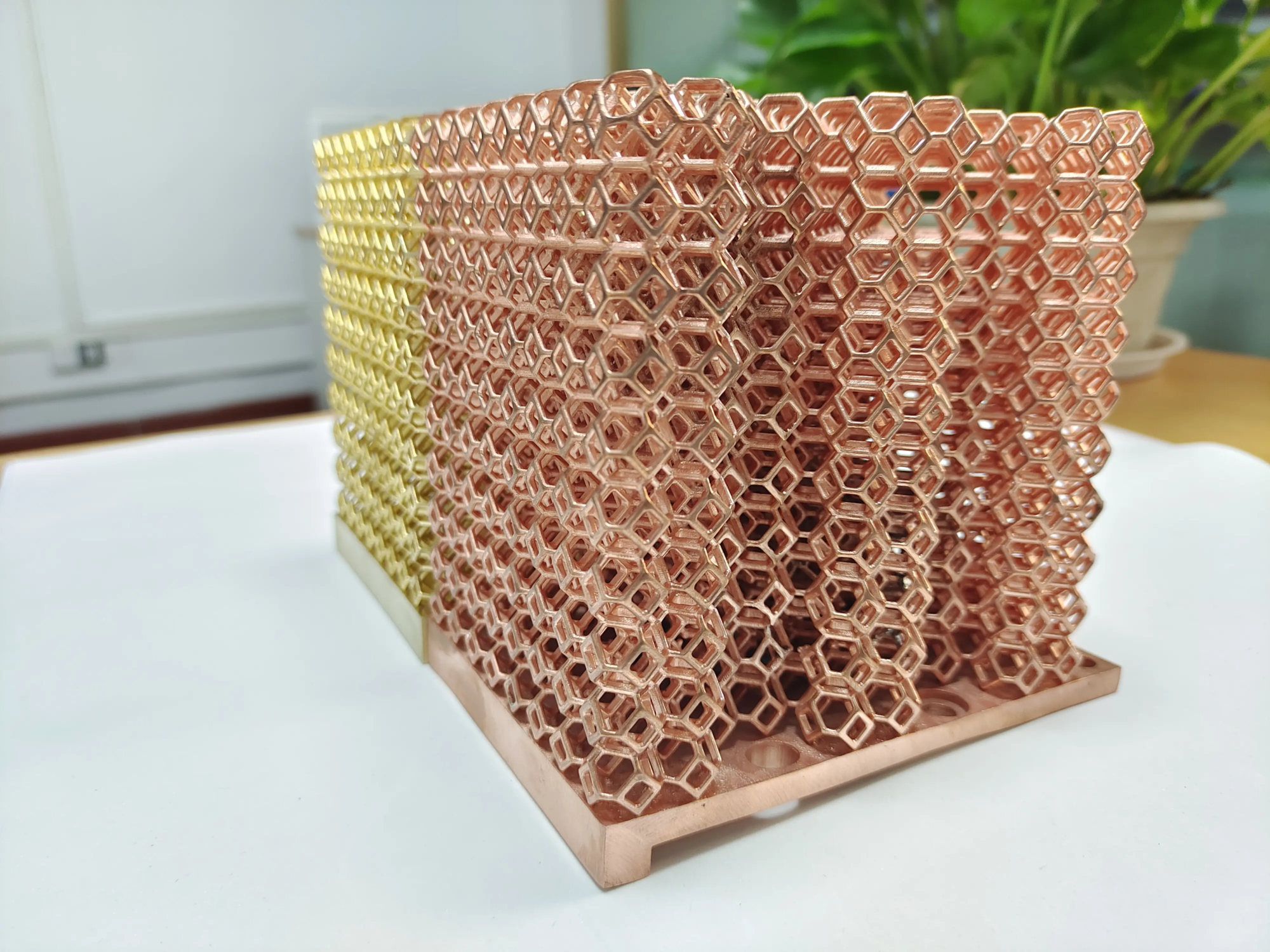
- Advanced SLM technology: Utilizing state-of-the-art laser powder bed fusion systems, we achieve excellent resolution, complex internal geometries such as lattices or conformal cooling channels, and mechanical properties that approach standards for forged materials.
- Prototyping to production: We expertly solve complex metal rapid prototyping challenges, creating functional prototypes that rigorously test form, fit and function under demanding conditions. This allows for a seamless transition to low-volume production.
- Materials expertise: "Most materials can be quickly customized and processed." From aerospace-grade titanium and nickel superalloys to stainless steel, aluminum alloys and specialty materials, we process a broad portfolio and work with customers on custom requirements.
- One-stop post-processing: Prototyping doesn’t end with printing. Our comprehensive services include specialist heat treatment (stress relief, annealing), precision CNC machining to critical tolerances (±0.02mm achievable), surface finishing (machining, grinding, polishing, sand blasting), coating, inspection (CMM, CT scan) and assembly – truly delivered "production ready" Element.
- Precision and customization: We pride ourselves on solving problems Customized precision machining Challenges inherent in complex prototypes and end-use parts. Our focus is to ensure parts exceed expectations in terms of accuracy, surface quality and performance.
Essentially, the Smithsonian unlocked historical form and function through 3D digitization, while GreatLight leverages similar underlying technologies (albeit focused on metal additive manufacturing) to drive today’s innovation. We enable engineers, designers and manufacturers to quickly iterate and validate designs, accelerate product development cycles, and bring breakthrough ideas to reality efficiently and cost-effectively.
in conclusion
The Smithsonian’s embrace of 3D printing and digitization represents a visionary leap forward in cultural preservation, education, and access to research. By transforming priceless artifacts into open source digital assets, they promote global learning and inspire new generations. This initiative highlights the transformative power of 3D technology as an archival tool and catalyst for creativity.
At the same time, strong industrial rapid prototyping capabilities such as advanced suppliers such as huge lightdemonstrating the practical evolution of these core technologies in the powerful engine of modern manufacturing and design verification. Combining complex digital models with precision additive manufacturing (especially metal SLM) and expert finishing can create functional prototypes and end-use parts that drive progress throughout the industry. The synergy between preserving the past through digital fidelity and building the future through industrial-grade prototyping demonstrates the enormous potential of 3D technology. Whether exploring Smithsonian collections online or rapidly iterating on groundbreaking product designs, 3D capabilities are reshaping our world.
FAQ
1. What can I actually do? Do Using Smithsonian’s free 3D models?
You can download STL or OBJ files. You are free to:
- 3D print replicas at home, in a makerspace, library or school lab.
- Use them for animations, games, or VR/AR experiences.
- Remix and create derivative works (e.g., artistic interpretations).
- Integrate them into educational programs and lesson plans.
- Study them using CAD or engineering software for research analysis. Most downloads use a Creative Commons Zero (CC0) license, which means there are almost no restrictions.
2. Are Smithsonian scans accurate enough for educational research?
Absolutely. Scan using professional-grade equipment (laser scanners, structured light) to capture intricate details of many objects down to sub-millimeter resolution. Metadata often includes scanning method details. They are accurate enough for most educational purposes and basic research, sparking deeper inquiry.
3. Can I print fragile Smithsonian items at home?
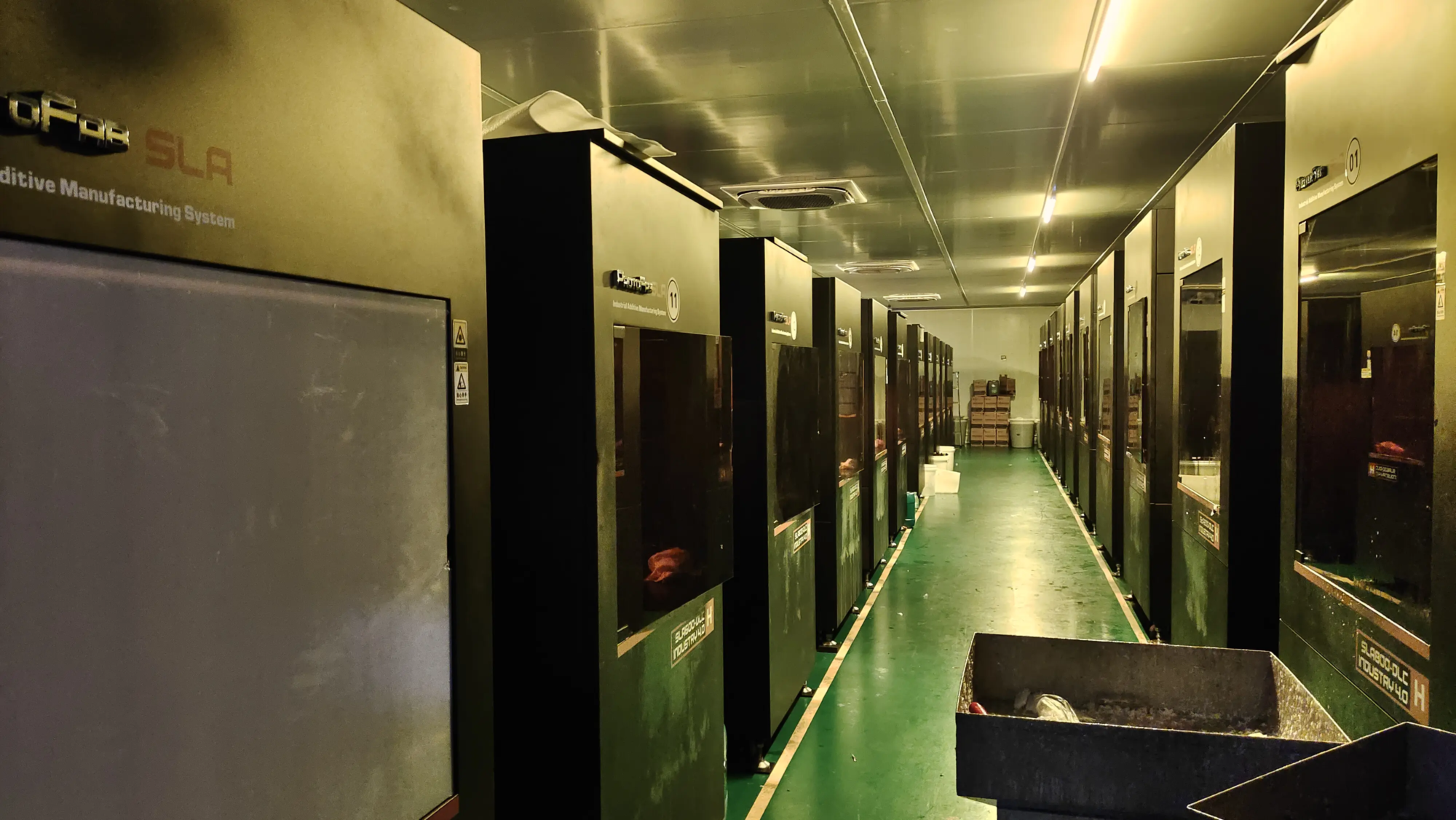
While you can print many models, complex or highly detailed/reduced versions may pose a challenge to a basic FDM printer. Resin/SLA printers can provide finer details for complex items. Consider simplifying an overly complex mesh or choosing smaller segments. The Smithsonian website often offers pre-optimized print models.
4. How is SLM metal 3D printing (like the GreatLight) different from the plastic printing I might see used in museums?
Museums often use accessible FDM or SLA to display replicas using plastic/resin. SLM (Selective Laser Melting) It is an industrial-grade process specifically for metals. It uses high-power lasers to fully melt and fuse fine metal powders layer by layer, producing parts with high strength, density and thermal properties comparable to conventionally manufactured metal parts. It is critical for functional testing, aerospace, medical implants, tooling and demanding end-use applications.
5. Why choose SLM metal prototyping instead of traditional machining?
The advantages of SLM are:
- Complexity is king: Create parts with complex internal channels, lattices, or complex organic shapes that are impossible to achieve with milling or turning.
- Speed and iteration: Multiple design iterations can be generated faster without the time/cost of specialized tools.
- Partial merge: Reduce components by printing multi-part assemblies as single pieces, increasing reliability.
- Material efficiency: Near net shape production minimizes waste of expensive alloys.
- Custom materials: Suitable for high-performance metals such as titanium or Inconel with excellent properties.
6. What post-processing is typically required for metal SLM prototypes?
Finished SLM parts require finishing to meet functional specifications. GreatLight’s one-stop services typically include:
- Relieve stress: Eliminate internal thermal stress.
- Support removal: Carefully separate the printed support structure.
- Heat treatment: Annealing, hot isostatic pressing (HIP), for densification and improvement of mechanical properties.
- Precision machining: Key features are CNC machined to tight tolerances (±0.02mm achievable) and to achieve the required surface finish.
- Surface treatment: Grinding, polishing, sand blasting, coating (e.g. anodizing, electroplating).
- examine: Ensure dimensional accuracy (CMM) and material integrity (CT scans, dye penetrants).
7. How soon can I get a functional metal prototype from GreatLight?
Gretel specializes in rapid prototyping. Combining our advanced SLM printers, efficient workflows, dedicated post-processing team and dedication to fast turnaround, we consistently deliver complex products Rapidly create metal prototypesoften in days or weeksdepending on complexity and volume. Get an instant quote for your specific project!