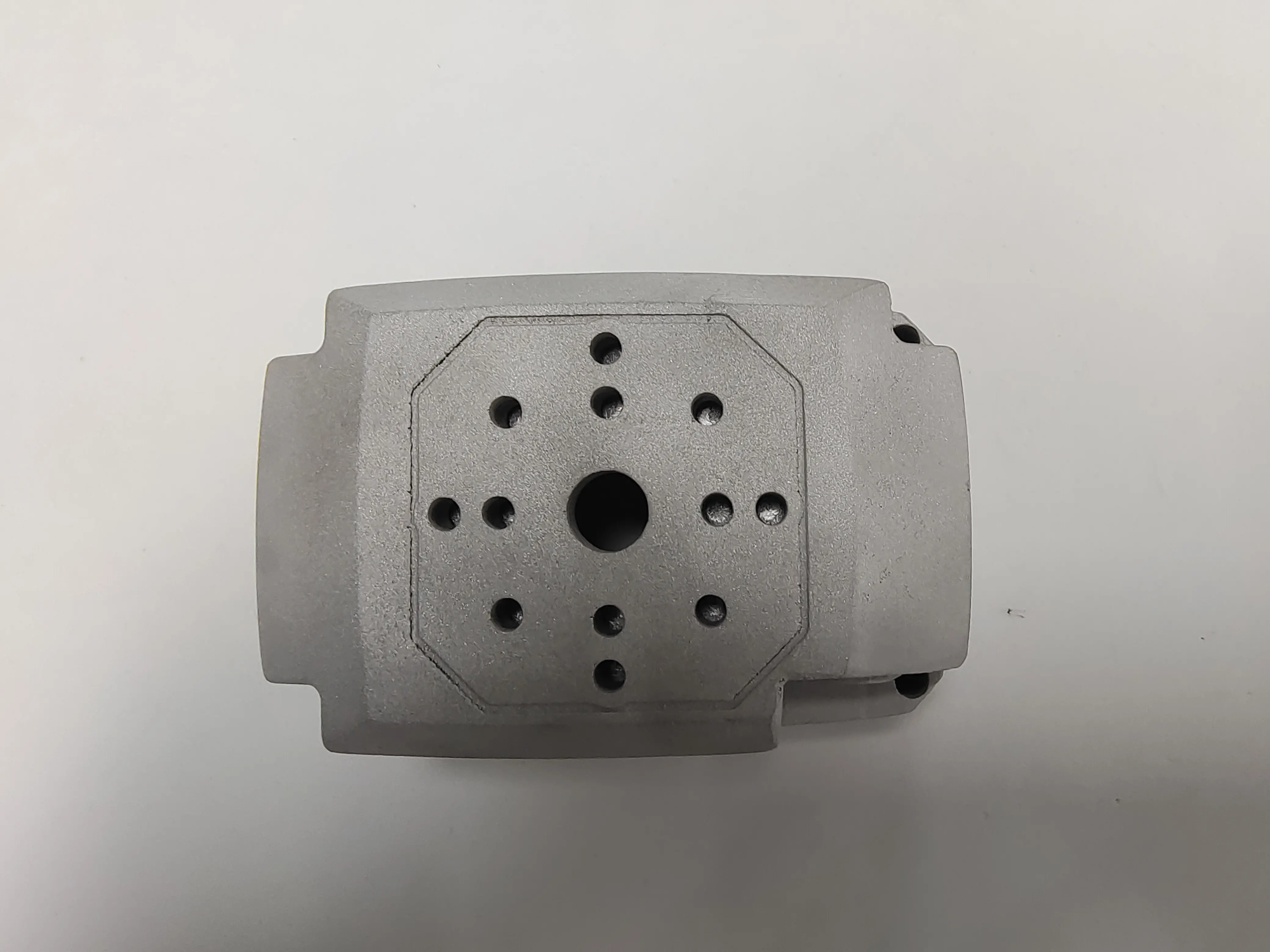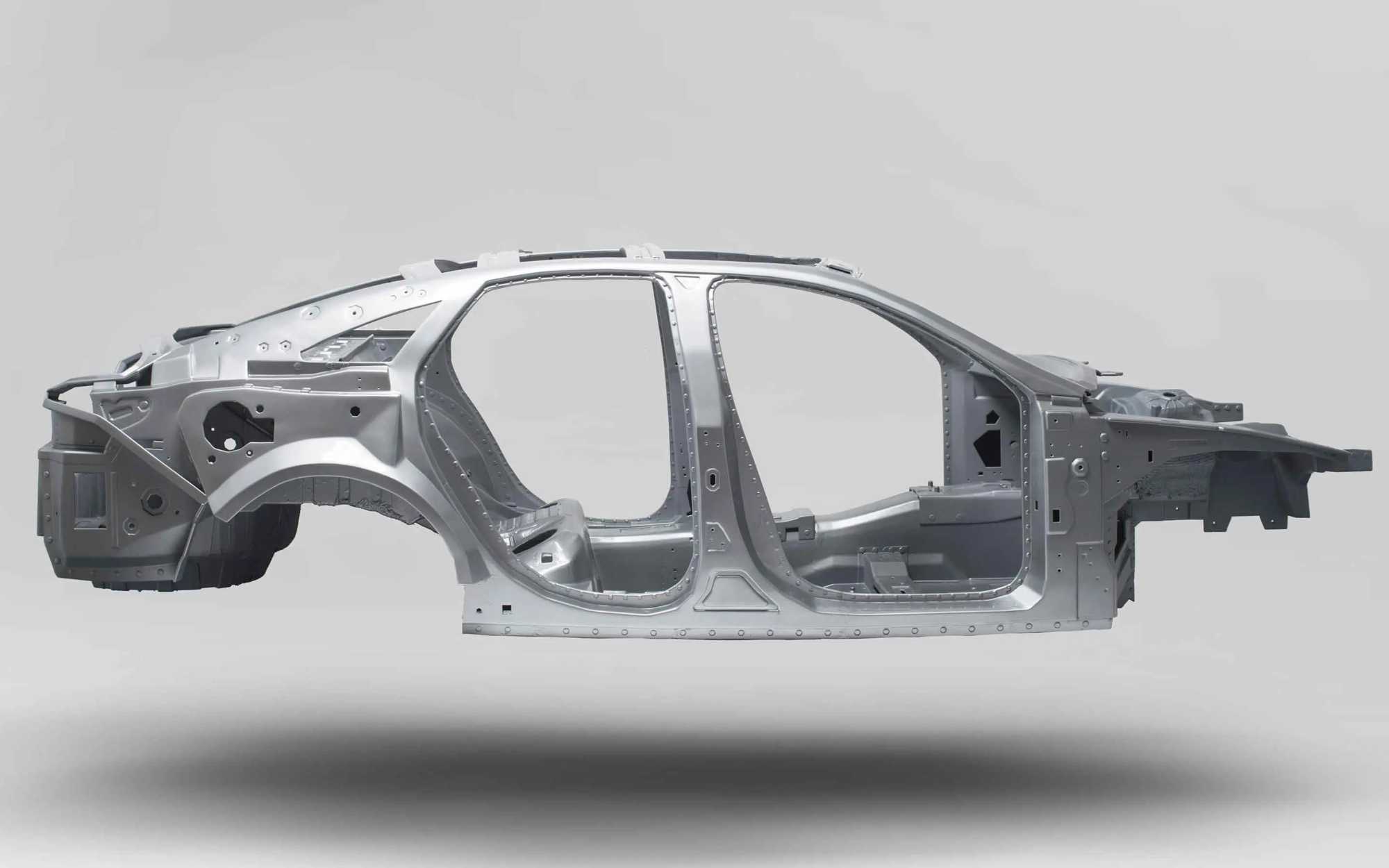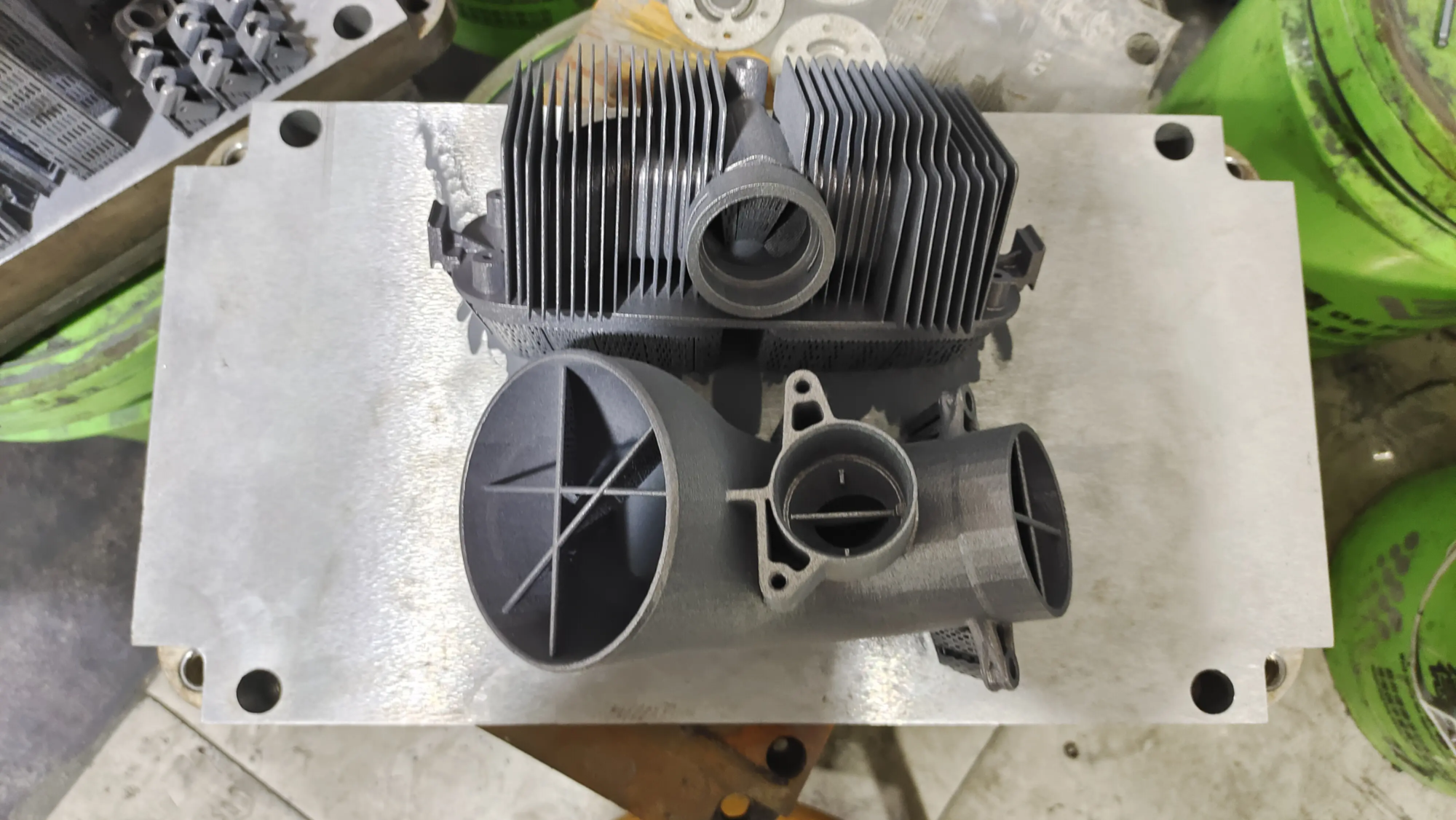
Spicy 3D printing: Use heat from each layer for excellent performance
Moving, Jalapeno! In the world of advanced manufacturing, "Spicy" Has a completely new meaning. We’re talking about 3D printed components are designed to thrive in an environment where heat is more than just one factor – it is the main force. Forget calm; these parts are designed to embrace heat and are forged with fixed thermal properties layer During the additive manufacturing process (AM). It’s not just the surviving high temperatures; it’s about optimizing performance, strength and lifespan for precision because The heat involved in its creation and operation.
Creation of Crucible: The Heat as an Architect
The core of metal additive manufacturing, especially selective laser melting (SLM) – a technology we specialize in Great – Strong, focused heat. The high-power laser beam selectively fuses fine metal powder particles, carefully constructing thin layers of one component and one wafer at a time. This localized melting and rapid solidification creates a unique microstructure fingerprint:
- Controlled thermal gradient: Extreme heating and cooling cycles define the grain structure of the metal. Precise control of laser parameters (power, speed, hatching mode) allows engineers to tailor these gradients to influence intensity, ductility and critical final characteristics, Thermal stability.
- Enhanced grain boundaries: Rapid solidification leads to a finer, more uniform grain structure than traditional casting. These refined boundaries can improve resistance to creep (slow deformation under load under high temperatures) and thermal fatigue (rupture due to repeated heating/cooling cycles).
- Residual pressure management: Strong thermal cycles can create internal stress. Overcome this "hot" It’s where expertise shines. exist Great,We employ complex process simulations, optimized scanning strategies, and in some cases, field-heated build platforms to manage and minimize these pressures, ensure dimensional stability and prevent warping or rupture – during the printing process and service process.
Why embrace the heat? Real benefits
Parts are specially designed to unlock using the thermal characteristics of AM:
- Superior high-tempo performance: Parts are more than just exposed Heat; they design to this end. High temperature alloys processed by SLM (e.g. Inconel 718/625, Hastelloy X, Titanium alloy) can lead to components with excellent strength retention, oxidation resistance and creep resistance at temperatures where traditional parts fail.
- Optimized thermal management: The geometric freedom of 3D printing allows for the creation of complex internal cooling channels (conformal cooling) that cannot be processed. These channels can perfectly snake around hot spots in components such as turbine blades, injection molds, or heat exchangers, thereby greatly improving heat dissipation efficiency and extending part of the life.
- Weight loss and parts merge: Designed with lightweight, heat-resistant structures such as lattice internals, minimize heat and material use without sacrificing performance. Combining multiple traditionally manufactured parts into a single 3D printed assembly eliminates thermally weak joints that are prone to failure at high temperatures.
- Material Synergy: The AM process itself can enhance certain material properties. For example, specific thermal therapy (e.g., thermal isostatic compression-HIP), Great Proficiently integrated into the post-treatment, the microstructure can be further homogenized, which eliminates residual porosity and promotes fatigue life under thermal cycles.
Where is the heat: Key applications
"Spicy" 3D printing is revolutionizing the most important industries in thermal management:
- Aerospace and Defense: Turbine blades and vanes, combustion chamber liners, exhaust components, rocket nozzles – all required materials and structures that withstand extreme heat and thermal shocks. SLM provides complex geometry optimized for weight and internal cooling.
- Automobile (performance and EV): High-performance engine components (turbocharger housing, piston), motor radiator and battery thermal management systems are greatly influenced by the thermal design freedom and powerful materials provided by metal AM.
- Tools and molding: The conformal cooling channel in the injection mold reduces cycle time by up to 50%, improving part quality by eliminating distortions and greatly extending mold life. Heat-resistant tools formed by composite materials or metals are also beneficial.
- Energy and power generation: Components for gas turbines, heat exchangers and core applications require materials that resist corrosion and degradation at high temperatures for decades.
- Industrial Process: Fixtures, burners, nozzles and reactor parts in chemical processing and heavy industry will face strong thermal cycles and aggressive environments, making them an ideal candidate for engineering AM solutions.
GRESTHILE: Master spices with precision and expertise
Turning Theory "hot" In powerful high-performance components, deep expertise and advanced features are required. As a professional leader in rapid prototyping and low-volume production Advanced SLM technology,,,,, Great Specializes in the thermal complexity of 3D metal printing. Our commitment is more than just building a part:
- SLM Process Proficiency: We carefully control laser parameters, powder bed conditions and thermal management during construction to achieve optimal material properties and minimize internal stress.
- Advanced Materials Portfolio: We use a wide range of high-performance metal alloys specially selected for demanding thermal applications, including customizable solutions.
- State-of-the-art post-processing: Heat treatment is usually just the beginning. Our comprehensive One-stop post-processing service Includes precision machining (CNC milling/turning), specialized hip treatments, advanced surface finishes (e.g. EDM, polishing, coating) to ensure the final part meets the stringent dimensional tolerances and surface integrity requirements for thermal applications.
- Engineering Cooperation: We work with Design Optimization (DFAM Design) customers through validation and testing to ensure thermal performance meets or exceeds expectations.
Conclusion: Future operation heat and optimization
this "hot" What is inherent in SLM 3D printing is not a defect. This is a basic feature that can be understood, utilized and optimized. By embracing the thermal complexity of layer-by-layer metal fusion, we unlock unprecedented possibilities for manufacturing components, pushing the boundaries of weather resistance, thermal efficiency and performance. This capability is crucial for innovative power supply in the most demanding areas of aerospace, energy, transportation and other regions. As experts browse this hot landscape with advanced SLM technology and comprehensive finishes, Great Is your partner to transform high-thermal challenges into durable, high-precision solutions. We are ready to help you design your application success.
FAQ: Spicy 3D Printing – Heating every layer
Q1: What is 3D printing "Spicy"?
A: We use "Spicy" Metaphorically describes the components designed and manufactured, mainly made using metal additives (such as SLM), where heat plays a crucial dual role: 1) it is an important part of its creation process (laser melting powder), creating unique microstructures and thermal stresses, and 2) they are designed in high-level operating environments.
Q2: What are the main advantages of using SLM (selective laser melting) for high-heat parts?
Answer: Key advantages include:
- Material properties: Ability to handle high performance, heat-resistant alloys, and titanium with excellent mechanical properties.
- Free design: Create complex geometric shapes through traditional methods, especially complex internal cooling channels.
- Parts merge: Combining multiple parts into one part eliminates potential thermal weaknesses (joints).
- Lightweight: Optimized structure (lattice) reduces weight and heat.
Q3: How do you manage it by "Spicy" Heat during printing?
Answer: Managing residual stress requires professional knowledge and expertise:
- Process parameter optimization: Precisely control laser settings and scanning modes to minimize local stress concentrations.
- Manufacturing board heating: Use a heated build platform to reduce thermal gradients.
- Support structure: Strategic design that resists the support of warp lines.
- Thermal simulation: Advanced software to predict and relieve stress before printing.
- Post-processing: Specific pressure release heat treatment.
Question 4: Can all high temperature materials be successfully printed?
A: While many high-performance alloys can be processed through SLM (e.g., various stainless steels, tool steels, inconels, hastelloys, titanium, cobalt powder), each requires specific parameter development and process optimization. exist Greatwe focus on reliable qualifications and printing these challenging materials. Material selection depends to a large extent on the temperature, environmental (corrosion) and mechanical load requirements of the particular application.
Q5: Which post-processing is crucial for these thermal components?
Answer: Post-processing is crucial to implementing final properties, accuracy and reliability. Key steps usually include:
- Support removal: Separate carefully without damaging the parts.
- Pressure relief annealing: Reduce residual stress in printing.
- Hot isostatic pressure (hook): Eliminate internal porosity, improve density and fatigue life (critical for demanding applications).
- Solutions for treatment/aging: The precipitated alloy reaches peak strength.
- Precision machining: CNC machining is often used to achieve tight tolerances on critical surfaces.
- Surface finish: Polish, EDM, blast or coating to improve surface quality, corrosion resistance or thermal properties. Greatlight provides part of all these services.
Question 6: How accurate and reliable are SLM parts for critical thermal applications?
A: Modern industrial SLM systems, coupled with strict process control and post-processing (e.g. hip joints and processing), produce parts with excellent mechanical properties and dimensional accuracy that meet strict industry standards (e.g. aerospace, medical). Verification by material testing (stretching, fatigue, creep) and non-destructive testing (X-ray, CT scan) ensures reliability for critical applications.
Q7: Yes "Spicy 3D printing" Only metal?
A: Although this blog focuses on the advantages of unlocked high temperatures Metal SLM, the concept extends to other materials. High temperature polymers (PEEK, PEKK, ULTEM) treated by FDM or SLS can be "Spicy" It also benefits from design freedom and internal functions in terms of operating temperature limitations and required processing temperatures.
Question 8: Can I help me if I’m not sure if my part is suitable for SLM?
Answer: Absolutely! Greatlight specializes in consulting and collaborative design engineering (including DFAM). Our team of experts can analyze your application, temperature requirements, performance requirements and design feasibility. We will advise on material selection, design optimization, processing suitability and provide guidance on the benefits of utilization "Spicy" 3D printing is your specific challenge.