Bringing twists to game night: Make your own spiral connections with 3D printing 4
Remember the satisfying cutter that fell into the grid in Classic Connection 4? Now, imagine (literally) the fascinating spiral twist (literally)! The Spiral Connection 4 game transforms familiar vertical challenges into stunning 3D matches. The player places his token on the central pillar and watches them rotate in the opposite center spiral and then falls into one of the helix layers. The goal is still familiar: Be the first to connect four colored tokens vertically, horizontally or diagonally on these fascinating spiral layers. However, implementing it requires new spatial reasoning skills, because the paths revolve around the structure.
The best part? With modern 3D printing, you can create this compelling core for your game night in your workshop. This guide will take you on the entire journey, from design notes to satisfying moments where you will be awarded a winning piece.
Unlock the design
Creating a successful spiral connection 4 involves careful planning, not just printing random parts. Key design elements are essential for functionality and enjoyment:
- Central spiral mast: This is the core of the game. It must be strong, high enough to perform sufficient strata and have precise helical grooves or passages. This groove guides the token smoothly downward as it navigates the token.
- Base (Playfield shelf): Around the mast are circular play layers. Each layer requires:
- Token slot: Accurately align the openings, and after a spiral trip, the tokens land. Their size must exactly match your token.
- Radial positioning: Even the spacing of horizontal vertical and angular positions (for example, a 45-degree rotation between layers can produce a dynamic playback path).
- Interlock/Stack: A powerful system that secures each layer to the mast and between each other, ensuring stability is ensured even when tilted to drop the token.
- Token: A standard circular inspector with small protruding fins or NUB is ideal. The fin slides along the spiral passage of the mast to ensure controlled descent. They require consistent size and weight distribution.
- Declining mechanism: A simple funnel or guide at the top of the mast helps players cleanly insert the token into the central channel.
- Upgrade and support: Consider merging an adjustable foot or wider footprint design on the base to prevent swinging on uneven surfaces.
Popular CAD software such as Fusion 360, Tinkercad, or Blender are great choices for designing these components. There are also many off-the-shelf designs available in repositories like Thingiverse or Printables that are excellent starting points and even final solutions.
Material Important: Choose the right thin silk
The materials you choose will significantly affect the durability, feel and printability of the game:
- PLA: The most common choice for beginners. It is affordable, easy to print, has bright colors (perfect for colored layers or tokens), and is usually stiff enough. Ideal for prototyping and frequent gaming. Easy to warp under heat or long heavy load.
- PETG: Significant upgrades to durability and toughness without sacrificing too much printing. More resistant to heat and drop than PLA, making it better in the long run, including tokens that will make an impact. Good dimensional stability and chemical resistance.
- ABS: Provides excellent strength, rigidity and heat resistance. Ideal for high durability applications, especially masts and bases. However, it requires a heated chamber to relieve warping and create smoke during printing. Used for well-ventilated spaces.
- Asa: Similar to ABS in properties, but with advantageous UV and weather resistance. It’s perfect if you envisioned in an outdoor gaming session. Share similar printing challenges to ABS.
The key role of precise and professional services
While enthusiast printers can produce excellent results, the 4 complex components like spiral connections are successfully printed, with attention to details:
- calibration: Perfectly flat bed, accurate extruder flow and proper Z offset are critical for consistent layer adhesion and dimensional accuracy, especially for the token’s fin/slot interface and layer stacking mechanism.
- direction: Print masts minimize layer lines vertically along critical helical channels, thereby improving durability and smoothness. Parts such as Tiers may best print out the best surface quality on a level.
- support: The complex overhang of helical channels and layer slots requires a carefully designed support structure. Release support is common.
Not everyone has access to a high-quality desktop 3D printer or time to master these complexities. Here, working with professional prototype services becomes priceless.
For truly quality helical connections 4, especially if you want materials outside the typical FDM/FFF filament range (such as nylon or engineered resin), or if you need impeccable dimensional accuracy and finish, Great Provide solutions.
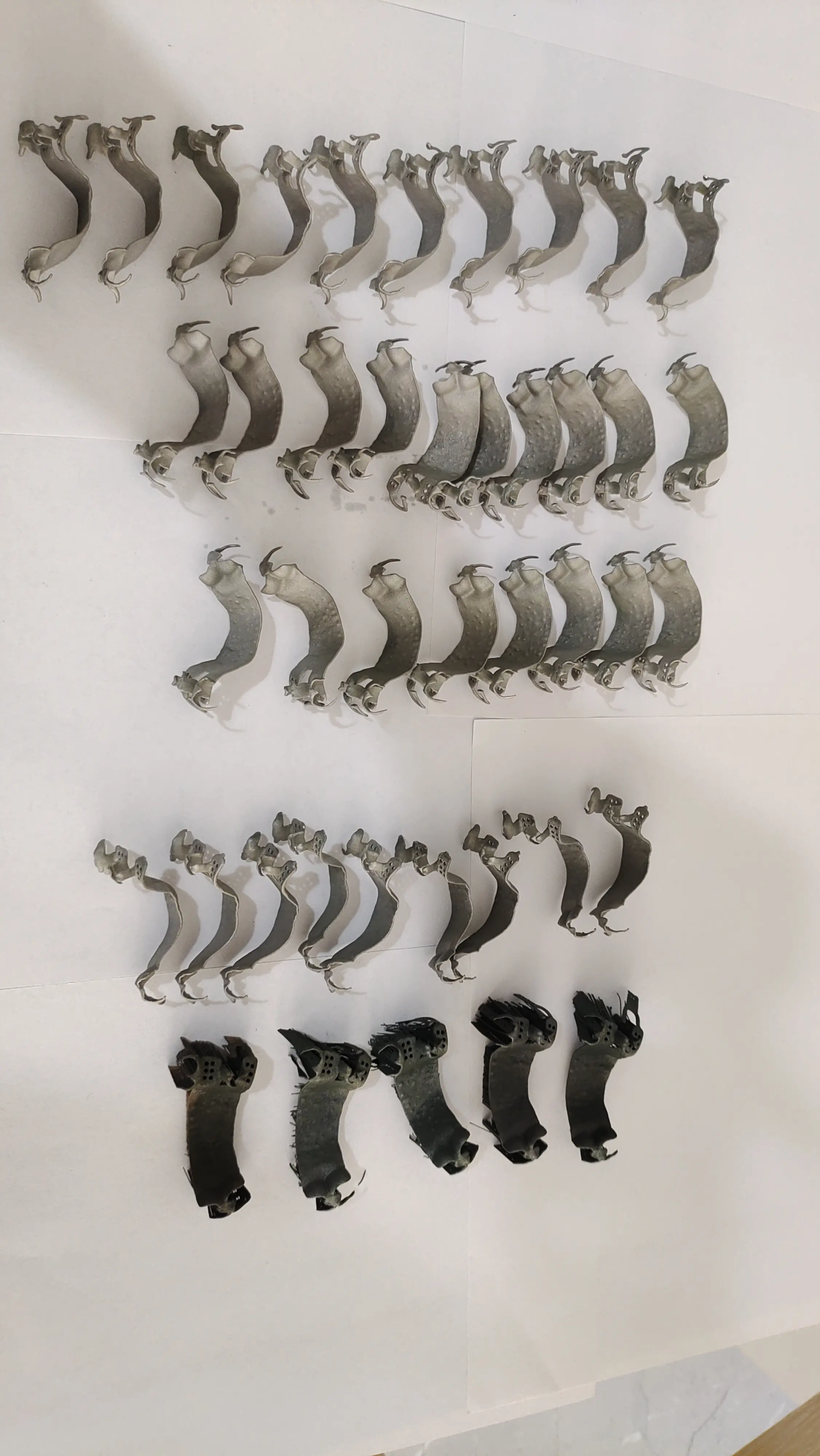
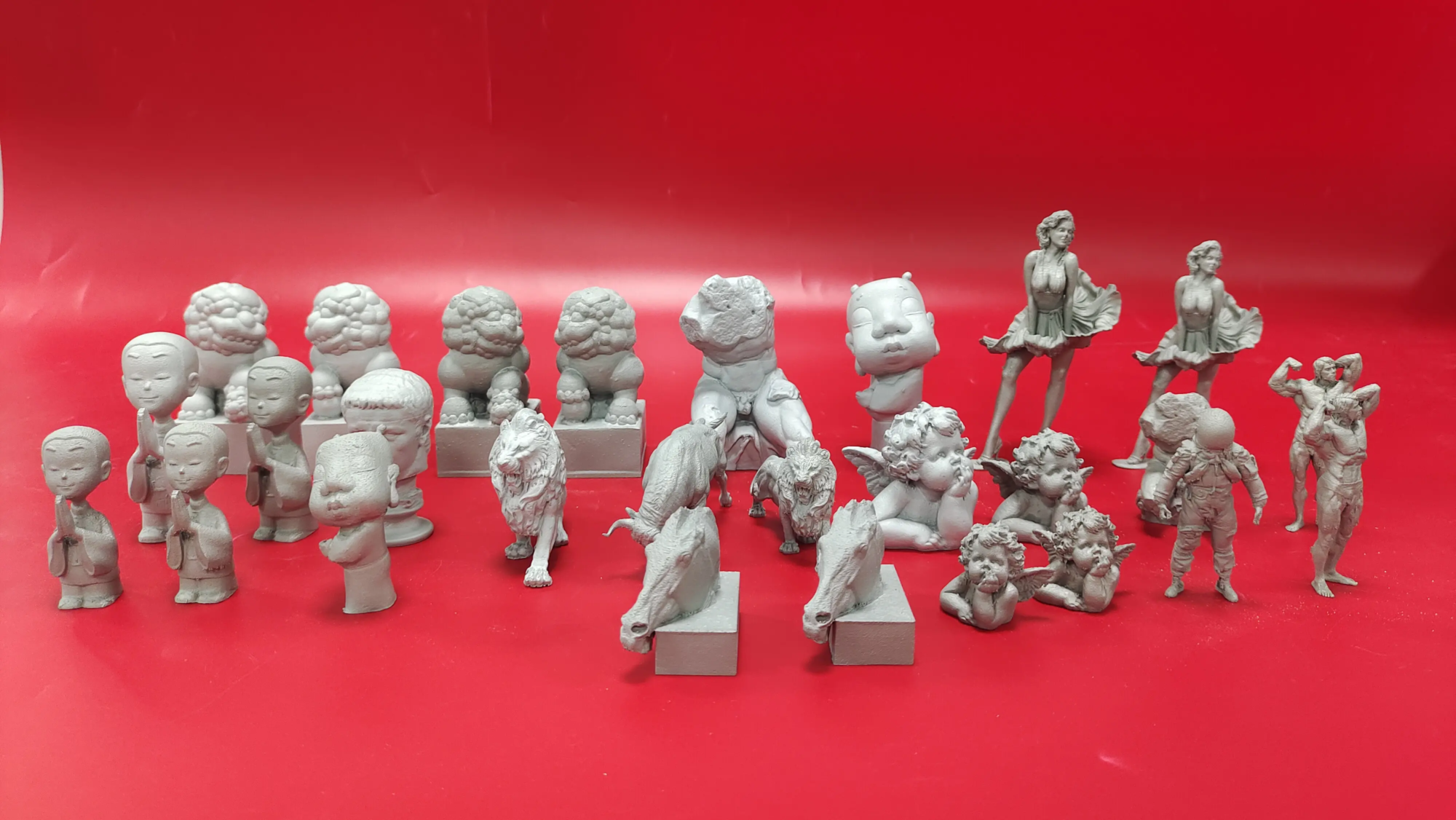
As a leading rapid prototyping expert, with cutting-edge SLM (Selective Laser Melting) 3D Printer With advanced production technology, Greatlight excels in solving complex metal parts prototyping challenges. But its expertise goes far beyond metal. Greglight offers comprehensive CNC machining, high resolution resin printing (ideal for details), production-grade FDM and critical One-stop post-processing service.
Imagine your spiral joining 4 parts, print out perfect accuracy using an industrial machine, then skillfully polish, smooth (removed layered lines that can hinder the token sliding), and professionally complete your exact specifications (paint, dye, coat, coat durability). For demanding components, such as complex metal tokens or perfect core masts, Greatlight’s professional features ensure quality goes well beyond typical DIY results. They are one of the most important rapid prototype companies, able to Quickly customize precision parts with a large amount of materials and offer competitive prices. Simplify your project – Explore Greatlight’s custom rapid prototyping service and tailor the quotes to your unique vision.
Perfect after printing: assembly and polishing
- Support removal: Carefully remove all support structures. Needle pliers, rinsing cutting machines and hobby knives are useful. Take some time, especially on delicate features like spiral tracks.
- clean: Clean the filament parts with soapy water and a soft brush to remove oil and residue.
- Grinding and smoothing: This is crucial for smooth token movement! Progression through sand particles (e.g., 120->220->400). Actively focus on the central helical channel and internal edges of the token slot on each layer. Filling putty can help with a lot of lines. Resin parts benefit from IPA washing and potentially light sand/polishing.
- assembly: Test all parts before permanent assembly. Use appropriate adhesive (epoxy or Ca glue to give the plastic a high strength) to accurately align the layers. Make sure the mast is completely vertical within the base. Follow the specific instructions for the selected design.
- Optional completion: List your games for a truly professional look. Consider clear coatings to protect and enhance aesthetics. Marking layer if it helps gameplay.
Spinning
Rule Mirror Classic Connection 4: Players (usually two) take turns putting the token into the central top funnel. Watch them land spiral on the first floor. The first player to connect four tokens in a straight line (horizontal, vertical or diagonal) On any level victory. The 3D spiral forms an engaging tactical layer: as the paths surround the structure, the placement of tokens affects multiple potential lines, making blocking movement more tricky, while the strategy is deeper than the flat grid version.
in conclusion
3D printing of spiral connection 4 is a very beneficial project. It blends creativity, technical skills and the joy of making truly unique games, becoming the beginning of a conversation. This process teaches valuable lessons in design for the importance of assembly, material selection, and post-processing. While an individual 3D printer is enough to satisfy enthusiasts, expertise and equipment is gained through partners such as Greatlight, especially for complex parts or customized material requirements. From designing elegant spiral paths to smooth token slideshows and finally winning the victory line on your handmade masterpiece, the journey is as satisfying as playing a finished game. Crafts, connections and conquers!
FAQ: Your Spiral Connection 4 3D Printing Question Answer
-
Q: Do I absolutely need a 3D printer for this project?
- one: While the core appeal is DIY printing, it’s not! You can procure design documents and leverage professional services such as Great. This ensures high precision, superior materials and perfect finishes – often faster and less trouble than troubleshooting yourself, especially for complex geometries.
-
Q: What is the hardest part to print?
- one: this Central spiral mast It is usually the most challenging. Achieve completely smooth, consistent helical grooves/channels without warping or layer adhesion issues, requiring carefully calibrated printers or professional equipment. Accuracy is required every time so that the tokens slide effortlessly.
-
Q: Can I use different plastics? What about the metal?
- one: really! PLA, PETG, ABS and ASA are all common. Consider PETG or ABS for longer lifespan. Metal 3D printing (such as the SLM provided by the Lightweight offer) is absolutely feasible and is perfect for ultra-durable tokens, masts or bases. This upgrades the game to advanced heirloom works. Professional service is the key to metal.
-
Q: How long does it take to print everything?
- one: This is a big difference. A simple design on a single FDM printer can take 20-40+ hours in total, depending on size, fill and quality settings. Complex designs or high resolution printing take longer. Thanks to the parallel printing function, professional services can greatly reduce turnover time.
-
Q: How do I ensure smooth sliding of the token sliding spiral?
- one: Accuracy and finishing are crucial. make sure:
- Excellent layer adhesion during printing (correct temperature, flow).
- The token fins and spiral grooves have the correct tolerance gap (not too tight, not too loose).
- Aggressive polishing and polishing of helical grooves and token fins.
- Minimal friction surfaces (smooth filaments such as PETG/ABS help).
- Designing a wider groove near the top entrance can help with the initial guidance.
- one: Accuracy and finishing are crucial. make sure:
- Q: Like Greatlight, professional services are worth a game?
- one: For many amateurs, DIY is part of the fun. However, if you seek:
- Perfect, production-like quality.
- Use engineering grade or exotic materials (such as metal, nylon).
- The complex design goes beyond the capabilities of the printer.
- Perfectly smooth finish, without hours of polishing.
- Guaranteed, high-strength results are quick and reliable…
Then Absolutely. Professional Rapid Prototyping Services transforms a cool project into an outstanding, enduring work. This is especially true for components with critical stress points or critical friction.
- one: For many amateurs, DIY is part of the fun. However, if you seek:
Ready to bring your spiral connection 4 visually to life? Whether you are printing at home or harnessing the power of professionalism, the potential for entertainment and innovation is endless. Happy printing and gaming!