Into the Galaxy: The Ultimate Guide to Star Wars Blaster 3D Printing
The iconic blasters from Star Wars—Han Solo’s DL-44, Din Djarin’s Amban rifle, Rey’s crafted blaster pistol—are more than just weapons; they’re weapons. They are storytelling artifacts instantly recognizable to fans around the world. Traditionally, these galactic guns have only been available as licensed props or expensive replicas, but 3D printing has revolutionized how these galactic guns can be used. Whether for the perfect cosplay, display collection, or just a pure passion project, creating your own powerful blaster is now within reach. This guide delves into the entire process from digital blueprint to polished prop, highlighting cutting-edge techniques and professional solutions, especially for demanding metal parts.
Why 3D print a Star Wars blaster?
- Authenticity and accessibility: Replicate screen-accurate detail impossible with mass-produced toys or rare (and expensive) collectibles.
- custom made: Scale parts for comfort, create unique weathered finishes, or even modify the design (such as building a "deactivate" display).
- Cost effectiveness: Printing in plastic significantly reduces costs compared to purchasing high-end reproductions. With professional prototyping, even metal parts become more feasible.
- Creative satisfaction: The journey from documentation to finished prop provides great satisfaction to both makers and Star Wars enthusiasts.
The journey from pixels to pew-pew: key steps
-
Securing the blueprint:
- Source: Platforms such as Thingiverse, Cults3D, MyMiniFactory and dedicated prop forums host models ranging from recognizable builds (E-11 Stormtrooper, DL-44) to niche designs. Reputable creators will usually charge a fair fee for outstanding models.
- accuracy: Check model credits and user reviews. Some files are optimized for printing, reducing support needs and assembly challenges.
- legality: Please note copyright. Files are generally for personal use only. Commercial use requires permission.
-
Design evaluation and preparation:
- Parts details: Shockwaves are rarely one-piece. Understand how multi-part assemblies fit together (barrel, receiver, grip, barrel).
- Printability review: Use slicing software to visualize problem areas:
- Drape/Support: A gun has a barrel, a trigger, and a gap that needs support. Analyze angles and positions.
- Wall thickness: Ensure structural integrity, especially for thin parts like triggers or sights (minimum 1.5 mm for plastic, thicker for metal).
- Tolerances and Clearances: Model tolerances must account for material shrinkage (especially resins and metals) and allow for moving parts (such as triggers) or pins.
- Zoom ratio: Verify scale accuracy relative to reference photographs or standardized measurements before sectioning. Consider the limitations of your printer bed.
-
Choose your galaxy material:
-
Plastic (FDM/general desktop printing):
- People’s Liberation Army: Easy to print, wide color range, tough but brittle. Best for display or light clothing use. Easily warped by heat/deformation.
- Polyethylene glycol: Tougher, more impact-resistant, and more heat-resistant than PLA. More suitable for frequently handled props. Printing fine details is more challenging.
- ABS: Strong, slightly flexible, sandable/paintable. Heated bed/enclosure required. Can emit smoke. For use with durable grips/handles.
- ASA: Similar to ABS, but UV resistant – ideal for outdoor meetings. A shell is required.
-
Resin (SLA/MSLA printing):
- Standard resin: Produces extremely smooth surfaces and captures fine details beautifully. Ideal for complex geometries and small parts. Fragile without modification.
- Tough/ABS-like resin: Functional parts like triggers or snaps are more durable. H and handle stress better than standard resin.
- Castable resin: If polyurethane resin molding or direct investment casting is pursued, traditional metal casting can be used.
- Metal (professional SLM/SLS printing):
- When plastic isn’t enough: For maximum durability, heavy realism ("weight"), heat resistance in electronics, or achieving an authentic metallic look/sound.
- Material: Stainless steel (316L), aluminum (AlSi10Mg), titanium (Ti6Al4V), Inconel. Each offers unique strength-to-weight ratios, corrosion resistance and surface treatment possibilities.
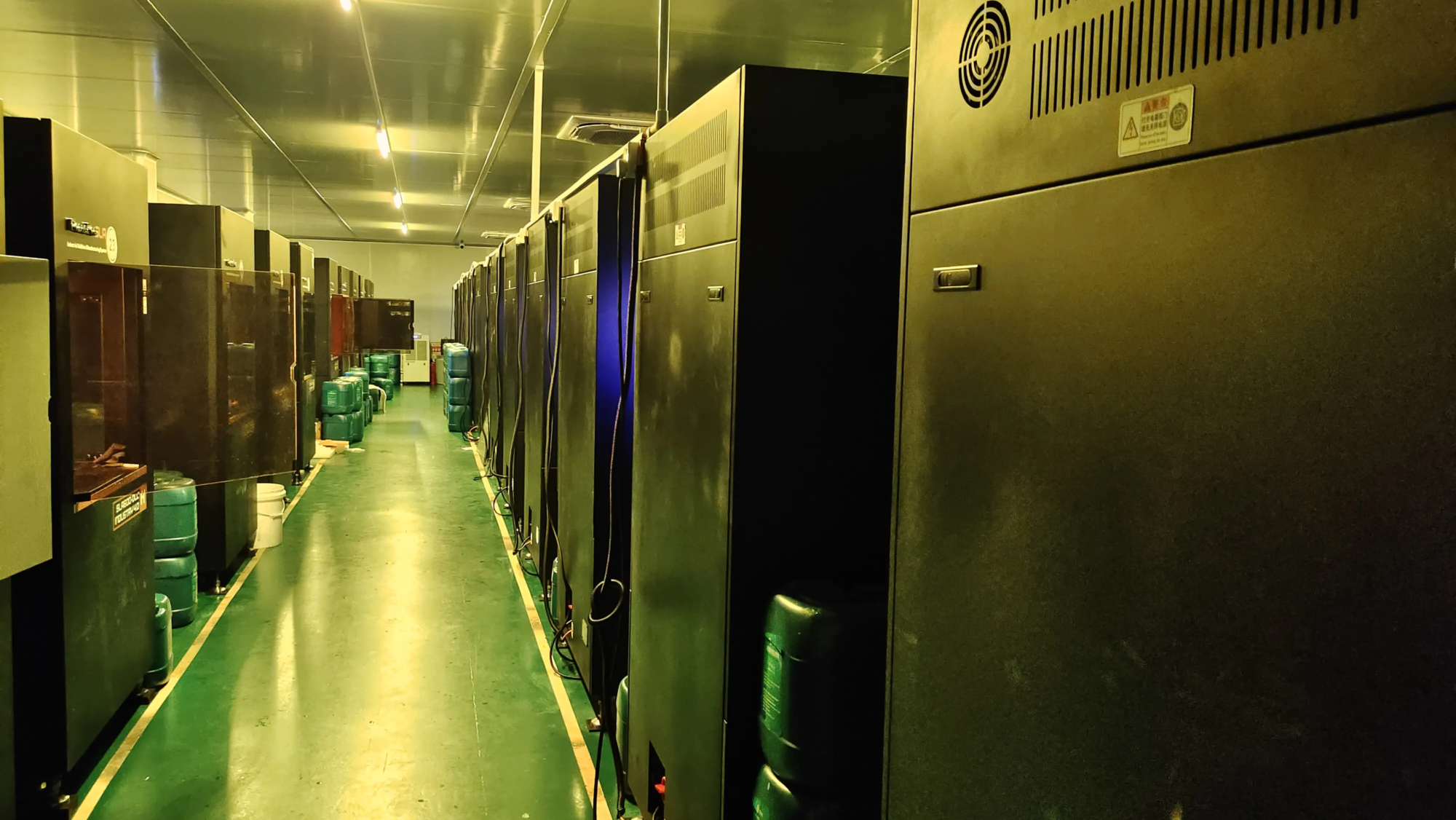
- Guoguang advantages: This is where professional services shine. Advanced technology such as Selective Laser Melting (SLM) A high-powered laser is used to precisely fuse metal powder layer by layer. This makes complex internal geometries (cooling channels, hollow structures for weight reduction) and functional components impossible to achieve by machining or casting. Gretel specializes in SLM metal 3D printing with strict quality controloptimization of complex support structures, and high-speed printing for rapid prototyping of metal blast gun components.
-
-
Printing Frontier: Technology Options
- Frequency division multiplexing: Most accessible. Economical consumables. Good results can be obtained, but visible layer lines require extensive post-processing to smooth. Size limited by bed.
- Service Level Agreement/Service Level Agreement: Excellent detail resolution (<50 microns) is critical for complex blasting functions. For complex models, printing speed is faster than FDM. Messier Workflow (Resin Processing).
- Professional SLM: Provides unparalleled strength and material authenticity to metal parts. Access is available through services such as GreatLight. Ideal for critical components such as barrels, receivers, triggers, or all-metal replicas where functional durability is required.
- Post-processing: converting prints into props
- Support deletion: Carefully cut, pry or dissolve supports. Metal SLM parts often require specialized support removal tools/techniques.
- Surface refinement (plastic/resin):
- Sanding: Progressive sanding (120-1000+ wet sanding) to eliminate layer lines and imperfections.
- Filler: Wood filler, Bondo site putty, or resin for deep imperfections or joints.
- Primer and Spray Paint: Crucial for plastics/resins. Use a filler primer. Acrylic/enamel works great. Weathering technology adds a sense of realism.
- Superior Metal Finish (from GreatLight):
- One-stop service: Features go far beyond basic printing:
- Stress Relief/Heat Treatment: Crucial for improving metal strength and eliminating internal stress in the SLM process.
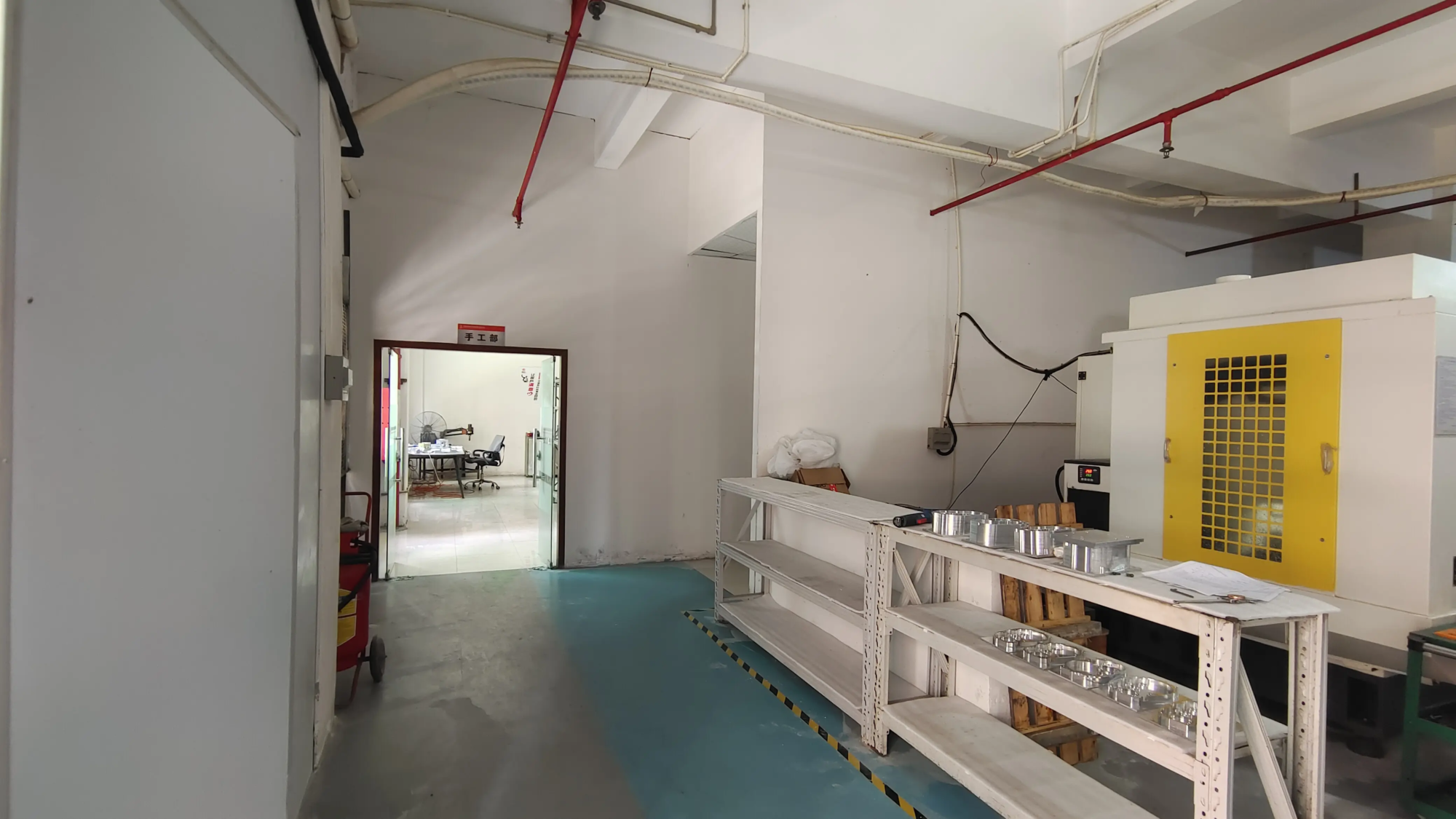
- Support Removal and Machining: Precise CNC milling/drilling to remove supports, tap, achieve dimensional accuracy and prepare attachment points.
- Surface enhancement: sandblasting, polishing, electrochemical polishing, mirror CNC processing.
- Advanced coatings: Anodized (aluminum), powder coating, electroplating (nickel, chromium), PVD coatings for color/texture/decorative finishes and enhanced corrosion resistance.
- Custom Assembly: Integration of non-metallic components (jigs, optics).
- GreatLight’s expertise ensures that SLM-printed metal parts achieve aerospace-grade precision and finish, which is critical for truly premium Star Wars props.
Enhance your builds with professional rapid prototyping
Desktop printer unlocks stunning plastic ejectors for real, durable design Metal Components require industrial equipment and expertise. This is where working with the Prime Minister Rapid prototyping manufacturers such as GreatLight Become transformative.
- Unparalleled Metal Performance: GreatLight uses advanced SLM metal 3D printerusing many years of Production technology expertise Effectively solve complex rapid prototyping challenges.
- Material Breadth: Wide range of processing Customizable metal alloys (Stainless Steel, Aluminum, Titanium, Copper Alloy, Inconel) Perfectly matches functional or aesthetic prop requirements.
- Accuracy and speed: Combine SLM printing with Integrated CNC post-processing Ensuring micron-level accuracy and fast turnaround times – critical for iterative prototyping or final production parts.
- A true one-stop shop: Skip the logistical hassle. GreatLight takes care of the entire manufacturing process: optimized print preparation, rigorous printing, complex support removal, precision machining, advanced finishing and quality inspection, all under one roof. Their deep understanding of material behavior and post-processing complexities ensures parts meet strict quality standards.
- Addressing complexity: Glow excels Professional solution to rapid prototyping problems – From complex internal geometries requiring SLM degrees of freedom to managing thermal stresses and ensuring dimensional stability during post-processing.
Whether you’re crafting hero model parts that require perfect detail and metallic shine, rugged functional components for stunt props that require impact resistance, or unique custom designs that incorporate complex mechanisms, GreatLight can deliver Providing precision rapid prototyping solutions at competitive prices.
in conclusion
3D printing democratizes access to the iconic arsenal of weapons from the Star Wars galaxy. From downloading files to holding your own blaster, the process blends technical skills with artistic customization. Whether you’re using a desktop printer for accessible plastic builds or leveraging professional partners like GreatLight to build high-strength, precision-machined metal parts, the possibilities are endless. Understanding the intricacies of design preparation, material selection, printing technology, and especially the advanced workflow involved in metal prototyping ensures project success. So tap into the Force (or rather, CAD skills!), adopt finishing techniques, and start building your blaster. For the unparalleled authenticity and durability of metal, remember that GreatLight is ready as one of China’s premier manufacturers rapid prototyping companysupply Customized precision machining And a complete set of services to upgrade your props to movie level. Customize your precision rapid prototyping injector parts today at the best prices!
Frequently Asked Questions (FAQ)
-
Is it legal to 3D print Star Wars blasters?
Generally, printing For personal, non-commercial use (cosplay, display) falls under fair use/fan art considerations. Sale It is illegal to print reproductions based on copyrighted designs without permission from Disney/Lucasfilm. Always use files ethically and respect the creator license.
-
What is the best plastic filament for a role play toy gun?
polyethylene terephthalate Offers an excellent balance: good durability, impact resistance, better heat resistance than PLA, and good printing convenience. ASA Works better outdoors due to UV resistance, but requires an enclosure. -
My resin printed parts are too brittle! what can I do?
use Tough/durable or ABS-like resin. Ensure adequate curing time and UV intensity. Avoid walls that are too thin. For critical components, consider redesigning the pin/shaft into a separate, stronger piece possibly made of metal.
-
How expensive is a metal 3D printing sandblasting gun compared to plastic?
Significantly more expensive. Cost depends heavily on part volume, material, metal printing technology (SLM vs. binder jetting), and post-processing required. Small parts like triggers can cost upwards of $50-200, while full metal DL-44 replicas can easily run upwards of $1000. Get quotes from suppliers like GreatLight based on your exact part files.
-
Can GreatLight print metals other than steel and aluminum?
Absolutely! glow offer Customizable material processingusually including Stainless steel (316L), aluminum alloy (AlSi10Mg), titanium alloy (Ti6Al4V) and nickel-based alloys (such as Inconel). Discuss specific requirements when requesting a quote.
-
What advantages does SLM metal printing offer sandblasters over traditional machining?
SLM specializes in:
- Complex geometric shapes: Hollow structures for weight reduction, internal cooling channels, integrated components that cannot be machined.
- Material efficiency: Near net shape printing minimizes waste compared to solid block milling.
- Design freedom: Less restricted by tool access paths required for CNC machining.
- Iterate quickly: Faster turnaround on prototyping complex designs.
-
What are the most critical steps to achieve a realistic finish (plastic or metal)?
Post-processing. Even the best prints require careful sanding, filling (plastic/resin), priming and Professional painting/weathering. For metals, Organizing services (Polishing, coating, plating) are essential for aesthetics and durability. Don’t skip this stage! Gretel offers a comprehensive One-stop post-processing solutionespecially important for metal parts. - How do I connect with GreatLight to get custom Star Wars blaster parts?
Visit GreatLight’s website (including link, if applicable) or contact their engineering/sales team directly. Provide detailed CAD files (.STEP/.IGES preferred) and specifications (materials, dimensions, tolerances, surface treatment requirements) to initiate a consultation and obtain a competitive quote. Use their expertise to create your most ambitious props!