Unlocking structural potential: Your Engineering Guide Strong 3D Printed Shelf Stand
Forget the fragile plastic hook. The world of 3D printing has matured, opening the door to creating shelf stands that are not only functional. Whether you envision a stylish floating shelf, custom storage solutions or repairs to unusual spaces, 3D printing offers unparalleled design freedom. However, achieving true structural strength requires more than just hitting "Print." This guide delves into the art and science of creating shelf stands that are confidently burdened.
Why 3D printing rack bracket?
The charm is clear:
- Unlimited customization: Design brackets are ideal for unique spaces, specific shelf sizes, and even seamlessly integrate artistic elements.
- Rapid prototype and iteration: Fast and affordable testing design. Adjust the corners of the wall, mounting hole position or aesthetic details in minutes.
- Complex geometric shapes: Cable management channels that utilize organic shapes, internal lattice structures for weight optimization or integrated – impossible possibilities in traditional manufacturing.
- Cost-effectiveness of low capacity: For single-use projects or small batches, 3D printing can be much cheaper than custom metal manufacturers.
- Material Diversity: Choose from rigid plastics, reinforced polymers, or drill into industrial strength metals.
Engineering strength: exceeds STL files
Creating a stand that holds more than just a paperback requires thoughtful engineering:
-
Design is King: Geometric shapes are full of weakness
- Optimized wall thickness: Thickness is not always better. Finite element analysis (FEA) simulation or conservative design principles are used to identify stress points. Thin walls are prone to bend; overly thick walls add unnecessary weight and cost without proportional strength gain and risk distortion.
- Lupus and ribs: Secret weapon! The triangles (bends) are reinforced along the corners and walls (ribs) of the flat surface, greatly strengthening the bracket and preventing bending or bending. Omitting these are common beginner errors that lead to failure.
- Curved corners: Sharp inner angles create stress concentrations – the main location where the crack starts. The spacious rounded corners (rounded corners) spread the pressure smoothly, which significantly improves durability. Use a radius of at least 3-5mm if possible.
- Hole design: Round holes are stronger than squares. Make sure to clear significantly around the mounting holes (screw head recessed/slot) and be sufficiently distanced from the edges to prevent tearing. Consider strengthening "ear" Around the critical screw hole.
- Direction strategy: Analyze the main load direction. Print the bracket to pull these forces Along The strongest layer adheres to the plane instead of the pull layer except. This usually means oriented the flat mounting plate vertically on the printing bed.
- Minimal overhang: Support able Can be used to print surfaces directly on the bed or to provide excellent surface quality and strength at this interface. Design strategically to minimize support.
-
Material Important: Choose your structural medium
- PLA: Popular and stiff, but fragile over time, susceptible to creep (gradual deformation under constant load) and heat softening. Best for very light decorative shelves in cooler environments.
- PETG: A major advancement. Excellent layer adhesion, good impact force, temperature and creep resistance are much better than PLA. Highly recommended for functional medium-sized stents. Affordable and easy to use.
- ABS/ASA: Compared with PETG, it has greater toughness and higher temperature resistance. Solvent soldering can be used to obtain the final part strength, but the chamber that requires heating is used to print and vent smoke reliably.
- Nylon (PA6, PA66, PA12): Extremely tough, anti-collision and wear-resistant. Provides flexibility and strength (especially variants such as PA12 GF). For demanding applications, an excellent choice for absorbing moisture and requires careful printing. Fiber-reinforced nylon (e.g., glass, carbon) has excellent stiffness and strength, but abrasiveness. Note: Fiber-reinforced nylon is generally superior to PLA/PETG for critical strength applications.
- Polycarbonate (PC): Extremely high strength, stiffness and temperature resistance. king Strong Desktop polymer, but printing is challenging without warping/layering; requires a high greenhouse (> 100°C).
- Enhanced polymers (PRUSA PP GF30, carbon filled PETG/PLA, etc.): Fibers such as glass or carbon can significantly increase stiffness and strength while reducing creep. A harsh bracket is essential. Abrasive, so use hard nozzles.
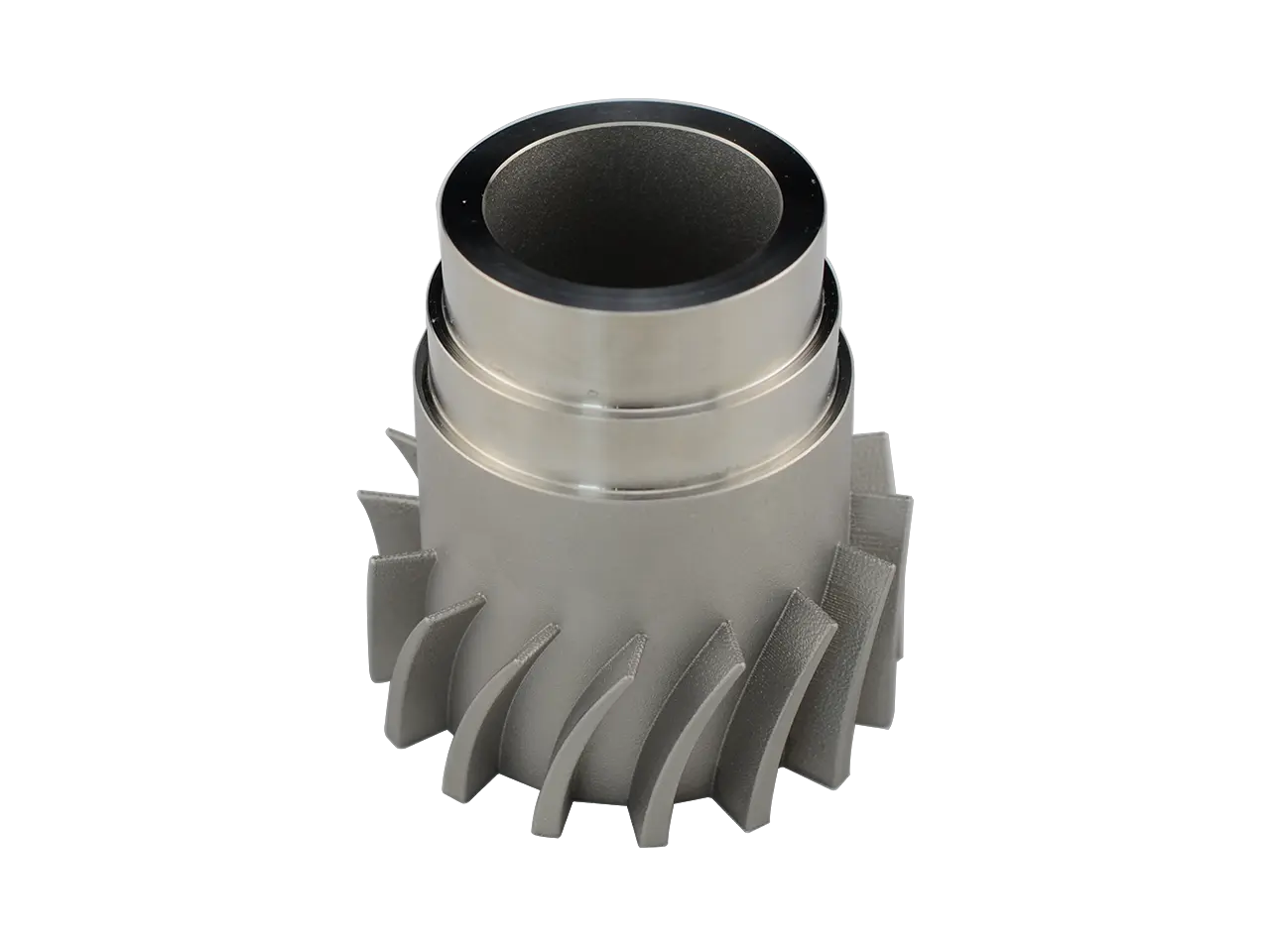
- Metal (stainless steel, titanium, aluminum alloy): The ultimate in strength and durability. Production by adhesive spraying or direct metal laser sintering (DMLS/SLM). Able to replace traditional steel support. Hobbyists have low access, but professional standards for key applications. (This is where Greatlight is good at!)
Choose wisely: Consider shelf load, environmental factors (UV, humidity, temperature) and appearance requirements. PETG or enhanced nylon covers most DIYs. High load or professional applications require enhanced polymers or metals.
-
The strategy of tool path: leveraging the power of the printing process
- Peripherals and fillers:
- perimeter: The main carrier for shear and bending loads. Significantly increase the surrounding wall. Aim at 4 to 8 or more circumferences. This creates a powerful shell. Having enough around does not always require 100% filling.
- Fill pattern and density: Use stiff patterns such as triangles, mesh or cubic/octets, especially near mounting points. For most brackets that use plastic, 25-50% filling is enough if Combined with high perimeter count and good bending. For metal prints or key points, higher fillers (40-60%) are wise. Avoid capability or lightning for structural parts; they prioritize speed/weight over stiffness.
- Layer height and width: Smaller layer heights (e.g. 0.15mm) can usually improve layer bonding (Z-axis strength) and surface finish. Wide extrusion width and larger nozzles (e.g. 0.6mm or 0.8mm) lead to thicker walls Every timethe reinforcement strength is not just a finer nozzle, and many passes are made on high fillers. experiment!
- Ironing: Top surface cosmetics can be improved, but no significant increase in structural strength. Focus resources elsewhere.
- Z-HOP: If possible, withdraw whenever possible. A slight inconsistency in the z position during hop will slightly weaken the layer adherence in the localized layer.
- Peripherals and fillers:
- Unsung Hero: Peak Performance Post-processing
- Adhesion Promotion: Before typing the multipart assembly, gently sand or chemically treat the mating surface (specific solvents of ABS, ASA, PC) before bonding.
- Structural bonding: For non-metallic parts, high-strength epoxy effectively welds the components, distributing load better than individual mechanical fasteners. Epoxy resin can also fill in minor surface irregularities. For metals, welding (some ticks) is possible, but it is complicated. Accurate fit + epoxy is common.
- Annealing (plastic): Heat-treated PETG, ABS, PC or nylon is below its melting point. This increases layer adhesion, reduces creep and significantly increases overall strength and temperature resistance. Controlled heating/cooling is required.
- Heat treatment (metal): Essential for metals printed by sintering. Processes such as thermal static pressures (hooks) and pressure relief/tempering cycles are critical to achieving full material density, eliminating porosity, and maximizing strength and fatigue life. (Standard products of professional metal RP services (such as Greatlime))
- Surface finish: Grinding, media blasting, polishing or protective coatings (paint, powder coating, plating) can improve the appearance and sometimes corrosion resistance.
Professional Advantages: When to Work with Greatlight
It is beneficial to design and print shelf trays for home or light use. However, when load demands become high, aesthetic demands are high, environmental factors are demanding, or certification is required, and working with professionals will become crucial.
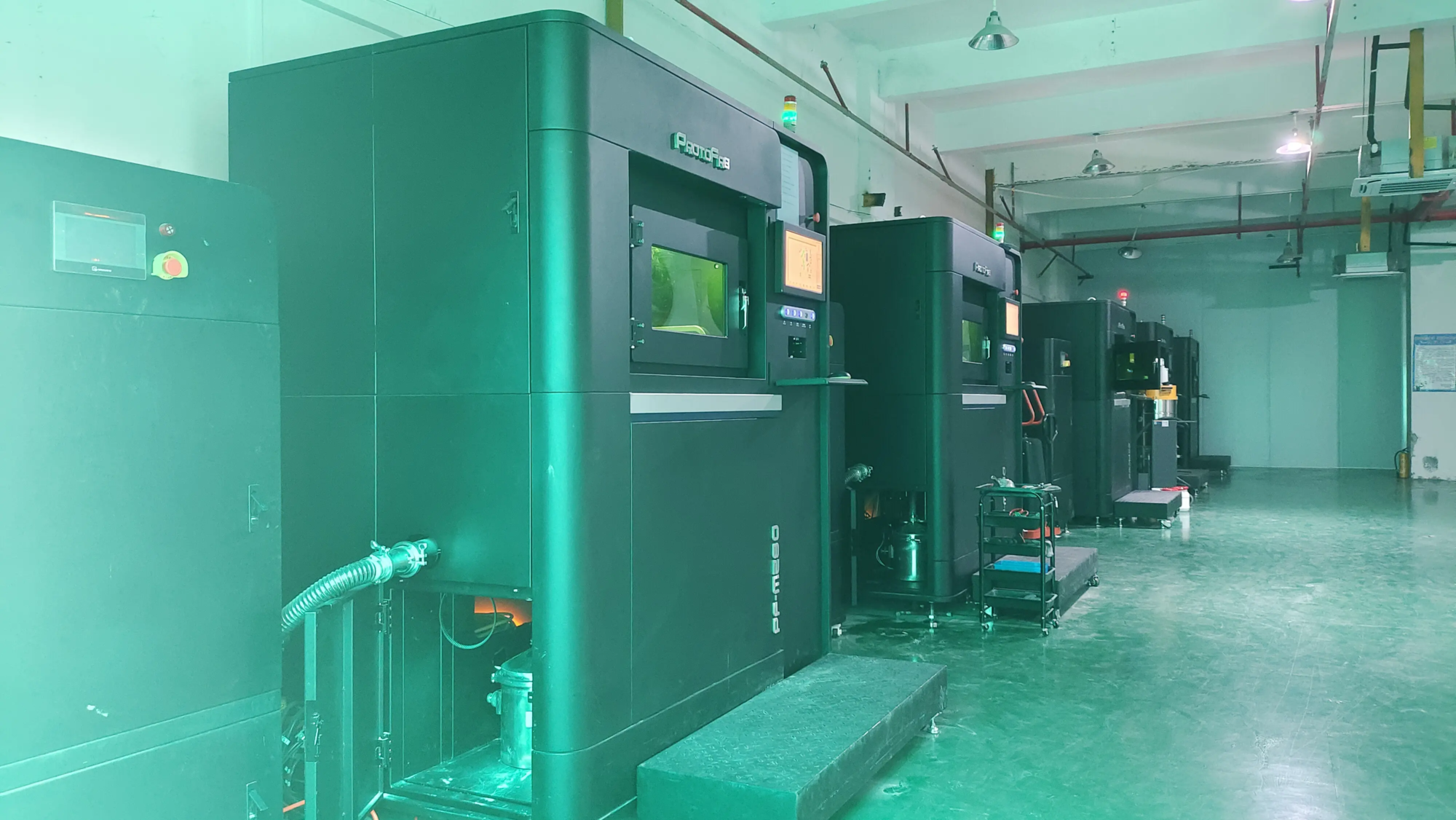
Greglight is the leader in rapid prototyping, especially on the demanding stage of metal additive manufacturing. With our senior fleet SLM (Selective Laser Melting) 3D PrinterWe bring unparalleled precision and power to your bracket design:
- Unparalleled metal strength: Shelf brackets are generated in high performance materials such as stainless steel (316L, 17-4PH), titanium (Ti6Al4v) and aluminum alloy (ALSI10MG) that are able to reliably withstand heavy loads of weight. SLM produces near mesh parts with special material properties.
- Perfect design: Our expertise ensures optimal orientation, support and slicing strategies maximize strength and minimize stress inherent in the process.
- Key post-processing expertise: We guarantee performance through basic post-processing:
- Accurately supports removal.
- Mandatory heat treatment (hook, annealing, backtemper) Eliminate porosity and achieve final mechanical properties.
- Industry-leading finishes (processing, polishing, bead blasting, tumbling).
- Special coatings for corrosion resistance and aesthetics (electropolishing, electroplating, powder coating).
- Materials and Design Consultation: Leverage our engineering insights to select the ideal material and optimize your bracket design for productivity and strength output.
- Speed and one-stop solution: From file uploads to heat-treated finished parts, Greatlight provides a seamless, fast workflow that bypasses supply chain delays fixed steel delays.
Conclusion: Power starts with wise decisions
3D printed shelf stand unlocks incredible design flexibility and accessibility. However, achieving strength is a process that intentionally integrates intelligent mechanical design, rigorous material selection, optimized printing settings, and truly demanding applications, professional-grade manufacturing and finishing.
For DIY enthusiasts, focus on enhanced geometry (burrs, ribs, fillets), choose PETG or enhanced nylon to maximize the power of the periphery and the east. Thorough testing under controlled overload conditions is absolutely essential.
When the application requires uncompromising strength, aesthetics, or metals are required, Greglight provides a portal to industrial-grade solutions. Our SLM technology and comprehensive post-processing ensures rack brackets that meet the highest standards of structural integrity and reliability while still fulfilling the customization commitment of 3D printing. We transform powerful design into reality, enabling architects, designers and engineers to build confidently on custom support.
Quickly prototyping parts now at the best prices!
FAQ: Strong 3D printing rack bracket
Q: How much weight can a 3D printed rack holder hold?
one: it depends completely In design, materials, print quality and post-processing. The carefully designed PETG bracket with burrs can hold 10-20 kg. Metal (especially SLM SS or TI) brackets can hold hundreds. Always significantly overengineered and disruptive testing before relying on any printed brackets.
Q: Can I use PLA for shelf stands?
one: PLA is usually Not recommended For structural shelf brackets. It is brittle, verbally (vertical) under constant load and softens at around 60°C. Use PETG, ABS or better functional stand.
Q: Isn’t metal printing too expensive rack holders?
one: It depends on scale and criticality. For heavy-duty, long-term installations or construction-hard projects, unique designs replace expensive custom steel manufacturing, metal 3D printing can be cost-competitive or advantageous. The ability to merge parts and create lightweight, optimized structures adds value. Contact Greglight for a specific quote.
Q: How many surroundings should I use and how much filler should I use?
one: priority Peripheral! It is recommended to use 4-8+ for braces. Fill density of 25-50% (rigid patterns like triangles) is usually enough and High perimeter. More dense or critical points may require 40-60%+. Focus on chasing 100% of the filler than the sturdy shell design and burrs.
Q: My stent breaks on the layer line. What am I doing wrong?
one: This indicates weak z-axis (layer) bonding. Possible causes: Printing is too cold, printing is too fast, parts are not cooled (for materials that require it (such as PLA/PETG), filamentous moisture, poor optimization direction relative to load (do not load peels), or not suitable for the material.
Q: What makes the Greatlight’s special metal SLM stand special?
one: In addition to the inherent strength of metals, ours SLM Process and Mandatory post-processingspecial Controlled heat treatment (such as hips) Very important. This eliminates the inherent microporosity of course metal parts, relieves internal stresses, and enables material properties to reach (or exceed) cast/forged metal references. Combined with expert finishes, this ensures reliability.
Q: How do I know if my design is powerful enough?
one: Thorough test. Print the prototype. Tests are damaged in a safe and controlled manner, far exceeding the expected load. Observe the fault points and enhance iteratively. For critical/commercial applications, finite element analysis (FEA) simulations and processes/materials that use certification through professional services like Greatlight become critical. Do not rely solely on calculations without physical verification.