A basic guide to mastering high-quality 3D printing filaments
Filament is not only "ink" For your 3D printer, it is the basic material that determines the strength, appearance, functionality, and durability of your transfer prints. Choosing the right filament and mastering its use is a vital art and science for amateurs and professionals alike. In addition to plastic polymers, industries are increasingly utilizing advanced wires and powders for demanding applications, pushing the boundaries of what is possible with 3D printing.
Know your filament arsenal:
A wide range of filaments are available to meet different needs. Choosing wisely is crucial:
-
Daily main force:
- PLA (polylactic acid): The undisputed king of filaments for beginners. Low warp, vibrant colors, easy to print at ~180-220°C, biodegradable (under industrial conditions). Ideal for prototypes, decorative models and low stress parts. shortcoming? Brittle under impact, low heat resistance (~60°C).
- PETG (polyethylene terephthalate): Popularity of Competitor PLA. Offers significantly better impact resistance, higher heat resistance (up to ~85°C), chemical resistance and flexibility while remaining relatively easy to print (~230-250°C). Great for functional prototypes, containers, mechanical parts.
-
Engineering performers:
- ABS (acrylonitrile butadiene styrene): A classic workhorse for durable, heat-resistant (~90-100°C) parts requiring toughness and processability. Requires higher printing temperatures (~230-260°C) basic Use a closed chamber/heated bed (~90-110°C) to minimize warping and layer delamination. Excellent layer adhesion allows for excellent post-processing (sanding, acetone steam smoothing).
- ASA (Acrylonitrile Styrene Acrylate): Development of ABS. Has similar properties but offers excellent UV resistance – preferred for outdoor applications without significant degradation. Odor control is improved and warpage is slightly reduced compared to ABS. Similar printing considerations are required.
- Nylon (Polyamide – PA6, PA66, PA12): Known for strength, durability, flexibility and excellent wear resistance. Ideal for gears, functional parts and wear parts. High hygroscopicity—— Requires careful drying Before and during printing (approximately 240-275°C print temperature, 70-90°C bed). More challenging than PLA/PETG.
-
Specialty materials and composites:
- TPU/TPE (thermoplastic polyurethane/elastomer): Flexible filaments range from soft, rubbery Shore 60A to tougher Shore 95A. Unique extrusion challenges (slow speed, no retraction, direct drive extruder preferred). For gaskets, seals, protective cases, shoes.
- Reinforced filament (PETG-C тервcarbon, PLA-carbon fiber, nylon-CF/Kevlar): Combine a polymer matrix with chopped carbon, glass or Kevlar fibers. Significantly improves stiffness, dimensional stability and heat deflection temperature. Extremely abrasive – requires hardening of nozzle and extruder components.
- PVA (polyvinyl alcohol): Soluble support materials are typically printed using dual extrusion with PLA or PETG. Soluble in water, very useful for complex geometries.
- High-performance polymers (PEEK, PEKK, PPSU/Ultem): FFF/FDM The pinnacle of thermoplastics. Excellent strength-to-weight ratio, chemical resistance and extremely high heat resistance (250°C+). Presents significant printing challenges (encapsulated printer, high temperatures >350°C, specific chamber conditioning).
- Crushing Scale: Wire and Powder Bed Fusion:
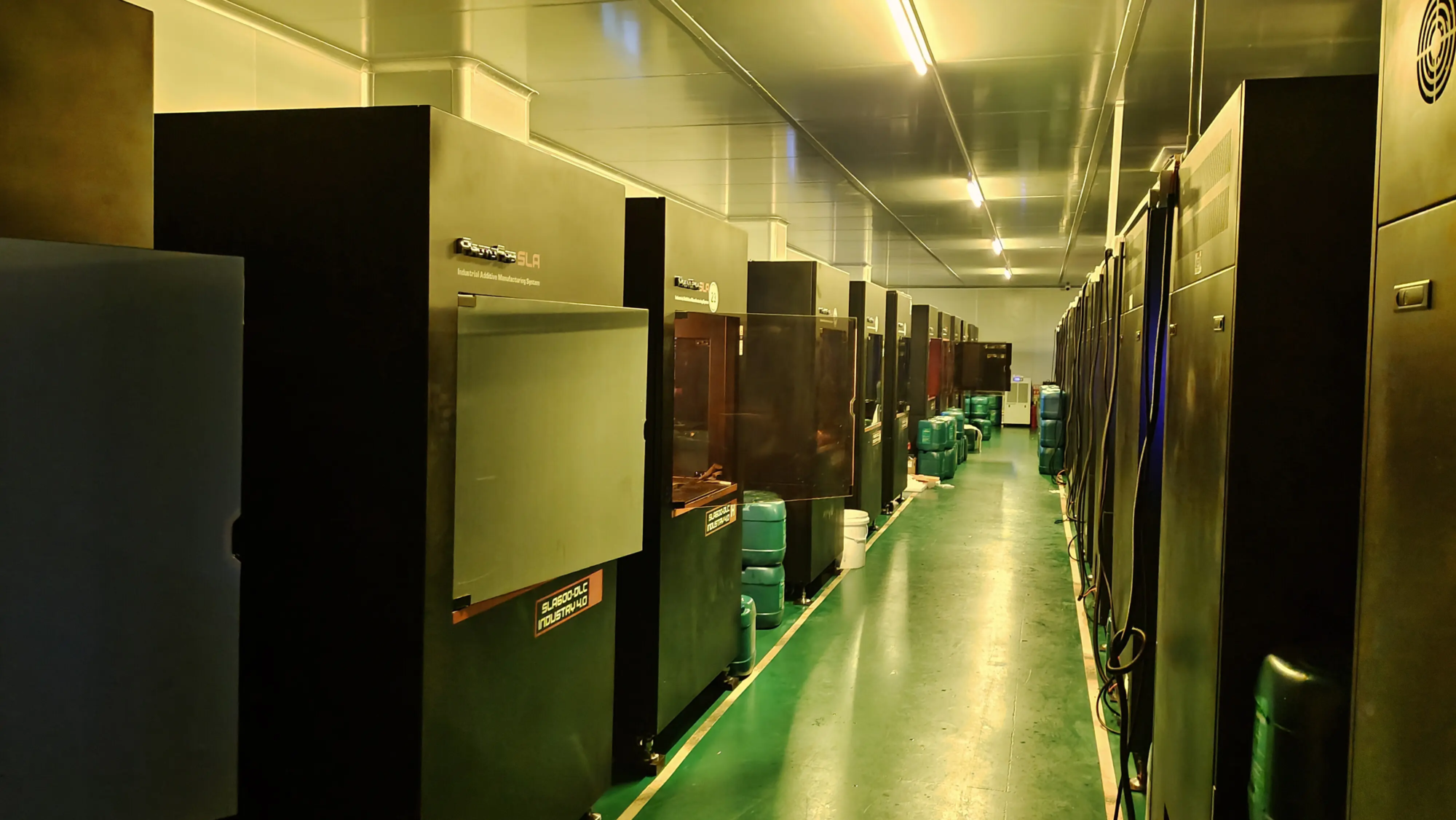
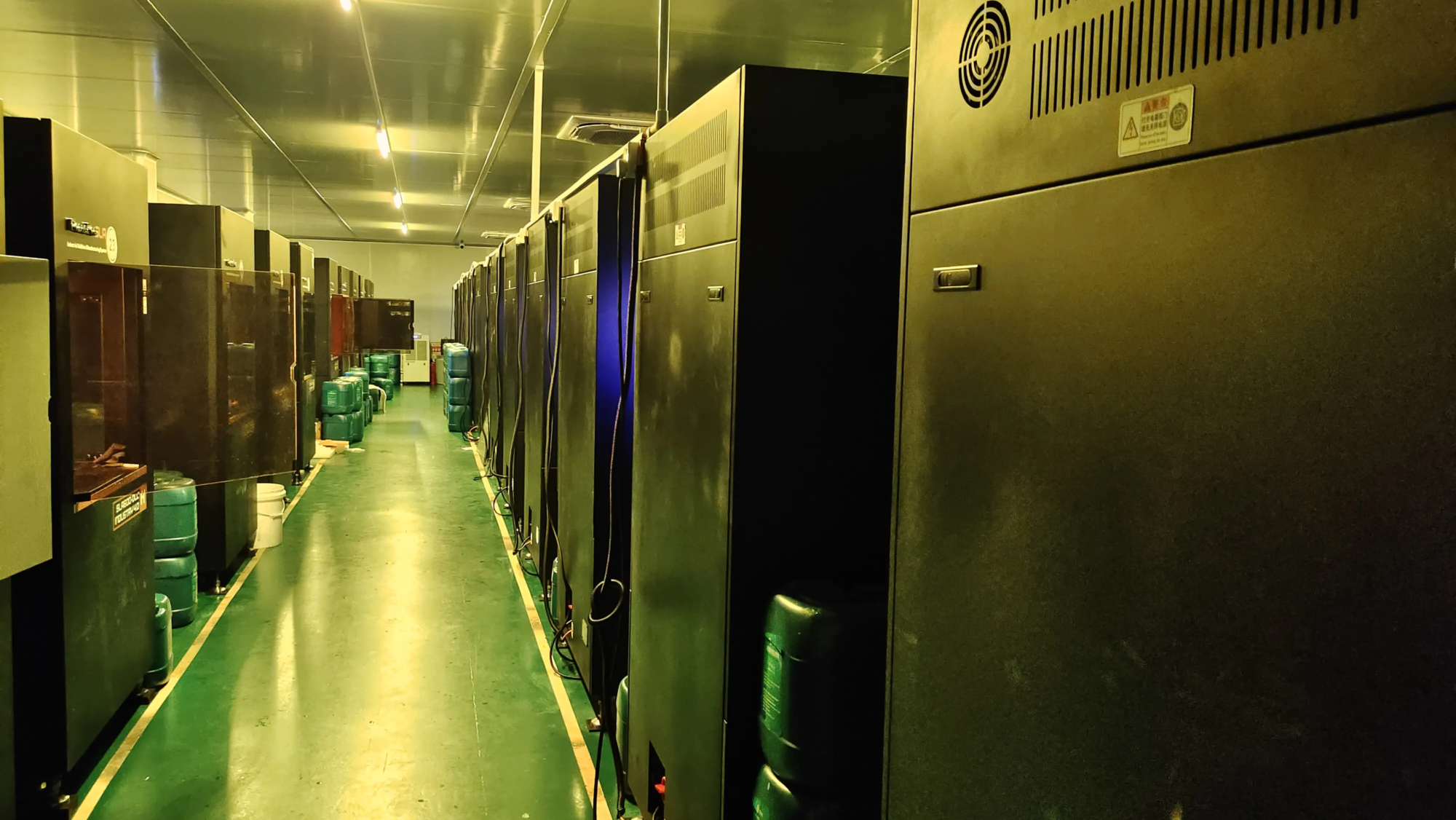
While desktop FFF printers use filament, industrial strength applications require metal. That’s where technology like this comes in Selective Laser Melting (SLM) and advanced manufacturers such as huge light shine.
- Metal wire: Desktop FFF printers can use metal filler wire (bronze, stainless steel PLA/PETG). They achieve metallic beauty and weight after printing, but require extensive post-processing (degreasing, sintering) to approach true metallic properties. Complex and limited in strength.
- Direct metal printing (SLM/DMLS): This industrial-grade technology uses fine metal powders (Jnconel, Ti6Al4V titanium, cobalt-chromium alloys, aluminum alloys, stainless steels such as 316L and 17-4PH). Powerful lasers selectively melt ultra-fine powder particles layer by layer to build fully dense, near-net-shape parts with mechanical properties that rival and sometimes exceed those of conventional forged or cast metals. This brings unparalleled freedom to complex geometries not possible with conventional machining.
Beyond the Spool: Mastering the Use of Filament:
Choosing filament is the first step. Sustained success requires mastering its ability to process:
- Moisture alert: Hygroscopic yarn (nylon, PETG, PVA, TPU) can quickly absorb moisture in the air. Moisture can boil during extrusion, causing popping sounds, poor adhesion between layers, stringing, rough surfaces, and bubbles. Drying the filament: Use a dedicated filament dryer (approx. 50-70°C for PLA/PETG, approx. 70-85°C for Nylon/PVA Burdockegs), preferably when printing. Add desiccant to seal and store.
- Temperature synergy: Each filament has specific temperature requirements:
- Hot end: Essential for correct melt flow and layer bonding. Start with the manufacturer’s recommendations to fine-tune the temperature tower.
- Build the board: Make sure the first layer has strong adhesion. PLA (~50-60°C), PETG (~70-80°C), ABS/ASA (~90-110°C), Nylon (~70-90°C). Use adhesives (glue sticks, hairspray) or surface options (PEI, BuildTak) wisely.
- shell: For high warp yarns (ABS, ASA, Nylon, PEEK), non-negotiable. Stabilizes temperatures, prevents drafts, and minimizes warping/stress cracking.
- Extrusion calibration: Filament diameter inconsistent? Your fingerprints will be affected. Make sure your microtome uses the correct filament diameter. Perform step E calibration to ensure accurate extrusion volume. Too few filaments = gaps/weaknesses. Too many filaments = spots and elephant feet.
- Safe handling: Ventilation is important! Printing ABS/ASA/Nylon releases VOC/UFS. Use a printer enclosure with filtration (activated carbon) or external exhaust. Wear nitrile gloves when handling powder or uncured resin. Safety goggles prevent accidental eye irritation.
Pushing the Boundaries: The Advantages of Professional Metal Printing
When plastic prototyping is pushed to its limits—whether it’s structural integrity, heat resistance, biocompatibility or direct creation of end-use metal parts—advanced metal 3D printing solutions are imperative. huge light Standing at the intersection of innovation and manufacturing excellence.
As China’s premier rapid prototyping manufacturer, Greite utilizes cutting-edge technology Selective Laser Melting (SLM) technology. This sophisticated method uses powerful lasers to selectively fuse intricate layers of fine metal powders, enabling the creation of complex internal structures and lightweight yet strong components. Whether you need functional prototypes that are indistinguishable from production parts or low-volume end-use metal parts with superior strength-to-weight ratios, GreatLight has the expertise to meet your needs.
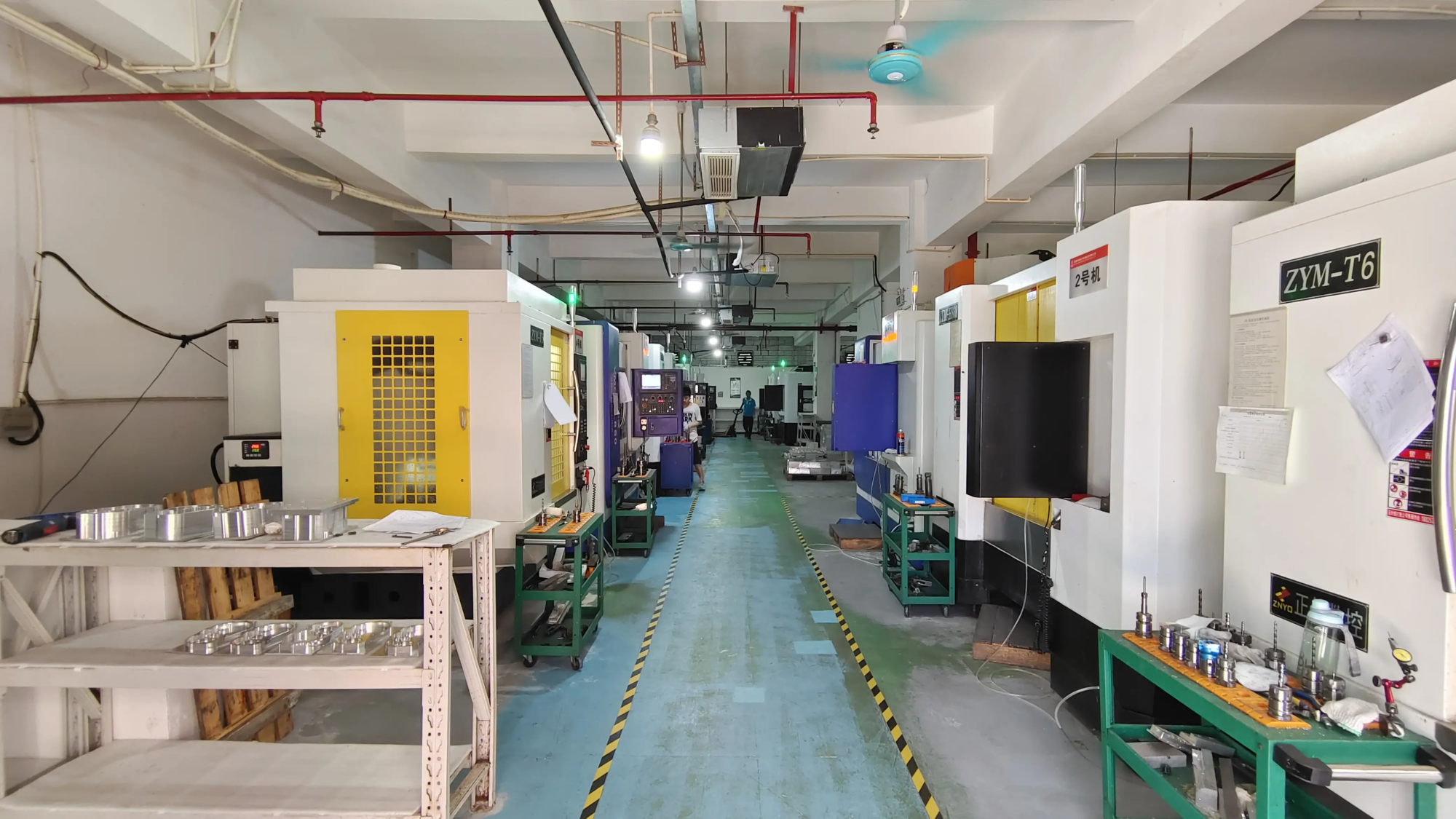
In addition to printing, GreatLight offers comprehensive one-stop post-processing and finishing. This includes precision CNC machining, meticulous surface finishing (polishing, sandblasting), heat treatments to enhance material properties (annealing, HIP), EDM wire cutting of intricate details, precision cleaning, painting and advanced inspection services. This holistic approach ensures your high-value metal prototypes and parts meet the most stringent dimensional, functional and aesthetic requirements.
Conclusion: Filament selection driving potential
Successful 3D printing starts and ends with knowing your filament. Choosing the right material—whether it’s accessible PLA for hobbyist prototypes or complex powdered titanium for aerospace components—determines feasibility, performance and aesthetics. Mastering core aspects of printing temperature, humidity control, bed adhesion, and security can minimize frustration and achieve consistent quality. Remember: The inherent capabilities of plastic filaments shine in countless applications.
When your goals extend to complex geometries, requiring unparalleled strength, thermoelasticity or biocompatibility that can only be achieved with metals, working with experts in advanced technologies such as SLM is a logical leap. manufacturers like huge lightleveraging expertise in metal powder bed fusion and integrated post-processing to transform complex digital designs into tangible engineering solutions.
FAQ: Filament Use and More
-
My PLA prints are fragile/break easily. Why?
- Possible moisture: Over time, PLA absorbs moisture and becomes brittle. Dry thoroughly in a dedicated dryer (~45-50°C, 4-6 hours). Low printing temperatures also play a role.
-
PETG always sticks to my bed too much/strings are terrible. help!
- Bed Leveling/Adhesion: Make sure the first layer is properly extruded (a slightly higher Z offset than PLA might help). Use a release agent (flash stick) on the glass or PEI board. Allow print to cool completely before removing to prevent excessive adhesion.
- Threading: Slightly increased retraction distance/speed. Reduce hot end temperature. Reduce the extrusion ratio/flow rate slightly. Make sure the filament is dry – PETG thread is known to be prone to moisture.
-
ABS transforms like crazy! How can I stop it?
- Enclosure and heat: ABS need Stable, no airflow, warm Environment (approximately 45-55°C around parts). A heated bed (~100-110°C) is essential. Crust (even homemade) is non-negotiable. Consider adding a brim or raft.
-
Do I need a hardened steel nozzle?
- For abrasives, yes! Only suitable for printing filaments containing abrasives: carbon fiber, glass fiber, metal-filled PLA/PETG, greedy green luminous materials. Continuous use will quickly damage a standard brass nozzle. Use hardened steel or ruby nozzles.
-
What is the real difference between PLA and PETG?
- PLAbi offers excellent ease of use and aesthetics, but is brittle and has low heat resistance. PETG trades slightly easier printing for significantly higher impact resistance, flexibility, higher heat resistance (~85°C) and excellent chemical resistance. PETG is generally better suited for functional parts.
-
My TP work experience U print is jammed/messy. What’s going on?
- slow down: TPU cannot print quickly. Significantly reduced speed (20-30 mm/sec on the nipple). Disable retraction or use minimal settings. Make sure the extruder path is smooth/resistance-free (if Bowden, use Capricorn tube). Direct extruders handle TPYber better. Dry the filament.
-
Why consider metal prototypes instead of plastic prototypes?
- For more demanding applications Extraordinary strength (structural parts, load-bearing parts), High temperature resistance (Engine parts, heat exchangers), Complex internal geometryunattainable biocompatibility (medical implants) or true functionality End use metal parts. Plastics simply cannot match the performance of metals in these areas.
- What are the advantages of SLM/GreatLight for metal parts?
- complex: Create parts that are not possible with traditional machining (internal channels, ultra-lightweight meshes). speed: Rapidly develop functional metal prototypes. Material properties: Fully dense metal retains excellent mechanical properties. efficiency: Reduced waste compared to subtractive CNC machining. Integration: GreatLight provides services from file melting to finished parts, including critical CNC machining and finishing.
Customize your precision rapid prototyping journey today. From filament potential to professional metal reality huge light. Request a quote for your innovative project!