Sweet Print: Chocolate Silk Technology
Imagine printing intricate lace patterns, miniature sculptures or personalized messages made entirely of delicious, melt-in-your-mouth chocolate. This isn’t science fiction; This is the delightful reality unlocked by chocolate silk technology in 3D printing. While metals and plastics dominate industrial rapid prototyping, chocolate printing offers a fascinating fusion of culinary arts and additive manufacturing, opening the door to unprecedented creativity in food design, personalized gifts, and engaging education. Let’s delve into the science, process, and potential of this delightful technology.
Beyond plastic: What exactly is chocolate silk?
Forget PLA or ABS. The chocolate strands are specifically designed to be compatible with modified extrusion-based 3D printers (usually Fused Deposition Modeling – FDM). It’s more than just pouring a melted chocolate bar into a box. instead:
- Precision formula: High-quality icing chocolate (rich in cocoa butter) is essential. It is carefully tempered – a controlled heating and cooling process is essential to achieve the correct crystal structure. Proper tempering ensures that the final print has a glossy surface, crisp elasticity, smooth mouthfeel and, most importantly, will not melt immediately at room temperature.
- Filament formation: The tempered chocolate is extruded into thin and uniform strands—— "filament." This requires precise temperature control throughout the extrusion process to maintain tempering.
- Material requirements: Chocolate silk requires specific printer adaptation. Standard FDM printers designed for plastics are not enough because:
- Temperature control: Chocolate printing prints at lower temperatures (typically 31-33°C/88-91°F) than plastic printing. Printers require accurate, stable heating systems that can maintain this narrow window to prevent overheating and jamming, or underheating and clogging.
- cool down: Precise cooling systems (sometimes active cooling chambers or directional airflow) are crucial. The chocolate hardens almost immediately after deposition. Without controlled cooling, the layers will not bond properly and the delicate structure will crumble.
- Extrusion mechanism: Improved extruders are needed to handle sticky, temperature-sensitive chocolate batter without introducing air bubbles or disrupting tempering. Syringe-based systems or specialized paste extruders are common.
The Sweet Process: How Chocolate Printing Works
- design: Create or download a 3D model suitable for chocolate printing. Due to the weight and rapid setting of the chocolate, the model requires relatively thick walls and minimal overhang. Support is often unrealistic.
- slice: Use slicer software specifically configured for chocolate. The software determines the printing path and strictly controls:
- Extrusion rate: Precisely control the amount of chocolate deposited.
- Print speed: Slower speeds are critical for precision and layer adhesion.
- temperature: Bed temperature (cold) and nozzle/chamber temperature (warm and highly stable).
- Cooling parameters: Fan speed or cooling system activation time.
- print: The printer carefully deposits thin layers of tempered chocolate onto a cooled build platform. Each layer cools and solidifies almost immediately after deposition before the next layer is added. This requires an exceptionally stable environment, free of drafts and temperature fluctuations.
- Post printing: Once done, the chocolate structure can be carefully removed. smallest "Support removal" This is possible because the structure is designed to be self-supporting. This is often followed by decoration with colored cocoa butter or food paints.
Attractive applications:
- Delicious Candies: Top chocolatiers create incredibly complex candies with intricate geometric shapes, custom chocolate bars with embedded designs, edible centerpieces and unique decorations that cannot be made with hand molds.
- Personalized gift: Print name, portrait, logo or custom shape for weddings, corporate events, birthdays or anniversaries.
- Education and Engagement: STEM projects use the visual and delicious appeal of chocolate printing to teach engineering principles, CAD design, and materials science.
- Rapid cooking prototyping: Chefs quickly iterate on complex dessert designs before committing to expensive molds or labor-intensive handcrafting.
- Customized design: Customized edible designs for specific dietary needs (within chocolate restrictions, e.g. sugar-free).
Sugar-coated reality: advantages and challenges
advantage:
- Unprecedented customization and creativity: Design freedom goes far beyond traditional molds.
- Complex geometric shapes: Ability to create hollow structures, internal cavities and complex lattices.
- Small batch speed: Faster than hand-carving complex designs or creating custom molds for small batches.
- Minimal waste: Only use printed content; failed prints are edible (although they can be frustrating!).
shortcoming:
- Material Sensitivity: Chocolate is extremely sensitive to temperature, humidity and handling. Maintaining perfect condition throughout the entire printing process is technically challenging.
- Print speed: Slow compared to industrial plastic printing due to the cooling time required.
- Limited overhangs/bridges: Chocolate’s low viscosity and rapid cooling limit unsupported structures.
- Resolution and detail: Due to stickiness, the resolution is lower than high-precision SLA or metal printers.
- Equipment cost: A reliable chocolate-specific printer requires a significant investment.
- Post-processing limitations: The chocolate print is delicate; additional processes are limited (glazing, decoration).
GreatLight: Precision beyond chocolate
Although the chocolate print shows coolness potential Use multiple materials in additive manufacturing, unlock full spectrum Rapid prototyping—from strong functional metals to high-temperature engineering plastics—requires industrial-grade expertise and equipment. This is the advantage of GreatLight.
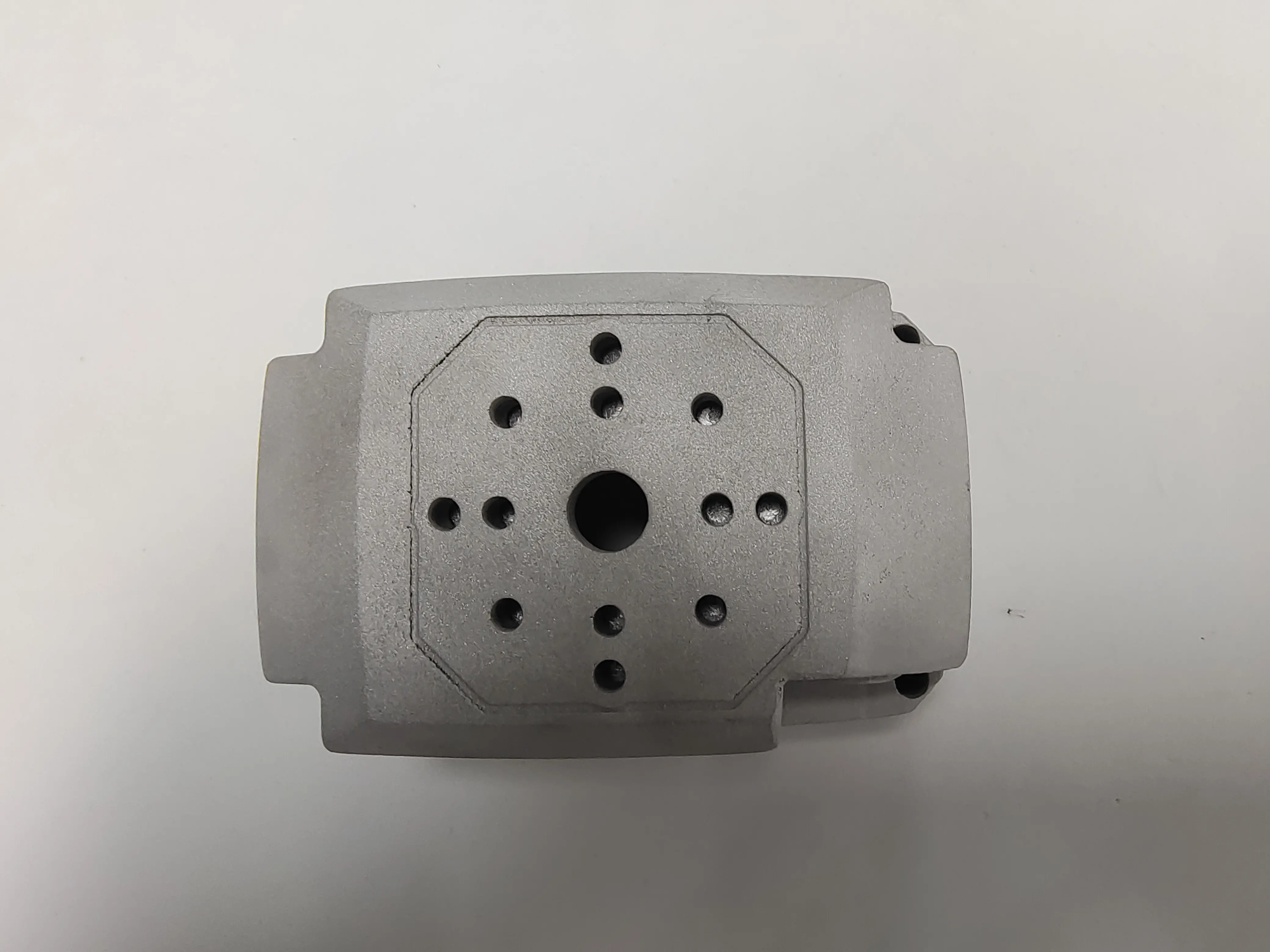
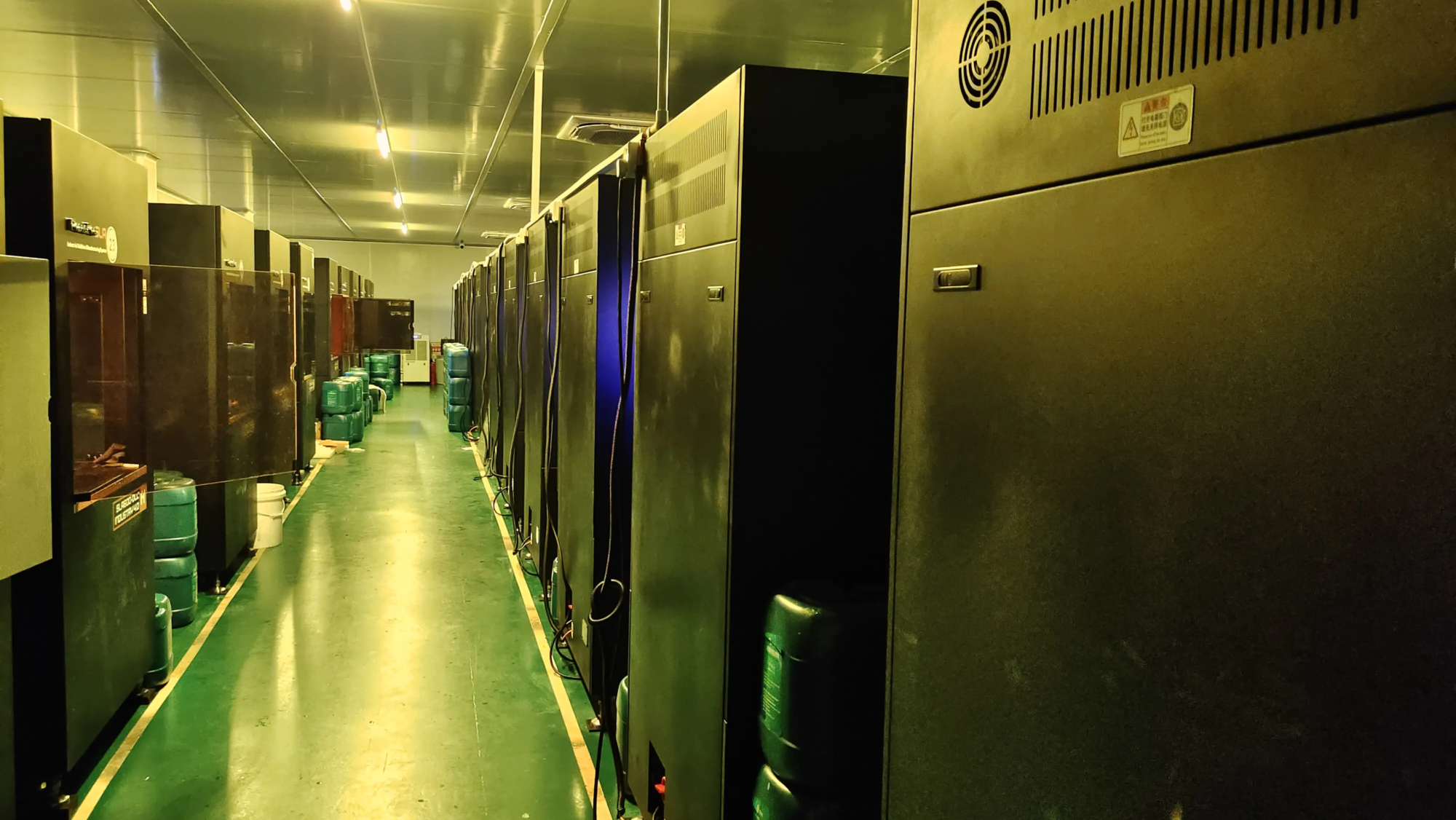
As a specialist rapid prototyping manufacturer utilizing cutting-edge selective laser melting (SLM) technology and advanced production techniques, GreatLight solves complex challenges in metal part prototyping and beyond. Our focus extends to accurate, reliabilityand End-to-end solution:
- SLM power source: Operate an advanced metal 3D printer capable of producing high-density, complex metal parts (stainless steel, titanium, aluminum alloys, Inconel, etc.).
- Material mastery: Handle a variety of specialty materials, including challenging metals and high-performance engineering polymers.
- One-stop post-processing: Comprehensive finishing – heat treatment, precision machining, support removal, surface finishing (polishing, sand blasting, coating), quality control – all from one stop.
- Customization and speed: Quickly customize and machine parts to exact specifications. Expertise in custom precision machining ensures parts meet the tightest tolerances.
- Problem solving focus: We specialize in solving difficult prototyping problems, turning complex designs into functional realities quickly and efficiently.
Chocolate inspires innovation, but when your project requires performance-critical metal prototypes or complex parts using advanced engineering materials, GreatLight is the leader – One of the best rapid prototyping companies in China. Explore the possibilities and customize your precision rapid prototyping parts at competitive prices.
Conclusion: A wonderful blend of technology and taste
Chocolate Silk Technology vividly demonstrates how 3D printing continues to push the creative boundaries of new materials. It turns candy into an engineering art form, enabling previously unimaginable designs. While challenges remain in material handling and printer stability, the ingenuity that drives this field promises to create even more stunning edible creations in the future. Chocolate printing reminds us that prototyping isn’t just for industrial parts; It’s about taking imagination and taking it into tangible – and sometimes delicious – form.
At the same time, it highlights the complexity required for reliable, high-performance additive manufacturing. For projects that require unparalleled precision, structural integrity and material versatility, especially in metals, partnering with a specialist rapid prototyping provider like GreatLight ensures your designs move seamlessly from concept to functional reality, leveraging the true power of advanced additive manufacturing. There is no denying that the future of manufacturing, whether delicious or durable, is closely linked to the ever-evolving 3D printing technology.
FAQ: Chocolate Silk 3D Printing
Q1: Can I use an ordinary FDM 3D printer to print chocolate?
Answer: Generally speaking no. Standard FDM printers operate at temperatures that are too high for chocolate and lack the precise cooling systems required. Chocolate requires a modified printer with a dedicated extruder, fine-tuned temperature control (around 31-33°C) and an active cooling mechanism.
Q2: Is printed chocolate as good as regular chocolate?
A: When printed correctly using properly tempered sugar chocolate, the flavor and texture are outstanding. It should have a good bite and a melt-in-your-mouth feel. The visual appeal lies in the complex shapes that can be achieved. Flavor quality depends largely on chocolate origin and process control.
Q3: How strong is the chocolate printing?
A: Chocolate prints are edible pieces of art, not structural components. They can support their own weight if designed correctly (e.g., thick-walled, stable base), but they are brittle and can easily break or melt when handled or heated. They are not designed for mechanical loads.
Q4: What are the restrictions on chocolate printing design?
Answer: Design requirements:
- Adequate wall thickness (usually >2mm).
- Minimal unsupported overhangs and bridges (Chocolate Struggle).
- Large flat ceilings or complex topologies that require supports are generally avoided. The design is optimized for self-supporting geometries.
Q5: How to store chocolate printed items?
A: Treat them like fine chocolate. Store them tightly sealed in a cool (about 15-18°C / 60-64°F), dry place away from direct sunlight and strong odors. Avoid refrigeration if possible (may cause condensation and frosting), but may be necessary in hot climates. Their shelf life is similar to the chocolate itself.
Q6: Can I use any type of chocolate?
Answer: It has no effect. High-quality couverture chocolate with a high cocoa butter content is essential for filament formation and the proper melting and tempering behavior required for printing. Regular candy bars or low-cocoa butter chocolate don’t work reliably.
**Q7: What are the main technical challenges in chocolate printing?