Unlock Prehistory: Your comprehensive guide to your 3D printing of amazing T-Rex skulls
Few fossils capture imagination like powerful skulls Tyrannosaurus. With its powerful chin, huge teeth and powerful structure, it is awe of natural history. Thanks to advanced 3D printing technology, it is now possible to create your own ultra-accurate museum T-Rex Skull Replica. Whether you are a paleontologist, educator, artist or passionate enthusiast, this guide will guide you to every stage – from digital files to breathtaking body replicas.
Why 3D printing of T-Rex skulls?
Apart from the sheer cool factor, 3D printed T-Rex skulls have multiple purposes:
- Educational tools: Provide students with hands-on tactile learning experiences about dinosaur anatomy and evolution.
- Museum and exhibition reproductions: Creates a durable, lightweight alternative to fragile original fossils.
- Movies, Dramas and Props: Design immersive, historically precise props.
- Personal collection and art: Establish a compelling core for enthusiasts or artists "Ancient ART."
- Research and Recovery: Test the installation configuration or visualize the missing/repair section.
T-Rex Skull 3D Printing Guide: Step by Step
-
Purchase your digital blueprint (STL file):
- Accuracy is crucial: Start with a scientifically accurate 3D model. Find well-known sources, such as:
- A museum or university repository that provides digital fossils (usually free value added).
- Specialized paleontological model market (e.g., Morphosource, SketchFab).
- Professional CAD modelers focus on paleontological reconstruction.
- Notes: Check the scale, polygon resolution, water density (no pore/non-mann leaf edges), and include bone expression if necessary. Large files may require partitioning.
- Accuracy is crucial: Start with a scientifically accurate 3D model. Find well-known sources, such as:
-
Select materials: balanced form, function and budget
- PLA/ABS (FDM printing):
- advantage: The most accessible and affordable (desktop printer). Wide color range.
- shortcoming: Visible layer lines, lower details, easily distorted/creep over time. Lack of weight/feel of bone or metal. A lot of realist post-processing is required. Best for fast concept models or large detailed displays. Greglight can print high-speed engineering versions for improved stability.
- Photopolymer resin (SLA/DLP/LCD printing):
- advantage: The surface details are unusually high and the finish is smooth. Ideal for capturing complex sutures and tooth details. Quickly suitable for smaller parts.
- shortcoming: Fragile, long-term UV degradation potential. After a lot of curing is required. The structural integrity of very large prints is less. Great for desktop high-tail parts or molds.
- Nylon-based powder (SLS printing):
- advantage: Strong, somewhat flexible, perfect for functional parts or complex organic shapes without the need for support during printing. Durable finish.
- shortcoming: Grainy surface texture. Detail loyalty is lower than resin or metal. Painting is essential.
- Metal (SLM/adhesive spray-premium selection):
- advantage: Unrivaled realism, weight, density, durability and durability. Imitate the essence of fossil bones. High resolution features capture microscopic details. Size of structure sound. Ideal for museum-level displays, permanent outdoor amenities or heirloom replicas.
- shortcoming: Higher costs require industrial equipment and expertise. Access is usually through professional services such as Greatlime.
Why metals are excellent through SLM (selective laser melting):
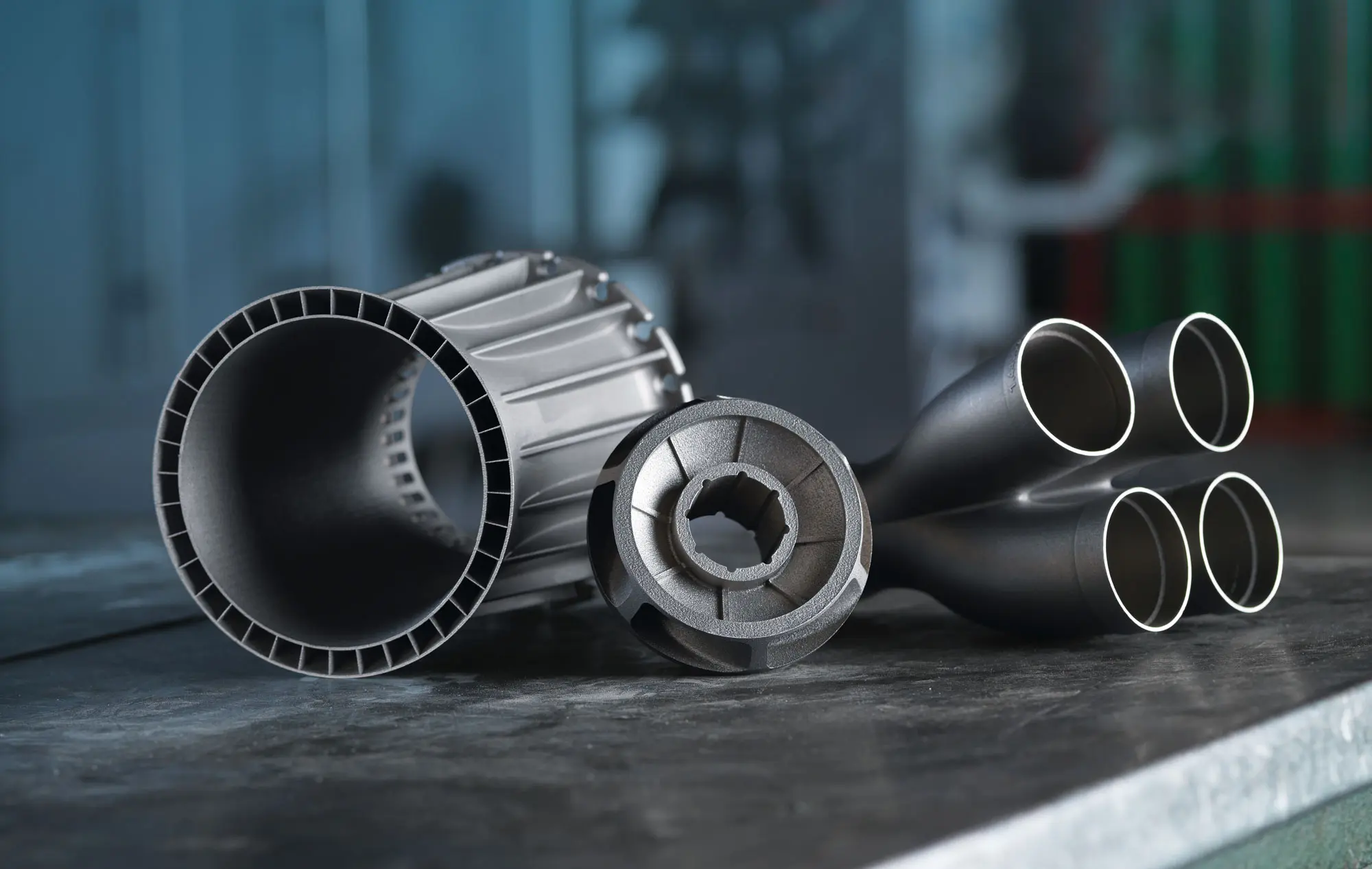
For T-Rex skulls that match museum standards, SLM metal printing is unparalleled. Gregtime, uses powerful lasers to utilize state-of-the-art SLM machines, precise layers of precise metal powders such as aluminum alloys, titanium or specialty metals. This leads to:
- Anatomical loyalty is close to perfect geometric accuracy.
- Special density and weight reflect real bones.
- Structural integrity enables large, unsupported spans and thin walls without collapse.
- Premium finishes are ready for exquisite strumming or finishing techniques. This is the gold (or metal) standard that requires precise and precise professional applications.
- PLA/ABS (FDM printing):
-
Preprinting: Prepare digital models
- File repair and optimization: Leverage software like Meshmixer, NetFabB or Blender to ensure that the model is watertight, reduce unnecessary polygons and correct errors.
- Zoom: Determine the final size you need (lifetime? Shrink?). Remember that large prints require partitioning.
- Orientation and support generation (critical for SLM/metal): Orienting the model to minimize overhanging and optimize support position. Supports are crucial in metal printing to dissipate heat and anchor parts, but their design requires expertise to minimize material use and after-treatment difficulties. Greatlight engineers use advanced software to carefully optimize support strategies to balance stability and ease of removal.
- slice: Convert the fixed, directional model to machine readable instructions (G-code). Layer height selection is critical to details and print time.
- Printing process: Execution is important
- Material handling: Proper storage and preparation (dry wire, sieving metal powders, processing resins) is crucial.
- Printer calibration: Accuracy is not negotiable, especially for multipart components. Expert calibration of industrial machines by Greatlight’s SLM systems such as Greatlight ensures dimensional accuracy for the entire large-scale build volume.
- Monitoring: Industrial setup involves the use of sensors and cameras for rigorous process monitoring to detect and mark potential problems such as distortion, powder diffusion errors, or thermal abnormalities.
- Post-processing: The journey does not end when printing. This stage is crucial, especially metals:
- Support removal: Carefully remove the sacrificial support structure. SLM supports complex skulls are usually carefully removed by wire EDM or precise machining to avoid damaging delicate features.
- Heat treatment: Metal printing is often subjected to pressure-tolerant heat treatment to improve mechanical properties.
- Shooting/sandblasting: Create a uniform surface texture or prepare polish/finish.
- clean: Thoroughly remove powder residue (critical for the internal cavity of the SLM).
- Surface reinforcement: Polishing, bead blasting, tumbling or professional patinas/bone texture technology. Painting and weathering add to unparalleled realism. Greatlight’s one-stop service specializes in handling all these critical steps.
Spotlight for expert partners: Why choose a professional service like Greatlight?
While desktop printing has a place in small plastic models, achieving a truly excellent, durable and scientifically accurate T-Rex skull requires industrial capabilities, especially for metals.
Greglight stands out among the leading rapid prototyping manufacturers:
- Cutting-edge SLM technology: Access to the state-of-the-art selective laser melters enables the production of large, complex metal parts such as full-size T-Rex skulls with unrivalled loyalty and strength.
- Material mastery: Depending on the weight, appearance and budget requirements of the replica, there is extensive expertise in handling various metal alloys (ALSI 7mg, Alsi 10mg, titanium, stainless steel, etc.). Most materials can be customized quickly.
- Engineering expertise: Professional solutions for complex rapid prototyping challenges, including advanced support optimization, thermal management strategies, and partial orientation of skull complex geometry.
- Seamless post-processing: Comprehensive one-stop finishing service – from precise support for removal and heat treatment to complex surface textures, shading (Patinas, chemical treatment, painting) and assembly. Our post-processing transforms the original print into breathtaking artifacts.
- Quick customization and turnaround: Dedicated to effectively addressing complex prototype problems, providing quick handling and custom solutions to meet demanding timelines without compromising quality.
Conclusion: Bringing the Tyrant Lizard King to life
3D printed T-Rex skulls are a fascinating fusion of modern technology and paleontological miracles. While desktop printing provides an accessible entry point, it deserves the weight, durability, detail and realism of this iconic predator, which requires the ability to professional industrial 3D printing, especially selective laser melting in metals. The journey involves careful consideration of model source, material selection, complex printing preparation, precise execution and expert post-processing. Working with experienced rapid prototyping experts, such as Greatlight, is invaluable for replicas that go beyond novelty and achieve scientific or artistic meaning. Leverage our advanced SLM equipment, material breadth and extensive finishing services to create your own amazing, durable prehistory.
FAQ: 3D Print Your T-Rex Skull
Q1: How much does it cost to 3D print T-Rex skulls?
A1: The cost of finishing based on size, materials, printing technology and required is very different. Tabletop plastic (PLA) prints may cost $50-$500. Professional resin or SLS prints can cost from $500 to $5,000+. High-quality metal (SLM/binder jet) lifespan-sized replicas, including expert finishes, usually cost thousands of dollars. Get a specific quote based on your requirements.
Question 2: Can I print a life-size T-Rex skull at home?
A2: Life-size printing is extremely challenging at home. The skull is large (5 feet long) and requires industrial-scale printers, especially for metal or high-detailed plastics/composites. Desktop printers often build smaller parts that require large amounts of assembly, resulting in weaker seams and structures. Outsourcing to professional services like Greatlight is highly recommended to suit durable replicas of life-size.
Q3: What material gives the most realistic "Fossil bone" Look and feel?
A3: Professionally finished metals (especially through SLM through aluminum alloys) best mimic the density, weight and cold feeling of fossil bones. After printing, techniques such as professional sandblasting, textured paints, and highly skilled painting/stitching create incredibly realistic bone textures and shading. Some advanced composite plastics with mineral fillers also offer an almost similar texture with a professional finish.
Q4: How long does it take to 3D print the T-Rex skull?
A4: Printing time depends to a lot on technology, material, size and printer. It may take several days to print desktop PLA models in each section. Industrial resin/SLS printing may take 1-3 days. For metal printing (SLM) of large skulls, it can run for dozens of hours in the printing cycle alone. Adding a lot of time for post-processing (supporting removal, heat treatment, finishing) usually doubles the total project time. Specialized replicas usually take 2-6 weeks.
Q5: If I only have low quality model files or scans, can Greatlight help?
A5: Absolute. Our engineering team provides comprehensive support. We can fix damaged STL files, optimize models for 3D printing (wall thickness, closure gap), accurately scale, and even assist in redesigning complex features to ensure the final printed skull meets your exact specifications.
Q6: Are printed metal skulls really stronger than plastic?
A6: Yes, it’s very important. SLM metal printing produces completely dense parts with mechanical properties close to or exceeding castings. This provides huge structural integrity for large complex shapes such as skulls with voids and thin sections. Plastic replicas are more susceptible to sagging, spreading under their own weight, temperature changes and creeping in physical damage – a critical factor in a considerable model.
Question 7: What other completion options are available besides painting?
A7: Professional providers like Greatlight offer a huge array:
- Metal: Acid etching, bead blasting (for texture), powder coating, electrochemical tinting (Patinas), hand-painting and weathering effects, clearing the coating. Potentially copy fossil preservation marks.
- Plastic/Resin: Primer and high quality painting, clear coat, polished/polished, specialized texture spray, artificial stone/skeleton effect. Embed in artificial "matrix" Rock base. The goal is to achieve the authenticity of the museum worthwhile.