Beyond the Ordinary: Uncovering the 3D Printed Sweatshirt Revolution
The fashion world is no stranger to innovation, but the recent emergence of 3D printed sweatshirts feels different. This isn’t just a novelty; it represents a fundamental shift toward hyper-customization, sustainable potential, and a complete reimagining of how clothing is conceived and made. This revolution isn’t limited to runway gimmicks, it’s a tangible glimpse into the future of clothing, driven by the transformative power of additive manufacturing (AM).
More than just plastic thread: technologies driving change
Forget about that FDM printer buzzing on your desktop. Creating truly wearable textile experiences requires complex additive manufacturing processes. Advanced extrusion technologies using laser-selective sintering of polymer powders (such as Selective Laser Sintering – SLS or variants) or with flexible filaments are at the core:
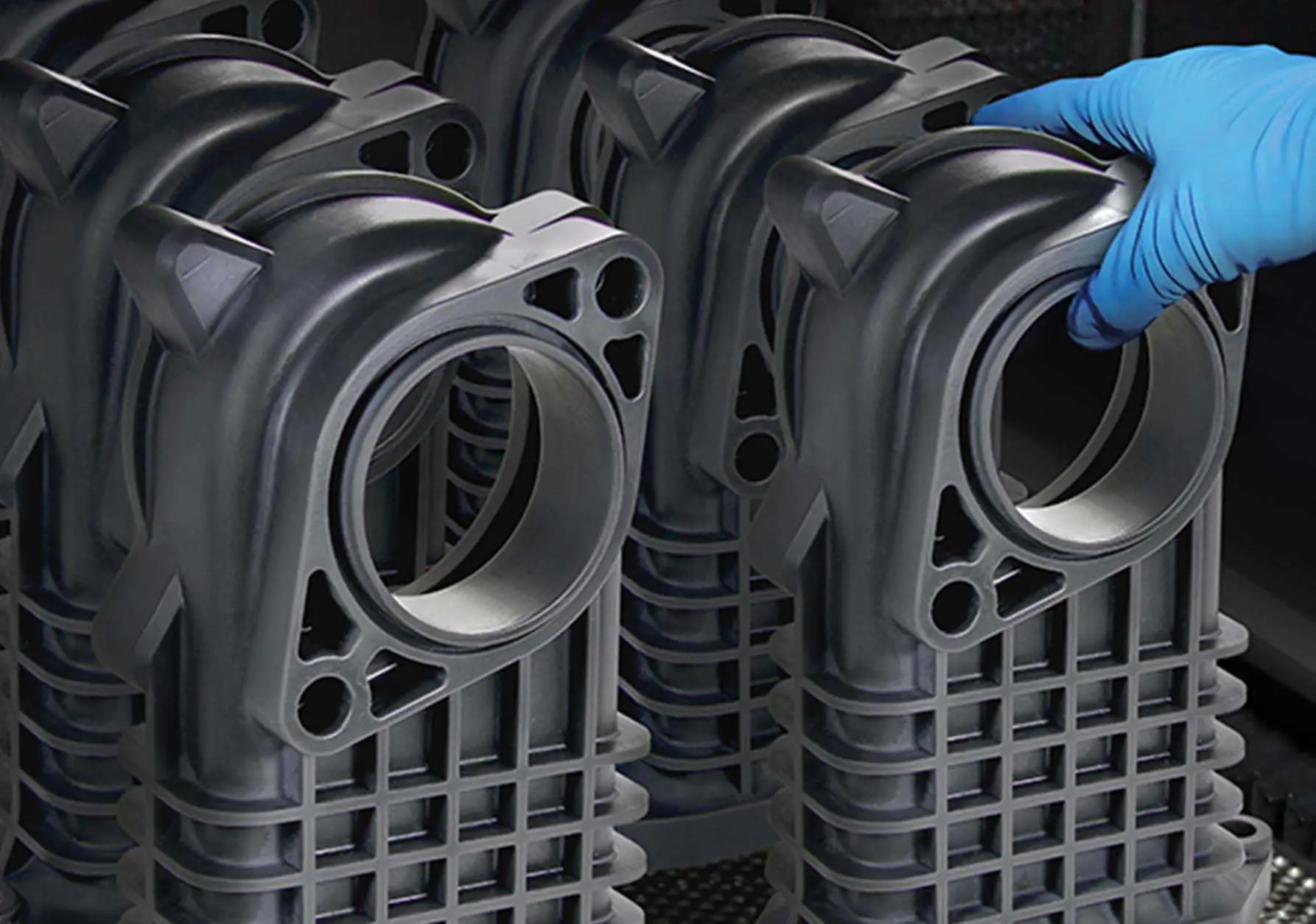
- Digital precision meets textile characteristics: Specialty thermoplastic polyurethane (TPU) powder or filament is carefully fused layer by layer. This allows for the creation of complex, porous, inherently flexible structures that mimic knitted textures but provide unprecedented design freedom.
- From rigid to fluid: Early 3D printed wearables often felt stiff. Advances in materials science and lattice design algorithms now allow structures to drape, stretch and breath like traditional knits while potentially surpassing traditional knits in terms of tailored performance.
- Seamless integration: Rather than replacing entire garments, pioneering designers are increasingly integrating 3D printed panels or elements within Traditional sweatshirt fabric. This hybrid approach leverages the best of both worlds—traditional comfort with strategic areas that offer customized support, breathable areas, unique aesthetics, or built-in functionality.
Why this constitutes a revolution:
The impact of 3D printed sweatshirts goes far beyond aesthetics:
- Complete customization at scale: Imagine a sweatshirt that fits your unique body scan perfectly, with personalized ventilation zones optimized for your activity level or localized compression you Need it. Additive manufacturing enables true customization without traditional cost barriers. Your clothing becomes the perfect expression you.
- Sustainable on-demand production: Traditional fashion is drowning in overproduction and waste. 3D printing is essentially additive manufacturing – building only what is needed. Production is moved to local centers and garment printing is done only after an order is placed. This significantly reduces excess inventory, textile waste and long-distance transport emissions. The recycling of TPU powder/filament also opens up exciting closed-loop possibilities.
- Performance Innovation: Designers can create microscopic structures that cannot be knitted or braided. Think directional stretching for athletic movement, seamlessly integrated targeted buffer zones, physiological monitoring sensors woven into the structure, or temperature-regulating properties designed at the microscopic level.
- Design Liberation: No longer limited by sewing patterns and traditional manufacturing constraints, designers can explore unprecedented geometries—complex textures, organic fluid forms, interwoven structures—blurring the lines between clothing and sculpture.
Manufacturing paradigm shift: Prototyping paves the way
This revolution depends largely on advances in rapid prototyping and agile manufacturing – areas where companies like huge light Outstanding. Developing these technically complex garments requires:
- Iterate quickly: Testing complex lattice designs, material combinations (flexible TPU + rigid structural elements) and functional integration requires lightning-fast prototyping cycles. Iterating on designs quickly and cost-effectively is critical.
- Materials expertise: In-depth knowledge of polymer powders, filaments, sintering parameters and post-processing is essential. Achieving the perfect combination of flexibility, durability, drape and surface finish for comfort requires complex knowledge.
- Precision post-processing: Effective removal of unsintered powder, surface smoothing treatments (such as steam polishing of TPU), dyeing techniques suitable for printing polymers – every step affects the feel, look and performance of the final garment. Seamless post-processing is non-negotiable.
- Scale readiness: Bridging the gap from prototype to scalable, commercially viable production. This includes optimizing printing parameters, automating post-processing wherever possible, and ensuring consistent quality control.
GreatLight: Your partner for innovation from prototype to low-volume
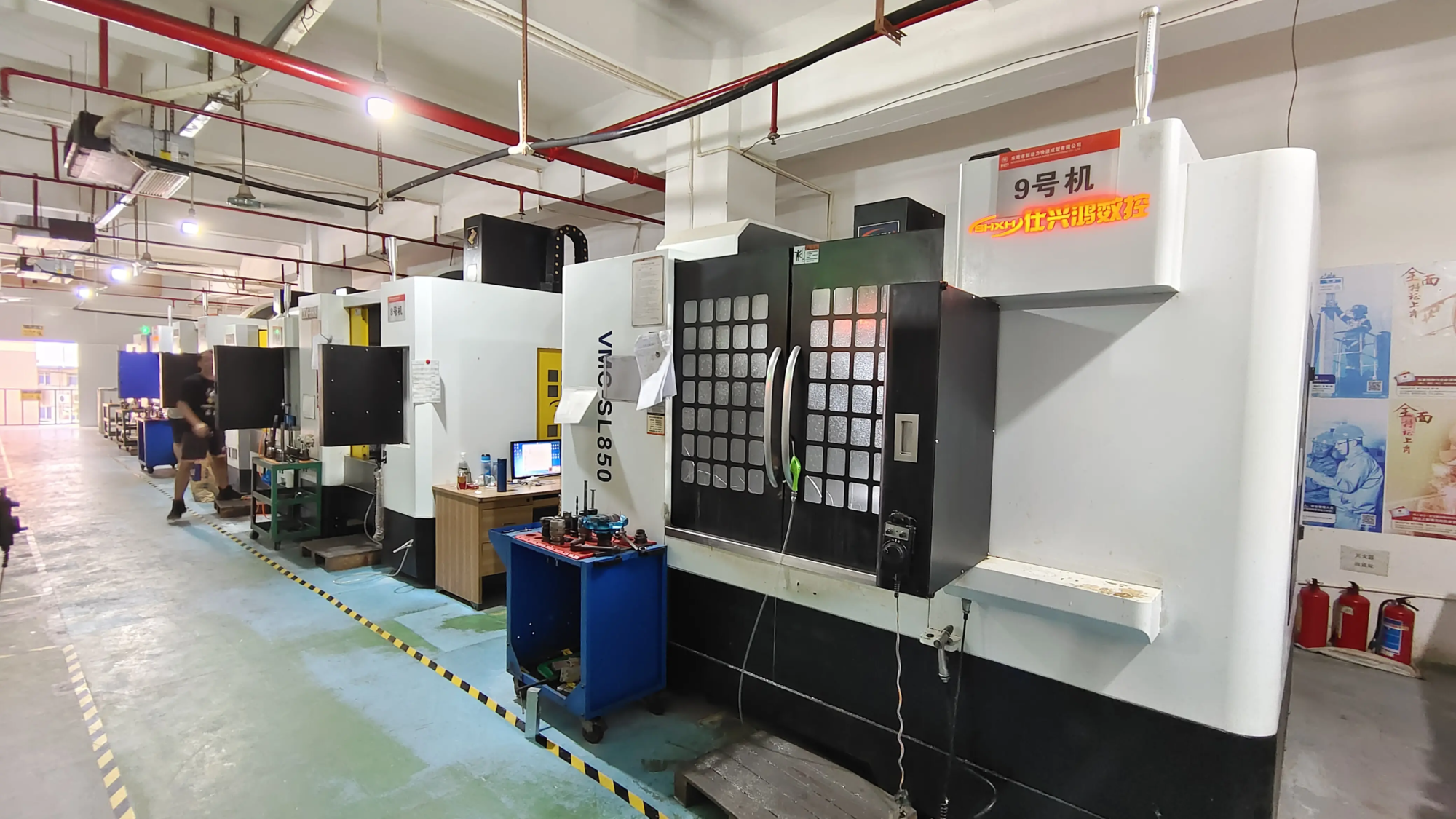
exist huge lightwe are not just observers of the 3D printed textiles revolution; we are active promoters. Our advanced SLM (Selective Laser Melting) expertise extends seamlessly to the polymer sintering technology required for complex textiles such as TPU apparel. We bring our deep-rooted precision manufacturing principles to this dynamic field.
We help visionary designers, startups and forward-thinking brands navigate this complex frontier:
- Concept to prototype: Quickly prototype complex textile panels, mixed garment elements, or integrated functional components to validate design, fit, and functionality.
- Material selection and process optimization: Leverage our materials expertise and process knowledge to select the best TPU and dial-in printing parameters to get the flexibility, strength and aesthetics you need.
- Post-integration processing: Providing smooth vapor polishing, dye trials, cleaning and finishing treatments that are essential for hard-wearing, high-quality products.
- Small batch production: Seamlessly transition successful prototypes to reliable low-volume manufacturing runs with our scalable additive manufacturing capabilities.
Conclusion: A different future
3D printed sweatshirts are more than just a quirky fashion statement. It embodies a powerful blend of technology, design freedom and meticulous manufacturing. It challenges the norms of mass production, champions personal expression, and provides practical pathways to a more sustainable and responsive fashion ecosystem.
While challenges remain—increasing the speed of mass adoption, ensuring durability across multiple washes, reducing costs—the trajectory is clear. The convergence of additive manufacturing capabilities and textile science opens up possibilities that were unimaginable just a decade ago. This revolution promises clothing that will be perfectly tailored to the individual body and purpose, consciously crafted according to need, and designed with performance parameters built into the fabric.
For innovators looking to lead the next wave of wearable technology or custom clothing, mastering rapid prototyping and adaptive additive manufacturing of textiles is critical. This is where expertise in precision printing, material understanding and integrated finishing – the hallmark of a partner, e.g. huge light – become indispensable. Sweatshirts may be the icon, but this revolution is reshaping the entire landscape of wearable creations.
Frequently Asked Questions About 3D Printed Sweatshirts
-
Are 3D printed sweatshirts really comfortable?
- Yes! Thanks to advances in flexible thermoplastic polyurethane (TPU) and intricate lattice designs, modern 3D printed textiles have achieved exceptional flexibility, drape, and breathability, with a level of next-to-skin comfort that surprises many. A hybrid design that combines printed elements with soft textile panels further enhances wear resistance.
-
How durable are they? Can I wash them?
- As materials science advances, durability continues to improve. High-quality TPU garments are extremely durable and increasingly suitable for machine washability (usually cold water, gentle cycle). Care instructions vary by design and material formulation, always follow manufacturer’s guidelines.
-
Are they environmentally friendly?
- Probably much more important than traditional mass production. Key benefits include:
- Made on demand: Overstocking and landfill waste are virtually eliminated.
- Localized production: Reduce transport emissions.
- Minimal material waste: Additive processes use only the material required for the part.
- Recyclability: TPU is technically recyclable. Closed-loop recycling systems for AM powder/filament are emerging, improving life cycle impact.
- Probably much more important than traditional mass production. Key benefits include:
-
Are they all one?
- not necessarily. While some avant-garde pieces are fully printed, a big trend is the integration of 3D printed panels (shoulders, cuffs, back panels) Enter Clothing made from traditional textiles. This hybrid approach optimizes comfort, aesthetics and functionality.
-
How much do they cost? Why are they so expensive?
- Currently, fully printed or hybrid garments with additive manufacturing elements are expensive ($200-$1000+). This reflects:
- Material cost: Specialized polymer powder/filament.
- Printing time: Printing complex flexible structures takes time.
- Physical labor: Design, post-processing (support removal, polishing, etc.) remains labor-intensive.
- scale: Production remains relatively low. As the technology matures and scales, costs are expected to drop significantly.
- Currently, fully printed or hybrid garments with additive manufacturing elements are expensive ($200-$1000+). This reflects:
-
Can I get a custom fit 3D printed sweatshirt?
- This is one of the most exciting possibilities! AM specializes in custom creations. Services are emerging that use body scanning to print personalized clothing designs based on an individual’s measurements and preferences, providing unparalleled fit and functionality.