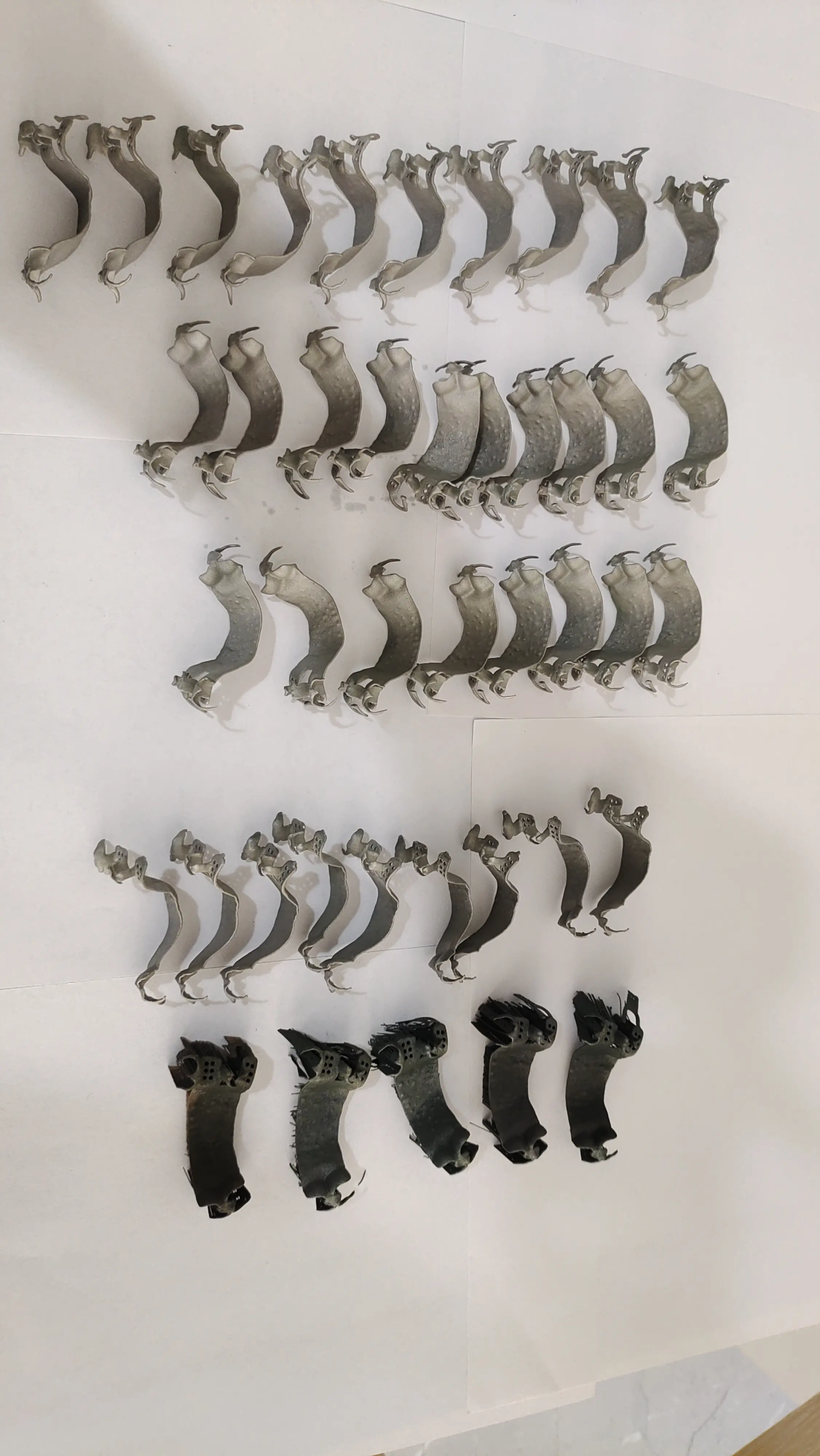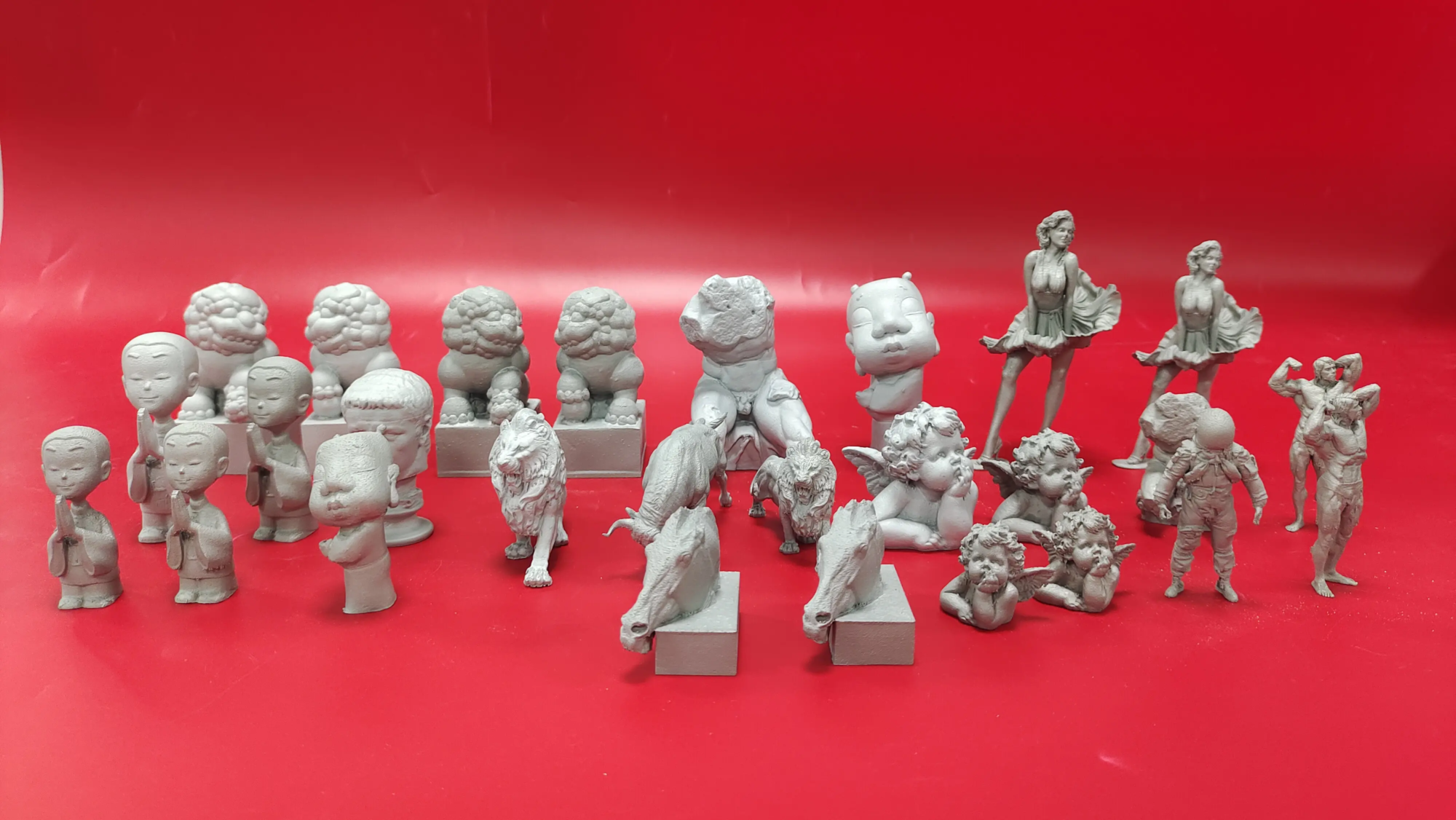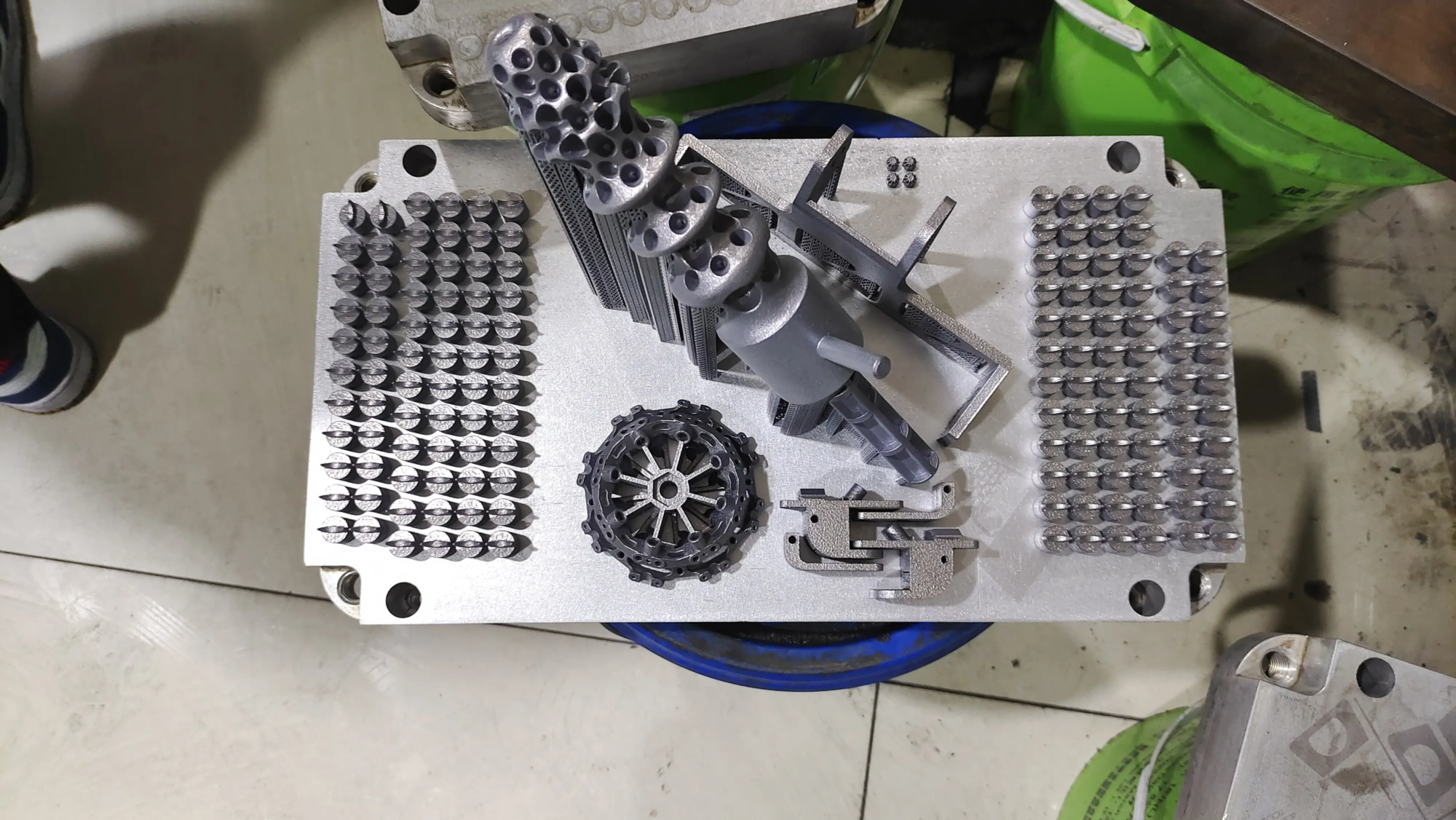
So you’ve finished printing the resin masterpiece – just realizing that it’s too big for the build board, or a delicate piece that might be broken when it’s removed. Now, you face a tricky question: How to combine these photopolymer resin components together without disrupting the work? Choosing an adhesive is more than just sticking parts together; it’s about maintaining structural integrity, aesthetics, and longevity. As experts at Greatlight, who often handle complex components with precise prototypes, we understand how catastrophic the wrong adhesive choice can be. This guide cuts down on noise to isolate the resin’s unique challenges to truly effective glue.
Why do resins need special adhesion? Unlike fusion deposition simulated plastics by welding bonding, photopolymer resins have essentially non-porous, cured polymer surfaces. Standard plastic adhesives often fail because they cannot penetrate or chemically blend. The best adhesives must create bonds at the molecular level or form mechanical interlocking bonds without compromising the stability of the resin. By performing rigorous material testing in our production facilities, we have identified solutions to the surface chemistry, potential brittleness and different formulations of resins.
Key factors that guide your adhesive selection
Evaluate your project requirements before comparing products:
- Joint stress: Dynamic/flexible parts require elastic adhesives; static loads require pure strength.
- Healing duration: Cyanoacrylate treats fast tasks in seconds, while epoxy takes hours – crucial for fixtures.
- Gap filling: Rough breaks benefit from thicker push rods; seamless seams require low viscosity formulas.
- Post-processing: Will joints be polished or painted? Some adhesives discolor or cure softly.
- Material Compatibility: Flexible resins require professional elastic compounds – standard glue cracks under tension.
Best-performing resin adhesives – In-depth analysis
-
Cyanoacrylate (super glue)
- Ideal: Small, strict parts (e.g., microscopes, jewelry) that require instant bonds
- advantage: Set within 10-60 seconds; transparent; bond the most rigid resin.
- shortcoming: Fragile under impact/thermal impact; ineffective on flexible resin. Use only the anti-vapor variant to prevent white bullying. For low-pressure joints, activator spray accelerates bonding.
-
Two-part epoxy (grey, transparent, plastic bonded variant)
- Ideal: Large components, bearing joints or places where gap compensation is needed.
- advantage: Excellent shear force; prevent vibration; fill up to 3mm of blank space; chemical/thermal resistance.
- shortcoming: Longer treatment time (30 minutes and 4 hours); chaotic app. Select the laminate resin as a clear bond. We use marine grade epoxy on Greatlight for functional prototypes exposed to humid environments.
-
UV+UV
- Ideal: Seamless repair of translucent prints; fill with micro cracks.
- advantage: The molecules are the same as the printing resin; cured by ultraviolet light; invisible.
- shortcoming: Low binding force without strengthening; most effective on small joints. For professional finishes, flooding fixes the entire rally.
-
Polyurethane adhesives (e.g., Loctite PL Premium)
- Ideal: Flexible or mixed material bonds (resin + wood/metal).
- advantage: The foam expands to fill irregular gaps; resists moisture; bonds under vibration.
- shortcoming: Need to clamp; cure time 24 hours +; surface preparation is crucial.
- Acrylic structural adhesives (e.g. 3M Scottish welding)
- Ideal: Industrial applications requiring thermal/chemical resistance (–55°C to +150°C).
- advantage: Bonds are ABS-shaped, PP-shaped and standard resins; vibration absorption; solvent-free.
- shortcoming: Expensive; overkill for amateurs.
Pre-binding agreement – what professionals do
Skip this and even quality glue fails:
- Clean: Immerse in isopropanol (IPA), scrub the parts in the gap, and then dry. The residual unfixed resin destroys the bond.
- Rough: Create with 300-400 sandpaper on bonded surfaces "key" For mechanical adhesion.
- Main: For high strength requirements, apply an adhesion promoter such as Permatex plastic prepared.
- Test fit: Verify that the adhesive is aligned with the tape.
- Strategically fixture: Too much pressure for granular glue; use gaskets for epoxy resin that requires gap filling.
Why did the bond fail? Avoid disaster list
- Greasy fingerprints contaminate the surface? Wear nitrogen-haired gloves.
- High hydrotherapy curing glue? Humidity can lead to premature brittleness.
- Exceed the operating temperature of the adhesive? The resin softens at ~60°C – Ensure the glue is heat resistant to heat cycling.
- Using accelerator spray incorrectly? Spray the glue after applying; pre-mix weakens the bond.
Conclusion: Strength lies in precise matching
Resin needs respect – its glass-like surface to drive away casual adhesion. For amateurs who repair mini or jewelry, cyanoacrylate is usually enough. However, engineers designing functional components should prefer epoxy systems or engineered acrylics to withstand operating stresses. Remember: Surface Prep tells 70% of the bond success. On Greatlight, our post-processing units typically use industrial grade adhesives for customers who need aerospace components and supplement them with laser etching or mechanical bonding when needed. Whether you are creating a display piece or a multi-component prototype, matching bond physics to resin chemistry ensures that your bonding lasts longer than the print itself.
FAQ – Glue Strategy for Resin Printers
Q1: Can I use basic plastic cement (polystyrene cement) on resin?
Answer: No. Polystyrene cement works by melting the plastic layer, which does not affect the UV curing resin. It can lead to weaker, inefficient bonds at best.
Q2: My super sticky resin breaks on the joint again. Solution?
A: Increase surface area by adding the pin (metal/plastic rod) to the pre-drilled hole filled with epoxy resin – the pin has shear resistance.
Q3: How do I bond clear resin without visible glue marks?
A: Use UV pen with UV pen; clean excess before curing, and then immerse the entire piece in water during UV exposure to minimize surface curing.
Question 4: Will the epoxy resin of 5 minutes and the 30 minutes version work?
A: 5 minutes sacrifices 40-50% of the intensity for speed. For structural joints, epoxy resins over 30 minutes will produce advantageous chemical resistance and bond depth.
Q5: Which adhesive survives the temperature of the car compartment?
A: Modified silane polymers, such as 3M Scottish Welding EC-2216 tolerate temperatures up to 180°C and fuel – are critical for indoor prototypes.
Question 6: Can adhesives (e.g. TPU-resin Hybrids) be successfully installed?
A: Standard glue struggle; use cyanoacrylate formulated as flexible substrates (such as Loctite plastic bonding systems) or silicone-based adhesives.
Need industrial-grade components without glue dilemma? Greatlight brings precise machining to multi-matter precise machining for critical tasks – not after the fact, but engineering elasticity.