Basic Guide to Choosing the Best Gravel for 3D Printing Sand
Sand the 3D printed parts from rough prototypes to polished, functional or displayable parts. However, improper selection can damage surface quality or damage details. As a professional rapid prototype manufacturer, Great Optimize this step with advanced SLM 3D printers and post-processing expertise to get perfect results. Here is our scientific breakdown of gravel selection for DIY and industrial users.
Why gravel is processed after 3D printing
Particle size refers to the abrasive particles embedded in sandpaper measured in quantity. Lower numbers (e.g. 100) are thick material removal; higher numbers (e.g. 2000+) are super-details used for polishing. Choosing the right progress is crucial because:
- Layer line Print from FDM or Resin artifacts From SLA/SLS, you need to be refinement in stages.
- Aggressive grit can cause scratches, and finer grit cannot be repaired, and starting too well can extend the process.
- Material Problems: Abdominal sand is easy; TPU bends and clogs; metal-filled resin requires diamond abrasives.
Three-stage polishing frame
-
Stage 1: Rough grinding (gravel 100–240)
- Purpose: Remove main layer lines, support marks and spots.
- Sand selection:
- 100–150 Gravel: Used for deep scratches or thick layers. Ideal for FDM plastics such as PLA/ABS.
- 180–240 grits: for SLA resin printing or exquisite FDM parts.
- Tip:
- Use firm pressure (dry sanding only).
- Stop when the surface is uniformly matte and the layer of artifact disappears.
-
Stage 2: Smoothing (gravel 320–600)
- Purpose: Eliminate scratches from stage 1 and prepare to start/paint.
- Sand selection:
- 320–400 grits: the standard for most thermoplastics (PETG, nylon).
- 500–600 sand particles: fine preparation of resin or small details.
- Tip:
- Switch to wet sand (water/lubricant) to reduce dust and prevent clogging.
- Always polished in circular motion.
- Stage 3: Polishing (gravel 800–3000+)
- Purpose: Achieve gloss or mirror finishes.
- Sand selection:
- 800–1200 sand particles: matte smooth surface before sealing.
- 1500–3000+ grit: used for high-gloss resin, acrylic or metal coating effects.
- Tip:
- Resin artwork or metal prototype wet paper gradually (e.g. 800→1200→2000).
- Coupled with polishing compounds for super-reflective surface.
Efficiency and perfect professional skills
- Block, not finger: Wrap sandpaper over rubber blocks/pads for even pressure.
- Wet and dry: Wet grind minimizes dust (using >220 particle size). Environmentally friendly lubricants are the most effective.
- Tackle angle: Use needle files or grind branches for embedded details.
- Pay attention to calories: Rotate the tool to melt the plastic at high speed; keep the speed low.
- Test primers: Apply filler strips after stage 2 to reveal hidden scratches.
When to skip DIY and trust professionals
Grinding complex geometric shapes (e.g., lattice structures, undercuts) requires specialized tools and expertise. exist GreatOur industrial post-processing includes:
- Automation system: Abrasive blasting of robots can achieve consistent results.
- Chemical smoothing: Complex ABS parts steam polish without grinding.
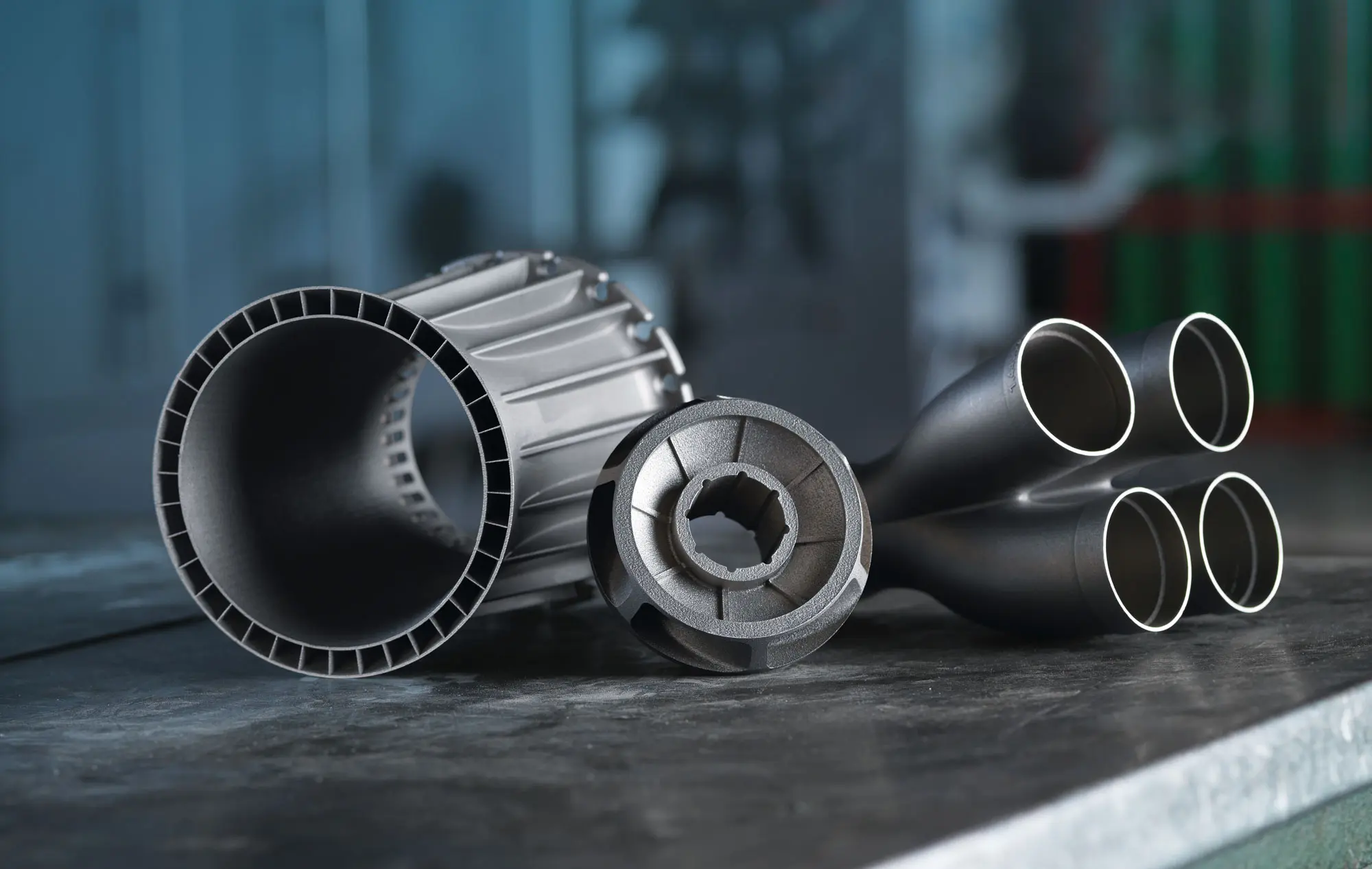
- Metal AM specialization: Electric polishing for corrosion-resistant aerospace components.
Skip manual working hours – Our fast prototype service offers production-grade finishes in just 48 hours.
in conclusion
Master the progress bridge of gravel "3D printing" And professionally completed. Start rough to eliminate defects, upgrade to fine sand to texture, and polish the sheen. But for mission-critical parts (especially metal prototypes require tolerance accuracy), post-processing ensures perfection.
Great Combine sharp SLM printing with surface engineering mastery. We solve the headache of polishing, so you focus on design. Get instant quotes for fast prototypes with high surface quality – Affordable and affordable.
FAQ: 3D printing and grit selection
Q1: Can I start grinding directly with fine sand particles (for example, 500)?
No. Initially, the thick layer line requires low gravel (100–240). Skip fine sand to waste time, create unbalanced surfaces, and risk clogging sandpaper.
Q2: How to prevent dust while grinding PLA?
Use wet/dry sandpaper and water (gravel > 220), then wear an N95 mask. Wet sand captures particles and prevents static clogging.
Q3: What gravel deletes the fastest FDM layer line?
Start with 120 particle size for aggressive removal. Complete startup preparations in 180–240.
Q4: Can TPU or flexible filaments be polished?
Yes, but be cautious. Use a micro mesh pad (soft back) or silicon carbide sandpaper. Avoid using low particle size (<180) to prevent tearing.
Q5: Do metal 3D printed parts require special abrasives?
Yes. Stainless steel or titanium alloys benefit from diamond-coated sandpaper or nylon abrasive wheels. Electrochemical polishing is optimal for internal channels.
Question 6: What is the best way to get a sand surface?
Contour sandstone sponges adapt to the curve without creating flat spots. Use flexible sand film for tight radius.
Q7: How fine should I polish it before painting?
For matte finishes, stop at 400-600 particle size. For ultra-smooth painted surfaces, go to 800 sand and apply the filler.
Being challenged by complex polishing? Ask Greatlight engineers about automation completion solutions – Guaranteed.