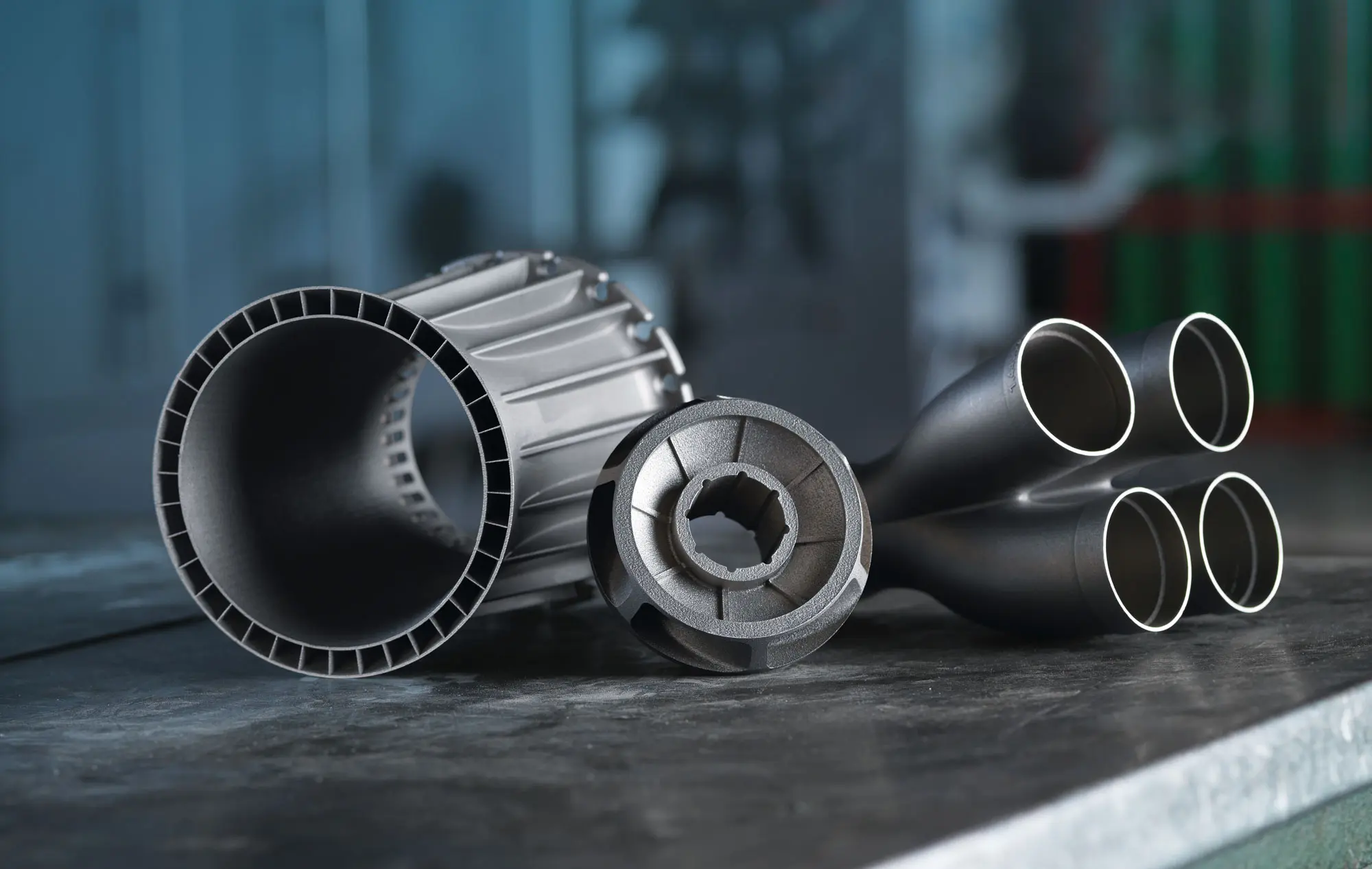
The Big Printing Revolution: Climbing new heights in metal prototyping with SLM 3D printing
The dream of making large, complex metal parts directly from digital designs has fascinated manufacturers for decades. While 3D printing has transformed rapid prototyping of smaller components, scaling up remains a significant hurdle. enter Revolution in big characterspowered by advances in Selective laser melting (SLM) technology. This isn’t just about making bigger models; it’s fundamentally changing the way the industry designs, prototypes and produces large metal parts.
Gone are the days when scaling complex prototypes meant piecing together multiple smaller prints, a process fraught with weaknesses, dimensional inaccuracies and extended lead times. Large format SLM printers can now create One-piece, high-integrity metal components Measures over one meter in multiple dimensions. This leap unlocked unprecedented possibilities:
- End-to-end prototyping: Truly functional prototypes that mimic the dimensions, geometry and (crucially) material properties of the final production part become feasible. This allows for accurate field testing, structural verification and aerodynamic assessment early in the design cycle.
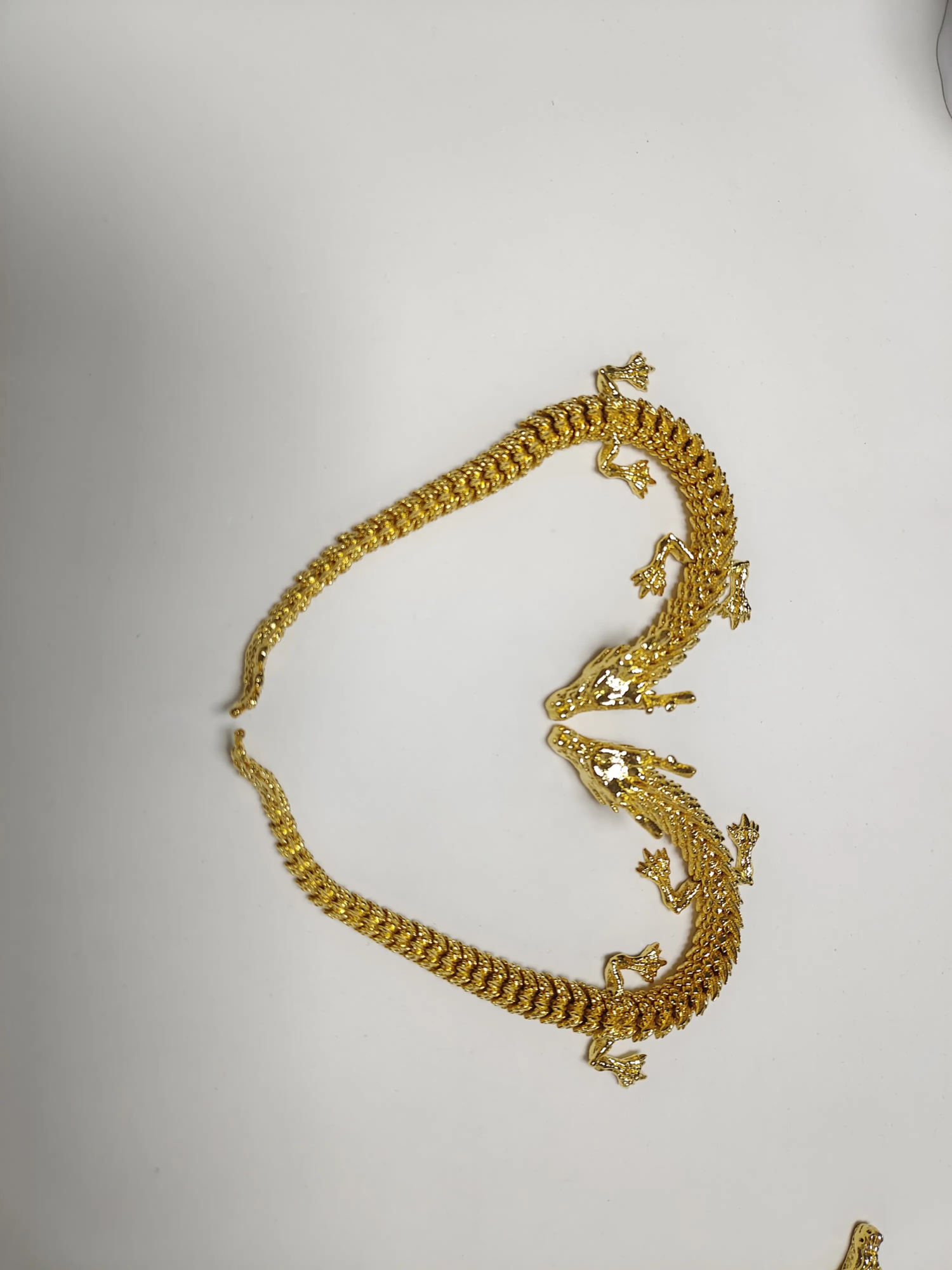
- Get rid of the constraints of tradition: Intricate internal channels, organic lattice structures and complex geometries impossible to mill or cast can now be achieved at scale. This promotes design innovation and functional optimization that were previously unimaginable.
- Compressed time to market: Eliminating tooling and complex assembly steps significantly shortens the path from concept to physical verification. Rapid iteration of large parts accelerates problem solving and innovation.
- Small batch production and others: The lines between prototype and production become blurred. Large-scale SLM printing enables economical low-volume production of large components, specialized tooling, custom fixtures, or replacement parts for traditional machinery.
GreatLight: Design sprint reality
Realizing the potential of large-scale metal 3D printing requires more than just a big machine. It requires deep expertise, advanced technology and robust processes. where is this huge light Become a key partner. We specialize in harnessing the power of advanced large-format SLM systems to solve complex manufacturing challenges, especially in rapid prototyping.
As a professional rapid prototyping manufacturer, our commitment is reflected in our capabilities:
- Industrial-grade large-scale Sprint SLM system: We operate state-of-the-art large format SLM printers capable of handling high build volumes. This means processing large numbers of prototypes and specialized parts in one seamless print.
- Material Versatility and Customization: We know that prototyping often requires simulating final production materials. We offer a variety of metal alloys (including aluminum, titanium, stainless steel, tool steel, nickel alloys such as Inconel, and copper). Crucially, our expertise allows us to work with you Custom material processing and parameterization to meet the needs of a specific project.
- Professional post-processing mastery: Bringing large metal prints to life requires complex finishing. provided by Glow Comprehensive one-stop post-processing services. This includes critical stress-relieving heat treatments, precision CNC machining (to achieve tight tolerances where required), EDM, meticulous support structure removal, complex heat treatments, advanced surface polishing, specialized coatings, premium sandblasting and thorough inspections. We digitally handle the entire process from physical verification part to part.
- Bridging prototyping and precision production: While rapid prototyping is our core strength, our capabilities naturally expand. we are good at Customized precision machining Complementing our 3D printing processes, our large-scale printing expertise makes us a leader in custom tooling produced in small batches or manufactured via additive manufacturing.
- Key points to solve the problem: We are more than just a service provider. Our team works collaboratively to understand your specific prototyping challenges – whether testing radical designs, verifying structural integrity, improving thermal performance or creating complex functional assemblies – and leveraging large-format SLM to design the best solution.
Why Big Sprint Prototyping Matters Now
Boundary-pushing industries – aerospace (high-performance structural components, engine parts), automotive (lightweighting of large components), energy (complex turbines), heavy machinery (custom tooling, replacement parts) and industrial equipment (optimized system enclosures) – are the main beneficiaries. The ability to prototype at realistic scale can significantly reduce the risk of development projects, unlock fundamental design improvements driven by the freedom of additive manufacturing, and accelerate innovation cycles.
Conclusion: Embracing a future at scale
The great printing revolution powered by large-format SLM technology is no longer science fiction. This is an industrial reality that is reshaping how complex metal objects are conceived, verified and manufactured. The ability to reliably prototype and increasingly produce large, complex, high-performance metal parts opens up new frontiers in engineering, performance optimization and speed to market.
For those pioneering this revolution, it’s critical to partner with experts with advanced equipment, deep materials understanding and superior end-to-end processing. huge lightFocused on solving complex rapid prototyping challenges with advanced large-scale SLM capabilities and its comprehensive one-stop post-processing services, Sprint is a key enabler in this exciting new era of metal manufacturing. We help you think bolder, design bolder, and prototype smarter at scale.
Large-Sprint Metal 3D Printing and Prototyping FAQs
Question 1: How large a part can actually be printed for prototyping using SLM?
A1: Features vary, but advanced large format industrial SLM printers can handle build volumes in excess of 500mm x 500mm x 500mm, with some exceeding 800mm or even 1000mm in certain dimensions. GreatLight utilizes large build volume systems designed specifically to produce high volumes of prototypes and specialized parts. Discuss your sizes with us to see feasibility.
Q2: What metal materials can be used for large prototypes?
A2: Common alloys include aluminum alloys (AlSi10Mg, Scalmalloy), titanium alloys (Ti6Al4V), stainless steel (316L, 17-4 PH), tool steels (H13, maraging steel), nickel-based high-temperature alloys (Inconel 625, 718) and copper alloys. The choice of materials depends largely on the functional requirements of the prototype. GreatLight offers a wide selection of materials and can advise on suitability or even explore custom material processing.
Question 3: How does the cost of large parts compare to traditional prototyping such as machining or casting?
A3: SLM is significantly more cost-effective for large, complex geometries that cannot be produced in one piece by machining by design – Eliminate expensive tooling (required for casting) and complex multi-part assembly. For simpler, large prismatic shapes that are easily machined from large blanks, machining may still be more economical. When leveraging design complexity and integration, the cost benefits are outstanding.
Q4: Is the strength and quality comparable to traditionally manufactured large metal parts?
A4: High-quality, well-machined SLM parts achieve material properties very close sometimes Exceed Properties of cast parts, and close to forged/wrought properties, especially after proper heat treatment. Consistency and the absence of potential casting defects are advantages. Post-processing (such as hot isostatic pressing – HIP) can further improve density and fatigue properties. Strict process control is critical and is a priority for Ferrite.
Q5: How long does it take to produce a large metal prototype?
A5: Delivery time is inherently faster than methods requiring tooling (casting). Production time depends on part size, complexity, materials and post-processing required. While printing large parts takes time (hours, often days), it eliminates mold lead time. GreatLight focuses on quick turnaround and utilizes optimized workflows – share your estimate requirements.
Question 6: Are there design limitations for large-scale SLM printing?
A6: While SLM offers tremendous design freedom, large builds present unique challenges: managing thermal stress over large areas to prevent warping/cracking, optimizing support structures, ensuring consistency in large batches of powder, and designing for post-processing access. An experienced partner like GreatLight is critical for design for additive manufacturing (DfAM) guidance.
Q7: Can Hualite handle printing at the same time? and Final finishing/machining?
A7: Of course! This is the core advantage of Wallet. We provide real One-stop post-processing: Stress relief, HIP (if required), CNC machining of critical features, EDM, support removal, heat treatment (aging, solution), precision surface finishing (polishing, sandblasting), coating (anodizing, plating) and thorough quality inspection (dimensions, NDT).
Q8: What format of files do I need to provide?
A8: Standard CAD formats such as STEP (.stp) or Parasolid (.x_t) are preferred for accurate geometry conversion. STL files are also commonly used in the printing process itself. Our team can advise on the best file preparation for large prints.
Ready to revolutionize your large part prototyping?
Embrace the scale and complexity that the large print revolution brings. Contact GreatLight today to discuss your ambitious large-scale metal prototyping or specialty component needs and learn how our advanced SLM capabilities and integrated finishing services can accelerate your development cycle.