Resin 3D printing has revolutionized prototyping and manufacturing, enabling complex designs not possible with traditional methods. However, behind its dazzling potential lies great dangers that require strict handling protocols. As professionals deeply involved in additive manufacturing, we at GreatLight believe transparency about these risks is critical to safe innovation.
Hidden dangers of resin 3D printing
Chemical Exposure: The Unseen Threat
Touched>
Liquid photopolymer:
- Toxic Ingredients: Resins contain photoinitiators such as acrylates, methacrylates, and TPO, which can irritate skin/eyes and cause chemical burns.
- Volatile Organic Compounds (VOC): Without enclosure filtration, fumes released during the printing process can increase the risk of headaches, dizziness, and long-term respiratory problems
- Sensitization risk: Repeated exposure may trigger lifelong allergic reactions – a splash today could mean a trip to the hospital tomorrow” There is no possible warning:
Physical handling hazards
- Uncured resin contamination: Gloves must be worn – direct skin contact equals rush dermatitis.
- Reprocessing Hazards: IPA baths used for cleaning can generate flammable vapors – static sparks posing a fire hazard.
- UV exposure: Improper handling of curing equipment can cause corneal damage – protective eyewear should not be ignored.
Environmental Impact and Waste Management
The complexities of disposal are often overlooked:
- Liquid Waste: Uncured resin contaminates waterways—industrial-grade recyclers filter toxins.
- Solid Waste: Cured supports/failures are non-recyclable plastic mixtures; specialty facilities only.
- &muLegislation gap: Household users are not aware that hazardous classification disposal protocols exist.
Dangerous workshop settings
Typical home spaces amplify risks:
- Poor ventilation: A bedroom printer concentrates airborne toxins faster than a garage.
- Fire Hazard: Heat sources near alcohol baths pose a risk of flash fires – NFPA guidelines ignored.
- Cross-contamination: Resin dripping from surfaces can silently transfer toxins to household items.
Security is not optional, it is fundamental:
- Engineering Controls: Use airtight enclosures with HEPA/charcoal filters. A dedicated ventilation space away from the living area.
- b>Personal protective equipment protocol: Wear nitrile gloves (latex degrading), CECP goggles and organic vapor respirator at all times.
- Curing Rules: Strict sun/UV cure time followed by detergent/IPA wash cycle – never skip it.
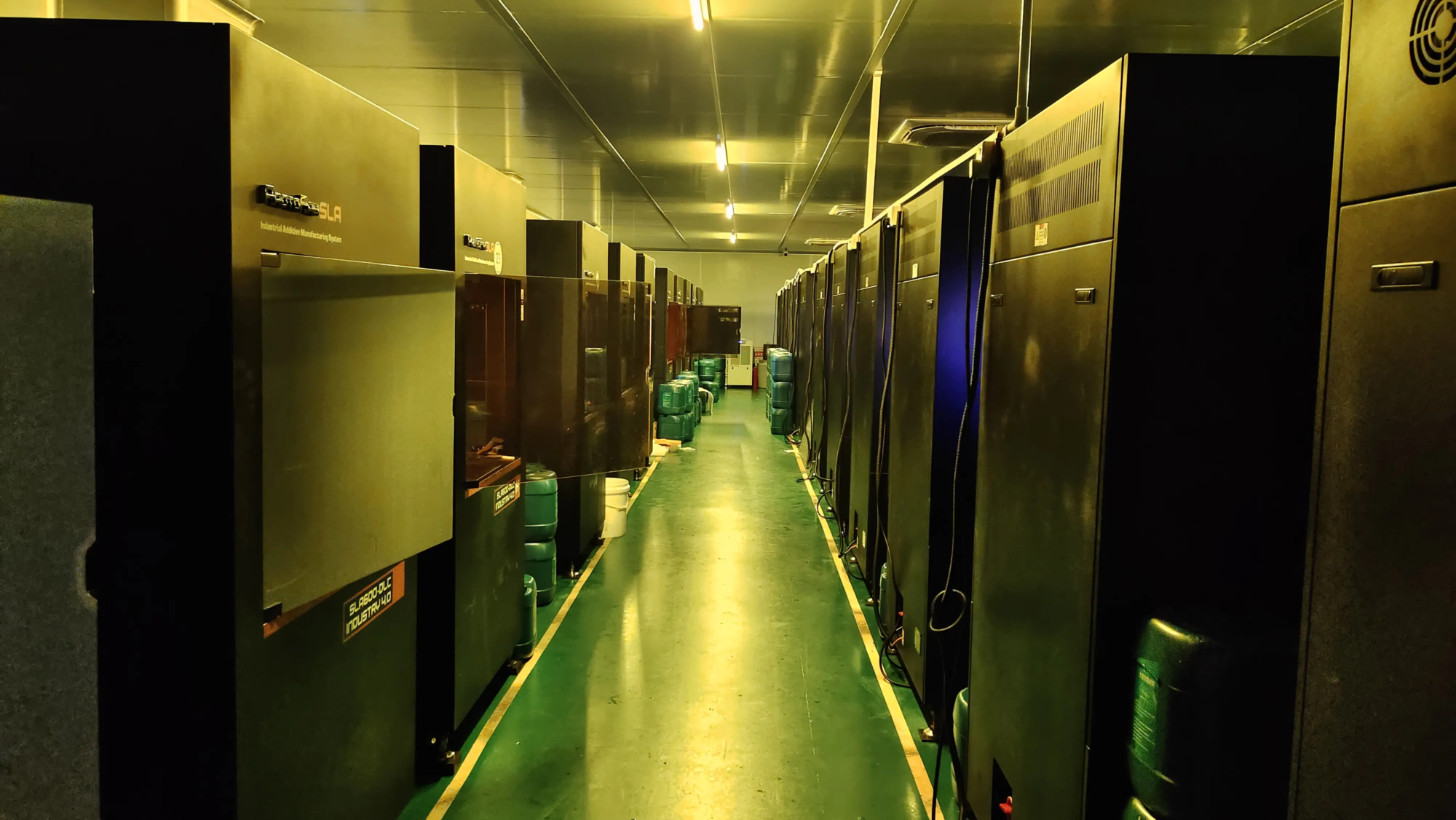
For high-precision industrial needs without personal risk, choose a service provider with an ISO-certified laboratory. At GreatLight, our automated resin printing units feature automated material handling that minimizes human contact while achieving micron-level precision.
in conclusion
Resin 3D printing has drawbacks such as chemical toxicity, improper handling, and fire hazards, and requires a professional-level agreement or the expertise of a partner