Inside the Lab: Miraculous 3D printing breakthrough reshaping manufacturing
The hum of a 3D printer is no longer just the sound of a prototype being born. It’s a symphony in an industry of mass customization, complex geometries, and layer-by-layer reconstruction. While the early days of 3D printing democratized prototyping, real breakthroughs are now driving its development into a cornerstone of industrial production. Let’s take a closer look at the groundbreaking advancements that are changing the way we design and build everything from jet engines to spinal implants.
1. Breaking the barriers of single materials: the era of hybrid manufacturing is coming
For years, multi-material printing existed primarily in polymer labs. Now, it’s disrupting metal manufacturing. Cutting edge machine integration Powder bed fusion (such as SLM) and direct energy deposition Or embed electronics within a single build chamber. Imagine printing a turbine blade with its ceramic, heat-resistant core seamlessly encased in a nickel superalloy exterior, or having copper coils embedded within a stainless steel shell for integrated thermal management. This eliminates assembly steps, reduces points of failure, and unlocks designs previously thought impossible. This breakthrough is a game changer for complex components that require tailoring of material properties across different areas.
2. Artificial Intelligence Guardian: Real-time defect detection and correction
Porosity, residual stresses and microcracks—traditionally the main impediments to mission-critical metal parts—are meeting their demands. complex artificial intelligence algorithm Now analyze terabytes of process data (melt pool temperature, plume emissions, thermal imaging) period print. The system can immediately flag anomalies and dynamically adjust laser power, scan speed, or laser path to instantly correct defects. This significantly reduces post-print inspection bottlenecks and scrap rates, ensuring production-scale consistency critical for aerospace and medical certification. It will AM from "print and hope" arrive "Print and guaranteed."
3. Hypersonics: revolutionizing productivity
Cold War-era technology is powering the modern revolution. Cold Spray Additive Manufacturing (CSAM) Accelerate metal deposition to hypersonic speeds. Solid metal powder particles are accelerated to Mach 3-5 by compressed gas, collide with the substrate, and mechanically bond or deform on the surface without complete melting. benefit? Zero oxygen uptake (vital for reactive alloys such as titanium), layered repair No Heat-affected zone (ideal for sensitive parts), deposition rates up to 100 times faster than laser-based SLM/SLS. For replacing worn parts or quickly building large near-net shapes, CSAM is dauntingly fast.
4. Using the body as a blueprint: biomimetic materials and structures
This isn’t science fiction anymore. Medical 3D printing is making the leap from biocompatible materials such as Ti6Al4V or CoCr alloys to bionic Those ones. Researchers are developing biocompatible alloys containing bioceramics or polymers designed to mimic the gradient porosity and modulus of bone, thereby enhancing cellular integration. At the same time, generative AI creates patient-specific lattice structureoptimizing the load-bearing and vascularization pathways of orthopedic implants. This means implants can truly integrate with the body, reducing the risk of rejection and improving long-term function – a paradigm shift for spinal fusion, skull plates and custom joint replacements.
5. Beyond net zero: Sustainability metrics take center stage
The narrative around the sustainability of additive manufacturing (less waste than machining) is moving towards rigorous metrics. Breakthrough includes selective deployment Recycling metal powder Proven for high integrity aerospace parts. Advanced software algorithms can now minimize thermal stress, significantly reducing energy-intensive heat treatments. The lattice structure minimizes raw material usage while optimizing functional performance. Lifecycle analysis tools integrated into design workflows now proven to deliver networked additively manufactured parts Carbon reduction For complex, lightweight components. These advances make additive manufacturing strategic for manufacturers facing ESG pressures.
Conclusion: From prototyping pioneer to production powerhouse
The 3D printing landscape has changed dramatically. Products that once excelled only in concept models can now produce flight-certified rocket nozzles, life-saving custom biomedical devices, and tool inserts that are ten times more durable than their conventionally machined counterparts. These breakthroughs are not incremental—they fundamentally change design freedom and economic feasibility.
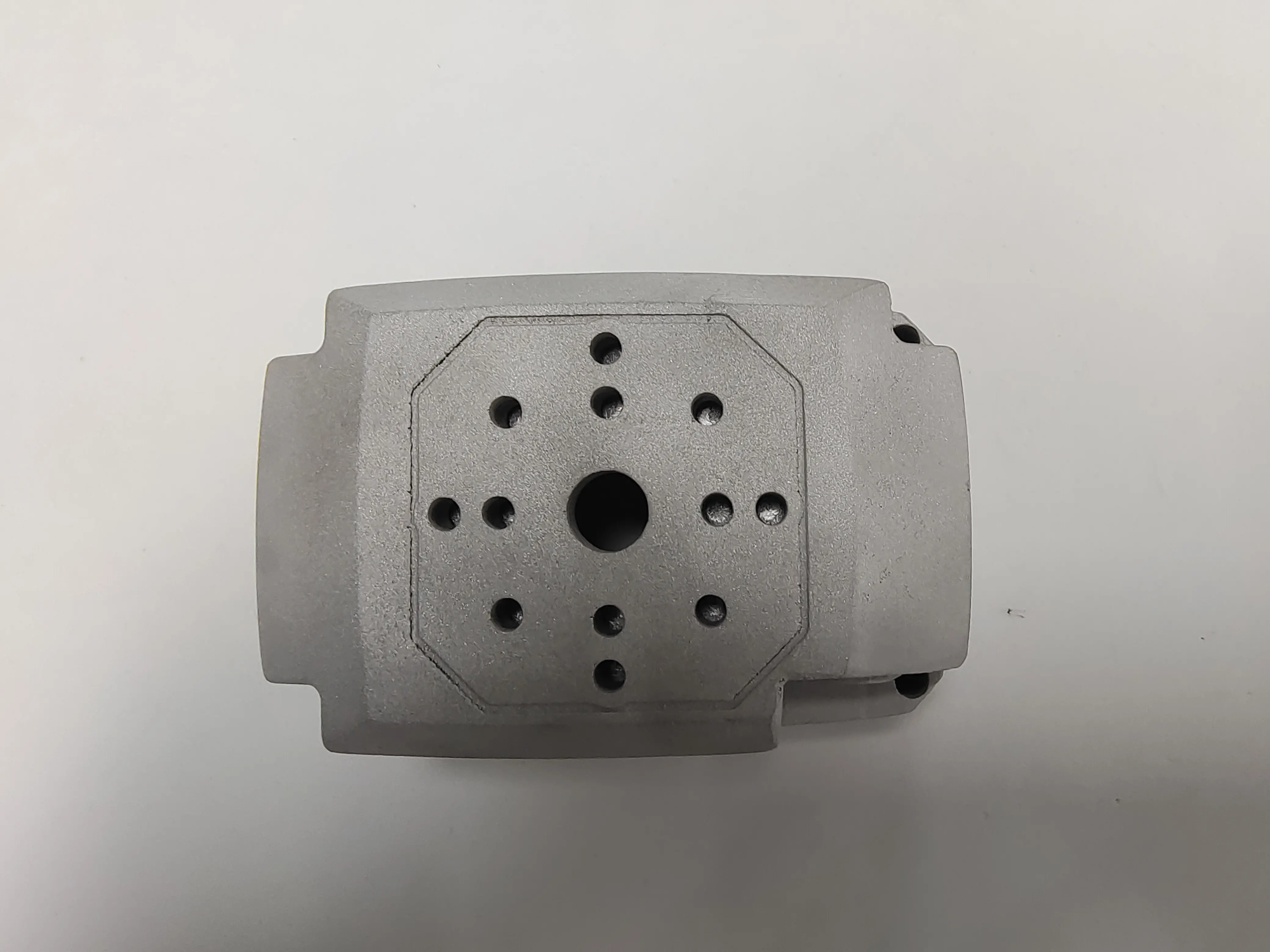
The journey doesn’t end with the printing, though. Seamless transition from machine to end-use part requires complex technology Post-processing mastery: Precision CNC machined interfaces, controlled heat treatment to perfect the material microstructure, rigorous quality verification (CT scanning, metallography) and professional finishing (sandblasting, electrolytic polishing, coating).
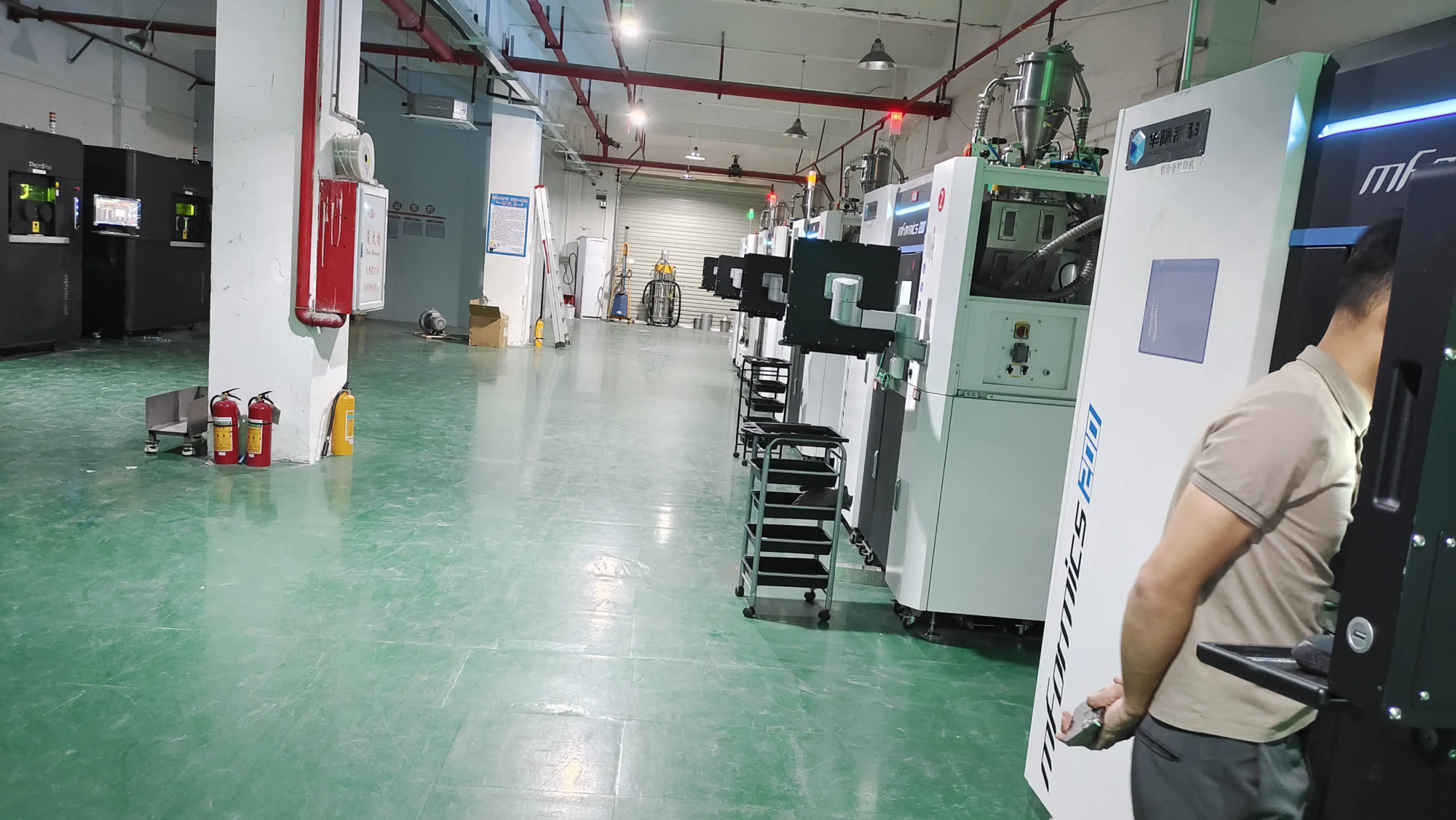
This is the importance of expertise. exist huge lightwe combine cutting-edge SLM 3D printing technology Transform your complex concepts into functional masterpieces with in-depth metallurgical knowledge and integrated precision post-processing. We design solutions in the aerospace, medical, automotive and industrial sectors that leverage these breakthroughs while ensuring accuracy, compliance and cost-effectiveness. Do actuators require nickel titanium shape memory alloy? Graded Inconel/Copper Channel? Biocompatible lattice hip implant? Or rapid CNC machining of prototypes? We offer comprehensive rapid prototyping and low-volume production with speed, quality and unparalleled technical flexibility.
Ready to take advantage of the next generation of manufacturing? Upload your design files and let’s discuss how GreatLight can enhance your innovation capabilities.
FAQ: Demystifying Advanced Metal 3D Printing
Q1: What is the biggest advantage of metal additive manufacturing over traditional processing?
- Free complexity: Create unrouted internal channels, organic lattices or integrated components not possible via CNC/subtractive methods.
- Mass customization: Economically produce high-value one-off or low-volume products without specialized tooling costs.
- Material properties: Achieve customized microstructures (e.g., fine grains) with specific properties superior to cast/forged equivalents.
- Reduce waste: Significantly less material is removed compared to machining stock-intensive processes.
Q2: Is metal 3D printing strong enough for functional parts?
Absolutely. The mechanical properties of titanium Ti6Al4V (ELI), Inconel 718, stainless steel 316L, maraging steel MS1 and other grades produced by SLM/DMLS exceed that of cast products and can compete with forgings. Fatigue life and tensile strength meet stringent aerospace/medical standards when optimized for AM-specific parameters (orientation, supports, heat treatment).
Q3: How does GreatLight ensure part quality for critical applications?
Multi-level guarantee:
- Design for AM (DfAM) expertise: Optimize orientation, support, and thermal stress management.
- Printing process monitoring: Real-time sensor fusion and AI anomaly detection.
- Post-processing accuracy: Controlled stress relief/solution aging; precision CNC machining of interfaces; surface treatment.
- Measurement: Industrial CT scanning for internal defect detection; CMM verification; mechanical/laboratory testing.
Q4: Can you print multiple metals in one part? How strong is the bond?
Yes, multi-material printing (graded interface/bi-metal) via advanced SLM/DED processes is possible. Using specialized transition zones validated by EDS mapping and shear testing, a carefully designed mechanical/metallurgical bond at the interface can achieve strength that exceeds the weakest base material.
Q5: Which industries benefit the most from GreatLight’s advanced SLM capabilities?
- aerospace: High temperature fuel nozzles, turbine blades, structural supports, satellites.
- Medical/Dental: Patient-specific implants, surgical guides, and biocompatible instruments.
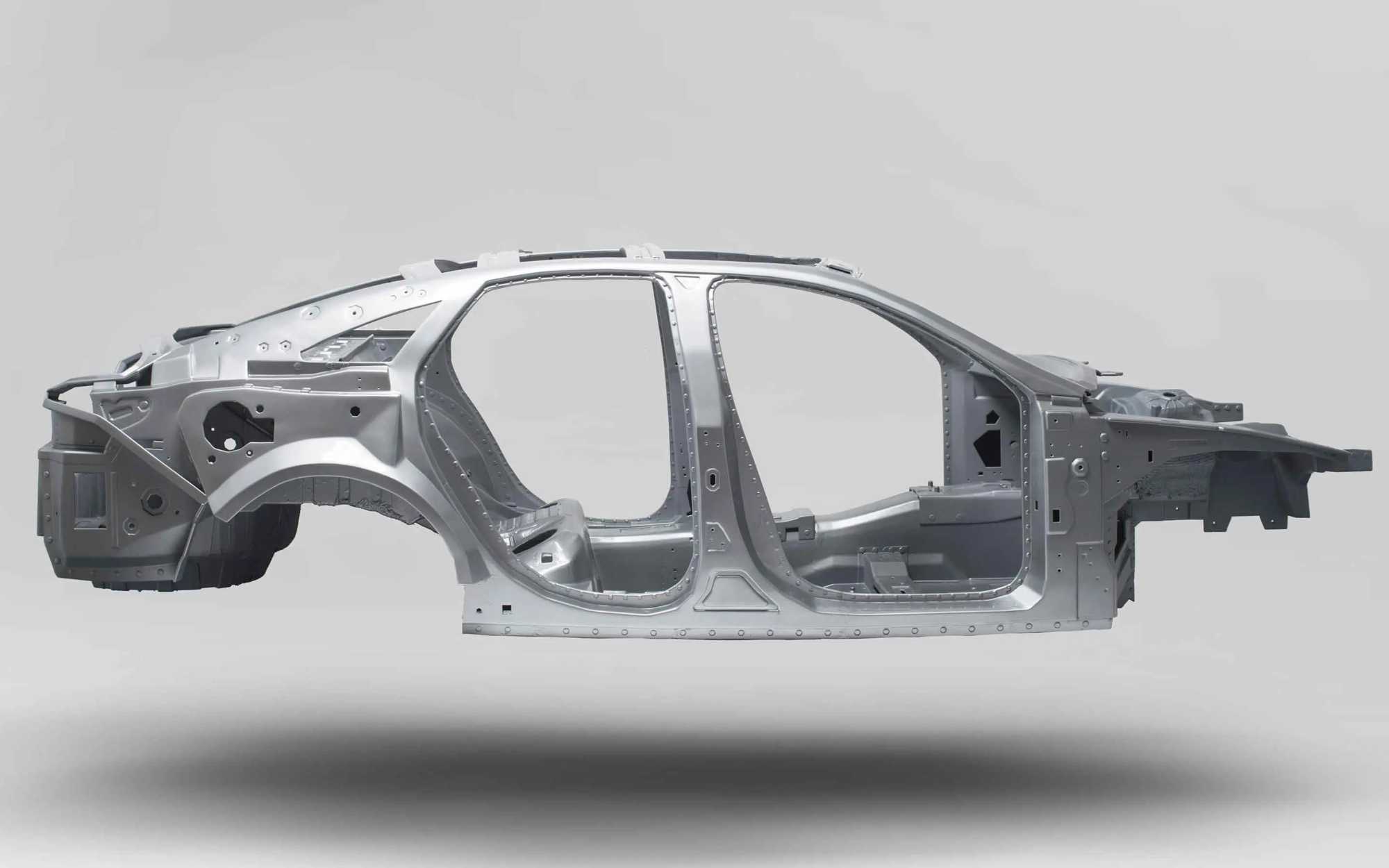
- car: Lightweight structural components, hydraulic manifolds, custom work fixtures.
- vitality: Geothermal heat exchangers, reactor fuel cell panels, corrosion-resistant valves.
Q6: How does GreatLight handle post-processing seamlessly?
as a One stop solutionGreatLight integrates all key secondary operations internally:
- Heat treatment: Special furnace for solution annealing, HIP (hot isostatic pressing), and aging.
- Subtractive processing: Precision 3/5-axis CNC machining ensures dimensional accuracy and surface interface.
- Surface enhancement: Passivation, microblasting, electropolishing, coating (PVD, electroless nickel, Alodine).
- Verification and sorting: Comprehensive non-destructive testing + appearance treatment according to anodizing, painting and other specifications.
Break down barriers beyond prototyping. Contact a GreatLight engineer today to take advantage of breakthrough custom precision solutions from print bed to deadline. Get fast, competitive quotes and manufacturing plans.