

The emergence of 3D-printed guns in Myanmar: Technology, ethics and industry implications
Myanmar, locked in an escalating conflict following a 2021 military coup, has become a testing ground for an unlikely technological arms race: the proliferation of 3D-printed guns. Faced with a shortage of conventional weapons, resourceful resistance groups and individuals are increasingly turning to digital blueprints and easy-to-use 3D printing technology to create basic firearms. This shift highlights new areas of asymmetric warfare and raises profound questions about global security, technology regulation, and manufacturing responsibility.
Technology Landscape: Plastic Prototypes vs. Industrial Metal Realities
At the heart of Myanmar’s DIY weapons phenomenon lies consumer-grade fused deposition modeling (FDM) printing. Using common thermoplastics like PLA or nylon, individuals download open source designs (often from platforms like defunct Defense Distributed) to create single-shot moldings "savior" Pistol or AR-15 lower receiver. These plastic parts are cheap to produce and can evade traditional weapons detection methods. However, they have serious limitations:
- Material Weaknesses: Polymer parts degrade rapidly under heat and pressure, running the risk of catastrophic failure after just a few injections. Reliability and accuracy are severely compromised.
- Logistics restrictions: Functional firearms require precision metal parts (barrels, bolts, firing pins) that cannot be obtained through basic 3D printing, so one has to rely on discarded or smuggled parts.
- Size limitations: While useful for isolated low-intensity engagements, mass production of war-ready weapons via amateur printers remains inefficient and unreliable.
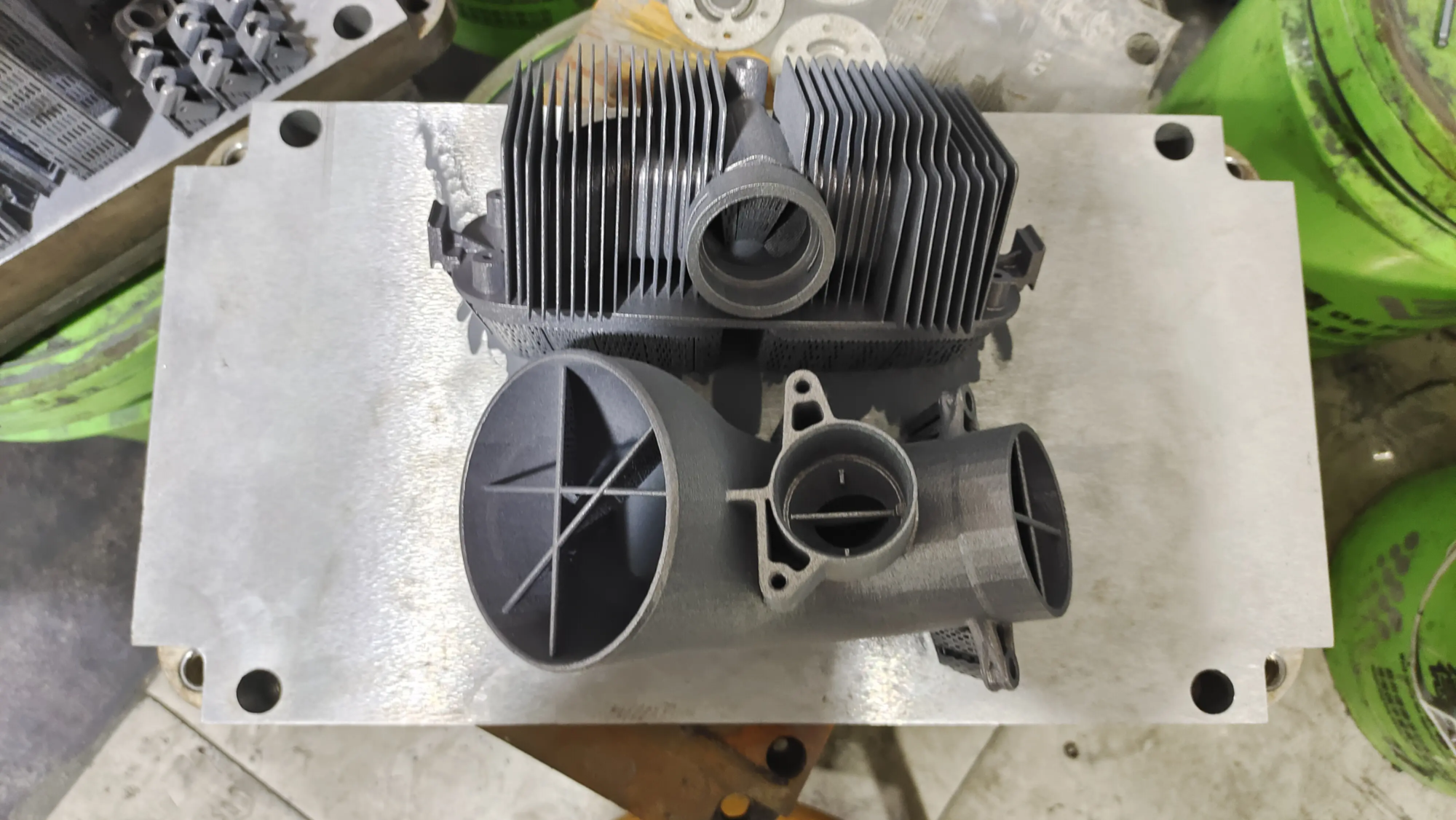
This contrasts with industrial-grade metal additive manufacturing, such as selective laser melting (SLM) used by the company huge light. SLM technology uses high-power lasers to melt fine metal powders (stainless steel, titanium, aluminum alloys) layer by layer to create fully dense, structurally strong parts proven for use in aerospace, medical implants or high-stress engineering prototypes.
At GreatLight, our SLM systems operate under strict protocols: precisely controlled atmospheres, complex parameter calibrations, and comprehensive post-processing (including heat treatment, CNC machining, and rigorous quality control verification). These processes ensure metallurgical integrity not possible with desktop polymer printing. Crucially, we specialize in servicing authorized industrial applications – producing mission-critical prototypes or compliant end-use parts under enforceable legal agreements.
Why Myanmar?CompaniesContext Drives Innovation:
Myanmar’s descent into widespread conflict has created a perfect storm for amateur gun printing:
- Embargoes and Scarcity: International sanctions restrict the import of traditional weapons, forcing local innovation.
- Auxiliary functions: Low-cost, portable 3D printers bypass geographic/centralized manufacturing barriers.
- Urgency: Resistance groups prioritize immediate accessibility over long-term durability.
- Symbolic strategy: The use of decentralized technology embodies grassroots resistance to centralized military power.
Observations indicate that these DITs ("do it together") network shares designs via encrypted chat and refines printing using locally sourced components – a case study in distributed warfare. However, this democratization faces significant risks: unreliable weapons endanger users, unregulated proliferation fuels cycles of violence, and undetectable guns challenge global security frameworks.
Moral gray area:
The situation in Myanmar crystallizes the ongoing debate:
- Arms control dilemma: Can governments actually regulate invisible digital files shared peer-to-peer?
- Manufacturer Responsibilities: Do industrial additive manufacturing companies have additional responsibilities to detect/prevent abuse?
- Dual use challenge: Today’s resistance-enhancing technologies may help tomorrow’s criminals or terrorists.
The legal manufacturer is


