The sexual revolution you didn’t see coming: How 3D printing is redefining intimacy
For decades, sex toys followed a predictable production path: mass injection molding, standardized designs and limited customization. But beneath the surface, a technological tsunami is taking shape—one that promises hyperpersonalization, radical design freedom, and a whole new world of intimate possibilities. Welcome to the age of 3D printed sex toys, where digital designs allow for physical pleasure in previously unimaginable ways.
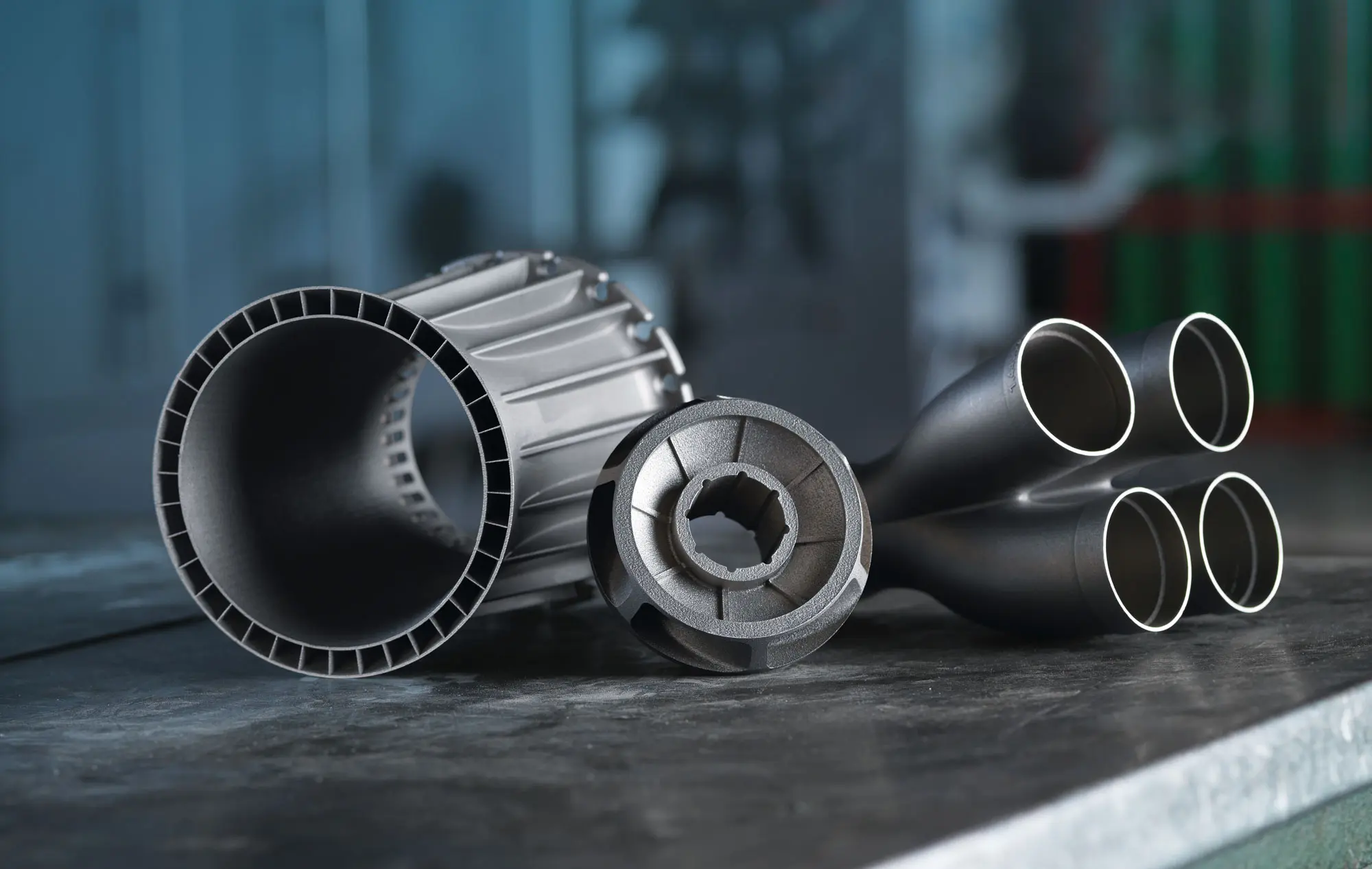
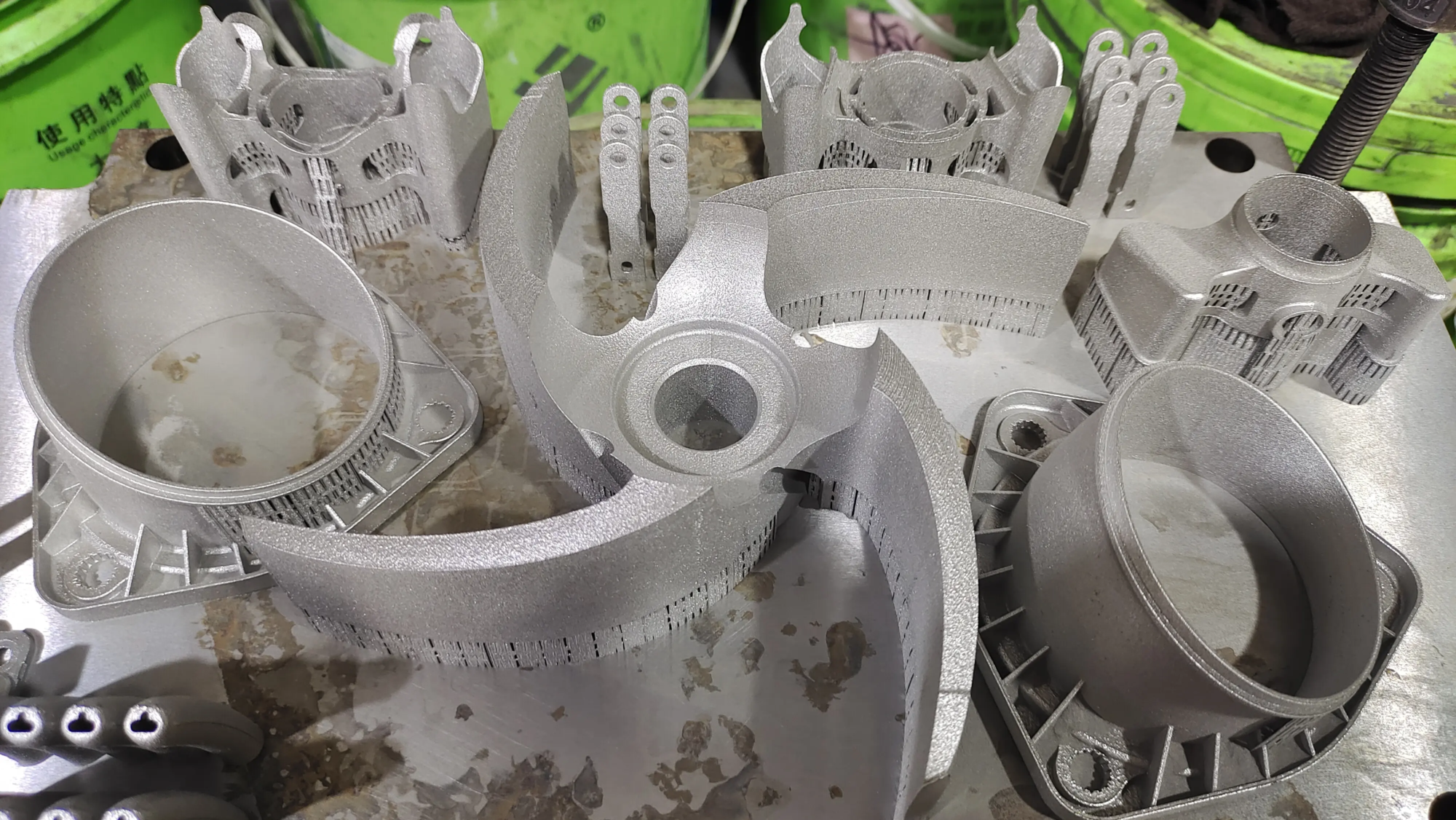
Driving force? Advanced additive manufacturing, especially Selective Laser Melting (SLM)a cutting-edge form of metal 3D printing. Unlike simple plastic printers, SLM uses high-powered lasers to fuse fine metal powders layer by layer to create fully dense, extremely strong and complex parts directly from digital designs. It’s not just novelty; This is a fundamental shift brought about by rapid prototyping technology addressing real-world constraints.
Why choose 3D printing? Beyond gimmicks – real benefits
-
Unparalleled customization: forget "One size fits all." 3D printing allows for a truly customized experience. Imagine anatomical toys designed through detailed scans for a perfect ergonomic fit, unique textures customized for specific sensitivity preferences, or even medical devices suited for intimate rehabilitation with patient-specific geometries. This level of personalization is prohibitively expensive or impossible with traditional methods. Companies that utilize rapid prototyping excel at this, being able to quickly transform intimate requirements into precise functional designs.
-
Design Liberation: Injection molds impose severe restrictions. 3D printing removes these walls. Designers can now create complex internal grids for customizable flexibility, embed unique feel-enhancing patterns deep within the structure, or craft incredibly complex organic forms inspired by nature. Pushing the boundaries of aesthetics and functionality is possible.
-
Material Innovation and Safety: While early printed toys faced safety issues (particularly plastic pores containing bacteria), SLM metal printing sets new safety standards. Medical grade metals such as titanium (Ti6Al4V) and stainless steel (316L) can be printed on Non-porous and inherently hygienic equipment. These materials are biocompatible, have excellent strength, have thermal conductivity suitable for temperature changes, and are easily sterilized by autoclaving or chemical methods. Paired with biocompatible polymers specifically formulated for use closely with other printing methods such as SLS or SLA, this greatly expands the options for safe materials.
- Speed from concept to reality: Rapid prototyping is at the heart of this revolution. Designing, printing, testing and iterating new intimacy products can be done in days or weeks instead of months. This agility enables designers to respond more quickly to niche needs and iteratively conduct critical safety and user testing before mass production, a giant leap forward from traditional R&D cycles.
Meeting the Challenge: The Need for Safety, Regulation and Professionalism
This revolution is not without its obstacles:
- Hygiene is most important: Surface finish is critical. Rough surfaces, even microscopic ones, can trap microorganisms. This emphasizes the crucial Professional post-processing. Finishing techniques such as CNC polishing (for plastics) and specialized electropolishing or media blasting (for metals) create ultra-smooth, impermeable surfaces that are critical to safety. Simply printing metal or plastic isn’t enough—meticulous finishing is non-negotiable.
- Regulatory gray area: The adult toy industry operates in a chaotic regulatory environment and often lags behind technological advancements. Reputable manufacturers actively adhere to strict biocompatibility standards (such as ISO 10993) and material certifications commonly applied to medical devices. Transparency in materials and processing is key to consumer trust.
- Risks of low-quality actors: The accessibility of basic 3D printers also carries the risk of unsafe, untested products entering the market. Consumers must know that reputable creators prioritize material safety certifications, smooth non-porous surface finishes, and rigorous quality control—the hallmarks of a professional rapid prototyping provider.
Prototyping Expert Steps In: Building Confidence Through Precision (Subtle Integration)
Navigating these complexities requires deep expertise beyond just operating a printer. A truly professional partner understands the interplay between design, material science, advanced printing and, above all, demanding finishing processes. Achieving clinically smooth surfaces on complex metal geometries, ensuring biocompatibility documentation and providing robust sterilization validation requires specialized equipment and rigorous techniques.
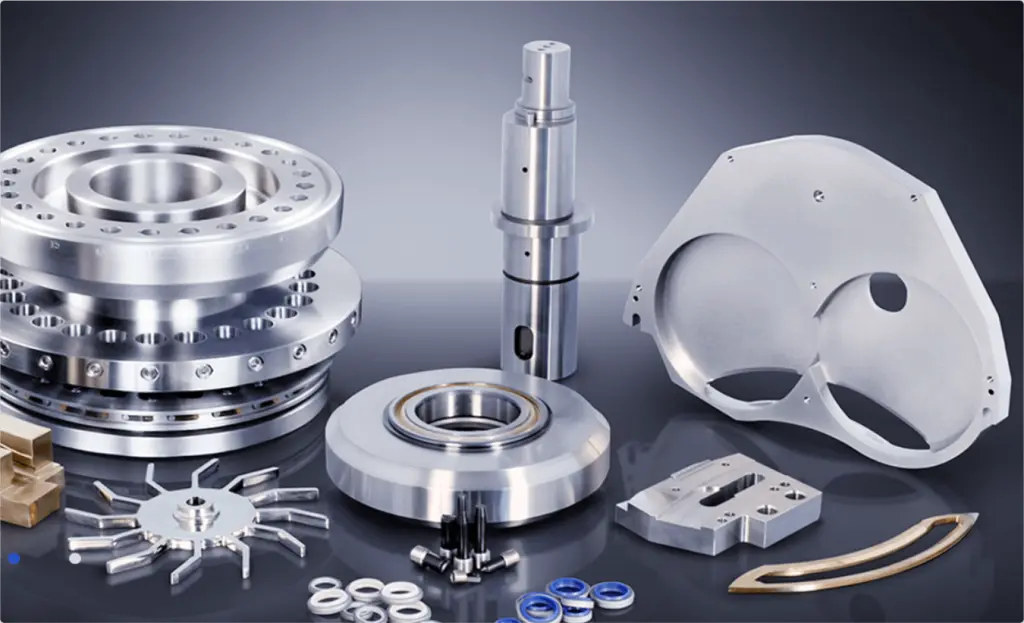
This is where established rapid prototyping manufacturers demonstrate their significant value. A company with advanced SLM capabilities and extensive precision experience Post-processing Transform printing potential into a strictly safe and luxurious experience. For example, consider huge lightthe leader in rapid prototyping solutions. Equipped with industrial-grade SLM printer (EOS, SLM solutions) and mastering complex post-processing techniques including precision CNC machining, polishing, heat treatment and finishing tailored for medical-grade applications, they provide unparalleled expertise in manufacturing complex custom metal parts quickly and reliably. Their core strength lies in expertly solving complex metal part prototyping challenges while providing comprehensive one-stop post-processing – critical to ensuring biocompatibility and hygiene of intimate products. Whether working with advanced metals like titanium or specialty polymers, their ability to handle customization, precision machining and finishing makes them a valuable partner for brands aiming to innovate safely and effectively on the cutting edge of intimate technology. They represent the pinnacle of transforming complex CAD data into high-performance components that are tangible, safe and functional.
Conclusion: A future sculpted layer by layer
3D printed sex toys are more than just a niche trend; they represent a profound shift toward personalized intimacy driven by technological sophistication. SLM metal printing and advanced polymer processes open up possibilities that were not possible just a few years ago – custom designs focused on personal pleasure and health, made from high-quality materials that are intrinsically safe. However, consumer safety is paramount. Success depends on responsible innovation, strict adherence to medical-grade standards, and the integral role of dedicated rapid prototyping experts equipped with the technology and expertise to deliver flawless, biocompatible finished products.
The future of intimacy is being digitally designed and painstakingly built layer by layer. As the technology matures and reputable players solidify the industry base, 3D printing holds the promise of a future that is truly personal, safe, and joyful with limitless creativity.
FAQ: Demystifying 3D Printed Sex Toys
-
Are 3D printed sex toys safe?
- This depends largely on the manufacturer. Toys made by reputable companies nonporous material (e.g. medical grade metal or specially certified biocompatible resin/polymer designed for skin contact) and professionally done to a smooth, impermeable surface very safe. Avoid taking advantage of others "raw" Prints lack proper organization and documentation of materials. Check compliance with biocompatibility standards (e.g. ISO 10993).
-
How exactly does customization work?
- Reputable providers will usually start with a detailed consultation or digital scan/anatomical measurement. This data informs custom CAD designs. Once approved, the design is printed and meticulously finished. This allows for a precise fit, unique sensitivity, ergonomic handle or integration with medical needs. Rapid prototyping enables rapid iteration to refine a design.
-
What materials are used? Are they safe for the body?
- Security common options:
- Metal (via SLM): Titanium (Ti6Al4V – highly biocompatible, strong, hypoallergenic), stainless steel 316L (surgical grade, strong, easy to clean).
- Polymer (SLA/SLS/MJF): FDA approved biocompatible medical grade platinum cured silicone (sometimes printed with molds, or rarely printed directly), nylon PA11/PA12 (processed to achieve high density and smooth finished product). Ensure provider has documentation demonstrating skin contact/mucosal biocompatibility.
- avoid: Basic hobbyist PLA/ABS plastics – they are porous, degrade easily, and contain bacteria and chemicals.
- Security common options:
-
How to ensure hygiene, especially to prevent pores?
- Material selection: Metal printed with SLM is completely dense and non-porous.
- Post-processing: Essential for plastics and metals. Techniques such as electropolishing (for metals), precision CNC polishing, tumbling, sandblasting or special coatings create a micro-smooth surface that eliminates microscopic pits where bacteria can hide.
- disinfect: Professionally manufactured equipment can be sterilized (metals can be sterilized by autoclaving, methods suitable for polishing polymers).
- **Can I really get it?