Beyond the Hype and Becoming Reality: Your Ultimate 3D Printing Guide and Essential Tips
The conversation around 3D printing has shifted. Once hailed as the novelty of the future, it is now a powerful, easy-to-use, and indispensable tool that is transforming industries from aerospace to healthcare and empowering creators around the world. But navigating such a wide range of technologies, materials, and best practices can be overwhelming. Whether you’re a curious enthusiast, an engineer prototyping the next big product, or a procurement manager exploring production options, this guide cuts through the noise and delivers actionable insights and practical tips distilled from years of practice.
Understand printing scope: it’s not one size fits all
Choosing the right technology is crucial. Each is suitable for specific applications:
-
Fused Deposition Modeling (FDM/FFF): Accessible workhorse. FDM printers use thermoplastic filament (PLA, ABS, PETG, nylon, etc.) to melt and deposit the material layer by layer through a nozzle. Best for: Prototyping of functional parts, jigs and fixtures, concept models, hobby projects, large builds (with compatible printers). advantage: Low cost (machine and materials), wide range of materials, easy to use. shortcoming: Visible layer lines, constraints of intricate details and smooth surfaces, anisotropic intensity.
-
Stereolithography (SLA) and Digital Light Processing (DLP): Master the details. These systems use UV light (laser in SLA, projector in DLP) to cure liquid photopolymer resin layer by layer. Best for: Highly detailed prototypes, complex models with smooth surfaces, master jewelry, dental applications, models requiring superior surface finish. advantage: Unparalleled surface finish and detail resolution. shortcoming: Materials are generally more brittle, require post-processing (cleaning/curing), resin handling precautions, and generally smaller build volumes.
-
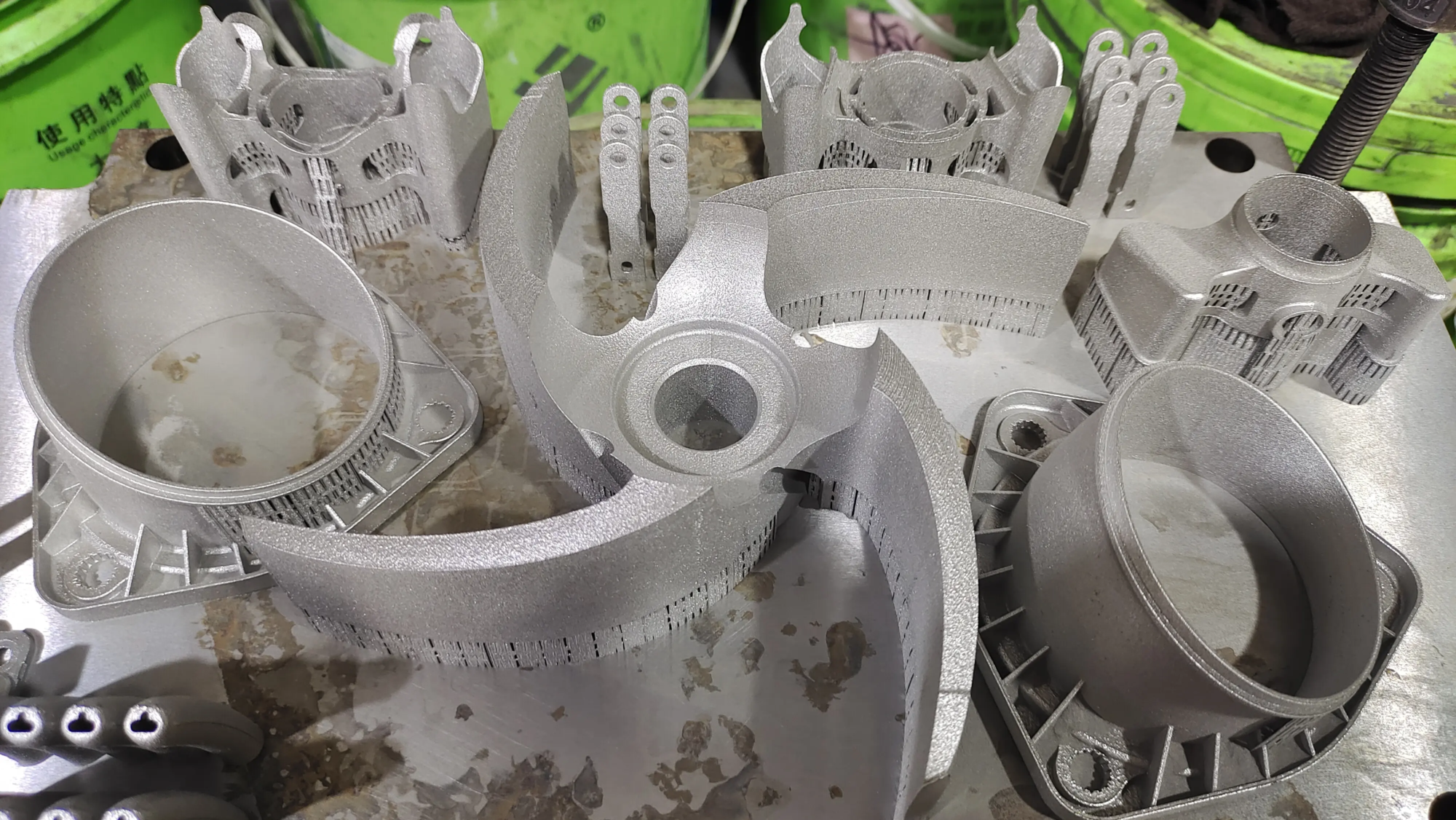
Selective Laser Melting (SLM) and Direct Metal Laser Sintering (DMLS): Engineered Metals Free. These powder bed fusion technologies use high-power lasers to completely melt or sinter fine metal powder particles layer by layer. Best for: Produces complex, high-strength, functional metal parts for aerospace, medical implants (Grade 5 Titanium, CoCr), automotive, high-performance engineering applications that require properties not achievable through machining alone. advantage: Design freedom (complex geometries, internal channels), excellent strength-to-weight ratio, biocompatible materials, production of quality parts. shortcoming: Significant machine investment, need for specialized knowledge, complex and often lengthy post-processing (support removal, heat treatment, finishing).
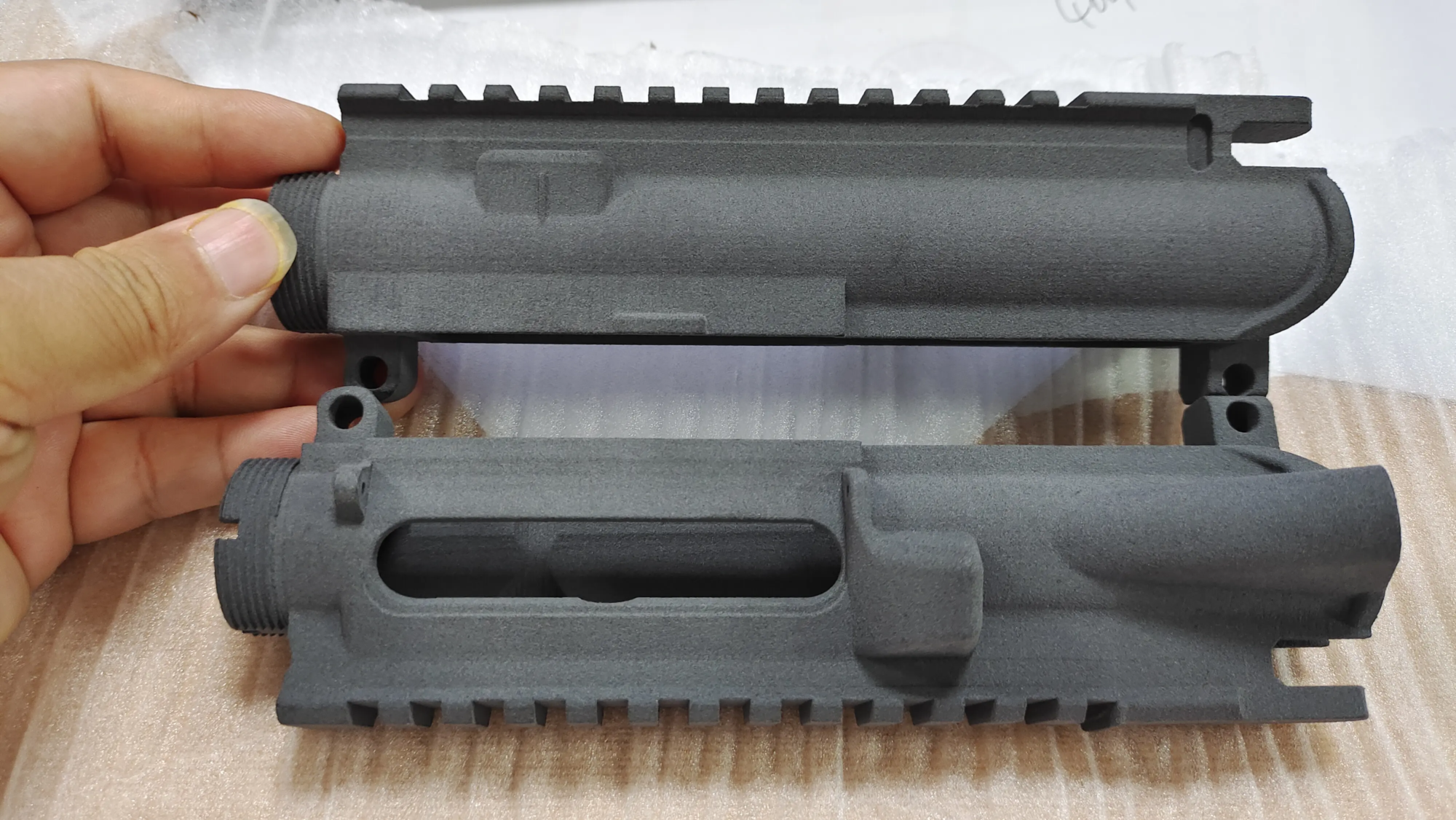
- Selective Laser Sintering (SLS): Sturdy nylon parts. Polymer powders (mainly various nylons – PA11, PA12) are sintered using laser. Best for: Functional prototypes, end-use parts requiring durability, snap-fits, hinges with good isotropic strength. advantage: No support required (powder supports itself), excellent mechanical properties, good chemical resistance. shortcoming: Porous surface, limited material selection, post-processing (powder removal) compared to FDM/SLA.
Materials matter: choosing wisely is half the battle
- People’s Liberation Army: Beginner friendly, tough, biodegradable (under certain conditions), low warp. Disadvantages: brittle and poor heat resistance. Great for decorative items and simple prototypes.
- ABS: Tougher and better heat resistant than PLA. Due to deformation, heated bed/enclosure is required. For functional parts, automotive parts (interior), LEGO bricks.
- Polyethylene glycol: Excellent balance – tough, good chemical resistance, minimal warping, food safe choice. Commonly used in functional parts, containers, and mechanical parts. Probably more stringent than PLA.
- Nylon (FDM/SLS): Flexible, extremely tough, abrasion resistant, chemically resilient. Great for gears, hinges, wear parts. Hygroscopic (absorbs moisture) – requires drying. SLS produces stronger, more isotropic parts.
- Engineering plastics (FDM): PC, PC-ABS, PEEK, PEKK – high heat resistance, strength, chemical stability. For demanding automotive, aerospace, and engineering applications. Requires specialized printer (high temperature hot end, enclosed chamber).
- Resin (SLA/DLP): Wide range: Standard (Detailed), Rugged/Durable (Functional Prototype), Flexible/Rubber-like, Pourable (Investment Casting), Dental/Biocompatible. Data table properties take precedence over names.
- Metal (SLM/DMLS): Professional knowledge is required. Stainless steel (corrosion resistant), titanium alloy (Ti6Al4V – aerospace/biomedical), aluminum alloy (lightweight strength), nickel alloy (Inconel – extreme temperatures/corrosion), cobalt-chromium alloy (biomedical/mold). Material properties differ significantly from forged/cast materials. Precise process control that requires experts etc. huge light.
Design for success: smart printing, not just complexity
Think beyond your CAD model! Design for Additive Manufacturing (DfAM) unlocks its true potential:
- Understand layer orientation: Strength is anisotropic (stronger within layer). If possible, orient the critical stress direction horizontally.
- Main overhang: Typically requires angles below ~45° support. Minimize them with clever design changes. Sacrificial supports are critical for SLM/DMLS complex parts (skilled disassembly is essential).
- Observe wall thickness: Avoid walls that are too thin to avoid risk of breakage during printing/processing. Materials and workmanship dictate the minimum.
- Optimize padding: Don’t default to 100%. Optionally use spiral, honeycomb or triangle patterns. 15-25% is usually enough to achieve a strength/weight balance.
- Includes chamfers/fillets: Reduces stress concentrations, increases part strength and minimizes warping/cracking.
- Components: Design considerations for interlocking parts, snap fits, hinges, and threads. Take advantage of integration opportunities – print components as one part!
Master Your Machine: Tips for Perfect Execution
- Bed adhesion is key: Painfully dialed in. Carefully clean the build plate (IPA). Use appropriate adhesion promoters: painter’s tape (PLA), glue stick/PVA (PLA/ABS), Magogo/PEI sheet (most), specialty adhesives (engineering plastics). Ensure perfect leveling.
- Filament treatment: Moisture is the enemy! Dry hygroscopic filaments (nylon, PETG, PVA) thoroughly before use. Store in airtight container/vacuum bag with desiccant.
- Temperature adjustment: Don’t assume that the manufacturer’s settings are perfect. Print temperature tower. Each filament brand/specific roll is calibrated for optimal layer adhesion, minimal stringing and shine.
- Retraction settings: Essential for reducing stringing/leakage. Careful calibration (distance/speed) is required for your extruder and material.
- Cooling Crusader: PLA likes high part cooling. ABS hates drafts but needs cooling bridge/interior features. Adjust fan speed appropriately. Poor cooling = messy prints and saggy overhangs.
- Ninja Troubleshooting: Not enough squeeze? Check for clogged nozzles, extruder tension/grip, filament path resistance, and low temperatures. Warping? Insufficient bed adhesion, cooling too fast (especially ABS), printing speed too fast/too far away from the bed. Layer transfer? Check for belt tension, loose pulleys/grub screws, mechanical obstructions. Pull the string? Adjust retraction; temperature may be too high.
The finish line: post-processing capabilities
The original print often needs improvement. Technology varies from technology to technology:
- Support removal: Carefully trim/cut the FDM supports. Dissolve soluble support (dual extruder). Precision laser cutting/EDM removal of internal SLM supports (huge light Specializing in complex post-processing).
- Surface treatment: Sanding (tapering grit), steam smoothing (solvent- *Use with caution