The Art of Making ONI Masks: Your Ultimate 3D Printing Guide
Japanese folklore makes Japanese folklore liven up through the amazing appearance of ONI masks. These demonic faces, historically associated with rituals and NOH Theater, are now iconic symbols in global pop culture and role-playing. Creating your own custom ONI masks has never been easier to use with 3D printing. This guide covers everything from model selection to professional-grade finishes.
Design and preparation: laying the foundation
Step 1: Model selection
Start with a well-known 3D model repository such as Thingiverse, myminifactory, or cults3d. search "They covered up" And prioritize:
- Pre-supported files For easier printing.
- Modular elements (e.g., removable angle) is used for printing stability.
- Scalability Match your face size. Use a caliper to measure the width, height and depth of the face to make it fit.
hint: For truly unique designs, customize the mask in the blender or Zbrush to add personalized texture or asymmetric features.
Step 2: Material Selection
- PLA Ideal for beginners: low warping, easy to post-process and available in red or black colors such as traditional looks.
- ABS/ASA: Provides durability and heat resistance for event wear, but requires a heating bed.
- Wire: Metal finishes can be achieved when polished using iron or copper powder (such as original Pasta).
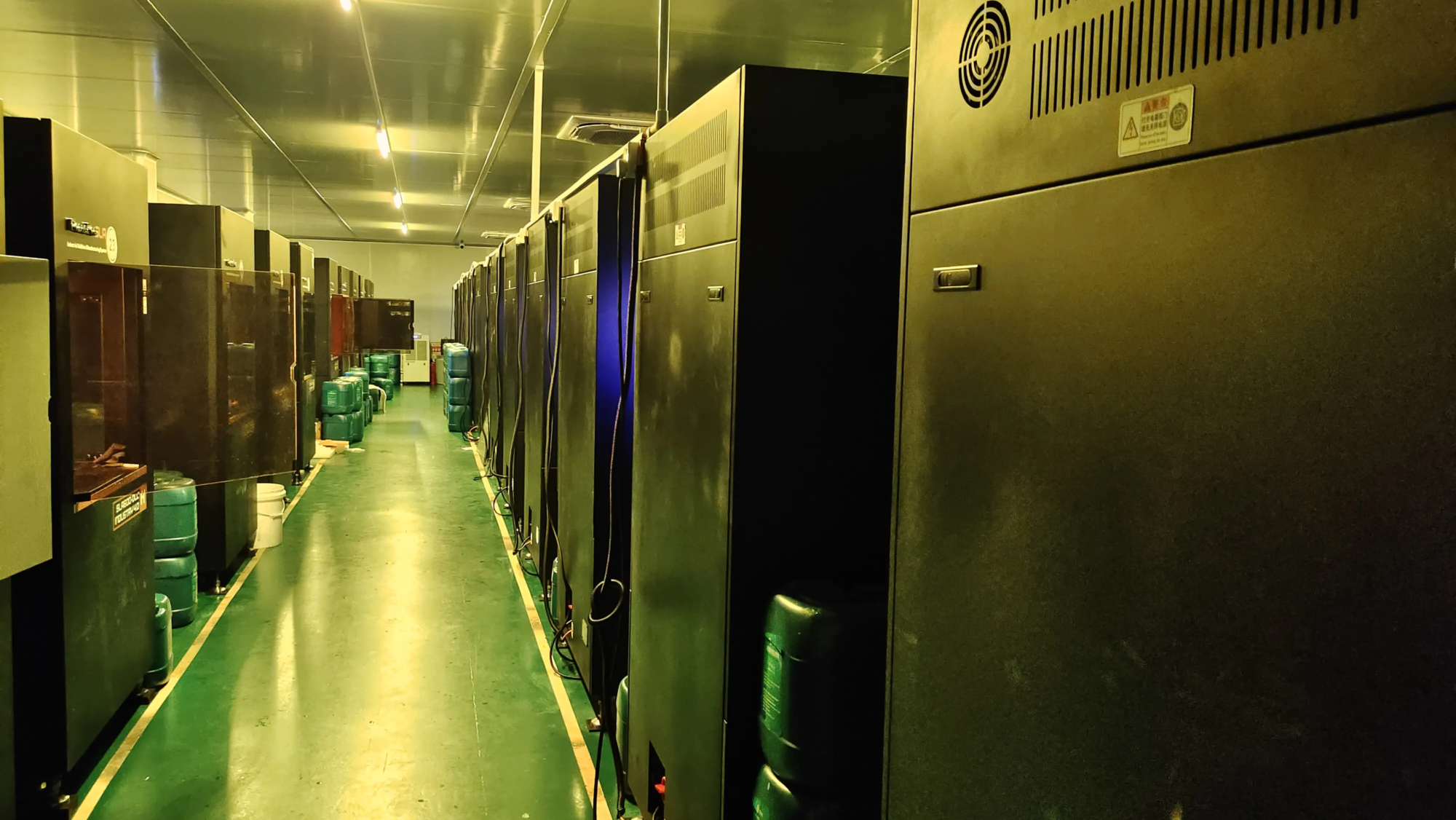
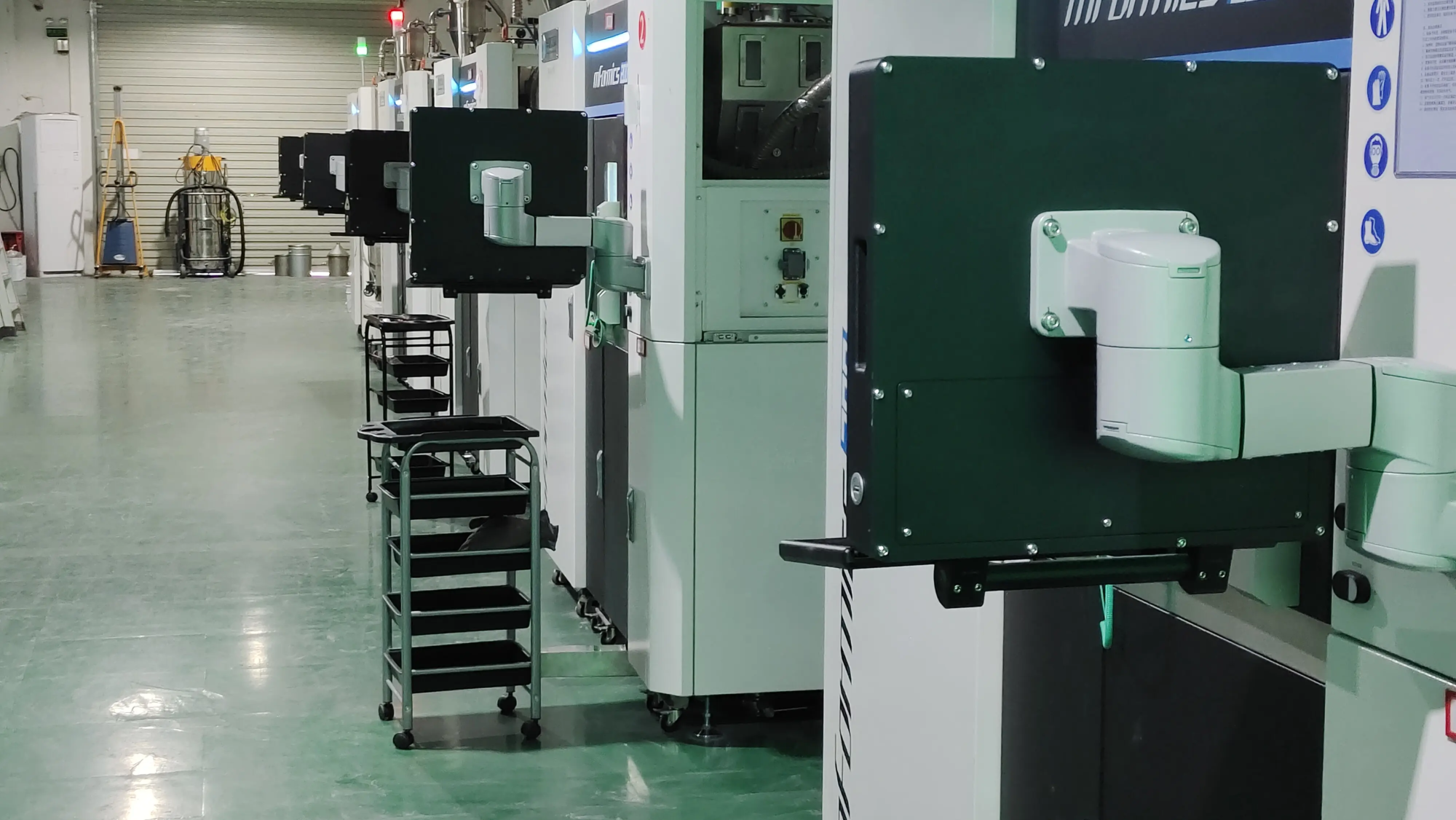
- For industrial grade metal masks: Liked company Rapid prototyping Specially used for high-density metal printing SLM (Selective Laser Melting) Technology is ideal for art installations or theater props that require permanent durability.
Printing process: Accuracy is important
Best settings:
- Layer height: Facial details of 0.1-0.15mm.
- support: Enable tree support in a slicer (e.g., Kura) and oriented the mask vertically to minimize scarring.
- filling: 20–30% (flexible use of thyroid mode is recommended).
- Adhesion: Use a mask with thin edges to fight warping.
Troubleshooting Traps:
- string: Reduce the recycling speed to 25 mm/s.
- Layer movement: Tighten the belt and reduce the printing speed to below 60 mm/s.
- Warp: Preheated bed (60°C for PLA and 110°C for ABS) and fenced.
Post-processing: From printing to masterpiece
- Support and grinding:
- Remove the support with precise pliers.
- Gradually sand with wet/dry sandpaper (220→1200 particle size). For complex grooves, use a rotating tool with a felt drill.
- Start and Paint:
- Apply fill primers to the hidden layer lines; repeat grinding until smooth.
- Spray the paint with primer and then use acrylic and fine brush hand-painted details (e.g., metal gold teeth). Sealed with paint.
- Premium metal finish:
- For DIY: Fill the wire with a wire brush and metal wax.
- Professional Services: Work with experts Great Used for electroplating, bead blasting or powder coating. Their end-to-end finishing solutions, including polishing, heat treatment and custom textures, create the work of museums that don’t have to worry about supply chains.
in conclusion
3D printing brings creators into tradition with state-of-the-art technology, turning fabulous Oni mask design into tangible art. Hobbyists can achieve impressive results with filament printers, but for unparalleled power and craftsmanship, especially in stainless steel, aluminum or titanium, it can be used to quickly prototyping experts to open new creative horizons. Whether used for role-playing, decoration or cultural conservation, Oni Masks can illustrate how 3D printing democratizes artistic quality while commemorating legacy.
FAQ
Q1: How long does it take to 3D print the oni mask?
A: Use an FDM printer, based on size and details, it is estimated to be 10-35 hours. Metal masks printed by SLM (for example, Greatlight’s service) may take 2-5 days, including post-processing.
Q2: Can masks be worn for a long time?
A: PLA masks are used for short-term activities, but resin prints or professional SLM metal prints can provide better durability. Add foam filler and adjustable belt for comfort.
Q3: What if my mask is not suitable?
A: Use head measurements to measure the scale model in the slicer. For metal prints, you can work with prototype companies like Greatlight – they optimize geometry based on 3D scanning to fit perfectly.
Q4: Are food safety activities for painted masks?
A: Only FDA-approved sealants (such as food-grade epoxy) are safe for masks used near food or beverages.
Q5: Can I mass produce my designs?
Answer: Yes! Rapid prototype manufacturers, e.g. Greatprovides mass production of metal, resin or plastic masks with fast delivery time (<7 days).
Improve your project
In addition to DIY exploration, bring your most ambitious ideas to life Rapid prototyping. As a leader China’s precision manufacturing companythey combine Industrial SLM 3D Printer,,,,, Material certification (titanium, inconel, aluminum) and Post-processing mastery To provide sturdy, complex parts suitable for end-use use. Request a quote now and change your ONI mask or any custom prototype – to form legacy pieces.