introduce
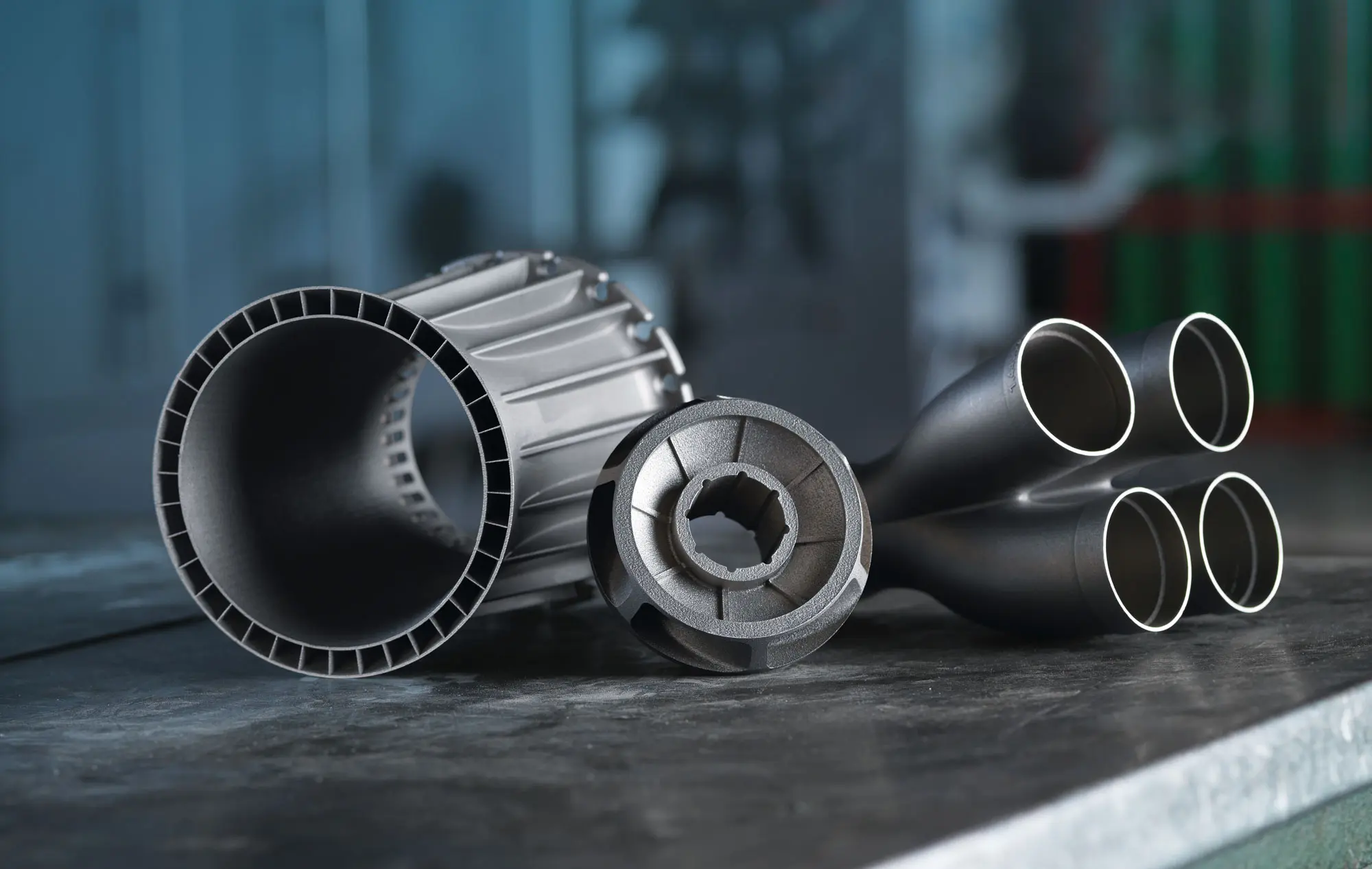
In the ever-evolving field of digital manufacturing, 3D modeling is the cornerstone of innovation, transforming abstract ideas into tangible, functional components. For rapid prototyping, especially in metal applications such as aerospace, automotive or medical devices, precision engineered models are no compromise. At GreatLight, we utilize cutting-edge Selective Laser Melting (SLM) 3D printing and multi-stage post-processing to bring these designs to reality. But it all starts with powerful 3D modeling software. This guide explores three industry-leading tools that enable engineers and designers to create perfect, manufacturable models.
Top 3D modeling tools for precision prototyping
1. Siemens NX
Ideal for complex, high-tolerance industrial designs
Siemens NX dominates high-risk areas where absolute precision is required, such as turbine blades or surgical tools. it is Parametric modeling Dynamically adjust the design when dimensions change, while sync technology Allows direct editing of geometry without relying on the history tree. For rapid prototyping, NX excels at:
- Comprehensive simulation: Stress, thermal and fluid dynamics analysis in the same environment.
- generative design: Artificial intelligence-driven topology optimization for lightweight, strong structures.
- CAM compatibility: Generate seamless tool paths for GreatLight’s SLM printers, minimizing file conversion errors.
Why Gretel recommends it: When prototyping titanium or Inconel® parts, NX’s tolerance control (as low as ±0.01 mm) remains consistent with our post-processing lathe/polishing workflow.
2. Autodesk Fusion 360
Agile all-in-one suite for iterative design
Fusion 360 connects conceptualization and production through cloud-based collaboration. it is hybrid modeling Combine organic form (ergonomic grip) with precise CAD functionality. Key benefits include:
- Cloud rendering and simulation: Test for manufacturability (e.g. warpage risk) before printing.
- Generative design tools: Automatically generate lattice structures to reduce material usage.
- Integrated CAM: Provides 5-axis machining support for GreatLight’s secondary CNC machining stage.
real world use cases: Startup uses Fusion 360 to prototype aluminum brackets in days; files are exported directly to GreatLight for SLM production and anodization in the same week.
3.SolidWorks
Industry benchmark in mechanical engineering
Trusted by Fortune 500 manufacturers, SolidWorks provides intuitive Feature-based modeling Used in components such as engine parts. Outstanding features:
- electronic drawing: Share interactive models with GreatLight engineers to prevent design for manufacturability (DFM) issues.
- toolbox library: Accelerated standardization of threads, fasteners and gears for certified materials such as stainless steel 316L.
- MBD (model-based definition): Embed tolerance/metadata in 3D files, eliminating 2D drawings.
glow synergy: We combine SolidWorks models with in-house CMM (coordinate measuring machine) inspection to verify critical dimensions prior to production.
Honorable mention
- mixer: Best for artistic prototyping (such as sculptures) but lacking precise CAD tools.
- PTC Creo: Great for large assemblies, but has a steep learning curve.
- rhino: Versatile NURBS modeling for automotive/aerospace surfaces.
in conclusion
The choice of 3D modeling tool depends on the project’s complexity, materials and tolerance requirements. Siemens NX is suitable for mission-critical metal parts, Fusion 360 accelerates iterative innovation, and SolidWorks simplifies mechanical assembly. At GreatLight, we turn these digital blueprints into reality using industrial SLM 3D printers (processing titanium, aluminum, cobalt-chromium alloys) and provide end-to-end post-processing from CNC machining to microblast finishing. As a leader in rapid prototyping in China, we combine cost-effectiveness with aerospace-grade quality to ensure your custom parts meet precise specifications. Ready to prototype? Upload your model and get an instant quote from GreatLight 3D Printing Services.
FAQ: 3D Modeling and Rapid Prototyping
Question 1: What file format is best for metal 3D printing?
A: STEP or IGES for editable geometry; STL for print-ready meshes. GreatLight accepts over 30 formats and optimizes SLM files for free.
Q2: Can you prototype using proprietary alloys?
Answer: Yes. We customize parameters for tool steels, nickel alloys, copper, etc. Request a list of materials with specific properties (e.g. tensile strength, heat resistance).
**ask