Unleashing Creativity: A Deep Dive into Toybox 3D Printer Costs
The dream of owning a 3D printer at home, especially one designed for young creators, is incredibly exciting. The Toybox 3D printer is a compelling option built for kids and beginners, promising simplicity, safety, and fun. But naturally, a key question arises: What does it mean to have a toy box real cost? In addition to the initial list price, it’s critical to understand the full financial picture. This guide details every cost component associated with a Toybox 3D printer to help you make an informed decision for your home or classroom.
Core Investment: Initial Purchase Price
The main expense is the printer itself. As of late 2023/early 202, Toybox 3D printers typically retail for About $299 Directly from the manufacturer or major retailers like Amazon. This price firmly occupies the "budget friendly" The entry-level 3D printer category, especially considering its target audience and design philosophy:
- Plug-and-play simplicity: Designed for kids and beginners, it requires minimal setup.
- Safety first: Enclosed build chamber, non-heated bed (using proprietary adhesive panels) and low operating temperature filament minimize risk.
- App-controlled ecosystem: Intuitive smartphone/tablet app to browse, select and print thousands of pre-designed toys.
- Proprietary filament system: While convenient, this determines ongoing material costs (discussed next).
This upfront cost includes a printer, an initial roll of filament (usually one color), adhesive sheets to build the board on, and basic tools. The Toybox saves a lot of time and potential frustration compared to more complex hobbyist printers to assemble and calibrate, offsetting some of its premium over entry-level kits.
Ongoing expenses: filament costs
filament is "ink" for your 3D printer. toy box uses its own Proprietary spool systemdesigned for easy loading and optimized for printers. This is where ongoing costs stand out the most:
- Price per spool: Toy box filament spools sell for approx. $14.99. Each spool contains 100 meters Replace highlighter
PLA based filament. - Print volume/capacity: One toy box spool can produce a large number of small toys. It is expected to be roughly 20-50+ small toys Each spool, depending on its size, complexity and packing density. Larger prints will consume supplies faster.
- Color options: Toybox offers a range of vibrant filament colors. Purchasing multiple colors increases the initial material investment.
- Subscription options: Toy box provides "Easy to print" Subscription services. for surrounding $9.99 per monththe subscriber receives One filament spool per monthplus potential small discounts on getting exclusive toys as well as extra spools. For frequent users, this may be cost-effective.
Key considerations: Proprietary filaments cost more per kilogram Than the standard 1kg PLA spool used by other printers (usually sold for $15 to $25 per kilogram, equivalent to about 333 meters). However, Toybox supplies are specially formulated to ensure safety within the system, ease of use, and reliability of the Toybox printer. you must Uses toy box filament; standard spools will not fit the feed mechanism.
Additional costs: maintenance and consumables
Thankfully, Toybox is designed to be low maintenance. Major consumables and potential replacement parts include:
- Plywood: The printer uses disposable adhesive paper that is glued to the build plate. Cost of a pack of replacement boards About $9.99 and usually includes several sheets of paper. Each sheet can last multiple prints before the adhesion wears off.
- nozzle: While the robot is durable, the nozzle is a wear-and-tear part. Nozzle replacement cost About $12.99. Toybox supplies rarely become clogged, but they can occur if they are not handled properly or if printing continues for an extremely long time.
- Build the board: The main magnetic printing plate itself is strong, but replacement costs are high About $19.99 If damaged.
- Basic tools: Comes with a flat spatula and scissors. Replacements are cheap, generic items often bundled in consumable packs.
The enclosed design and cooling bed means you avoid the costs associated with bed adhesive (such as post-adhesive or hairspray from other printers) or heater failure.
Hidden costs? remember these
- Potential downtime: While reliable in its purpose, any mechanical device can encounter problems. When troubleshooting or waiting for replacement parts, consider the possibility that the printer may be unavailable for a short period of time (customer support usually responds promptly).
- Get creative beyond pre-designed toys: The Toybox app library is vast, but creating truly custom designs requires external modeling software (often free like Tinkercad) and manual conversion/slicing of files, adding a step of complexity outside of the core Toybox ecosystem.
Value Proposition: Is The Toy Box Worth It?
The cost-effectiveness of a Toybox depends entirely on your goals:
- For families/educators who prioritize safety and convenience: The toy box sparkled. The initial investment and filament cost premium are often justified by their unparalleled ease of use, safety features built specifically for children, and the sheer convenience of an app-driven ecosystem. Eliminating the headache of setup and calibration is a huge value-add for non-technical users. Watching a child independently browse and print toys is very powerful.
- For the adult hobbyist or cost-conscious tinkerer: The Toy Box can feel limiting due to its smaller build size, proprietary filament, and focus on pre-designed toys. Larger, open-source printers capable of using cheaper consumables may offer greater flexibility and lower long-term consumable costs, although requiring more technical skills to operate and maintain.
- For complex or specialized needs: Toybox is not intended for engineering prototypes, large models, or final production parts. The purpose is creative fun and learning.
Exploring alternatives? Consider a wider range of 3D printing services
While toy boxes can unleash children’s creativity at home, sometimes you need more. Maybe it’s a complex prototype, large model, or part that requires engineering-grade metal or resin. This is where professional rapid prototyping services come into play.
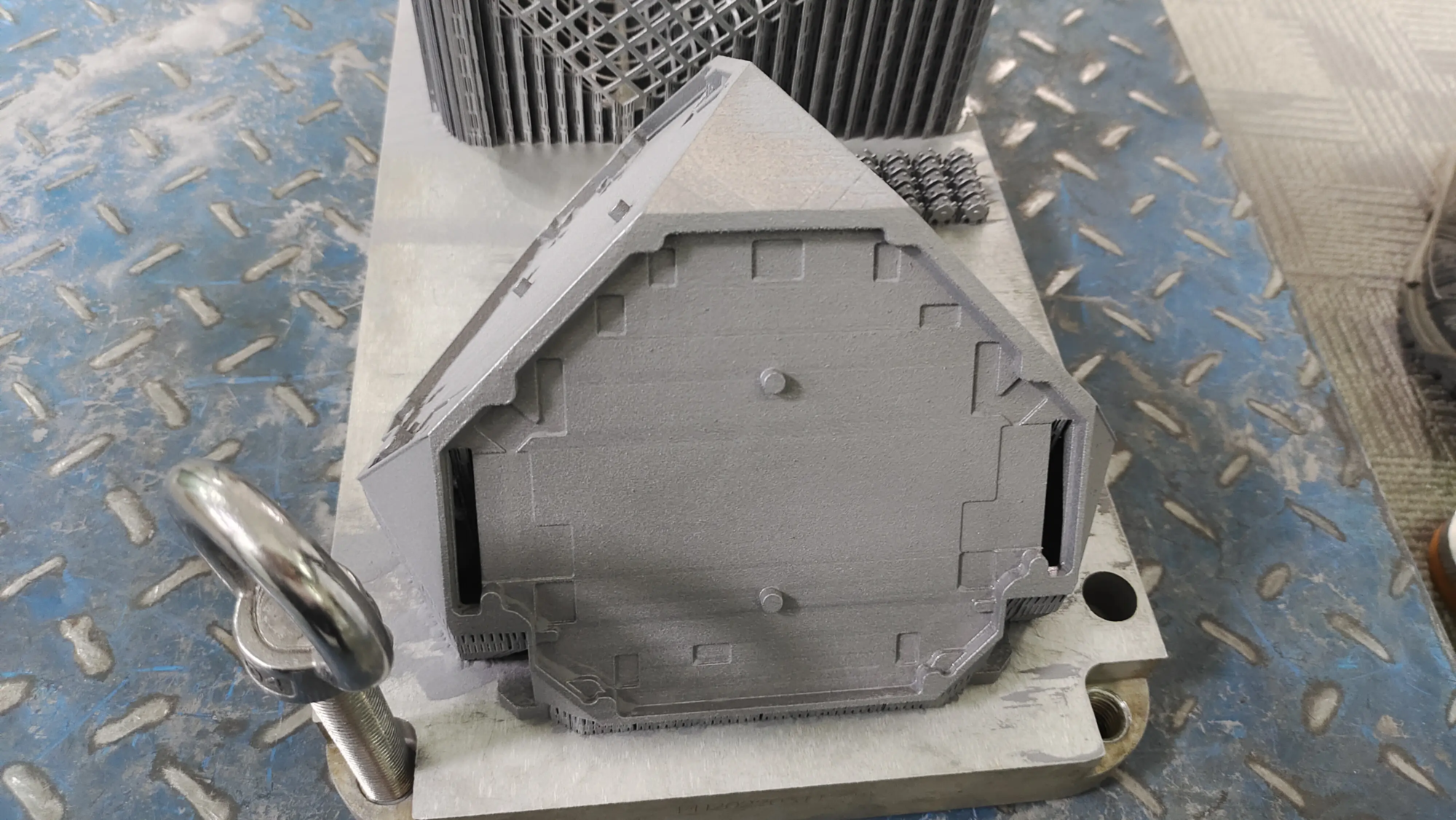
Companies like Gretel Demonstrate the power of industrial-grade additive manufacturing. Utilizing advanced technologies like Selective Laser Melting (SLM) to machine metal parts and providing comprehensive one-stop solutions, from rapid prototyping to meticulous post-processing, they address needs well beyond what desktop printers like the Toybox can achieve. Whether it’s an aerospace component, a medical device prototype, or custom jigs and fixtures that require high precision and material versatility, Professional Services provides unparalleled capabilities. Most importantly, they offer Speed, reliability and custom material solutions Crucial for businesses and engineers.
in conclusion
Owning a Toybox 3D printer requires an initial investment of about $300, plus ongoing costs driven primarily by proprietary filament ($15 per spool, which can last between 20-50+ small toys). Consumables such as adhesive boards will add a small recurring cost. Its true value lies in its exceptional ease of use, safety-first design, and kid-friendly ecosystem, all at a very reasonable cost for its target audience of families, educators, and young creators eager for easy, worry-free 3D printing fun. However, if your needs involve large-scale projects, advanced materials, or professional-grade precision, it’s critical to explore a reputable rapid prototyping service like GreatLight. Carefully weigh Toybox’s fun benefits against its inherent limitations and costs to see if it can inspire your creative journey.
Expressed
FAQ: Toybox 3D Printer Costs Revealed
Question 1: What is the total upfront cost of the Toybox 3D Printer Starter Kit?
A1: Expect to pay approx. $299 for the printer itself. The kit includes the printer, a roll of starter filament, several adhesive print boards, basic tools (spatula, scissors), and power/accessory cords.
Q2: How much does Toybox filament cost and how long can it be used?
A2: Toy box filament spool cost $14.99 each. Each spool contains 100 meters Specially formulated PLA. How long it lasts depends entirely on what you print. A single spool can usually be printed 20 to 50 small toys (e.g. action figures, animals, puzzles) or most of the items in its app library. Large solid objects will consume the filament faster.
Q3: Are toy box supplies more expensive than ordinary supplies?
A3: Yes, a significant increase on a cost per kilogram basis. Standard PLA filament averages US$15-25 per kilogram (approximately 333 meters). Toy Box Filament is $14.99 for 100 meters only. This premium covers a proprietary formula optimized for safety/ease of use and a convenient spool system design. You cannot use non-Toybox supplies in the printer.
Q4: Are there any subscription options to save money?
A4: Yes! Toy box provides "Easy to print" subscription $9.99 per month. It automatically sends you a roll of filament every month and provides access to special toys in the UDP app. If you print frequently, this effectively locks the cost of supplies at $9.99 per spool, potentially saving money (± $5 per spool) and ensuring a stable supply. It sometimes includes discounts on additional spools.
Q5: Besides filament, what are the major ongoing costs?
A5: The main consumables are Adhesive Build Board Sheets. Unresolved cost of UITableView with a pack of replacements $9.99 And it should be possible to print many sheets. On rare occasions, you may need to replace Nozzle ($12.99) If it is clogged or excessively worn. Electricity costs are extremely low (<$1 per month with moderate use).
Q6: Toybox printers are easy to break, is it expensive to repair?
A6: Toybox is designed for durability in a home environment. Its closed design protects internal components. While problems can occur with any device, under normal use, failures that require the replacement of major components are generally uncommon. Simple wear parts such as nozzles or print plates are the main replaceable parts.
Q7: Can adults use the toy box for actual projects, not just toys?
A7: Has potential, but is limited by its limitations Small printing platform (approx. 100 x 100 x 100 mm) and a toy-oriented application library. Creating functional projects requires external design in software such as Tinkercad, exporting the model correctly, and slicing it. For functional prototypes, custom parts, or larger/more complex projects, professional rapid prototyping services (capable of working with metal, high temperature plastics, large builds) are a better option