

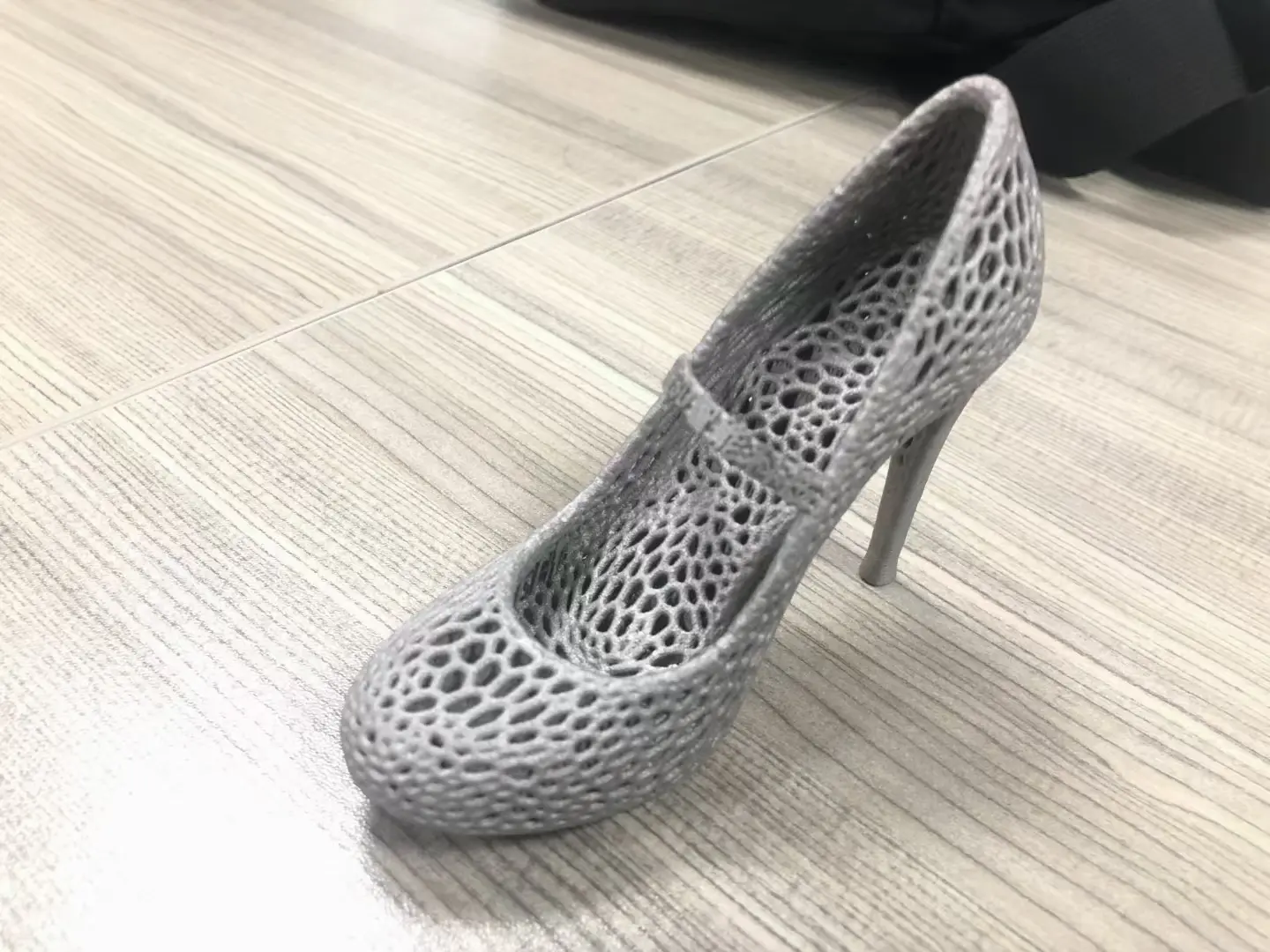
Rethinking waste management: Trash technology and the rise of 3D printed bins
The humble trash can is undergoing a revolution. The modern waste bin is no longer just a functional container, it’s evolving into a smarter, more efficient and greener asset – thanks to 3D printing technology. This innovation is called “Junk Technology” Combining advanced manufacturing with sustainability to create bins designed to meet the challenges of modern waste management.
Why use 3D printed trash cans?
Traditional trash can manufacturing relies on molds, product costs, and design constraints. 3D printing disrupts this status quo by:
- Super customized: Easily customize bins to fit unique spaces (e.g., office hallways, parks, industrial sites) without retooling.
- Complex geometric shapes: Print lightweight yet strong structures with internal reinforcements, optimized for load-bearing and durability.
- Integrated smart features: Compartments that embed sensors, compactors or RFID scanners during the printing process require no modifications.
- Iterate quickly: Test ergonomic handles, lid mechanisms and user interfaces faster and more cost-effectively.
Materials matter: where strength meets sustainability
Dumpsters face extreme wear and tear – weather, impact and heavy loading. Metal 3D printingspecial Selective Laser Melting (SLM)creating bins with unparalleled resiliency:
- Stainless steel and titanium: Ideal for high-traffic public bins; resistant to corrosion, graffiti and vandalism.
- Recycled polymers: Eco-friendly options using reprocessed plastic maintain functionality while reducing the use of virgin materials.
- Hybrid design: Combine metal hinges or structural joints with a polymer body for cost-effective strength.
Designing the future of waste
3D printing unlocks creative solutions that were previously unimaginable:
- Aesthetic integration: Match the bin design to the architectural style – a curved profile for a modern square, an angular profile for an industrial area.
- Smart features: Printable cavities for filling level sensors, solar panels or contactless lids turn bins into data collection hubs.
- Ergonomic improvements: Customize height/angle handles for ease of use or provide animal-proof closures for wildlife-prone areas.
Sustainable Development Advantages
In addition to durability, 3D printed bins also support the circular economy:
- Reduce waste: Compared to subtractive methods, additive processes produce close to zero scrap.
- Local production: Reduce transport emissions by printing bins on-site or regionally.
- Scrap and reuse: Metal can be reprinted; polymer recycled into new bins or parts.
GreatLight: Excellence in Engineering Waste Technology
At GreatLight, we pioneer End-to-end solution For metal 3D printed waste bins. Utilize industrial grade SLM printer and precision post-processing, we transform prototypes into rugged, field-ready products:
- Rapid prototyping: Iterate on box designs in days instead of months – perfecting functionality before volume production.
- Metal expertise: Print stainless steel, aluminum and titanium parts with superior tensile strength and surface finish.
- One-stop post-processing: Comprehensive services include stress relief, machining, polishing and protective coatings.
- Mass customization: Customize every feature—from material mix to smart technology integration—with no order minimums.
in conclusion
3D printed bins not only represent an upgrade in waste infrastructure, but also a shift towards adaptive, smart and eco-conscious design. Waste technology reduces environmental footprint while meeting changing urban needs. For municipalities, businesses or designers, adopting 3D printed bins means investing in resiliency, efficiency and sustainability.
FAQ: 3D Printed Trash Cans
Q: How durable is a metal 3D printed litter box compared to a traditional litter box?
A: SLM printed stainless steel or titanium bins are superior to traditional plastic or sheet metal versions. They are resistant to corrosion, impact and UV damage, and will last for years even in harsh environments.
Q: Can 3D printed bins contain smart technology?
Answer: Of course. Sensors, compactors and communication modules are integrated during the printing process. For example, printed chutes could house fill level sensors that alert waste management teams via the IoT network.
Q: Is this cost-effective for public spaces?
Answer: Yes. While the initial cost is higher, long-term savings can be realized through extended service life, reduced maintenance and optimized waste collection routes (enabled through smart features). naturalism
Q: What sustainable materials are used?
A: Options include recycling PETG/PLA polymer, stainless steel (can be recycled indefinitely), and aluminum. GreatLight also explores material blends to balance sustainability and strength.
Rainbow Q: How quickly can I prototype a custom litter box design?
A: With a rapid prototyping service like ours, functional prototypes are ready 5–7 days. Post-processing (smoothing, coating) adds minimal extra


