Breaking the Boundaries: The Interior Umaine Game Changing Giant 3D Printer
The future of large-scale manufacturing industries has just undergone earthquake escalation. The University of Maine’s Advanced Structure and Composite Materials Center (ASCC) reveals the next generation of giant 3D printers and will "The future factory 1.0" (FOF 1.0)– Eliminate previous scale limitations and redefine what additive manufacturing can achieve. This is more than just an incremental upgrade; it is a technological quantum leap that promises to transform the industry from sustainable infrastructure to aerospace.
3D Printed Titan: Coma Specifications
Umaine’s FOF 1.0 replaces its own predecessor (2019 World Record Printer) with amazing features:
- Unrivaled Scale: Ability to print objects 96 feet long, 32 feet wide, 18 feet high At a speed of 500 pounds per hour. This makes it the largest polymer 3D printer in the world.
- Multi-material proficiency: Unlike most industrial printers, FOF 1.0 processes multiple materials simultaneously. It seamlessly switches between thermoplastics, bioplastics and, crucially, specialized wood polymer composites.
- Intelligent accuracy: Integrated sensors and AI-controlled robots enable real-time quality control. The system can automatically adjust layer deposition, temperature and velocity to ensure dimensional accuracy, even on a large scale.
- Dynamic Robotics: With multiple adjustable printheads on a 12-axis gantry system, complex geometry and internal structures are impossible through traditional large-scale manufacturing.
Beyond Size: Sustainable Solutions to Global Challenges
FOF 1.0 is more than just “bigger”. Supported by federal and state funding, Umaine’s research targets key social issues:
- Environmentally friendly building: The core focus is on printing affordable housing and disaster shelter using materials from biological sources Wood residue (For example, wood chips) are abundant in Maine. This reduces carbon emissions compared to concrete/steel.
- Maritime and Defense: Quickly craft lightweight, durable hull, bridge components and military structures. Umaine works with the U.S. Army Corps of Engineers.
- Wind energy: Print large molds for offshore wind turbine blades at a fraction and cost of traditional methods.
- Supply Chain Resilience: On-demand local manufacturing can minimize transportation costs and vulnerabilities, thus supporting the rural economy.
All manufacturing chain effects
Umaine’s work confirms a key trend: Scale and complexity in 3D printing are being integrated. Although FOF 1.0 meets macro-quality challenges, its innovation has reduced:
- Materials Science: Sustainable integrated development drives the boundaries for use in smaller formats.
- Process control: AI-driven quality assurance sets new standards for reliability.
- Hybrid manufacturing: Integration with robot subtraction machining (see in FOF 1.0) is becoming an industry best practice.
Greglime: Precision metal 3D printing power chamber
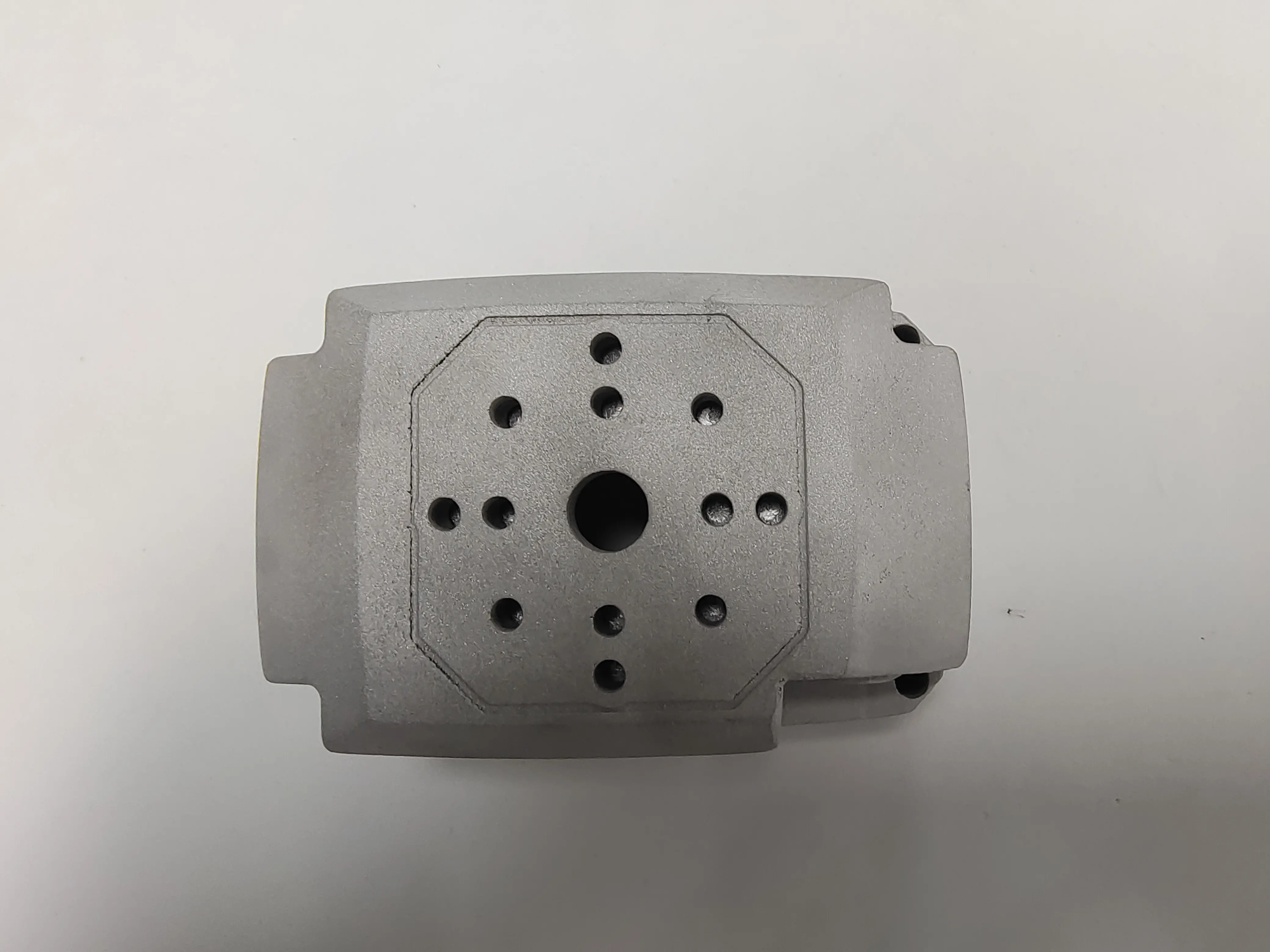
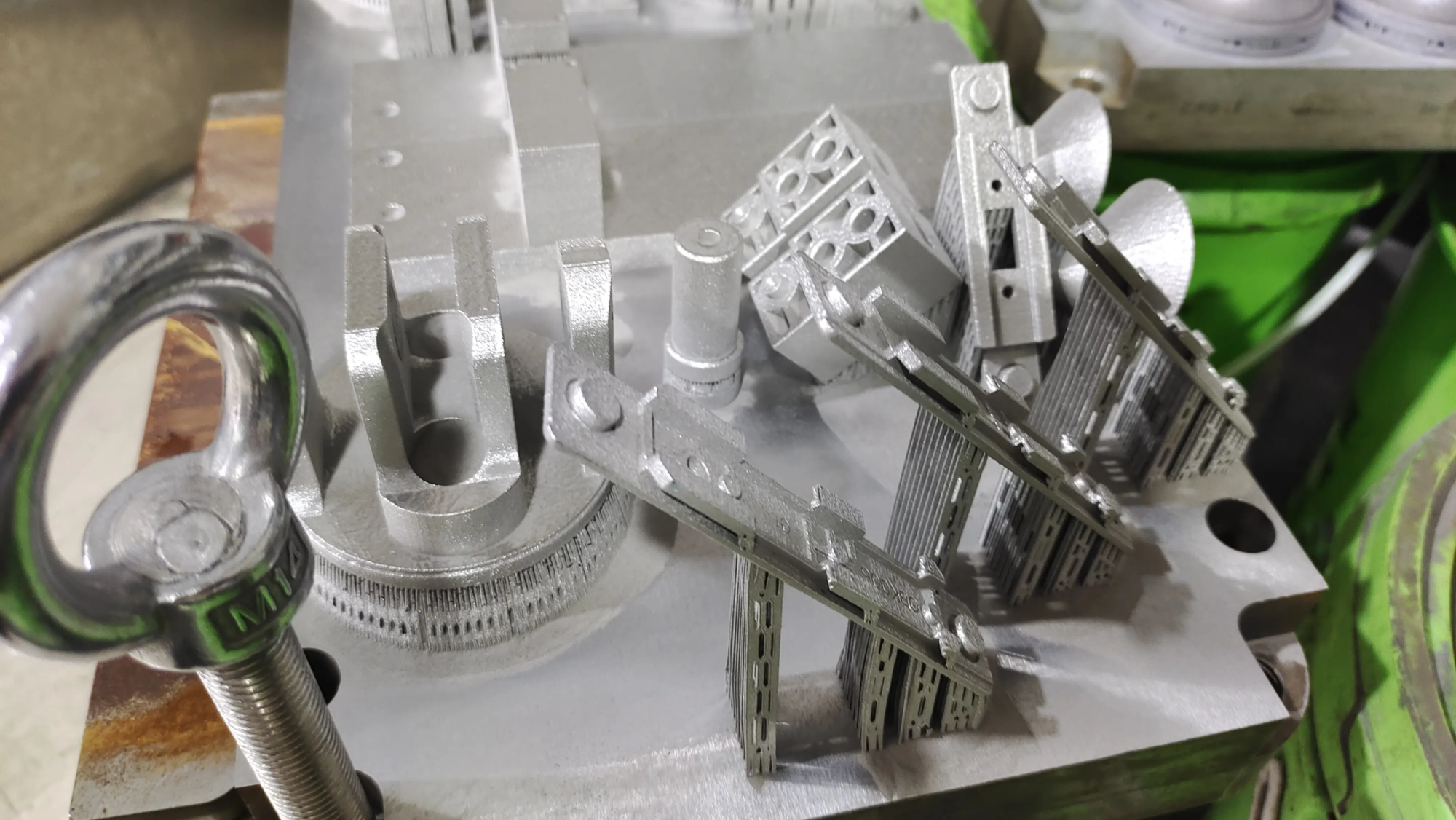
Umaine leads large-scale polymer innovation, but Rapid prototyping Using the same advanced technology in situations where precision metal components are crucial. Take advantage of the most advanced Selective laser melting (SLM) Systems, we solve complex challenges in industries requiring uncompromising material properties and complex design.
Why choose Greatlight?
- Industrial SLM expertise: Master the mastery of handling aerospace grade alloys (TI, AL, Inconel), stainless steel and custom materials.
- End-to-end solution: From design optimization and prototyping to rigorous post-treatment (heat treatment, CNC finishing processing, polishing, coating, CMM inspection).
- Speed and scalability: Agile functional prototypes and production of low to medium volume end-use parts without sacrificing quality. Complex geometric shapes? Quick turnaround? We performed well.
- Custom features: Material formulas and mechanical properties tailored to your exact design intentions and functional needs.
Greglight Core Application:
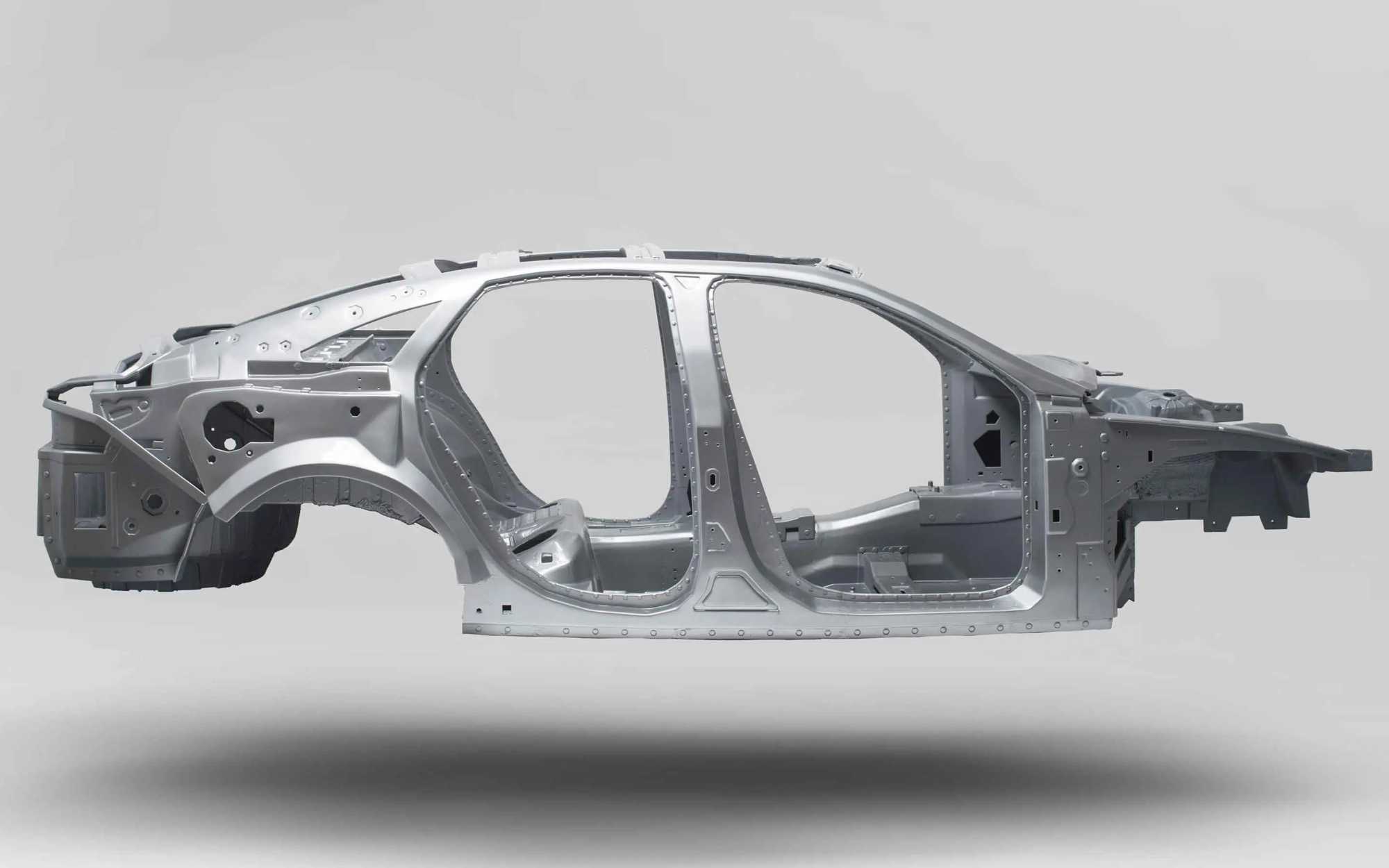
- prototype: Functional aviation pipelines, medical instrument tests, automotive engine brackets.
- tool: Durable molds, fixtures, injection molding inserts with conformal cooling.
- End-use parts: Lightweight heat exchanger, combustion chamber components, high-mounted industrial robotics technology.
Like Umaine’s giant printer breaking through macro scale boundaries, Greatlight pushes envelopes Accuracy, performance and speed in the field of metal additives. We transform our high-risk engineering vision into reality.
Conclusion: The symbiotic future of innovation
Umaine’s FOF 1.0 represents not only a huge step forward for the university, but also represents the entire manufacturing ecosystem. Additive manufacturing has proven to be sustainable and effective in addressing some of the most pressing challenges in society. This giant printer is not isolated. This is a demonstration. It encourages all manufacturing scales from macro infrastructure to micro medical devices – to innovate relentlessly.
Development in Umaine, promote the development of companies and other companies Great. Inspired by visionary large-format 3D printing, industrial demand Complex high-performance metal components surge. Greglight Bridges SLM expertise and comprehensive service needs.
From large-scale sustainable structures to precise engineering alloys, these technical rods together transform 3D printing from a niche process to the backbone of global design and manufacturing. The factory of the future is not only in Umaine; it is where innovation transforms brilliant ideas into tangible solutions.
FAQ
1. Why is Umaine’s 3D printer important?
Its unprecedented scale and multi-material function enables on-site printing of wind turbine parts and ships to significantly eliminate production time while using sustainable local resources such as wood waste.
2. Is it the largest 3D printer ever?
Yes. FOF 1.0, currently owns the Guinness World record, is the largest polymer 3D printer, quadrupled the build volume of Umaine’s previous record machines.
3. Does it use only plastic?
It is mainly biocompatible polymer, but its core innovation is Wood-based composite materials. This reduces dependence on concrete and allows for carbon solid replacement through sustainable procurement of materials.
4. For smaller functional metal parts, what is comparable?
Gremplying Utilizes Industry Selective laser melting (SLM) Used for complex designs in materials such as titanium or inconel. Ideal for demanding prototype and end-use parts.
5. What is the biggest obstacle to adoption?
Cost and certification. Equipment prices are gradually falling, and verifying large 3D printed structures to ensure safety and meet regulatory regulations requires continued R&D and industry cooperation.
6. How does Greatlight ensure the quality of parts?
Through rigorous workflows including powder quality control, SLM-optimized build preparation, rigid post-processing standards (hip, machining) and advanced CMM/metology. Eliminating porosity, pressure and warpage is ideal for our professional-prototype and high-pressure aerospace components.
7. Can Umaine’s method be commercialized soon?
Directly? Now it is mainly for research and development. indirect? Its material breakthroughs, AI monitoring software and hybrid printing concepts have already impacted industrial suppliers and bio-based materials suppliers worldwide. Laboratory innovation will inevitably become commercialized. Until then, let’s build the next metal prototype faster.
Transform your revolutionary design into metal reality. Submit your exact partial query today – including expert engineering support.