Unlocking Vertical Space: The Ultimate Guide to DIY Wall-Mounted 3D Printing
introduce
In the rapidly growing field of additive manufacturing, manufacturers continue to seek innovative ways to optimize workspace efficiency. enter Wall-mounted 3D printer—A revolutionary DIY approach that frees up valuable floor space while providing unique functional benefits. Traditionally, 3D printers have been hidden away on desks, but now they can rise vertically through strategic engineering, blending functionality with space-saving beauty. This guide explores how to build a wall-mounted setup that blends creativity with engineering precision.
Why choose wall-mounted installation?
Space efficiency: Urban workshops or compact makerspaces face space constraints. Mounting the printer vertically saves 2-3 square feet of workspace, which is valuable space in a crowded garage or apartment.
Thermal Control and Safety: Elevating the printer minimizes accidental contact with hot components. Optimized airflow around the printer frame aids cooling, potentially reducing warping of materials like ABS.
Noise reduction: The wall mount dampens vibrations and reduces operating noise by more than 20% compared to a desk setup, which is especially beneficial in shared living areas.
Printing stability: Pausing the printer limits foot traffic disruption. For resin printers, it prevents UV contamination during printing pauses.
DIY Guide: Building a Wall-Mounted 3D Printer Rig
🛠️ Tools and Materials
- FDM/resin printer
- Aluminum V-groove extrusion (20×20 or 20×40 recommended)
- Heavy duty angle bracket/mounting plate
- Plywood/carbon fiber panel (shock-absorbing base)
- T-slot nuts, bolts, shock absorbers
- Vibration pad/foam brick
- Cable bushing/bracket
🧪 Drilling rig construction stage
1. Frame design:
- Sketch layout based on printer dimensions and centroid calculations. Avoid asymmetrical loading – place heavier components (such as power supplies) close to the mounting point. Use software such as Fusion 360 for pressure simulation.
2. Install the hardware:
- Use lag screws to secure the extrusion vertically to the studs. Complementary to drywall anchors that cannot reach studs. Steel brackets are rated >100 lbs ensuring load redundancy.
3. Printer platform construction:
- Use T-nuts to secure the rigid panel (acrylic/carbon fiber works best) to the profile. Integrated foam pads minimize harmonic resonances. Make sure the filament path slopes smoothly downward (conduit is recommended).
4. Cable management:
- Route electronics/hot end wires via drag chains to prevent fatigue. If possible, place the PSU far away to reduce overheating vulnerability.
5. Calibration:
- Use the step shims to relevel the print bed. Manual probing compensates for slight tilt; belt tensioner counteracts loose parallel lines.
(Visualize the rig via CAD before assembly to prevent bumps/sway points!)
Advantages and Disadvantages: Reality
✅ Advantages:
- Scalable setup (add printers vertically!)
- Simplifies the annealing/bonding process and is close to ventilation.
- Raised positioning = easier print monitoring.
⚠️Challenge:
- Resonance amplification without dampers affects print quality. Fix: Rubber gasket under frame joint.
- Deepin Printer Maintenance has limited access rights. Fix: Lever mount design.
Conclusion: Empowering innovation through verticality
Building a wall-mounted 3D printer can transform a crowded workshop into an efficient innovation center. Through careful planning and material selection, especially prioritizing load-bearing adaptability, a DIY journey can foster a deeper mechanical understanding and spatial creativity. Whether you’re experimenting with multi-material arrays or optimizing PLA printing near HVAC ducts, vertical printing pushes the boundaries… [But what if DIY isn’t feasible? Keep reading.]
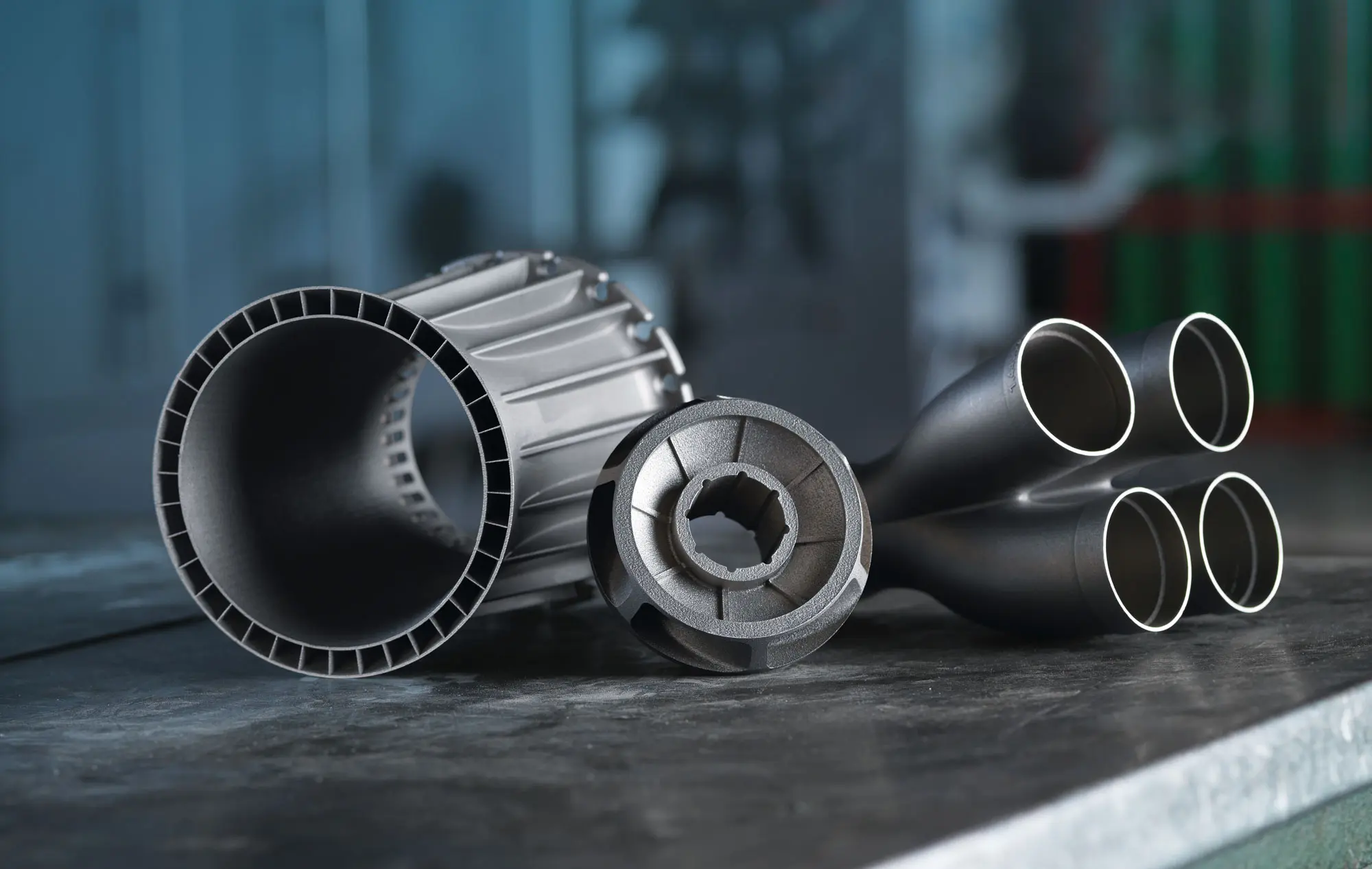
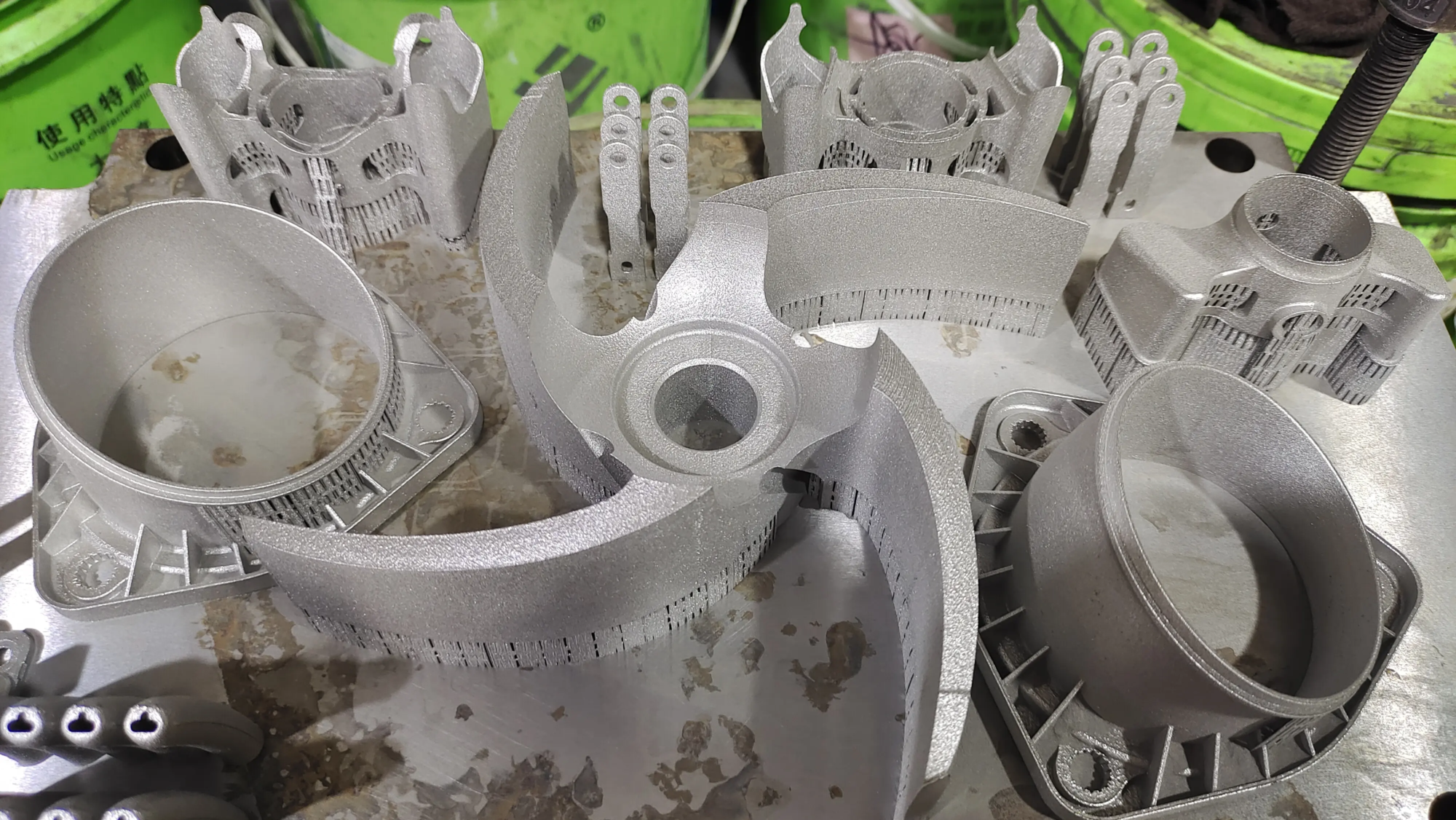
Professional options: For mission-critical prototypes requiring aerospace-grade aluminum, stainless steel, or complex resins—huge light Push precision beyond DIY limits. As a top rapid prototyping partner from China, GreatLight utilizes industrial SLM (selective laser melting) printers and automated post-processing to deliver complex functional parts in titanium, Inconel® or medical-grade alloys. Their one-stop finishing (CNC milling, polishing, coating) ensures metallurgical integrity for industries such as automotive and biotech.
Whether crafting a hobbyist wonder on the wall or outsourcing production of key components –Customize smarter and at scale.
FAQ: Wall-Mounted 3D Printing Revealed
Question 1: Will wall mounting void my printer warranty?
Answer: It is possible – combine mounting points conservatively to avoid structural modifications. Please contact the manufacturer for a “customizability” statement.
Question 2: How much weight can typical drywall support?
A: Only 5-10 pounds per anchor! Always mount to studs using steel-to-steel connections (50 lbs maximum per stud).
Q3: Can the CoreXY printer be easily mounted on the wall?
Answer: Yes! Their boxed frames are naturally resistant to resonance – perfect for vertical orientations.
Q4: What is the biggest safety hazard?
Answer: Falling debris. Install the fire shield under the print head and line suppression solder joints.
Q5: Do professionals like Hong Laite accept DIY design files?
A: Of course – submit STP/SLDPRT files for DFM analysis through their platform. Features include lattice filling of voids or EBM repair of turbine blades.
Q6: Will installation affect printing accuracy?
Answer: Probably during a resonance event. Use a gyro sensor (for active compensation) or PID to adjust the extruder to mitigate this.
Ready to optimize your workflow? Transform walls into innovative skeletons—or partner with GreatLight For ultra-real prototyping genius: [Insert Business Call-to-Action Link].