The Final Guide to 3D Printing Warhammer 40k: From Files to Battlefield Glory
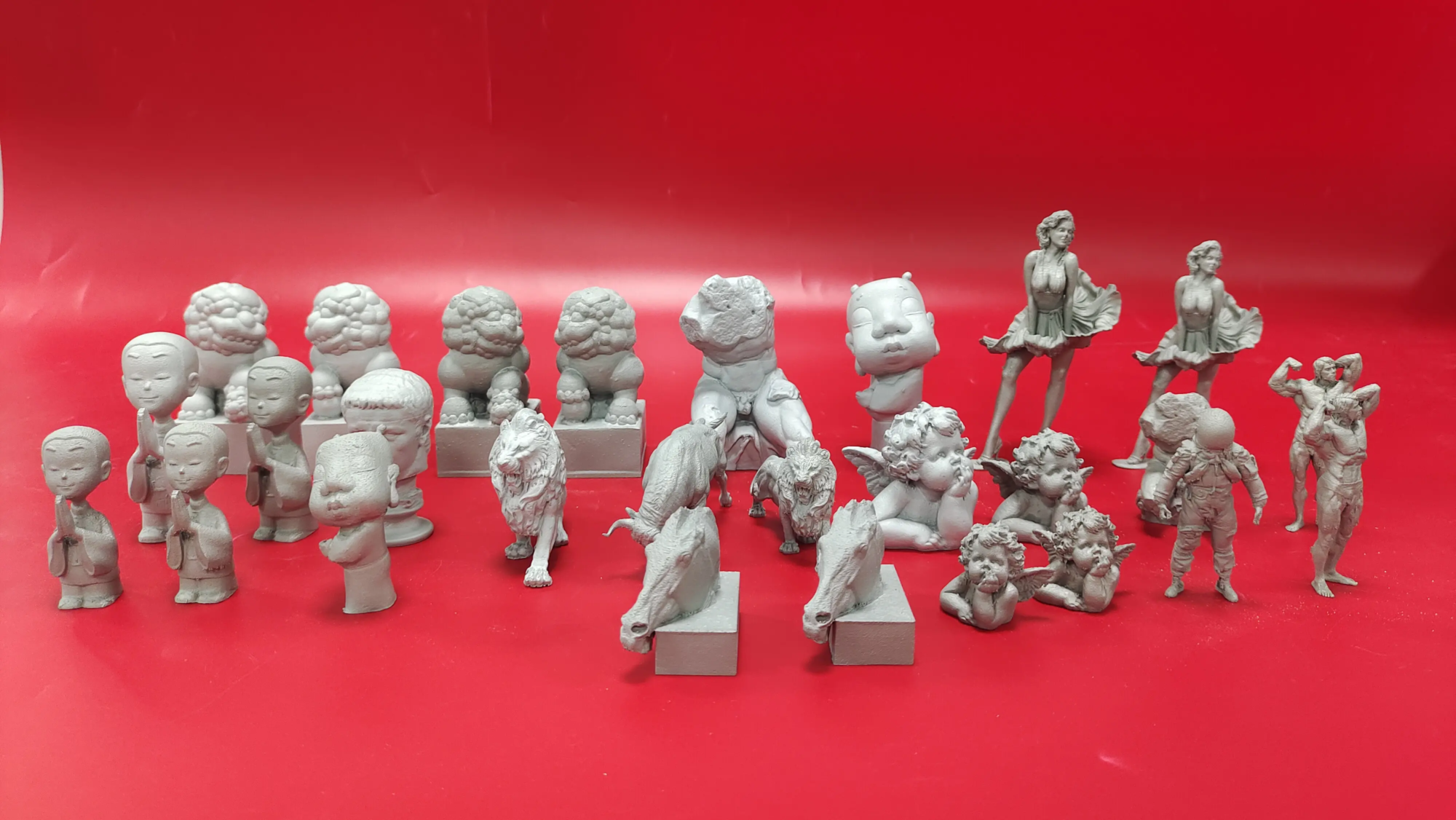
The grim darkness of the distant future requires powerful warriors, terrifying Xenos and huge war machines. For Warhammer’s 40,000 enthusiasts, building a personalized army is a core passion. While traditional mini kits occupy supreme domination, the advent of 3D printing unleashes a creative revolution that offers unprecedented customization, cost savings, and the thrill of bringing truly unique models to life. However, browsing the world of Warhammer 40k 3D printing – from finding the right files to achieving perfect results – is probably as complex as the bureaucracy of the empire. This comprehensive guide illuminates the path, covering everything from file sources and printing technology to the change potential of professional rapid prototyping services.
Part 1: Procure Your Digital Legion – Find Warhammer 40k Print Files
The journey begins with a digital blueprint. This is where you can see, but please trample carefully:
-
Community Center and Markets:
- Thingiverse & Cults3d: A large number of free and paid STL repositories. Search terms similar "Space Marine Corps Agent," "Necron alternatives," or "Imperial Guard STL" Yield results. Crucial: Finding the creator’s focus "agent," "Count – Yes," Or original design inspired by 40k aesthetics, Not direct copy. The quality varies greatly.
- Dedicated micro-sites: Platforms like Myminifactory typically host high-quality high-end files from talented designers, explicitly creating proxy microcosm for desktop warfare.
- Patreon & Tribes: Many talented artists publish exclusive monthly collections or early access designs through subscription platforms.
-
Understand copyright and legality: This is the most important thing. Warhammer 40k characters, symbols, logos and unique designs are the intellectual property of the game workshop.
- Avoid direct copy: Downloading or printing a file is an exact copy of the official GW model is copyright infringement.
- Focus on "Count – Yes" And original design: Legal documents provide recognizable aesthetics (Gothic, Grimke) and unit types (Power Armor, Tyranid Biooforms), but with unique original sculptures designed to represent units in your game.
- Respect the creator: License to purchase paid documents. Do not distribute the documents you want to purchase.
- Key file format:
- STL: General standards describe surface geometry.
- OBJ: Similar to STL, color information may sometimes be included.
- 3MF: An increasingly popular format that can bundle model data, textures, and print settings more efficiently than STL.
Part 2: Preparing the Great Crusader – Printer, Settings and Slicing
Choosing the right tool and adjusting it correctly separates the ready microscope from the resin spots.
-
Printer type is crucial:
- Resin (SLA, MSLA, DLP): The indisputable miniature king. Provides excellent detail, smooth surfaces and minimal visible layer lines, which are critical to capturing the complexity of space naval armor or Eldar runes. Resin treatment required (toxic, IPA bath and curing required), good ventilation and protective equipment.
- FDM (Filament): It’s easier to access and clutter, but struggles a lot on the details needed for the 28mm-32mm scale miniature. It is mainly suitable for larger terrain, tanks or larger monsters with less critical details.
-
Slicing software proficiency:
- tool: Chitubox, Lychee Slicer (for resin) or prusaslicer, Cura (FDM/resin). These convert your 3D model into layer by layer instructions (G code) to the printer.
- Key settings for resin microscope:
- Layer height: 0.025mm -0.05mm (lower = details, longer printing time).
- Exposure time: Depending on the resin brand/color and printer, there are huge differences. Tested using an exposure calibration model.
- support: Basic! Automatic support is a start, but requires manual improvement. Ensure support connects to sturdy points without damaging critical details. The tip direction is crucial.
- Hollow: For large models, the use and weight of resin is greatly reduced. A drainage hole must be included.
- Antioxidant: Smooth jagged edges. Use it!
- File verification: Check for holes, non-pulsed edges and inversions using tools in slicers or specialized software such as 3D builders or Meshmixer. Fix the error before printing.
Part 3: Mobilizing the Workplace – Printing Process and Troubleshooting Kryptman-Class Disasters
Success depends on meticulous setup and problem solving:
-
Printing ceremony (resin focus):
- Flattening construction board Perfect.
- Ensure the VAT membrane is clean, scratch-free and proper tension (MSLA/DLP).
- Thoroughly mix the resin. Temperature stability (25-30°C) is crucial for consistent results.
- Cut into models, export the G code, and transfer to printer (USB).
- Start printing. Monitor the first few floors closely.
- Printing is critical: Wear nitrogen-haired gloves in ventilated areas for protection and work.
- FAQs and Fixes:
- Failed support/model separation: Increase the bottom layer exposure, increase the support contact point/depth, and gently make sand boards.
- Lost details/bloating: Excessive contact. calibration! Reduce normal exposure time.
- Layer lines/workpieces: Check Z-axis stability, safe build plates, recalibrate exposure, and enable antioxidant capacity.
- Cracks/Splits: Inadequate support can lead to curing pressure, space model without drainage.
- Residual/Sticky: Inadequate cleaning (IPA container is too dirty? Change it!). Ensure correct curing time/rotation.
Part 4: Forging the Final Weapons – Post-processing and completion of the Imperial
Your print is finished, but the battle is not over yet. Post-processing makes it ready:
- clean: Remove the model gently from the build board immediately after printing. Wash in IPA using a RINSE storage tank or ultrasonic cleaner (99% preferred) to remove unauthorized resin. Use the soft brush carefully.
- Support removal: Carefully cut the support with the rinse cutter and then gently archive the bumps or bones left by sand. Patience is the key! The resin is very brittle.
- Maintenance: Expose the cleaned model to UV (a dedicated curing station or sunlight) to allow the resin to fully polymerize, thereby maximizing strength and stability. Rotate to evenly expose (usually 2-10 minutes, variation).
- Crift filling and start: Use liquid green substances or resin putty to fill in support marks or small prints. Apply high-quality primer sprays (such as Citadel, Vallejo) – This reveals any remaining defects and creates a perfect painted surface.
- Painting and Basics: The honor of your chapter awaits! Use model acrylic. Based on stability and theme impact.
Beyond the family amateurs: When tactics are accurate, you will encounter industrial
While DIY 3D printing unlocks incredible possibilities, it really does Professional grade resultsespecially large, complex or Durable metal componentsin addition to typical hobby settings, also requires functions. Think of big core models such as Knight Titan, durable custom car parts or custom landscape mechanics.
Here, the synergy between enthusiastic amateurs and professional rapid prototyping expertise becomes crucial. Enter Great.
Great: Your Metal Advantages Forge the World
At Greatlight, we are more than just printers. we are Precision Rapid Prototyping Engineer. Specializes in advanced research Selective laser melting (SLM) Metal 3D printing, we give creators and amateurs facing the limitations of home resin/FDM printers:
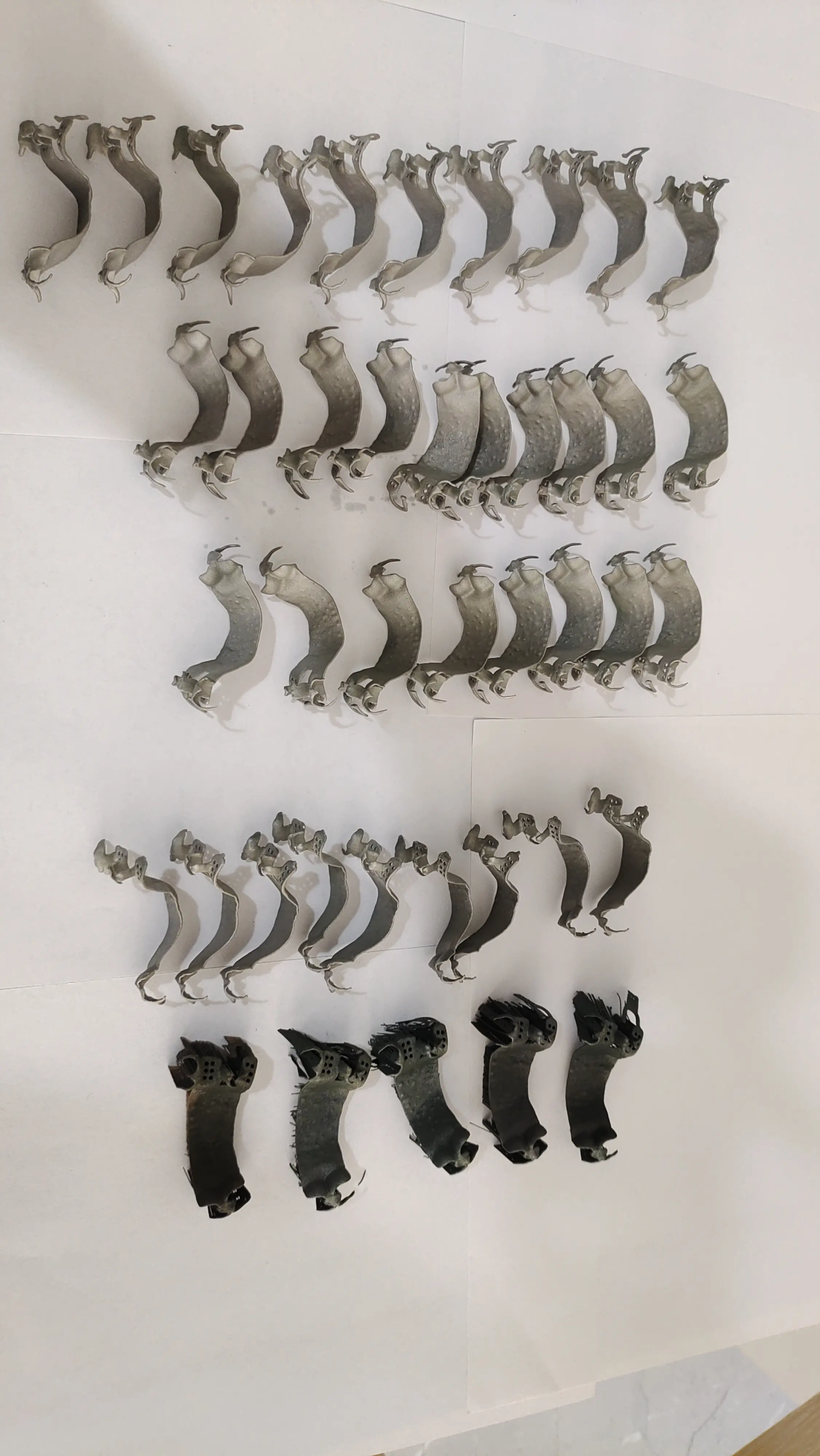
- Advanced SLM technology: With industrial grade SLM printers, we fuse high-quality metal powders (such as aluminum, titanium, stainless steel, tool steel, inconel) together and use powerful laser layers. This creates special parts Detail resolution Competing for larger elements, Superior power,,,,, Durability,,,,, Heat resistanceand Complex geometric shapes Traditional processing or filament/resin printing is not possible.
- Professional post-processing proficiency: Great lighting provides comprehensive One-stop solutionmanage critical post-processing phases, such as:
- Accurate support for removal: Precision technology ensures damage to delicate features.
- Surface finish: By tumbling, polishing, bead blasting or processing to the desired RA value (even mirror surface).
- Heat treatment and stress relief: Ensure dimensional stability and material properties.
- Non-destructive testing (NDT) and dimension checking: Verify quality and tolerance (down to microns).
- Extensive material selection and customization: Need a component that can withstand continuous desktop processing or requires metal weight? We handle a wide range of aviation grade metals to tailor-made properties (strength, weight, corrosion resistance). Most materials can be used for custom orders.
- Solve the prototype challenge: Is your ambitious custom tank design buckled under resin? Do your Titans need a load-bearing metal core? We solve complex geometric shapes and demanding functional requirements to turn visionary agent concepts into tangible, robust reality.
- Speed and expertise: We deliver with our deep expertise in metal AM and established processes Quick turnaround No damage to quality. We understand the unique needs of creating functional and aesthetic displays/custom game pieces.
Forge your legend: Stop compromising vision and durability. Greglight combines cutting-edge SLM metal 3D printing with unparalleled post-processing expertise Provides precise miniature parts, game components and custom-made cores that last for war forever. Discover Gremight Advantage – Quote now or upload your designs now to unleash professional-grade metal capabilities on your desktop!
Conclusion: The future of war is printed
3D printing has irrevocably changed the landscape of Warhammer 40k hobby. It democratizes custom, fuel creativity and provides cost-effective alternatives, especially to forge a massive army. Master Crafts – Documents from ethical sources, with precise printing and diligent post-processing, the galaxy of possibilities can be opened. Although home resin printers are enough to meet countless micro needs, the cutting edge of durable, highly detailed metal printing is required for a wide range of models and custom components to require professional counterfeiting world features. By understanding tools, technology, and experts on professional requirements with Greatlight’s experts, your journey into the 41st Millennium will become infinite. Embrace digital manufacturers and conquer!
FAQ: Warhammer 40K 3D Printing Decoding
Q1: Is the 3D printed Warhammer 40k model legal?
Answer: Print Exact copy The copyright design of Games Worksop is illegal. Focus on legally available Agent or "Count – Yes" miniature – Inspired by aesthetics, but with a unique enough original artwork sold by STL creators and received a clear license for personal printing.
Q2: Resin and FDM: Is it really the best for Warhammer microscope?
one: Resin printing (SLA/MSLA/DLP) is most superior For the standard 28mm-32mm combat miniature. Detail resolution, surface smoothness, and ability to capture exquisite features such as faces, badges and weapon details are unparalleled by Filigree Printing (FDM). Mainly used in large terrain or vehicle hulls.
Q3: Why does my resin printing keep failing?
Answer: Ordinary culprits include: Incorrect bed,,,,, Incorrect exposure settings (calibration!), Insufficient/insufficient support for placement,,,,, Dirty or damaged FEP movies In the bucket, Temperature fluctuations (Resin likes warmth) or Post-processing issues (Incomplete cleaning/curing).
Question 4: Can I print micro without support?
A: Very few, only suitable for extremely simple, flat-bottomed shapes. 99.9% microscope Need custom support. Proper support for generation and removal is a key skill in resin printing.
Q5: How durable is 3D printing microcosm?
one: Resin micro: Reasonable game use durability, but can be brittle. Handle with caution, especially thin parts. FDM miniature: It’s usually harder, but lacks details. SLM metal prints (such as Greatlight): supply Excellent durability and weightsimilar to metal castings, far exceeding plastic or resin, is ideal for large displays or components.
Question 6: When should I consider a professional metal 3D printing service like Greatlime?
Answer: When the project requires:
- extreme Durability and lifespan For frequent processing models.
- complex Large model (Knight, Titan, Superbiota) Resin’s weight/strength failed.
- custom Mechanized components or Functional parts Metal properties are required.
- custom made Landscape/custom war elements Need for high intensity.
- Inaccessible details/facets Only through industrial SLM and professional post-processing.
Q7: What metals can be used to use Warhammer-related prints?
A: Gremight specializes in SLM printing High performance metal include Stainless steel (316L, 17-4 pH), aluminum alloy (Alsi10mg/scar), titanium alloy (TI6AL4V), tool steel and nickel alloy (Inconel). These provide unparalleled strength, weight and thermal properties. We guide the selection of materials according to your project’s needs.
Question 8: How to start with a custom metal printing project’s Greatlight?
A: Please visit Greatlight’s platform Upload your design file And outline your project requirements (materials, sizes, quantities, completions required). Our engineering team will provide expert DFM feedback, quotes, and guide you through the seamless process.