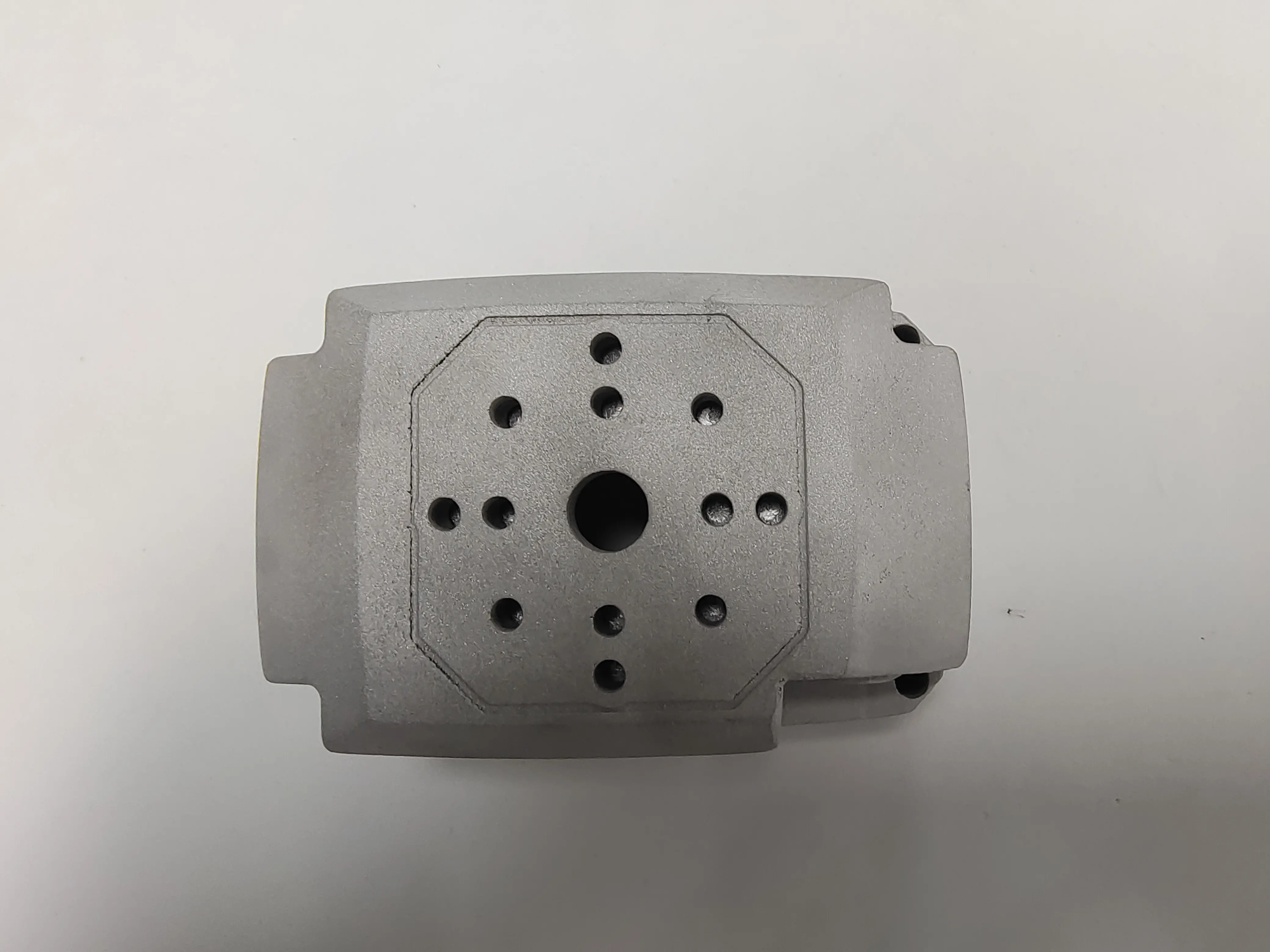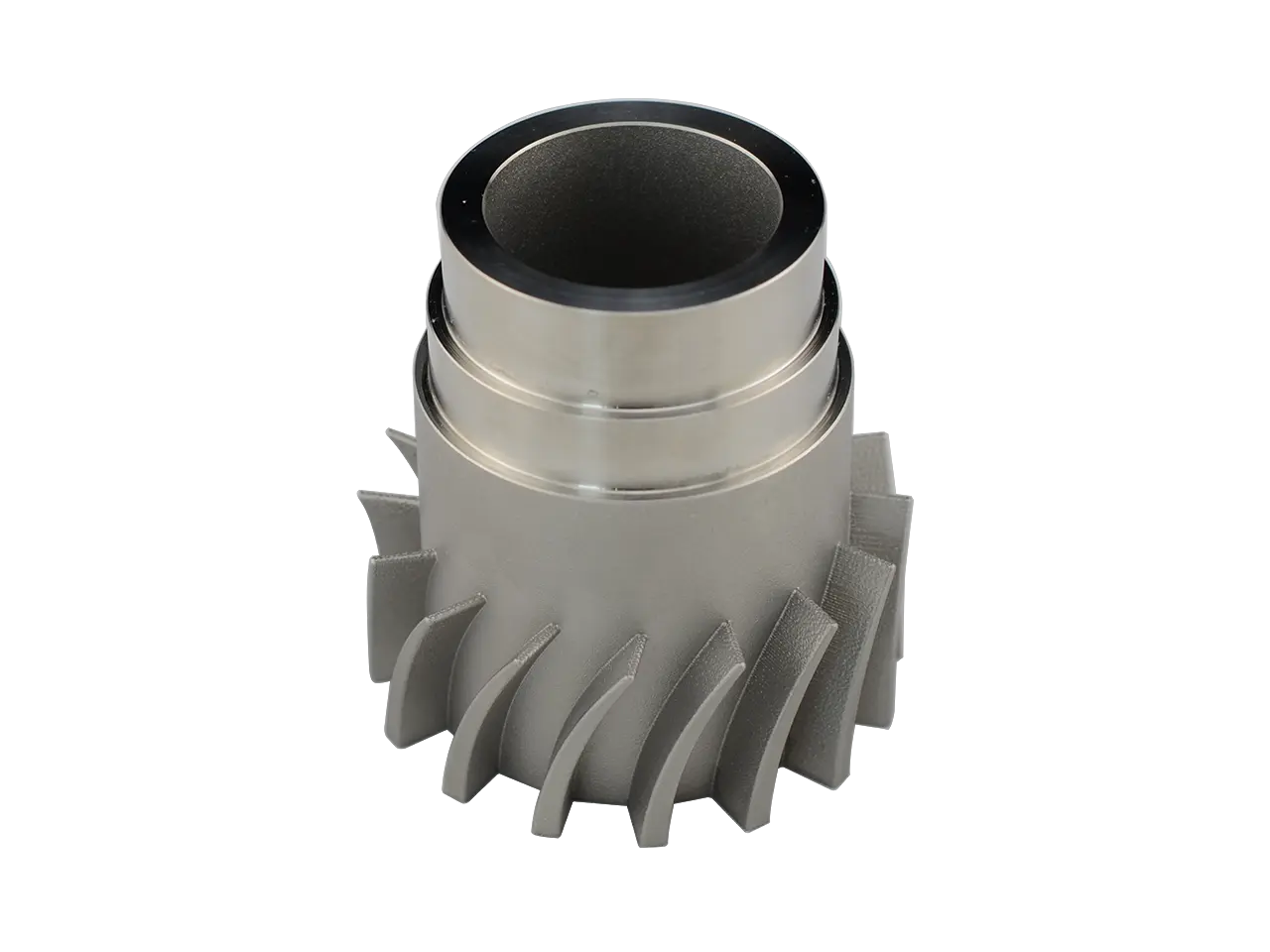
introduce
The ability of 3D printed parts to repel water is not automatic, which is an engineering challenge. Whether you are making boat components, medical equipment, fluid handling systems, or outdoor fixtures, life and functionality are guaranteed. At Greatlight, as a professional rapid prototyping manufacturer with cutting-edge SLM 3D printers and comprehensive post-processing solutions, we have mastered the art of transforming inherent porous prints into watertight assets. This guide delves into practical methods, substance selection and expert insights to effectively waterproof your 3D creation.
Why is 3D printing not waterproof by default?
3D printing builds objects layer by layer. Even with high resolution settings, microscopic gaps, layer lines and bonding pathways can compromise structural integrity. Factors such as fill density, layer adhesion and material hydrophobicity play a key role:
- Porosity: Microchannels for fused filament fabrication (FFF) or resin-printed blades.
- Material physics: PLA absorbs moisture; nylon wick water; even watertight resins also require post-processing.
- Design defects: Thin walls, unsupported overhangs or poor sealing interfaces can create fragility.
Methods for waterproof 3D printing parts
1. Design Optimization (Pre-printing)
- Thickened walls: Increase extrusion width and surrounding (3-5 layers) to reduce permeability.
- Sealing chamber: Design hollow parts with internal sealant plug.
- Avoid flat bottoms: DOMED base minimizes fluid cell at stress point.
2. Material selection
- Hydrophobic wire: PETG, PP and ASA are essentially resistant to absorbing moisture.
- Engineering Grade: For metal 3D printing, stainless steel (316L) or titanium provides corrosion resistance.
- Greglight Pro tips:Our SLM printers enable watertight aluminum or titanium parts with controlled laser fusion, which is ideal for marine use.
3. Post-processing technology
- Epoxy resin coating: Remove brushes or immerse parts from epoxy resin (e.g., XTC-3D). Ideal for PETG or PLA.
- How to operate: Apply 2 thin coats and cure between layers for 24 hours. The sand cures gently.
- Steam smooth: Acetone vapor dissolves the ABS/ASA layer and seals the microgap.
- warn: Ventilation chamber and temperature control (70-90°C) are required.
- Dipping: Temporary sealing is performed using WD-40, silicone spray or special acrylic flexible coating spray.
- annealing: Bake PLA at 60–80°C to make the material dense. Risk: Size shrinkage.
4. Advanced Industrial Solutions
- Metal plating: Electroplating printing with copper/nickel for permanent water walls.
- Chemical etching: Seal the nylon print with acetone-venous slurry.
- GRESTILLE ADVATICE: Our one-stop industrial post-treatment includes ultrasonic sealing and vacuum impregnation – perfect aerospace and fluid prototypes.
Choose the right waterproofing strategy
| method | The best | Durability | Adaptability |
|---|---|---|---|
| Wax/dime coating | Low-cost prototype | short term | PLA, PETG container |
| Epoxy resin | Medium sized parts | 1 – 3 years | Outdoor fixtures |
| Metal plating | High pressure parts | More than 10 years | Marine Hardware |
| Industrial Seal* | Aerospace/Medical | Eternal | Metal/Resin components |
*At Greatlight, we provide watertightness for critical applications such as hydraulic testing systems.
Professional Case Study: Valve Prototype
The customer needs a salt water-resistant valve. Our method:
- Printed in 316L stainless steel via SLM (optimized fill/laser setup).
- Post-treatment of ultrasonic annealing to shrink microfolds.
- For electropolishing of hydrophobic surfaces.
Results: 0 leaked at 15 psi within 72 hours.
in conclusion
Waterproof 3D printing combines science and crafts – material selection, design vision and precise finishing to determine success. For amateurs, DIY paint is enough for use at will. However, mission-critical industrial components require strict requirements: thorough prototyping, advanced materials and specialized treatments. Greglight Bridges this gap. With expertise in metal SLM printing and industrial post-processing, we solve complex waterproofing challenges, delivering proven, ready parts faster than traditional methods. Don’t risk damaging fluids; exercise elasticity in the next prototype.
FAQs on Waterproof 3D Printing
Q1: Can I 3D print waterproof resin?
Absolutely. UV resins benefit from thin layers of transparent epoxy resin or optimized vapor polishing; industrial UV cured parts are eliminated by immersion in micropores.
Q2: Is PLA waterproof? Can it survive outdoors?
It is well known that PLA absorbs water and degrades in ultraviolet/extreme temperatures. Coat with epoxy/UV resistance spray, but avoid direct exposure to water.
Q3: How do you test whether 3D printing is waterproof?
Immerse it in stained water or pressurized air at 5-20 psi to monitor the bubbles. Greatlight uses an automatic vacuum permeability tester to prove the parts.
Q4: There "Waterproof" Thin filaments?
Filigree moisture elasticity: PETG> ASA/ABS> PLA. However, untreated printing will leak at the seams without proper sealing.
Q5: Why did my 3D printing leak after sealing?
Common reasons: Pressure cracks or degraded sealants due to insufficient coating coverage, persistent micro gaps in the UV environment.
Question 6: How does Greatlight ensure waterproof in SLM metal parts?
We control porosity by optimizing the laser melt pool and applying sealing seals by vacuum impregnation. The built hips (hot isometric pressure) can ensure the hole collapse.
Question 7: Are there any food-safe paints?
There are FDA-approved epoxy resins (such as MAS Pennecoat), but 3D-printed parts are still challenging due to difficult-to-clean layer lines. First check local regulations.
For custom waterproof prototypes, uncompromising integrity is required –Contact Greglight. Our fast prototype solutions combine speed, material versatility and industrial post-processing to turn vulnerability into advantages.