Riding the wave: How 3D printing is revolutionizing fin design and performance
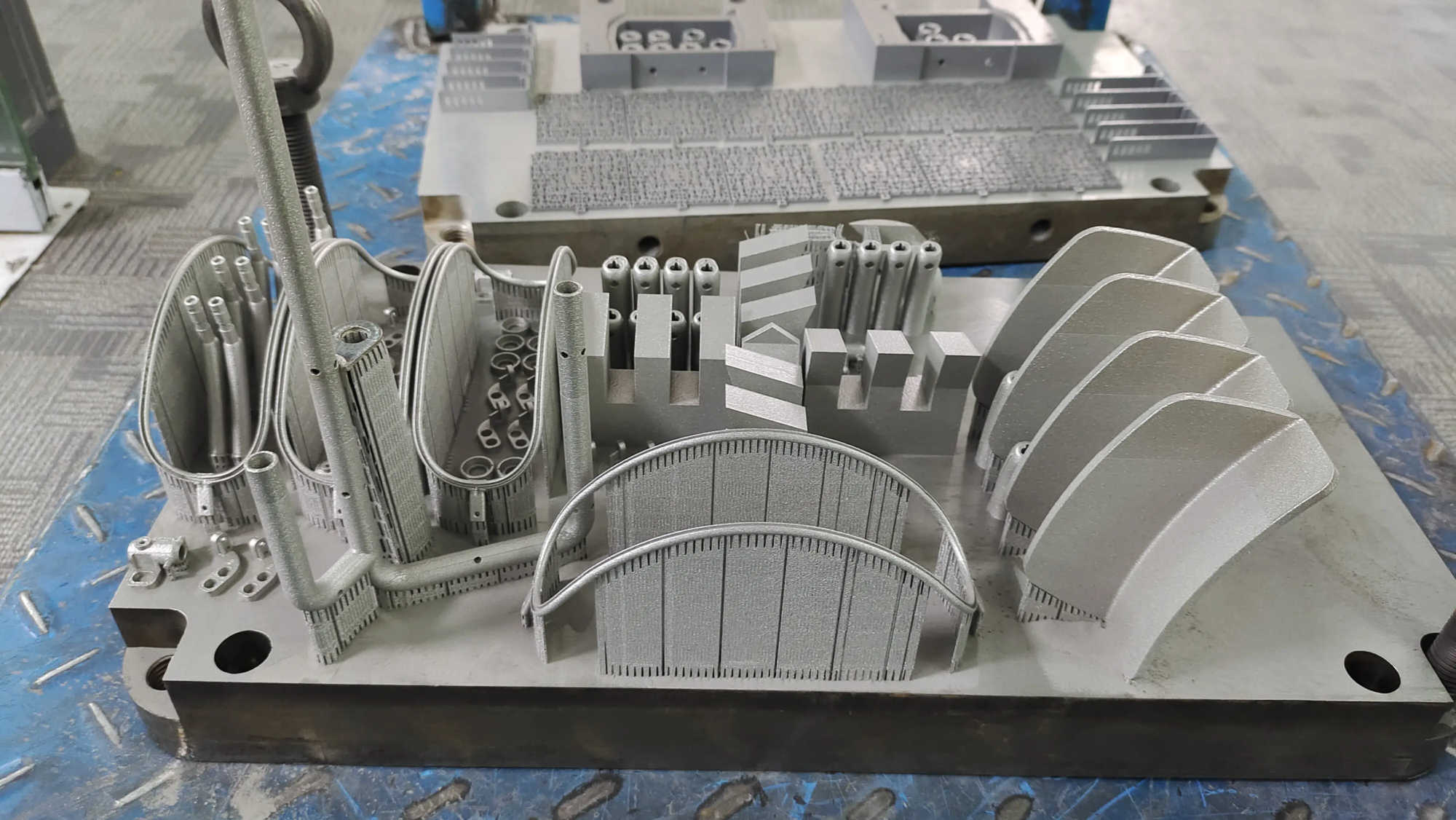
The rhythmic splash of a surfer as he turns, the silent glide of a diver as he descends – fins are an indispensable tool for interacting with the aquatic world. Traditionally manufactured by forming, machining or lamination techniques, these vital components are undergoing a profound transformation. Introducing Wave Tech: 3D printed fins using advanced manufacturing technologies like Selective Laser Melting (SLM) to unlock unprecedented possibilities in customization, performance and speed. At the forefront of this revolution are huge lightleveraging its expertise in rapid metal prototyping to push the boundaries of what a Prologue can define or endure. The relentless pursuit of hydrodynamic perfection.
Beyond molds and blanks: the power of additive manufacturing
Wave Tech fundamentally changes the way fins are conceived and manufactured. Instead of being limited by molds, subtractive machining or manual layering, 3D printing builds complex fin shapes layer by layer directly from digital design files. This digital-first approach has several key advantages:
-
Unparalleled freedom and customization: This is where Wave Tech really shines. Complex internal lattice structures that were impossible to achieve with conventional methods can now be achieved. These lattices can be precisely controlled:
- Flexible mode: Different areas on the fins can be programmed to achieve different degrees of stiffness (longitudinal and torsional). The part near the base is softer for powerful propulsion and the part near the tip is softer for smoother release.
- buoyancy: Use an internal lattice or controlled porous structure within the shell to fine-tune the buoyancy characteristics of the entire fin surface.
- Weight distribution: Optimize swing weight and responsiveness.
- Water flow and release channels: Integrate grooves, channels or special surface textures directly into the core structure to control water flow over the fin surface, thereby increasing efficiency and reducing drag.
-
Materials Science Innovation: While polymers are common in recreational fins, Wave Tech utilizes Metal Additive Manufacturing For high performance applications:
- Metal: Titanium alloys have incredible strength-to-weight ratio and fatigue resistance. Aluminum alloys offer lighter weight solutions. Stainless steel offers excellent corrosion resistance and durability. The metals are processed using industrial-grade SLM printers, which selectively fuse metal powder particles with laser precision.
- Advanced Polymers: Durable, high-performance polymers (such as PEKK, PEEK, ULTEM) can also be printed to provide reliable alternatives for specific applications.
- Potential for multiple materials: There is potential in the future to print fins that combine different metals or to strategically integrate polymers within metal structures.
- Performance-optimized rapid prototyping: This is the core advantage of Huileite. No need to wait weeks for tools or expensive CNC setup:
- Design verification: Functional prototypes using representative materials can be printed in days, allowing surfers, divers or engineers to iteratively physically test and refine designs forward Committed to expensive production runs.
- A/B testing: Quickly create subtle changes (e.g., foil contour adjustments, bend pattern changes, foot pocket ergonomics) and rigorously test them continuously.
- Small batch agility: Requires a small amount of running