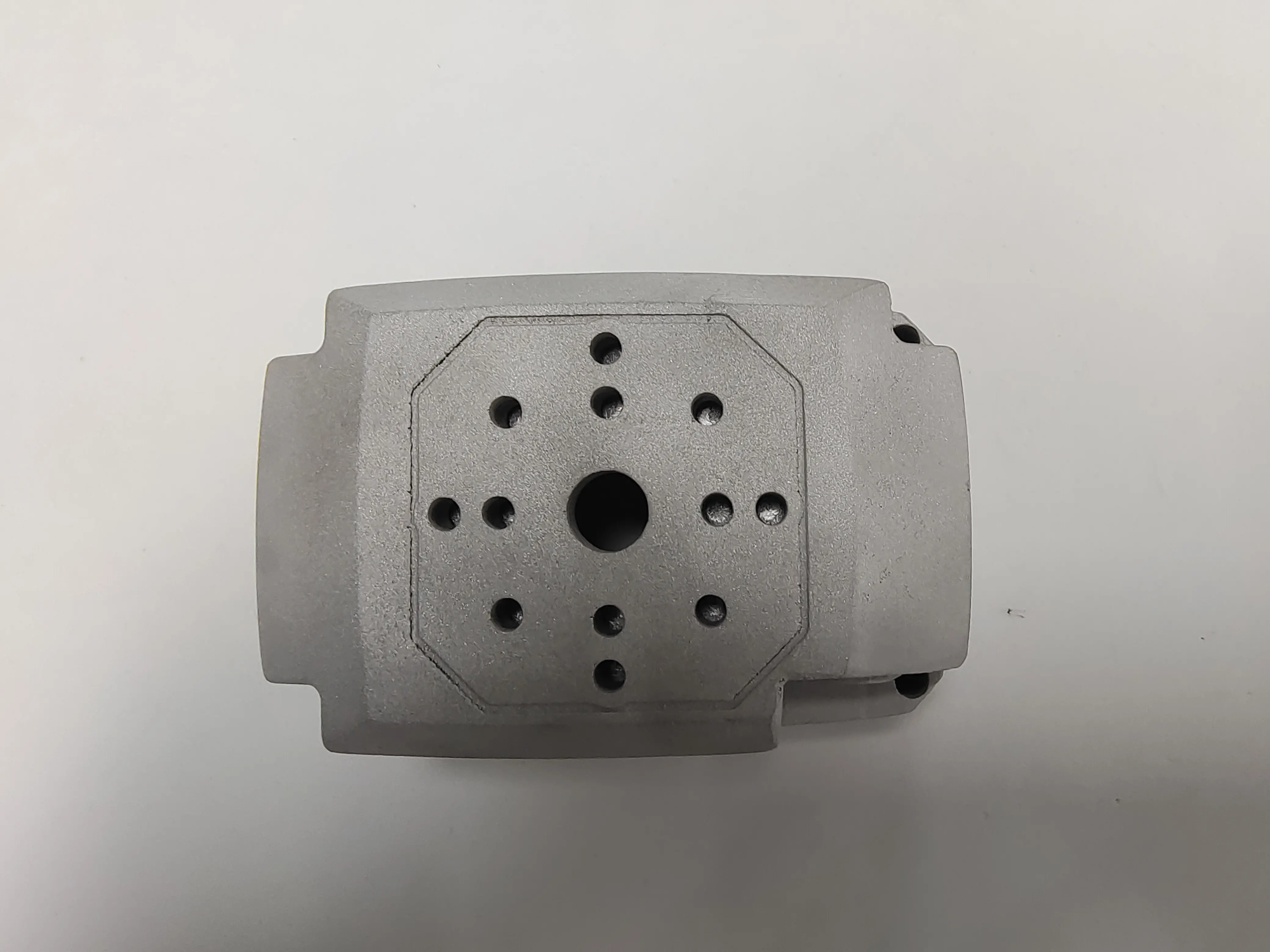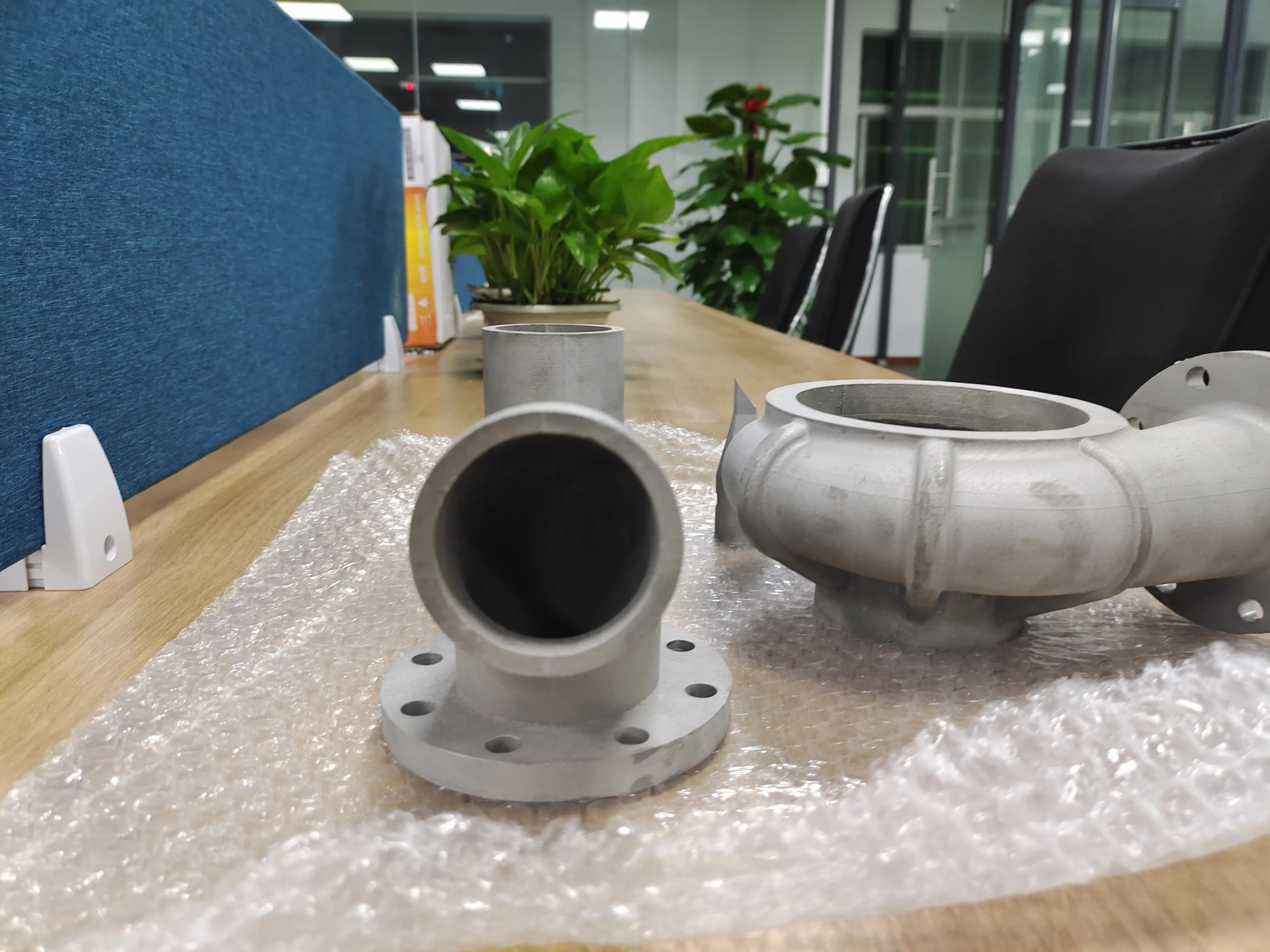
In the world of 3D printing, especially when utilizing advanced technologies such as selective laser melting (SLM), the orientation of the printing can seriously affect its quality, durability, and overall success. Among the various strategies for optimizing prints, printing inverted printing has attracted attention due to its unique benefits. But why do some people choose to print objects in this way? Understanding the motivations and advantages behind this approach requires in-depth study of the details of the 3D printing process and the challenges it faces.
For professionals and amateurs, the main goal of any print is to achieve the desired shape, structure and quality with minimal flaws. However, challenges such as twisting, rupture or forming unwanted support structures can damage the integrity of the final product when printed with certain materials (especially metals of SLM). Here, inverted printing can provide a solution.
Printing inverted can help alleviate some of these problems. For example, when processing materials that tend to be distorted or deformed due to thermal stress, changing the printing direction can minimize these effects. By printing inverted, warping may be less noticeable and may also occur in a direction that is not conducive to the function or aesthetics of the part. This is particularly beneficial for parts with specific geometric requirements or thin features that are prone to deformation.
Another important advantage of inverted printing is the reduction of support material. In traditional 3D printing orientations, certain functions (such as overhangs, bridges, or cavity) need to create support structures to prevent them from sagging or crashing during printing. These support not only increases material and increases printing time, but also leaves marks or scars on the surface of the part. By printing inverted, some of these features can be oriented in a way that no longer needs support, simplifying the post-processing phase and preserving the surface of the part.
The strategy of reverse printing also opens up new possibilities for design optimization. Engineers and designers can use this approach to create complex geometric shapes or internal structures, and traditional printing orientations will be impossible or impractical to achieve. This could lead to innovative solutions in areas such as aerospace, automotive and biomedical engineering, where lightweight but powerful or refined parts can be created that can provide significant performance advantages.
In addition, advanced 3D printing technologies, such as those provided by professional rapid prototyping manufacturers such as Greatlight, further enhance the potential of inverted printing. With state-of-the-art SLM equipment and complex production technologies, the accuracy and consistency required for such complex printing strategies can be reliably achieved. Additionally, the ability to customize materials and provide one-stop post-processing and finishing services ensures that the final product meets the highest standards of quality and functionality.
In short, printing inversion is a valuable strategy in the arsenal of 3D printing technology. By reducing warpage, reducing the need for support structures and achieving complex geometry, this approach can significantly improve the results of 3D printing projects. Whether it’s for professional applications that require the highest accuracy and reliability, or innovative designs that push possible boundaries, understanding the reasons and ways of printing is crucial for anyone looking to leverage the full potential of 3D printing technology.
FAQ:
– Q: What is the main reason for printing upside down in 3D printing?
A: The main reasons include reducing warpage, minimizing the need for support structures, and the ability to create complex geometric shapes.
– Q: Using all types of 3D printing materials to print inverted work?
A: While this method may be beneficial for many materials, its effectiveness may vary depending on the properties of a particular material (such as thermal expansion and viscosity).
– Q: Is there any particular industry that reverses printing more beneficial?
A: Yes, industries such as aerospace, automotive and biomedical engineering can benefit especially through complex geometric shapes and optimized structures, which can be achieved through upside down printing.
– Q: Do I need special equipment to print inverted?
A: While standard 3D printers can be used for reverse printing, advanced devices with precise temperature control and building platform stability can provide better results, especially with metal printing technologies such as SLM.
– Q: How does inverted printing affect the post-processing phase of 3D printing?
A: It can significantly reduce the need for removal of support and related surface finishing operations, thereby simplifying the post-processing phase and preserving the surface integrity of the part.