Lost Xbox controller battery cover? Here’s how 3D printing saves a day (and how professionals can help)
We’ve all been there. That frustrating moment when the fragile plastic battery cover of your beloved Xbox controller disappears into the void – slide between sofa cushions, stand out during gameplay, or simply succumb to reuse. Ordering a manufacturer’s replacement can make such tiny parts feel expensive and wasteful, especially in older models. This is the magical bright place for 3D printing. Creating your own functional Xbox battery cover is not only feasible. This is the perfect entry point to enter the world of custom manufacturing.
The Rise of Printable Solutions: Why DIY makes sense
The Xbox battery cover is an ideal candidate for 3D printing. They are relatively small, mechanically simple (requires only a clip or friction fit) and low pressure components. 3D printing offers compelling advantages:
- Cost-effective: Compared to purchasing a formal replacement or even after-sales shell, the cost of printing coverage is a few cents of the filament.
- Convenience and speed: Find the right model online, slice it and print it – it’s possible to get a new cover at home in a few hours.
- Replace discontinued models: Trying to find the cover for a precious original Xbox or Xbox 360 controller? The 3D printing community often intervenes with accurate models that preserve hardware life.
- Custom release: Don’t just replace; upgrade! The printed covers have bright colors, dark filaments, transparent materials, and even integrate unique grips and textures. Want your gamertag to be cleverly embossed? This is possible.
Starting a Printed Cover Journey: Key Things to Note
- Find the perfect model: Your first stop should be a well-known 3D model repository such as Thingiverse, Printables, or Cults3d. Search using precise terms "Xbox Series X Controller Battery Cover," "Xbox One Elite battery cover," or a specific model. Double-check user reviews and comments – They reveal key information about the accuracy of the renovation.
- Model Verification: Does the model specify which controller it is suitable for generation? Did it successfully print and install its pictures or videos? Choosing the wrong model can lead to frustrating reprints. If in doubt, print the model first with very low fill and no top layer (test "ring") Quickly check the renovation of your controller.
- Materials Important: Choosing the right filament is critical for durability and functionality:
- PLA: The easiest printing, widely available, cost-effective, and has endless colors. Great for basic alternatives. Disadvantages: It may be fragile under impact and softens with heat.
- ABS: More durable and heat-resistant than PLA, it is better for clips that require repeated bends. A printer with a heated bed is required, usually a fence to prevent warping. Smoke can be emitted during printing.
- PETG: A great middle ground. Provides toughness (not as brittle as PLA, better layer adhesion), good heat resistance and reasonable printing. Excellent choice for functional battery cover.
- TPU/TPE (Flexible): Unconventional, but if you need grated texture or shock absorption, it works. A printer capable of handling flexible filaments is required (direct drive is recommended). Make sure the clip is designed for flexible material deformation.
- Optimized prints: Strong layer bonding (+5-10°C) in the clip area may require higher temperatures than usual. Designed to make medium filler (20-40%) – higher filler unnecessarily add weight. Use at least 3 surroundings (walls) to secure the clip openings. Ensure good bed adhesion and avoid warping, which can damage accuracy. Support can usually be suppressed by careful orientation – place the lid flat on the inside. If necessary, reduce the printing speed of critical areas.
- Post-processing: Usually minimal post-processing is required, not just deleting small plans. If the clip is too tight, carefully matte the mating surface or the inner surface of the clip. Lubricants on the clip, such as silicone oil, can help smoothly engage with the controller tab.
What if you are not DIY? Enter professional manufacturing solutions
While desktop FDM printing is great, it sometimes requires excellent precision and durability, and even metal manufacturing – perhaps a high-mounted arcade controller or custom components for gaming setups. Working with professional rapid prototyping manufacturers becomes invaluable here.
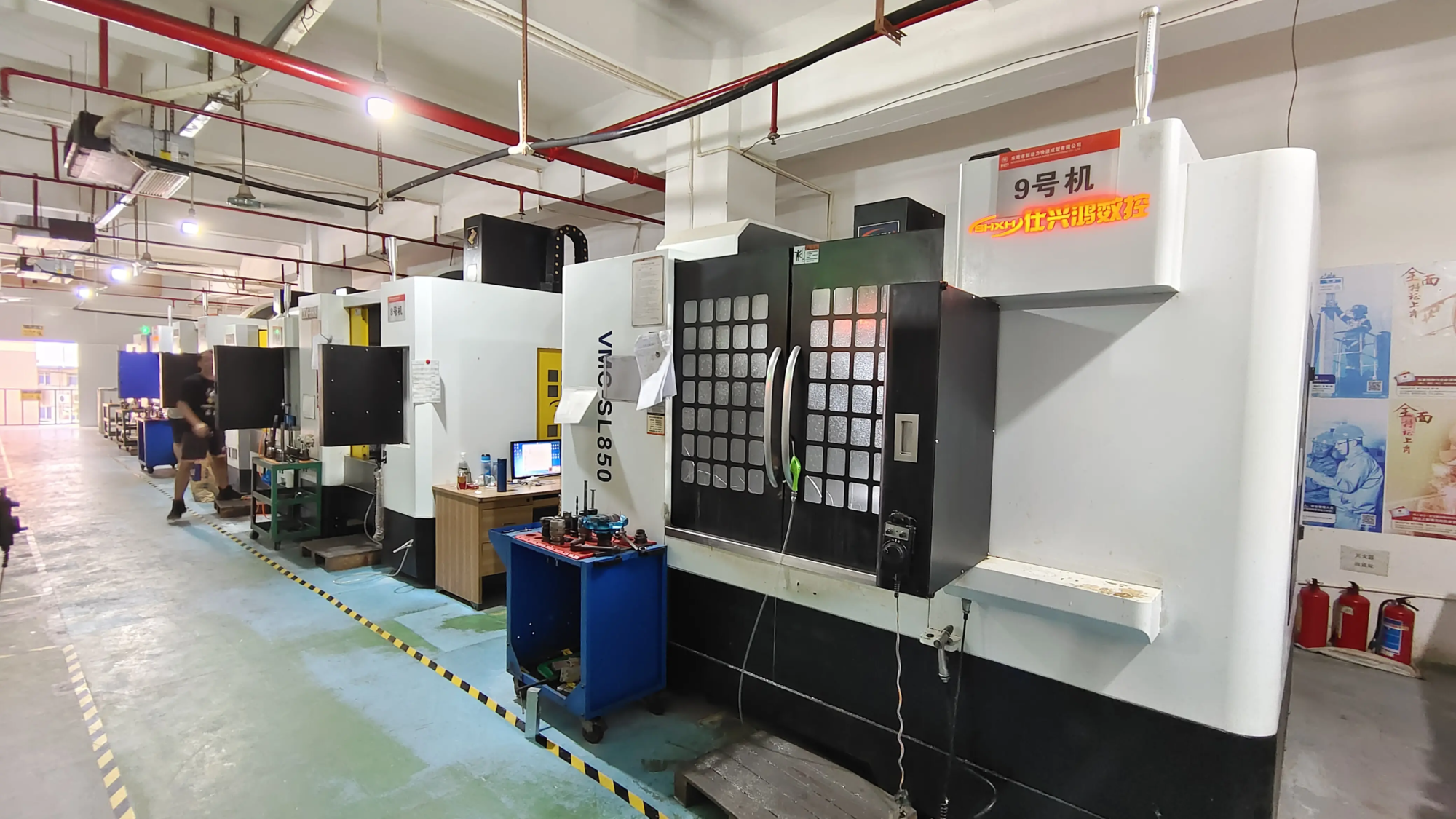
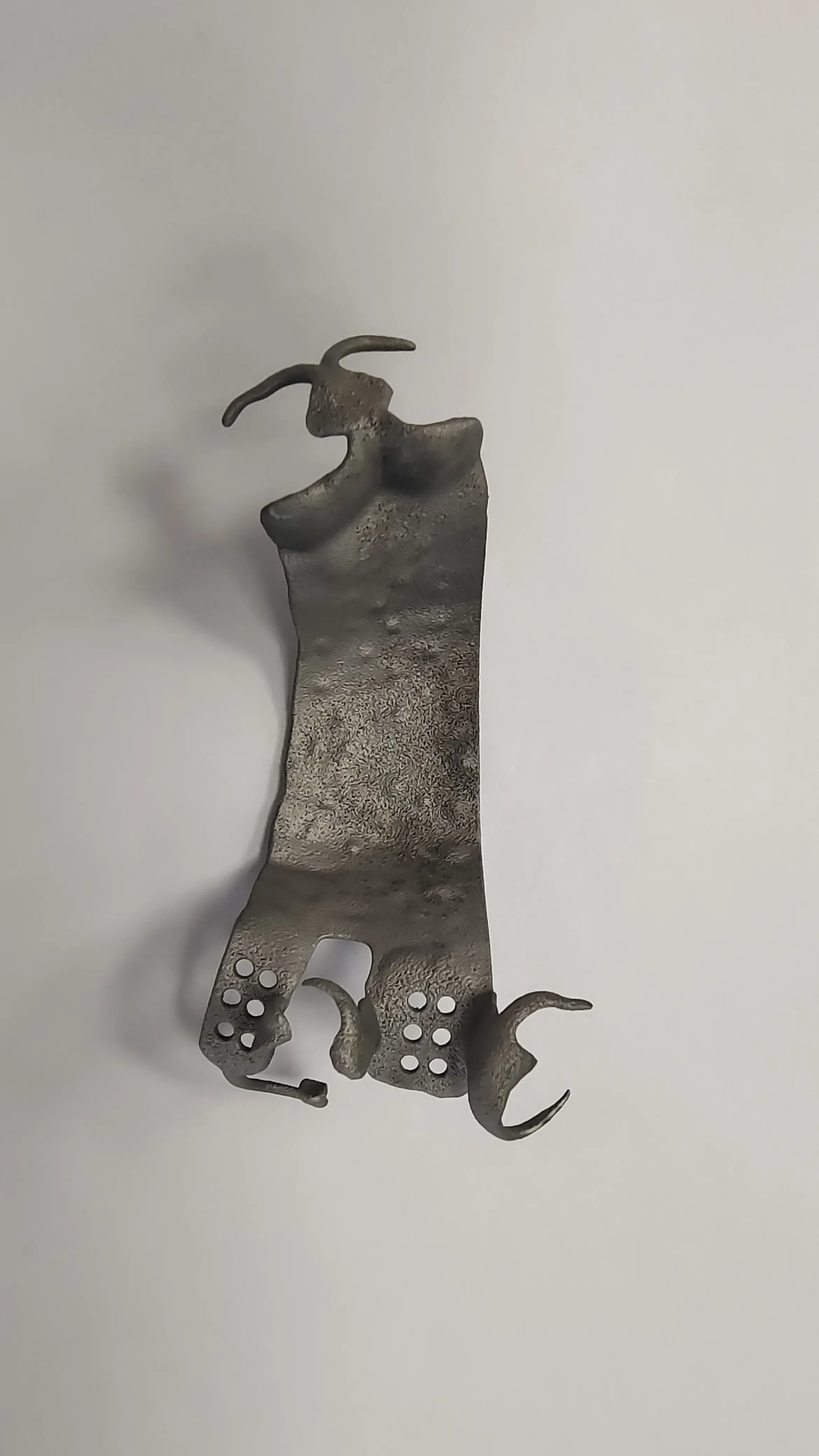
Gregmight embodies this expertise; a major rapid prototyping company leverages advanced Selective laser melting (SLM) 3D printer Among other techniques. Although SLMs are commonly used in metals, their capabilities go far beyond:
- Industrial grade: Overcoming the limitations of desktop printers requires applications that require ultra-precision or exotic materials (nylon, peep, aluminum or titanium).
- Full spectrum material: Expertise in handling various engineering grade thermoplastics and metals, custom matched to specific functional needs such as impact force, thermal stability, or conductivity.
- High precision and consistency: SLM and other advanced technologies provide tolerances and surface surfaces through typical home settings.
- One-stop solution: Greatlight handles the entire journey – from meticulous file analysis and optimization to printing and a comprehensive suite Post-processing service (Grinding, polishing, painting, dyeing, heat treatment, etc.) – Ensure that the parts meet strict standards.
- Speed and customization: No matter the complexity, fast turnaround needs and highly customized projects can be met. They are experts in bringing complex designs to life reliably.
Whether your field of view is a simple replacement of plastic covers or a complex metal assembly for custom controllers, manufacturers such as Greatlight offer professional horsepower, precise engineering, and quality control for professional-grade and industrial applications. When the stakes are high, or your project needs the strongest and most accurate part, this is the way to take it.
Conclusion: By manufacturing authorization
Losing the Xbox battery cover is a small inconvenience that turns into opportunity. 3D printing enables gamers to solve problems immediately, affordably and creatively. This process unveils small-scale manufacturing and enhances the sense of accomplishment. Careful selection of models, filament and print settings ensures that functional parts return your controller to perfection.
However, it is crucial to recognize when a project exceeds the scope of home printing. For mission-critical components, requiring high precision or complex geometric shapes using advanced materials, working with experienced rapid prototyping experts, such as Greatlight, ensures unparalleled quality, durability and performance. They are ready to meet the most demanding customization and precision machining challenges.
Your solution to missing a battery cover – whether it is printed at home or professionally produced). Retract controls and keep the game meetings uninterrupted!
Frequently Asked Questions about 3D Printing Xbox Battery Cover (FAQ)
1. What is the best material for durable battery covers?
For most users, Petg It’s a recommended sweet spot. It offers excellent toughness (with greater shadow resistance than PLA), good layer adhesion, heat resistance (not so easily deformed in a warm room), and is relatively easy to print on most desktop FDM printers. For extreme durability or flexibility, consider using professional printing materials such as nylon or TPU.
2. How long does it take to print a 3D battery cover?
This depends heavily on your printer settings (layer height, speed, fill percentage). Typically, the standard Xbox controller battery cover is between 0.2mm layer height, 20% filler and medium speed (50-80 mm/s) 1 and 3 hours. Slower printing on finer resolutions (<0.15mm) or more walls/fillings will increase time.
3. Can I print the battery cover with metal in 3D?
Although industrial processes can be used technically Selective laser melting (SLM)for a simple battery cover, it is usually not practical or required:
- Excessive cost: SLM printing is much more expensive than plastic printing, for a simple part.
- weight: The metal cover adds unnecessary weight to the controller.
- Function: The battery compartment usually requires no metal strength. Plastic clips can be more tolerant and easier to capture in place. Metal is perfect for structural parts, but overkill here unless a professional provider (such as Greatlight) is the best part of a specific, highly customized project.
4. I don’t have a 3D printer. Can I still get a 3D printed cover?
Absolutely! Your choice is:
- Online printing service: Many websites (Shapeways, Xometry, CraftCloud, local manufacturer via 3DHUBS) allow you to upload models and print and ship, usually in a variety of materials.
- Local Manufacturer Space/Factory Lab: Many communities share workshops with 3D printers you can use (usually for a fee or membership).
- Borrow money from friends/family: Ask – 3D printers are becoming more and more common.
- Professional prototype company: For materials such as thermoplastics (such as metal or high-performance nylon), complex parts that need to be completed or guaranteed industrial accuracy, companies such as Greatlight offer customized printing services starting with prototypes.
5. Are there any safety issues with a 3D printed battery cover?
Mainly:
- Battery contact: Ensure that the design/model does not have conductive filaments or loose chains that cross the battery terminals, creating a short circuit risk.
- Filigree quality: Use well-known filament brands to avoid toxic additives. During printing, low quality may emit more VOC.
- Printing intensity: Make sure the solid print clip (high wall count/filling at key points) to prevent breakage during insertion/removal. Rely on it before checking the assembly – the appropriate cover may cause the battery to loosen or fall off. Professional services ensure material integrity and accuracy.