introduce
For centuries, bonsai trees have embodied nature’s resilience—miniature landscapes carefully cultivated over decades. today, 3D printed bonsai Breaking tradition, blending botanical art with computational design. Ignoring growing cycles, weather restrictions, and natural limitations, these synthetic wonders redefine wabi sabi Aesthetics through algorithms and additive manufacturing. As galleries and collectors embrace this avant-garde fusion, we explore how technology is reshaping ancient crafts into futuristic sculptures.
The birth of cybernetic botany
Traditional bonsai relies on living organisms, requiring meticulous pruning, watering and decades of patience. However, 3D printing variants utilize polymer science and metal alloys to create hyper-realistic imitations or completely abstract forms. Artists use generative design tools like Grasshopper to digitally sculpt fractal branches, simulating organic randomness. Other integrations bioluminescent filament or LED embedded structureenabling neon tree trunks with programmable light sequences. These works sit at the intersection of art, robotics, and ecology—static yet conceptually active.
Materials Beyond Soil: Engineering Immortality
Unlike organic bonsai, which is bound by decay, 3D printed bonsai prioritizes durability and customization. Production depends on:
- polymer: PLA mimics wood grain; resin captures translucent leaves; TPU adds flexible roots.
- metal alloy: Selective laser melting (SLM) processes are used to create complex corrosion-resistant frames from stainless steel or titanium alloys, suitable for outdoor installations.
- composite materials: The carbon fiber reinforced stem reaches a tensile strength that is impossible to achieve in nature.
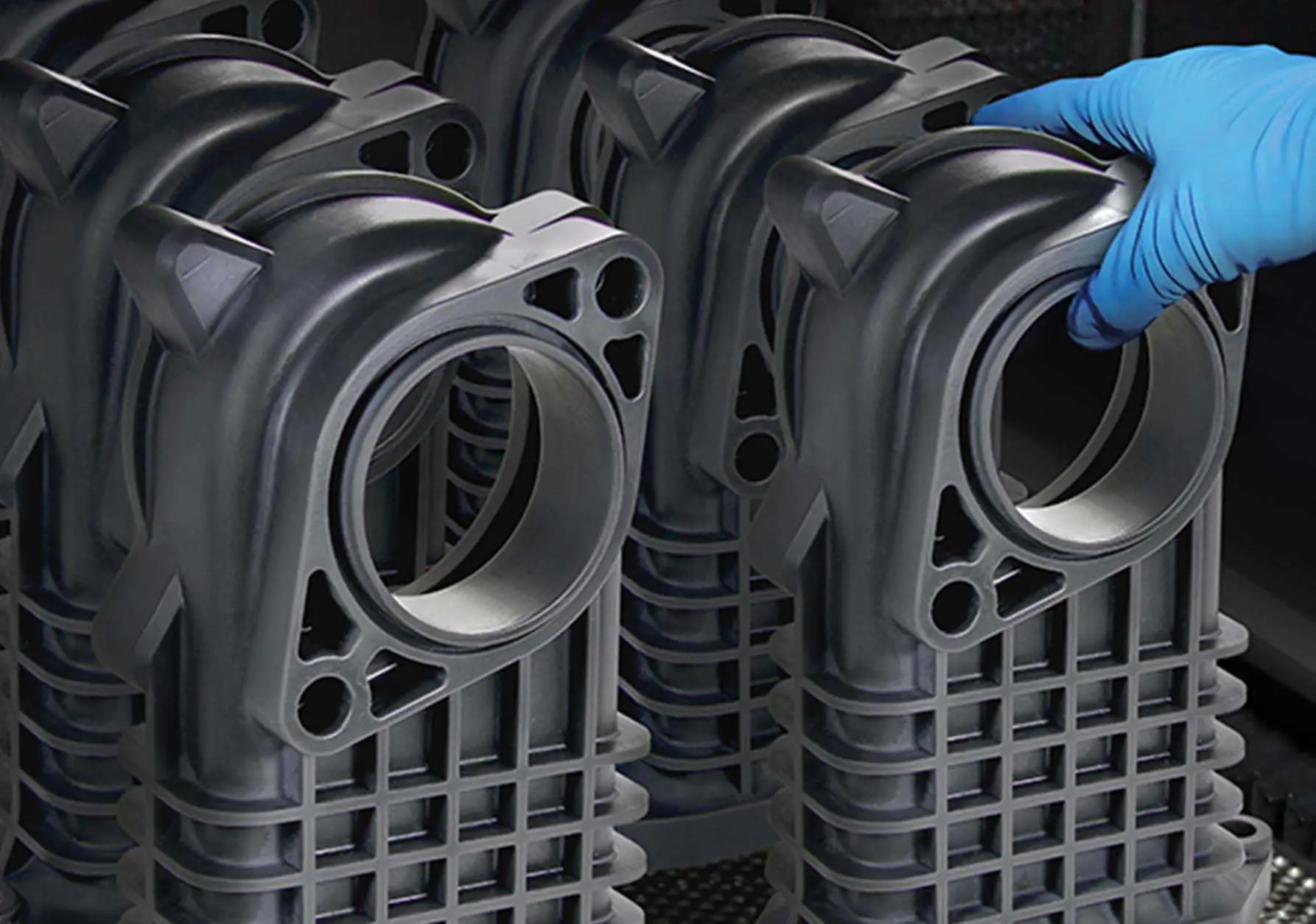
company likes huge light Focus on material innovation, providing hybrid manufacturing. For example, combining an SLM-printed titanium base with a resin-cast leaf can produce a part that weighs less than 200 grams but can withstand hurricane-force winds, a triumph of engineering durability.
Design workflow: from algorithm to artifact
- Generative modeling: Algorithms evolve branching patterns based on L-system fractals or environmental data (e.g. wind maps).
- Topology optimization: Software hollows out non-critical parts to reduce weight while maintaining structural integrity.
- Multi-material printing: Printer layered substrate – e.g. embedded bioresin "leaves" Within the PLA branch during the manufacturing process.
- Post-processing: Electroplated patina; sandblasted to create bark texture; ceramic coating is UV resistant.
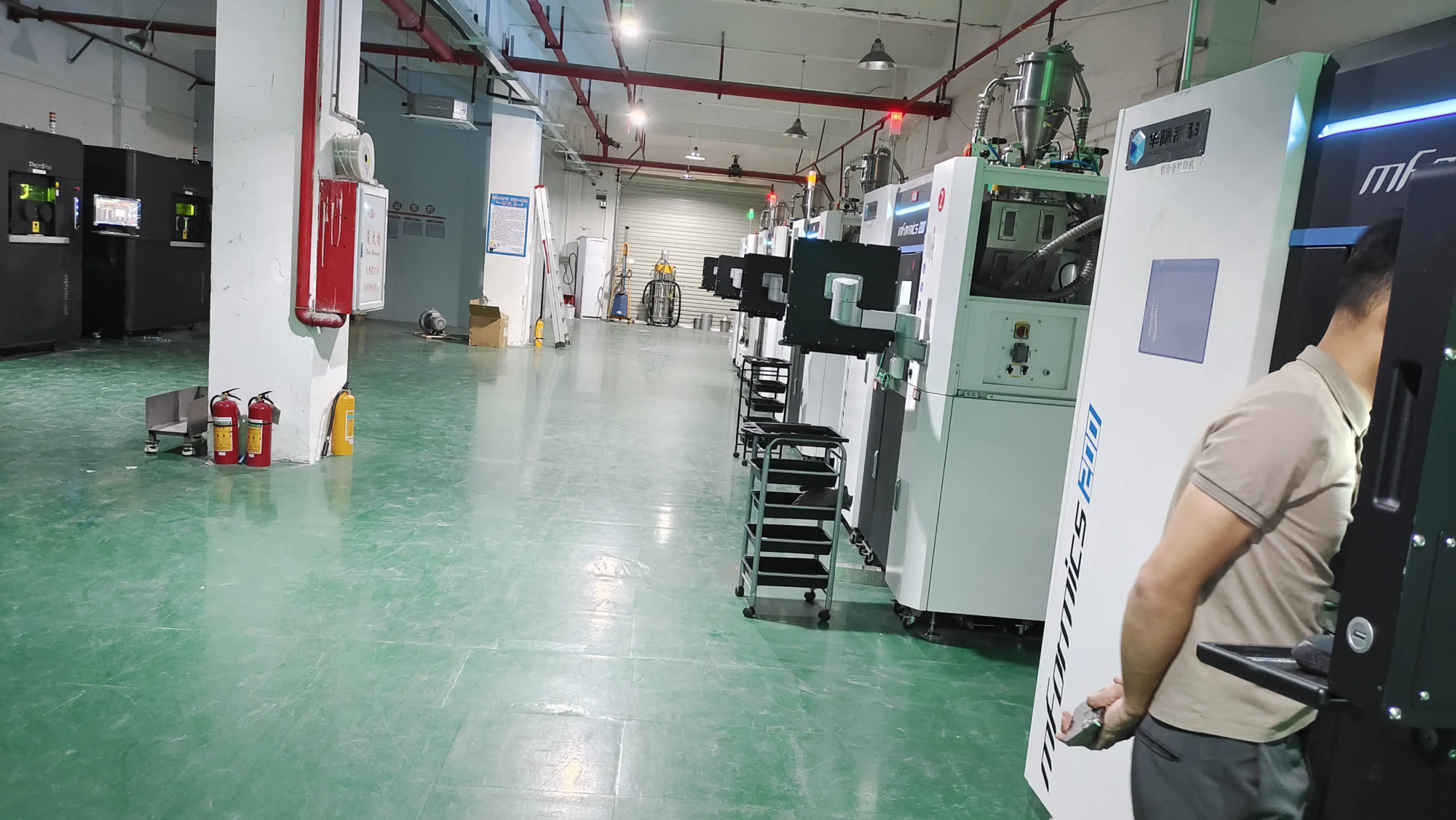
For complex commissions, GreatLight’s SLM 3D Printer Achieving a layer resolution of 20μm makes microscopic surface details indistinguishable from natural bark.
Sustainability in synthetic ecology
Critics question the separation of 3D bonsai from living systems, but 3D bonsai has ecological advantages:
- 🌱 Zero water waste: Eliminates the need for irrigation.
- ♻️ Recycled substrate: PETG filament from recycled bottles mimics a leafy canopy.
- carbon neutral: Solar-powered printing farms, like Ferrite’s Xi’an factory, offset manufacturing emissions.
A study from the Harvard Bionics Lab finds that metal 3D bonsai devices produce Carbon dioxide emissions reduced by 83% Maintaining organic equivalents over 50 years – rebuttal "unnatural" criticize.
Technical barriers and solutions
challenge: Balance realism and stability.
solution: A parametric grid structure within the trunk absorbs vibrations while simulating wood density.
challenge: Metal-polymer fusion failed.
solution: GreatLight’s proprietary bonding technology uses localized microwave sintering to permanently fuse the alloy to the thermoplastic.
Case study: "monster" dynamic bonsai
Dutch artist Eva Schatsdotter collaborates with GreatLight to create titanium bonsai with branches spin slowly Microservos powered by photovoltaics "leaves." The work, which debuted at Art Basel 2024, is priced at €280,000 – proving that algorithmic flora requires significant investment.
in conclusion
3D printed bonsai transcend gardening to become a commentary on humanity’s ever-evolving relationship with nature. They embody immortality through material science, democratize art through digital reproduction, and challenge perceptions of authenticity. As makerspaces and galleries adopt this resurgence, interest in decorative objects and cultural provocations continues to grow. Subverting the worldly privilege of bonsai (no more 50 year waits!), making this medium unique commemorative.
FAQ
Q1: Can I commission a customized 3D bonsai?
Yes. Specialist companies such as GreatLight provide end-to-end services from CAD sketches to material selection and post-processing. Estimated costs range from €800 to €15,000, depending on complexity/size.
Q2: How durable is the outdoor installation?
Titanium/SLM printed stainless steel bonsai can survive extreme conditions. Optional nano-coating protects against contaminants and salt corrosion—and a 20-year warranty covers UV weathering.
Q3: Do they require maintenance?
Dust lightly; avoid abrasive chemicals. The LED illuminated version uses a standardized micro USB port for battery replacement.
Q4: What are the main advantages compared to living bonsai?
Instant gratification enables biologically impossible designs (e.g., floating islands), zero maintenance penalties for travelers, and unlimited display potential.
Q5: Are there artistic compromises made for realism?
Some artists embraced overt futurism; Others use microscope scans of real trees to create richly textured biomimicries—discuss aesthetics early in the commission!