Unleash your creativity: The definitive guide to 3D printing movable fingers
The pursuit of expressiveness and realism in models, statues, animatronics and puppets often hinges on one key element: the finger. Traditional methods of carving, molding and assembling tiny joints by hand are time-consuming and imprecise. Enter 3D printed movable fingers – A revolutionary approach that provides unparalleled flexibility, consistency and creative freedom. This guide delves into the technologies, materials, techniques and design considerations that shape this exciting field.
Why 3D print movable fingers?
- Unparalleled sophistication and precision: CAD software enables complex joint geometries (balls and sockets, hinges, pins) that cannot be consistently carved by hand.
- Scalability and consistency: Does the animation sequence require 50 identical hands? 3D printing enables the mass production of identical parts.
- Design iteration speed: Digitally modify joint tightness, segment length, or overall aesthetics and quickly print modified prototypes.
- Material Versatility: Choose materials that mimic the human body, provide powerful clarity, or express specific visual qualities.
- Cost effectiveness: For complex joints or multiple units, 3D printing often significantly reduces the advantages of traditional manufacturing.
- Auxiliary functions: Desktop printers empower individual creators; industrial services meet complex or high-volume needs.
Key design principles for movable fingers
Creating functional, durable and flexible fingers involves more than just shrinking a CAD model of a hand. Need to consider carefully:
- Joint design:
- Ball and socket type: The gold standard in flexibility. Provides multi-axis smooth motion. It is crucial to obtain tolerant Right – Too loose and your fingers will tremble; too tight and it can restrict movement or cause fractures. A gap of approximately 0.2-0.4mm per side is common.
- Pin/hinge joint: Simpler, usually used with knuckles to restrict movement to a single plane. Precise pin size and hole tolerances are required.
- Living hinge: Thin, flexible sections connecting rigid segments, often found in integrally printed designs on FDM or resin. Durability under cyclic bending is critical.
- segmentation: How many segments are there in each finger? Typical replicas mimic human fingers (distal, middle, proximal) and metacarpal bones. Fewer segments simplify printing but reduce the natural range. Segment length affects aesthetics and flexibility.
- Tolerances and Clearances: As mentioned before, this is critical for ball joints. Use small calibration prints to test tolerances. Consider potential material shrinkage, especially during sintering of metal prints or curing of resins. GreatLight’s advanced SLM process precisely solves metal shrinkage issues.
- Wall thickness: Thick enough to ensure strength of joints and connection points, thin enough to ensure lightness and aesthetics, depending on technology and material.
- assembly: Easy-to-assemble design features: crimp pins, hard-joint snaps, magnet chambers within finger segments, or tendon/wire guides.
- Material selection: Choice greatly determines functionality and aesthetics.
Choosing the right 3D printing technology and materials
Choosing the best technology depends largely on the requirements of your application:
- Fused Deposition Modeling (FDM)/Filament Printing:
- Material: TPU (thermoplastic polyurethane), TPE, PETG, flexible PLA. TPU dominates flexible integral fingers.
- advantage: Low cost per part, TPU/TPE’s exceptional flexibility, easy-to-use desktop printer, enables durable monochrome printed components. Perfect for sturdy prototypes, role plays, toys.
- shortcoming: Small details/gaps for complex joints (balls and sockets) are difficult to achieve, and layer lines can be aesthetically disturbing/obstructive.
- Best for: Integral hinge designs, solid prototypes, slight rigidity or visible layer lines are acceptable.
- Stereolithography (SLA)/Material Jetting:
- Material: Flexible resin (Agilus30, Flex/E-Resin blend), standard/durable resin (for hard segmented fingers).
- advantage: Excellent resolution of fine detail, smooth surface finish, wide range of flexible resin properties. Ideal for complex ball joints requiring tight tolerances.
- shortcoming: Can be brittle compared to TPU/thermoplastics; flexible resin still has higher modulus than natural pulp; toxicity requires precautions; UV degradation potential.
- Best for: Highly detailed statues, stop-motion puppets requiring fine articulation, intricately segmented fingers, smooth skin-like prototypes.
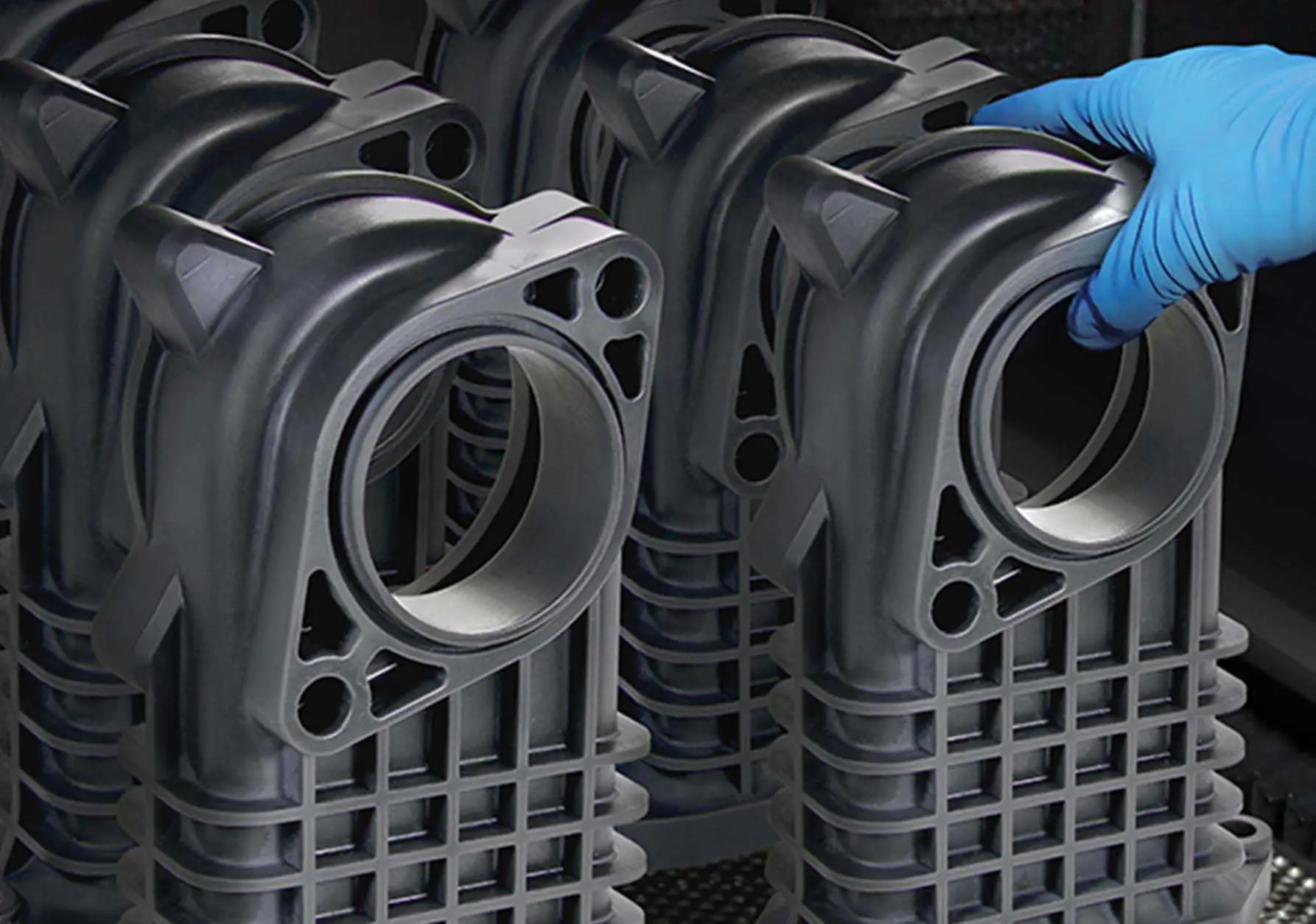
- Selective Laser Sintering (SLS):
- Material: Nylon 11/12 (TPU powder available).
- advantage: Robust functional parts, excellent detail resolution, excellent isotropic properties, natural matte and slightly grainy finish, ideal for paintable, flexible parts that can be realized using TPU powder.
- shortcoming: More expensive than FDM/resin, porous surface may collect powder that needs cleaning, limited tabletop options (mainly industrial). Material options are still limited compared to FDM/resin.
- Best for: Functional end-use prosthetic components, durable puppet/animatronic fingers require robustness and fine articulation.
- Multi-Jet Fusion (MJF):
- Material: Nylon 11/12.
- advantage: The fast build speed is ideal for volume, the cost per part is lower than SLS (especially when producing in batches), the mechanics are high and detailed, and it has excellent isotropic properties.
- shortcoming: Compared with SLS/SLA, the details are slightly lower and the flexibility of material selection is not as good as FDM/resin/TPU powder.
- Best for: Volume production of hinged hand parts requiring nylon strength and surface finish.
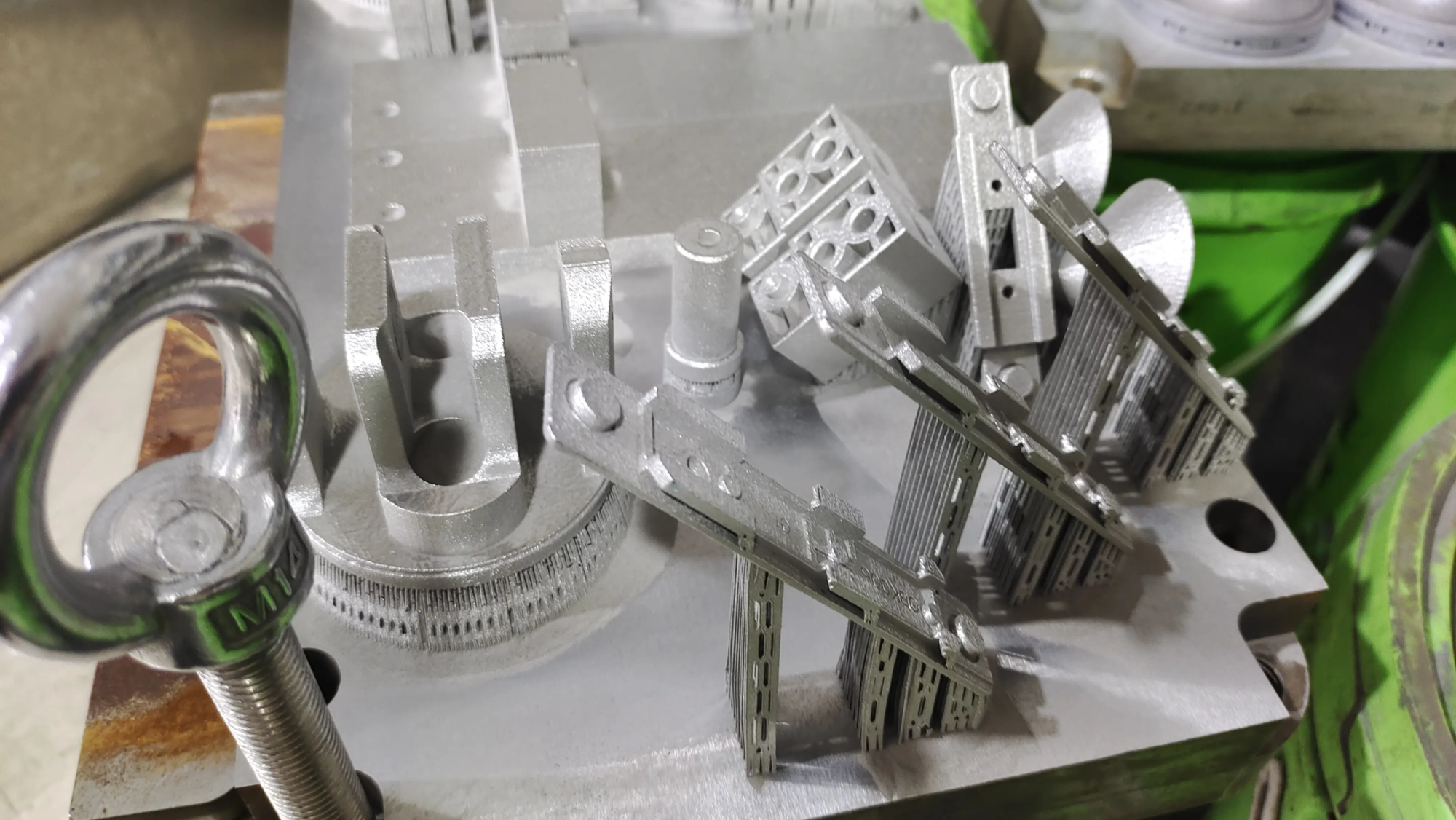
- Selective Laser Melting (SLM):
- Material: Stainless steel (316L, 17-4 PH), titanium alloy, aluminum.
- advantage: Superior strength and durability (metal), biocompatible option (titanium), excellent heat/wear resistance, corrosion resistance. Create dense, functional metal parts directly.
- shortcoming: Highest cost, significant skills required for optimal print/support setup, necessary heat treatment/post-processing (greatLight offers comprehensive one-stop finishing), complex supports that need to be removed. Industrial service providers like greatLight are needed.
- Best for: Permanent metal skeleton fingers for use in animatronics, medical/dental signage retention systems, high end collector statue frames requiring maximum strength/durability/fire retardancy.
Post-processing of movable fingers
Post-processing is often essential:
- Support removal: It is crucial for resin printing, especially metal printing (SLM). Skill is required to avoid damaging the tiny joints.
- clean: Resin (IPA/alcohol bath), powder (SLS/MJF), metal powder removal.
- Surface treatment: Sanding/painting, smoothing (soluble support/FDM steam smoothing).
- Heat treatment: Mandatory requirements for metal SLM printing to relieve stress and achieve final material properties – this is an integral part of GreatLight’s SLM process.
- assembly: Insert pins/connectors, glue (hard sections), ties/wires.
When high-performance printing matters: The GreatLight advantage
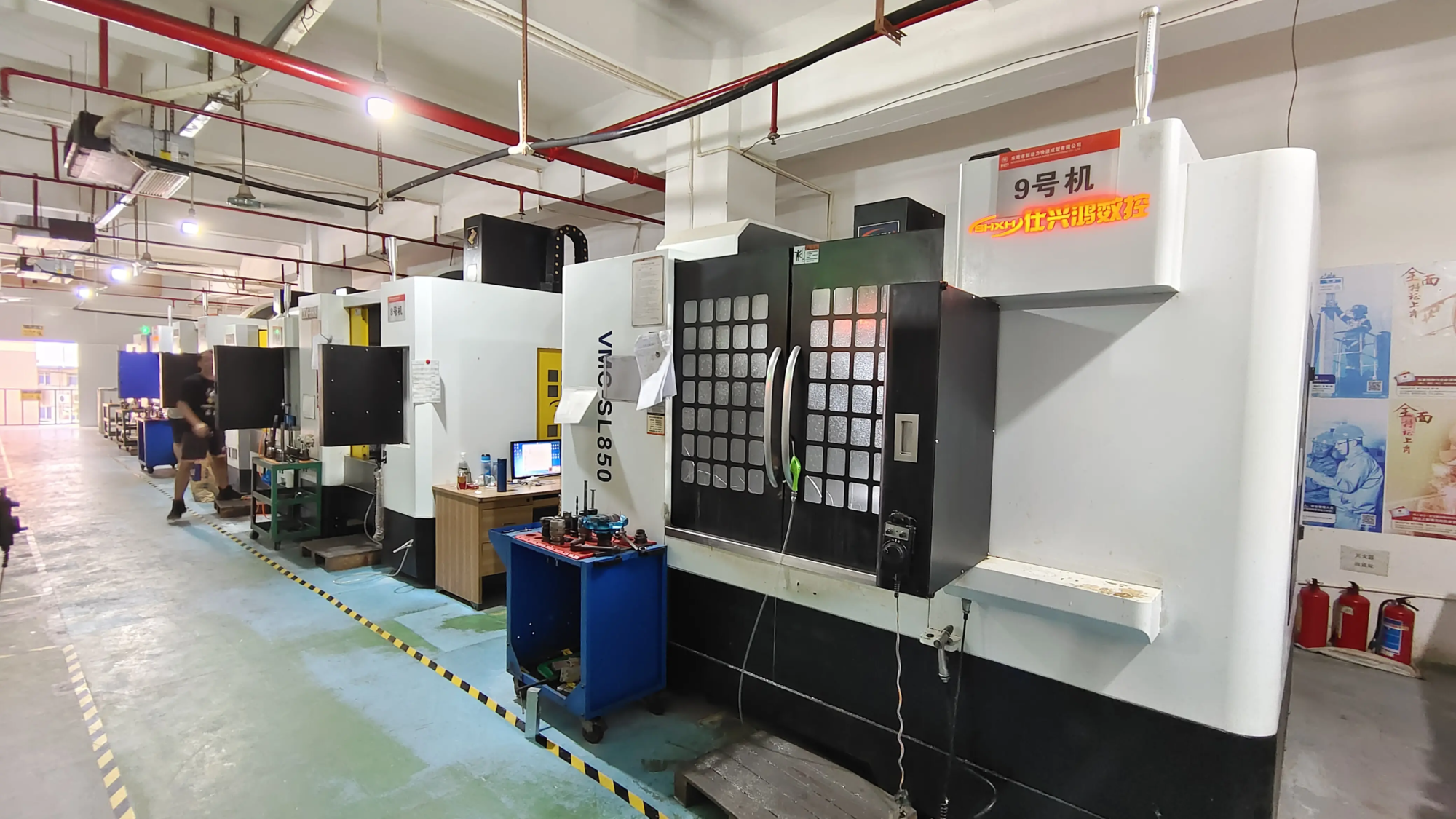
For creators who demand the highest precision, durability, or specialized metal fabrication, partnering with the leader in industrial rapid prototyping is critical. Services such as great light Shine here:
- Advanced SLM technology: Achieve unparalleled strength and detail in stainless steel or titanium joints – pushing the boundaries of what’s possible with animatronics or prosthetic fingers.
- One-stop organization: Eliminate supply chain headaches. GreatLight manages the entire process from optimized printing to meticulous support removal, heat treatment, HIP (as needed), air polishing of smooth joints, and final quality assurance—critical for functional components.
- Materials Science Expertise: Understanding the shrinkage, stress distribution and post-processing needs of materials such as titanium or stainless steel ensures reliable high-cycle joints – GreatLight engineers optimize the print accordingly.
- Mass production: Cost-effectively scale your creations with MJF/SLM/SLS.
- Solving complex problems: GreatLight is focused on solving the complex manufacturing challenges inherent in complex micro-assemblies such as articulated fingers.
in conclusion
3D printing has radically democratized and given the creative capabilities of nimble fingers far beyond novelty to functional necessity. Whether you’re using a desktop FDM printer to create flexible role-playing hands or leveraging GreatLight’s industrial SLM capabilities to create a titanium articulated skeleton for professional animatronics, the possibilities are endless. By understanding the key interactions between Design basics, Material properties, Limitations of printing technologyand Detailed post-processingcreators can create fingers that are not just jointed, but truly expressive, lifelike, and durable. Employing these techniques can take your physical creations to a new level of realism and personality.
(Coming soon: Part 2 – Integrating Tendons and Wires, Magnet Joint Technology, Skin Covering/Covering)
FAQs about printing movable fingers
-
Q: What is the easiest way to start 3D printing movable fingers?
- one: The overall TPU finger was first designed on an FDM printer using a simple hinge joint. Before modeling your own, take advantage of the free Finger STL files available on Thingiverse or Cults to get an idea of the design.
-
Q: How do I prevent my ball and socket knuckles from being too loose or too tight?
- one: Strictly tested to tolerances! Print small calibration artifacts (e.g., ball and socket) with different gaps (e.g., 0.1 mm, 0.2 mm, 0.3 mm). Consider the accuracy of your printer. SLA/SLS is best suited for tighter tolerance joints; FDM requires extensive (~0.4mm) tolerance testing.
-
Q: Which material feels the most authentic?
- one: Soft TPU (V Shore hardness ~70-85A) printed via FDM can approximate the flexibility of flesh. Look for softer shore hardness statistics (such as FFF Nimbus TPU95A). However, the resin is smoother but harder overall. Looking forward to the printer’s texture. Realism combines materials with application/weakness.
-
Q: How durable are flexible resin fingers?
- one: Reinforced toughness resins perform significantly better than standard brittle resins, but typically exhibit higher stiffness (less flexibility) than FDM TPU. They handle cyclic knuckle bending reasonably well under light to moderate repetitive operations – avoiding shock shock or permanent deformation stress.
-
Q: Why consider finger industrial metal printing (SLM)?
- one: There are unparalleled strength-to-weight ratio absolute durability requirements – complex joints require micro-mechanical joints that still work reliably in harsh operating environments (high temperatures, corrosion, heavy use) such as theme parks, film productions, etc. – industry demands for ruggedness that exceed the limits of plastics/resins. Suppliers like GreatLight excel in micro-assembly post-processing.
- Q: Can you mass produce?
- one: Serial production solves the consistency requirement economically. When considering high-volume vs. stand-alone prototyping, technologies optimized for batch include MJF/SLSSLS – services focused on streamlining/automating post-processing processes can significantly reduce unit costs. Discuss directly with the manufacturer.
Ready to bring your articulated creations to life? Whether prototyping a complex articulated hand for animation or needing a durable nylon/flexible resin tolerance design for volume production that is beyond your desktop capabilities, contact GreatLight. Discover today how our comprehensive range of advanced SLM/FDM/SLS/MJF prototyping finishing services can combine with our deep materials science expertise to overcome limitations, empower imagination, translate into tangible guidance, calculate tolerances, select the best materials, streamline workflows, and create truly functional works of art.Discuss your project today!