Algorithms Meet Ancient Gardening Poetry: The Rise of Metal 3D Printed Bonsai
The centuries-old art of bonsai is a meditation on the scale and resilience of nature, combined with the cutting edge of digital fabrication. Enter the field 3D printed bonsai – Not the plastic novelty you imagined, but a stunningly complex creation Metalpushing the boundaries of art and manufacturing. It’s not just imitation; This is The combination of timeless philosophy and timeless technology.
Beyond plastic: The renaissance of metal in the art of bonsai
While plastic 3D printing already exists, the truly revolutionary works utilize Advanced Metal Additive Manufacturing (AM). This is where technology transcends gimmicks and enables true art that endures:
- Material authority: Metals such as stainless steel, titanium, bronze and even copper alloys offer unparalleled performance. they are Powerful and intricate details, heavy and eternal But able to imitate the delicate fragility of ancient branches. They have an inherent luster or can be artfully painted with a bronze color – a color that plastic can only dream of replicating.
- Unleash complex designs: CAD software combined with additive manufacturing unlocks geometries not possible with traditional processes. imagine Surreal tree bark texture Captured by 3D scanning an ancient tree, dynamic rotating canopy Be inspired by wind patterns visualized through simulation, or abstract fractal form Echoing natural growth algorithms – all faithfully rendered in metal. Walls thinner than a fingernail and intricate lattices become feasible.
- Petrified Vision: Metal additive manufacturing excels at creating seemingly extremely delicate structures— Tiny branch tips, curled dry leaves or cascading miniature roots. intricate juxtapositions "Dead wood" The monumental metallic rendering creates a powerful aesthetic dialogue about time, decay and eternity. it captures nature Weathered bonsai in a perfect moment, frozen forever.
- Mixed life: The most eye-catching designs often blend creatures with metal. one live moss base Or small hardy plants contrast with the sculpted petrified metal canopy overhead. This literal fusion emphasizes the core inspiration of the artwork – the living miniature landscape.
Production alchemy: precision at its peak
Creating these masterpieces is no child’s play. it requires Advanced rapid prototyping and manufacturing capabilitiesoften utilizing the following techniques:
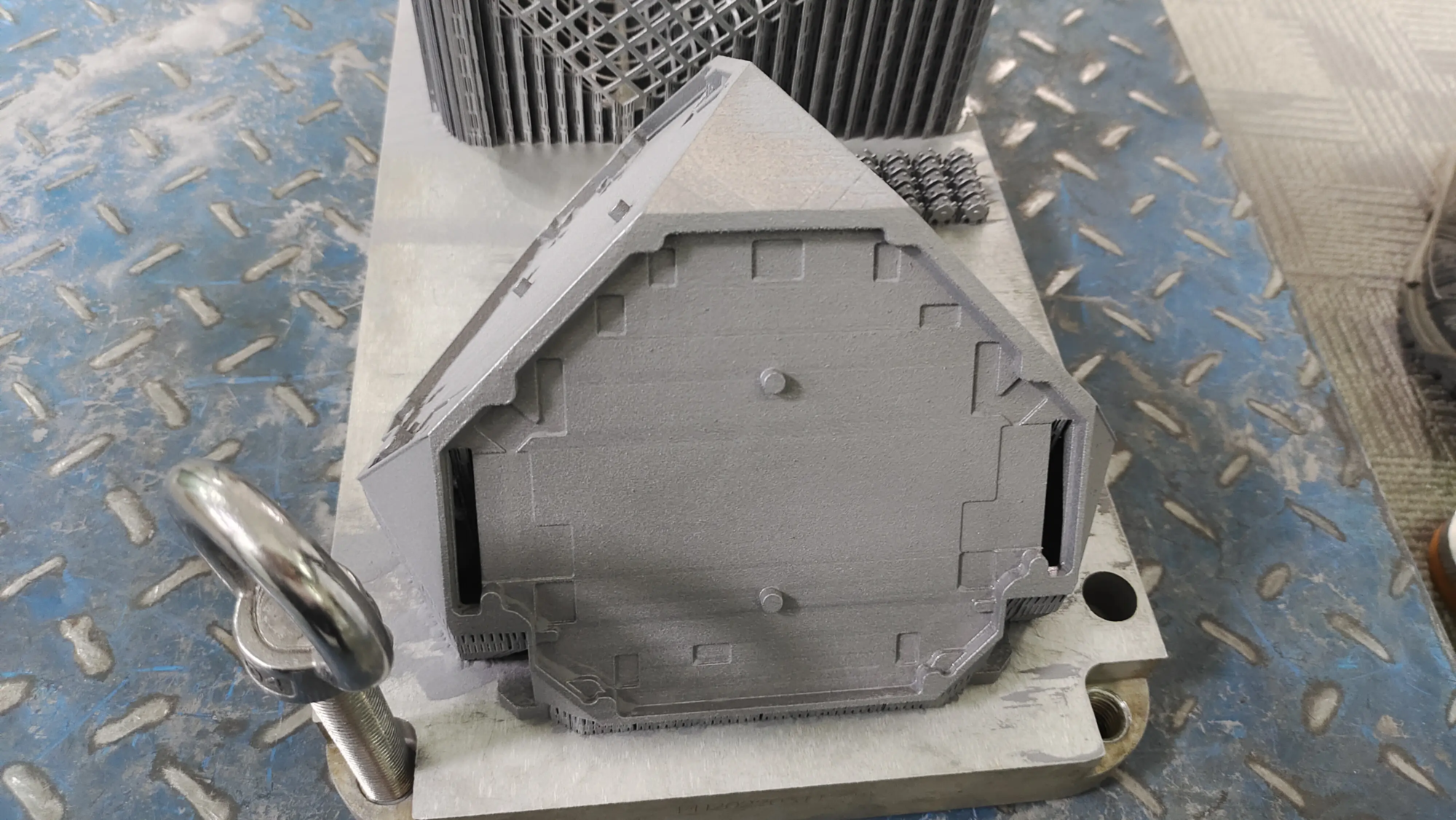
- Selective Laser Melting (SLM): High-power lasers precisely fuse fine metal powders layer by layer, delivering superior detail resolution and material strength – crucial for those hair-thin tree branches. This is particularly suitable for implementing complex internal structures and optimizing weight.
- Precision post-processing: The magic doesn’t stop with printing. expert post processing transformation Transform original printed parts into finished artwork:
- Support deletion: Careful removal of sacrificial structures used in the printing process.
- Surface enhancement: Sandblast, polish or grind to achieve specific textures – from a soft matte that resembles aged bark to a mirror finish that accentuates delicate shapes.
- Hand rusted: Chemical treatments or controlled heat create unique oxidized finishes—patina blues and greens, deep bronze browns, fiery copper reds—that add layers of visual storytelling.
- assembly: Seamlessly connect complex subcomponents.
This level of technology not only requires advanced equipment; Materials science expertise, sophisticated CAD/CAM and meticulous finishing techniques.
GreatLight: Driving the metal bonsai revolution
For designers and artists pushing the limits of metal bonsai, visit Cutting-edge industrial additive manufacturing capabilities is the most important. This is what professional manufacturers like huge light plays a vital role. As a leader in professional rapid prototyping and manufacturing, equipped with Advanced SLM 3D Printer and deep expertise, GreatLight has the technology and skills necessary to execute these ambitious projects:
*bloody Overcome complexity: Able to handle the unique challenges of delicate, complex, thin-walled geometries inherent in printing convincing bonsai structures.
- Material mastery: Expertise in processing a variety of metal powders suitable for artistic expression – from sturdy stainless steel to exotic titanium and captivating bronze.
- Comprehensive finishes: Go beyond basic printing to provide comprehensive One-stop post-processing and finishing services – Professionally Polished, Professionally Patinated – Transform a functional print into a gallery-ready piece of art.
- Prototype to production: promote both A single, unique work of art and possible small batch production For designers.
When pursuing the fusion of artistic vision and technical fabrication, working with manufacturers like GreatLight with proven capabilities in high-precision metal additive manufacturing is often the bridge between digital concepts and stunning tangible sculptures.
Conclusion: The Immortal Tree, forged in code and metal
3D printed metal bonsai represents more than just a novel decoration. This is a powerful symbol of our times: A fusion of deep tradition and radical innovation. It harnesses the precision and possibilities of technologies such as SLM metal 3D printing, not to replace nature but to capture its profound essence in a new permanent medium. These sculptures honor the spirit of bonsai—tranquility, resilience, harmony—while challenging our ideas of material and fabrication. they are monumental monumentnot a stone but a fusion of digital design and atomic layers, is destined to captivate audiences for generations. Here, centuries of patience meet the speed of lasers to produce timeless technological art.
FAQ: Demystifying Metal 3D Printed Bonsai
-
Question: Are these bonsai trees alive?
one: The main structural elements – the intricate canopy of trunks, branches and leaves – are often made from 3D printed metal. They are sculptures, not living plants. However, many artists have incorporated life elements Like moss or small plants at the bottom to create dynamic contrast. -
Q: What metal is used? Are they safe indoors?
one: Common choices include stainless steel (316L), titanium (Ti6Al4V), bronze alloys, copper alloys, and sometimes aluminum. These are Inert, non-toxic metal Indoor display is absolutely safe. Patina is usually stable and sealed. -
Q: How fragile are they? Can they break it?
one: Metal additive manufacturing parts, especially parts using SLM/DMLS, incredibly powerful relative to their complex appearance. Although treated with care like fine sculptures, metal branches are more resilient than dry wood or ceramic. They can withstand bumps better than traditional ceramic bonsai pots. -
Q: Do they require any maintenance?
one: Very small. Dusting with a soft brush or compressed air is usually sufficient. Avoid harsh refrigeration chemicals. Rusted finishes usually provide a stable seal, but if in doubt, check with the artist/manufacturer. Live moss elements require occasional misting of water. -
Q: Can I customize my own design?
Answer: Of course! This is where metal additive manufacturing really shines. Many artists and manufacturers specialize in Fully customized design. You can provide inspiration photos, sketches, concepts, or collaborate directly to develop a unique CAD model that fits your vision and space. -
Q: Why do patients with porosis choose to 3D print metal instead of wood or ceramic?
one: Key benefits include:- Unprecedented design freedom: Achieve forms impossible to achieve by carving or molding.
- Durability and Persistence: Will not rot, crack, chip or be eaten by pests like ceramic.
- Unique aesthetics: An interplay of metallic sheen, intricate details and subtle patina.
- Modernity: It is a unique statement that blends tradition with contemporary technology and materiality.
- Hybrid potential: Seamlessly integrates with live elements.
- Q: What role do companies like GreatLight play in creating this?
one: Producing highly complex metal structures requires Industrial grade metal 3D printer (such as SLM), extensive expertise in additive manufacturing design, and Superb post-processing. Companies specializing in precision rapid prototyping and custom metal additive manufacturing provide the technical capabilities and quality assurance necessary to transform complex artistic concepts into powerful, high-fidelity realities. They are responsible for complex production, so the artist only focuses on positioning the design.