A Quiet Revolution: How 3D Printing Is Redefining Buddha Art
For thousands of years, the making of Buddhist art has been the domain of master sculptors, who pour years into wood, stone or metal to capture the tranquil and spiritual essence. Today, a quiet revolution is quietly unfolding: 3D printing is changing the way we create, preserve, and interact with Buddha statues. The fusion of ancient symbolism and cutting-edge digital fabrication offers unprecedented possibilities, from stunningly intricate devotional works to important cultural preservation efforts.
More than just plastic: a digital journey of the Buddha statue
Making a 3D printed Buddha statue is a careful combination of art and engineering:
- Digital capture and design: It typically begins by digitally capturing existing artifacts using high-resolution 3D scanning, preserving every exquisite detail of the historic piece. Or, artists use advanced CAD software to create completely unique designs. This digital stage allows great freedom – adjust gestures (handprints), expressions, size, or precisely introduce symbolic elements.
- Material Alchemy: Unlike the limited palette of traditional engraving, 3D printing offers a variety of mediums:
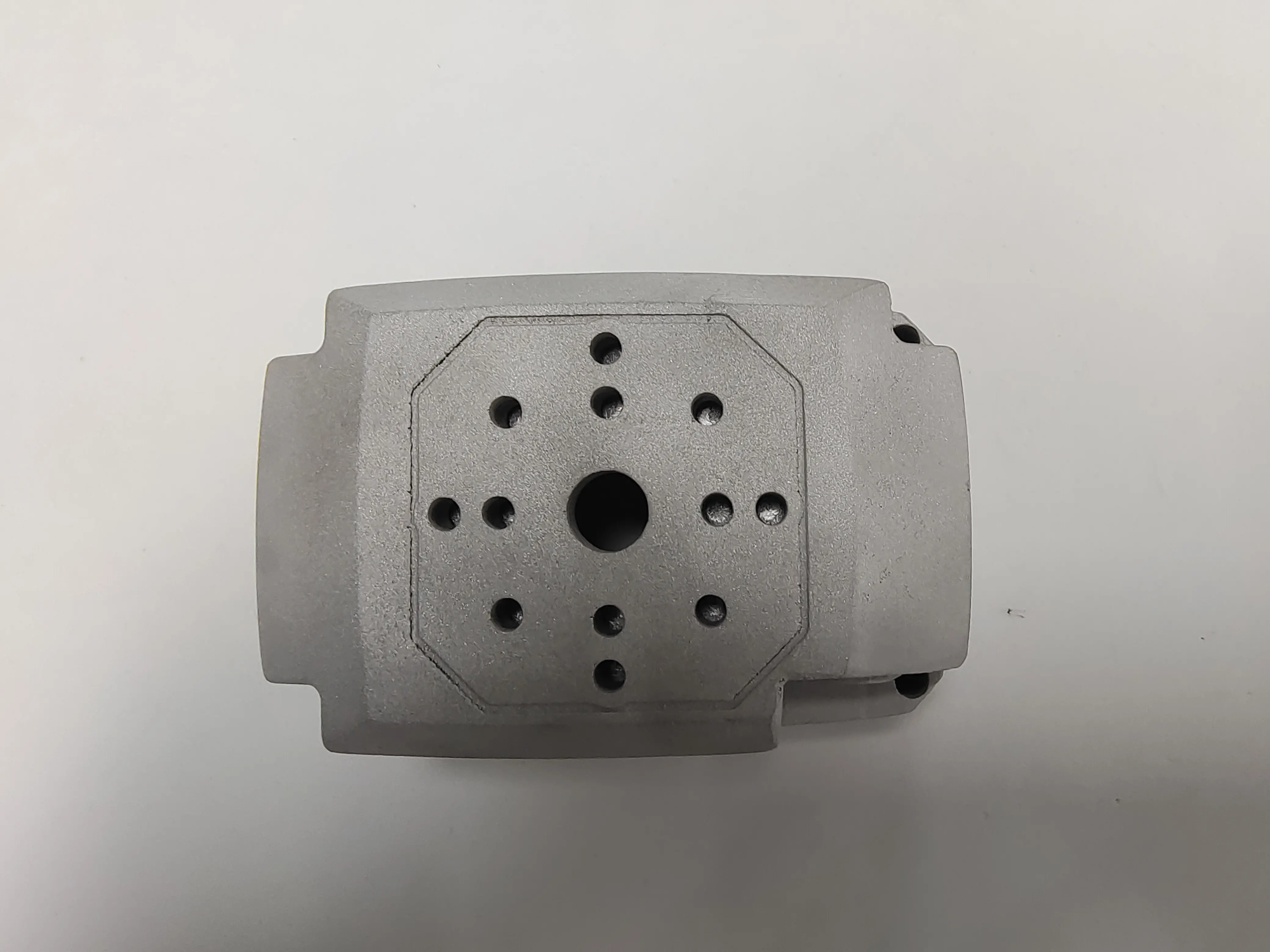
- Stainless steel and metal alloys: Achieve long-lasting strength, striking modern beauty, and incredible fidelity using technologies like SLM (Selective Laser Melting). SLM uses a high-power laser to melt fine metal powder layer by layer, producing strong parts that are ideal for permanent installations, jewelry, or complex geometries that are difficult to achieve with traditional methods.
- Resin: Delivers superior surface smoothness and detail resolution. Options range from standard resins for visual prototyping to specialized castable resins for creating masters used in lost-wax casting.
- PLA/Polymer: Typically used for accessible prototypes, decorative pieces, or educational mockups that require rapid iteration.
- Building peace layer by layer: Using the digital model as a blueprint, the chosen 3D printer accurately constructed the statue. Metal SLM printers use powerful lasers to fuse layers of fine metal powder, while resin printers use light (SLA/DLP) to cure layers of a pool of liquid resin. The nature of the additive minimizes waste.
- Artist’s Style: Post-Processing: Original prints rarely convey the final artistic vision. This is the combination of craftsmanship and technology. Skilled craftsmen undertake:
- Supports removal and sanding.
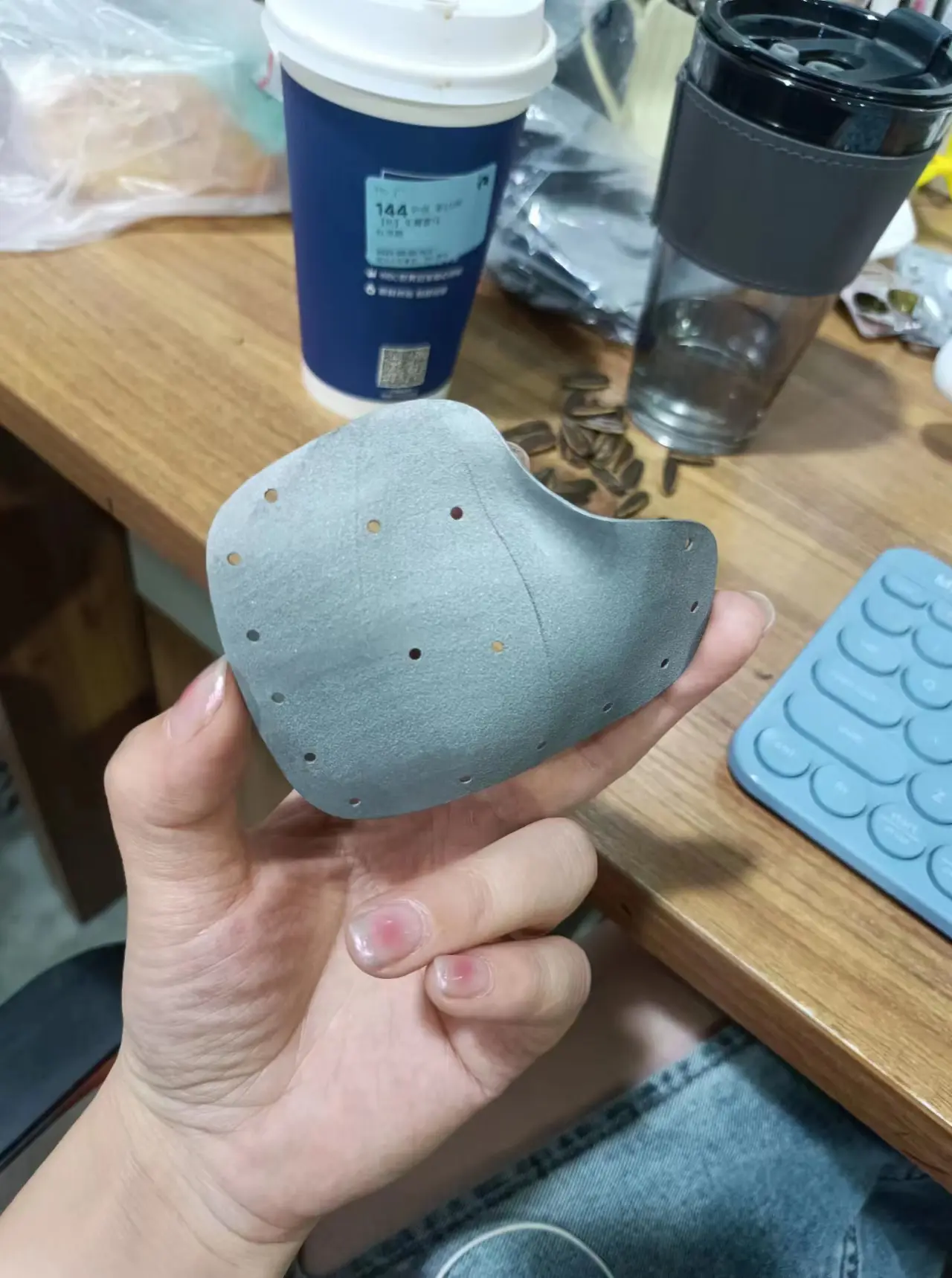
- Metal pieces undergo intricate surface treatments: meticulous hand polishing for a mirror-like shine, artistic patina to evoke ancient bronze or stone textures, sandblasting for matte elegance, and even electroplating/coating.
- Resin prints may be hand-finished, painted with flowing robes or subtle skin tones, or gilded.
- Assembly of multi-part sculptures.
Why 3D printing resonates with Buddhist art
Using 3D printing technology to produce Buddha statue art is not only a new thing; It solves fundamental challenges:
- Unparalleled precision and sophistication: Intricate drapery folds, serene facial expressions, symbolic details (lotus, urna, ushnisha) are reproduced with a level of detail and repeatability unachievable by hand engraving alone. SLM metal printing can easily handle internal complexities.
- Personalization and uniqueness: Easily scale venerable temple statues to the size of your personal altar. Create personalized poses or symbolic adaptations that reflect the practitioner’s specific tradition or interpretation.
- Speed and accessibility: Compared with traditional methods, production time is greatly shortened, making customized products more accessible. Initial prototypes can be produced within days.
- Cultural protection power source: Non-invasively scan priceless and fragile ancient statues to create digital archives and produce physically accurate replicas for study, display in less controlled environments, or even in remote community installations.
- Material Versatility: Achieve the desired beauty and functionality – from lightweight resin versions for traveling altars to monumental steel structures for public art – all from the same digital source.
- Geometric degrees of freedom: Achieving previously impossible fluid forms and complex undercuts associated with mandalas or halos, merging contemporary sculptural aesthetics with spiritual imagery.
Expression: from altar to gallery
The applications are diverse and meaningful:
- Personal spiritual space: Create a custom, precisely sized statue for your home altar that brings a personal connection.
- Temple Restoration and Outreach: Faithfully replicate damaged or lost historical statues; create standardized devotional images for new temples around the world.
- Contemporary artistic expression: Artists use this process to create unique interpretations that blend ancient forms with modern digital aesthetics in galleries and installations.
- Educational Tools: Historical replicas and anatomical models of emblematic features in museums, schools and universities.
- Jewelry: Micro devotional pendants or intricate metal devotional pieces precision crafted with SLM.
Mastering the nuances of art
While powerful, achieving true artistic reverence requires expertise:
- Digital Design Mastery: Translating subtle spiritual qualities (peace, compassion) into 3D models requires artistic sensitivity.
- Technology selection: Material properties (metal density/resin brittleness) and printer resolution greatly affect the final feel and detail.
- Improved post-processing: Especially with metals, achieving the desired patina, polish, or textural nuance requires skilled craftsmanship—which goes well beyond basic printing.
Conclusion: Illuminating tradition with innovation
3D printing does not replace the deep spiritual intention behind Buddhist art; it provides powerful new tools to express and preserve it. It respects complex traditions with precision, breathing life into individual interpretations and preserving an irreplaceable legacy for future generations.
The synergy between ancient iconography and cutting-edge manufacturing highlights the potential of technology to address timeless human needs. Whether the goal is a personal devotional object on a budget, an architectural sculpture for a peace garden, or a faithful replica of a sacred relic, the possibilities are vast.
Are you considering a 3D printed Buddha art project?
exist huge lightwe combine deep technical expertise in advanced metal SLM 3D printing and comprehensive post-processing services with an understanding of the nuances of art. From intricate small devotional objects requiring the finest metal detailing to complex, robust sculptures for public spaces, we have the equipment, technology and craftsmanship to transform your vision into tangible serenity. We specialize in solving complex prototyping challenges, offer rapid customization in a variety of materials, and provide finishing that truly elevates prints into works of religious or artistic significance.
Explore the intersection of spirituality and advanced manufacturing. Let us work together to bring your unique vision of 3D printed Buddha art to life. Customize your precision rapid prototyping projects today at competitive prices. [Visit our website/Contact Us] Discuss your specific requirements.
FAQ: 3D Printing Buddha Art
Q1: Is 3D printed Buddha art considered authentic or respectful?
A: Authenticity lies in the intent and reverence of the practitioner or institution who commissioned/used the work. Technology is a tool. High-quality 3D printing, especially faithful replicas of culturally significant statues or carefully designed originals, is widely accepted and respected. Many temples and practitioners utilize such replicas for easier access and preservation.
Q2: What materials are most suitable for making durable outdoor Buddha statues?
Answer: Metal materials, especially those produced by SLM, such as 316L stainless steel or specialty alloys, such as aluminum bronze or titanium, providing superior durability and corrosion resistance for outdoor installations. Post-treatment techniques such as protective coatings or patina can further extend service life. Resins also generally cannot withstand prolonged UV exposure and weathering.
Q3: Can I get an exact replica of the historical Buddha statue I see?
Answer: Yes, but you need to obtain a cultural heritage permit. Using high-precision 3D scanning, digital replicas can be created non-invasively. GreatLight can then reproduce this effect with high fidelity using materials such as metal (SLM) or resin, accurately matching size and detail. Ethical considerations regarding the reproduction of culturally sensitive items are crucial.
Q4: How complex can a design actually be?
Answer: Extremely complex. Technologies such as SLM metal printing and high-resolution resin printing (SLA/DLP) excel at producing fine details, delicate features (fingers, facial expressions), complex textures (lotus petals, robe patterns), complex geometries (mandalas, ornate bases), and challenging undercuts that are difficult or impossible to achieve with traditional sculpting. The level of detail depends on printer resolution and post-processing skills.
Q5: Is metal 3D printing (SLM) suitable for individual statues, or can it only be used for mass production?
A: While SLM metal printing involves significant equipment and material costs compared to polymer, it is increasingly suitable for producing unique, high-value individual statues or small batches of statues. The ability to eliminate complex molds/tooling and use expensive materials with precision makes custom artwork, prototypes or small series economically feasible, especially given the quality and durability achieved. Costs vary based on size, complexity, materials and finishes – discuss the details of your project.
Q6: How important is organization?
Answer: Very important! Original prints rarely capture the ultimate artistic and spiritual quality. Expert finishing – meticulous polishing of metal, artistic painting/texturing of resin, patina of antique bronze, electroplating (gold, silver) or application of protective coatings – transforms geometric objects into something serene and beautiful